
–Kailash Chandra
Raipur : India has been debating religious conversions for more than fifty years. Different states have created their own laws to control forced or fraudulent conversions, depending on their local social needs, tribal sensitivities and security concerns. In recent years, digital technology and organised missionary networks have changed the nature of conversions. This is the background in which the Chhattisgarh Freedom of Religion Bill, 2026 has been introduced. It aims to stop illegal conversions and also recognises new, modern methods of persuasion that did not exist earlier.
When we compare Chhattisgarh’s new Bill with the existing laws in Odisha, Madhya Pradesh and Himachal Pradesh, it becomes clear that the 2026 draft is more comprehensive and stricter than previous models. Odisha represents the earliest and simplest form of anti-conversion law. Madhya Pradesh represents the strictest and most detailed set of rules in recent times. Himachal Pradesh represents a modern, technology-sensitive framework. Chhattisgarh has attempted to combine these strengths and also add stronger punishments and clearer procedures.
Odisha was the first state to pass such a law in 1967. The law, called the Orissa Freedom of Religion Act, mainly focused on stopping conversions done through force, fraud or inducement. The punishments were light, and the definitions were simple. At that time, society was not facing major digital influence, foreign-funded networks or organised proselytising groups. Conversions happened mostly in rural or tribal areas through material temptation or misinformation. So the Odisha model worked for its time, but today it appears outdated.
Madhya Pradesh passed its first law in 1968, but it became far more significant after amendments in 2021 and 2022. These changes introduced strict rules relating to “love jihad”, fake identity in marriages, pressure within live-in relationships, institutional conversion activities and digital propaganda. MP also introduced a strong “prior permission” requirement. A person wanting to convert must inform the district administration 60 days in advance, and the priest or organisation conducting the conversion must also notify authorities. The model is strict, paperwork-heavy and police-supervised, which makes it controversial but also very protective of vulnerable communities.
Himachal Pradesh created its law in 2006 and updated it in 2019. The most important feature of the Himachal model is its recognition of digital influence. It identifies online preaching, social-media-based religious pressure, NGO-linked networks and institutional campaigns as modern methods of conversion. It also introduced special courts for faster trials. This law accepts that conversion today is not just a physical activity but also a digital and psychological process.
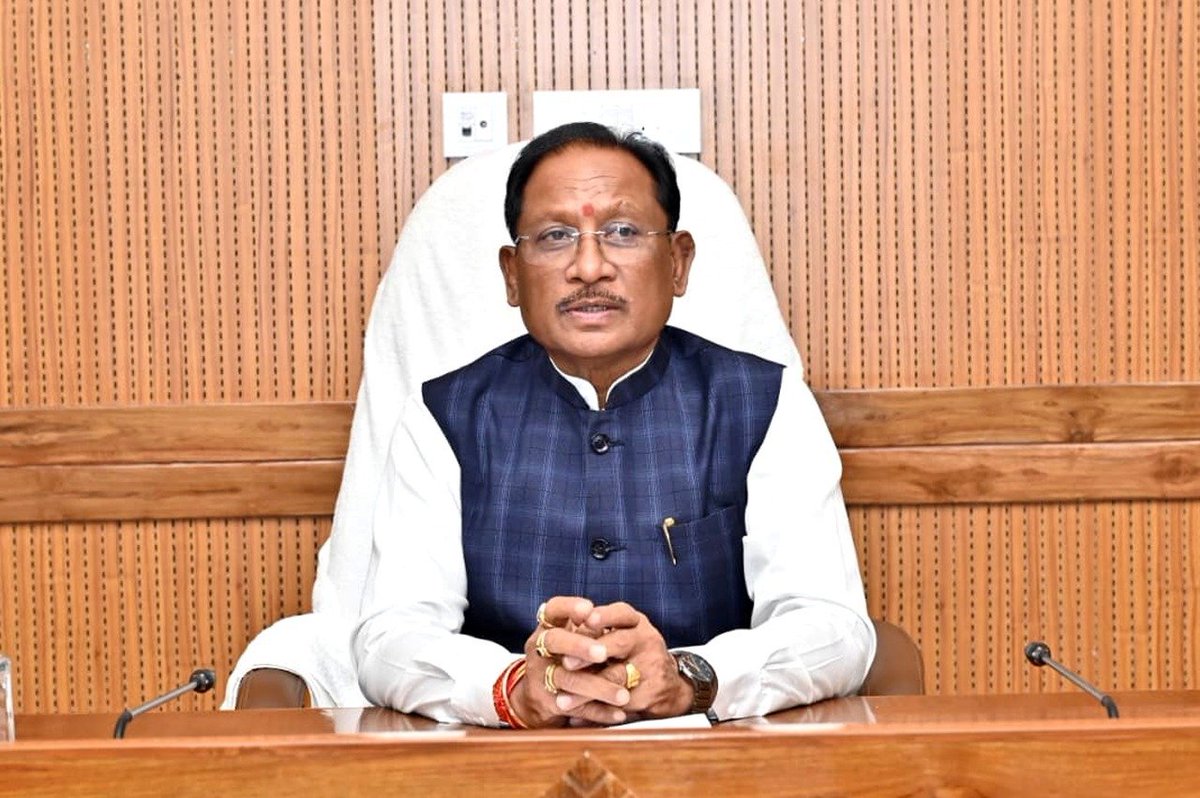
It is in this background that the Chhattisgarh Freedom of Religion Bill, 2026, approved by the cabinet chaired by Vishnu Deo Sai, becomes important. The state has seen an increase in organised conversion networks, especially in tribal belts. Therefore, the Bill aims to deal not only with individual cases but also with large-scale and digitally managed conversion activities.
One of the strongest features of the Chhattisgarh Bill is its expanded definition of “digital conversion”. It covers social-media campaigns, online promises, video-based persuasion and internet-based inducements. No previous state law has given such a wide technological definition. This makes the Chhattisgarh Bill the most modern anti-conversion law in India.
The punishments proposed by this Bill are also the strictest in the country. For normal illegal conversions, the punishment is 7 to 10 years of jail and a minimum fine of ₹5 lakh. This is far higher than Odisha’s one-year punishment and also stricter than Madhya Pradesh and Himachal Pradesh. For conversions involving minors, women, Scheduled Castes, Scheduled Tribes or Other Backward Classes, the punishment becomes 10 to 20 years, plus a minimum fine of ₹10 lakh. No other state law prescribes such heavy penalties.
The most notable feature is the punishment for mass conversions. Odisha does not even have a special category for this. Madhya Pradesh and Himachal Pradesh prescribe 5 to 10 years. Chhattisgarh goes far beyond them and proposes life imprisonment for organised mass conversions. This indicates that the state sees such activities not merely as personal religious acts but as threats to community security and social harmony.
The Bill also creates a transparent process for voluntary conversion. A person who wishes to convert must give 30-day advance notice to the district administration, and the information will be publicly displayed. This gives the public an opportunity to raise objections. The person or organisation performing the conversion must also file a report. This system is borrowed from Himachal and Madhya Pradesh, but Chhattisgarh’s version is clearer and more structured.
Apart from punishments and procedures, the Bill makes all related offences cognizable and non-bailable. It also creates special courts for speedy trials. Digital evidence will be legally accepted. These provisions show that the state wants strict enforcement and faster judicial processing.
Naturally, such strong laws create political debate. Critics argue that strict rules may affect religious freedom. Supporters say that illegal conversions, especially those driven by foreign funding, digital persuasion and institutional targeting, threaten social stability and exploit vulnerable communities. Major media organisations—like The Print, Jagran and Navbharat Times—have broadly described the Bill as an effort to balance religious rights with social protection.
In the larger context of India’s federal structure, the Chhattisgarh Bill represents a new phase in the evolution of anti-conversion laws. It is inspired by Odisha’s simplicity, Madhya Pradesh’s strictness and Himachal Pradesh’s digital understanding, yet it goes beyond them all. It recognises the new reality that conversions today are influenced by online campaigns, foreign networks and organised groups operating under various social or charitable identities.
In this sense, the Chhattisgarh Freedom of Religion Bill, 2026 stands out as a model for 21st-century India. It reminds us that protecting religious freedom must go hand-in-hand with protecting social harmony, and that both responsibilities are essential to a democratic society.