हंस पत्रिका का ढोंग: हिंसा के आरोपी संजय राजौरा को मंच क्यों?

2-3-7.jpeg

दिल्ली। यह मुद्दा जटिल और संवेदनशील है, जिसमें अभिव्यक्ति की स्वतंत्रता, सामाजिक जवाबदेही, #MeToo आंदोलन, और सार्वजनिक मंचों पर व्यक्तियों के चयन से जुड़े नैतिक प्रश्न शामिल हैं। मीनाक्षी झा द्वारा संजय राजौरा के संदर्भ में उठाए गए मुद्दों पर बात होनी चाहिए, साथ ही हंस पत्रिका को संजय को बुलाए जाने पर एक बार पुन: विचार करना चाहिए।

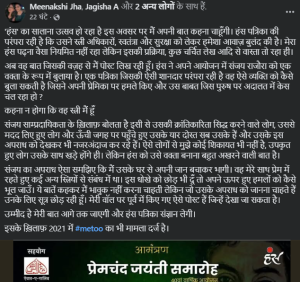
मीनाक्षी झा का आरोप है कि संजय राजौरा, जो साम्प्रदायिकता के खिलाफ बोलने के लिए जाने जाते हैं, वह आदमी निजी जीवन में अपरधी है। मीनाक्षी के अनुसार संजय ने उनकी जिंदगी में गंभीर अपराध किए, जिसमें उन पर हमले और कई महिलाओं के साथ एक साथ संबंध रखना शामिल है।

मीनाक्षी का दावा है कि वह संजय के घर से अपनी जान बचाकर भागीं, और उनके खिलाफ #MeToo के तहत 2021 में मामला भी दर्ज है। यह गंभीर आरोप संजय की सार्वजनिक छवि, जो एक प्रगतिशील और क्रांतिकारी व्यक्ति की है, के विपरीत है। हंस पत्रिका द्वारा उन्हें वक्ता के रूप में आमंत्रित करना मीनाक्षी को ‘अखरने वाली बात’ लगती है, क्योंकि यह एक ऐसे व्यक्ति को मंच देना है, जिसके खिलाफ गंभीर आरोप हैं।
साम्प्रदायिक शक्तियों से कथित तौर पर लड़ने वालों के बीच से आई यौन हिंसा की यह कहानी नई बात नहीं है। नया सिर्फ इतना है कि उसे मीनाक्षी दर्ज कराने का साहस जुटा रहीं हैं। कथित तौर पर साम्प्रदायिक शक्तियों से लड़ने वालों के बीच बहुत से मामले तो दबा दिए जाते हैं, साम्प्रदायिक शक्तियों का भय दिखाकर।

उमर राशिद के खिलाफ आरोप और साम्प्रदायिकता का भय

हाल के एक मामले में, एक महिला ने द वायर से जुड़े स्वतंत्र पत्रकार उमर राशिद पर बलात्कार, यौन उत्पीड़न, शारीरिक और मानसिक हिंसा, और जबरन गोमांस खाने जैसे गंभीर आरोप लगाए हैं। यह आरोप एक सोशल मीडिया पोस्ट के माध्यम से सामने आए, जिसमें पीड़िता ने विस्तार से बताया कि राशिद ने अपनी पत्रकारीय स्थिति का दुरुपयोग कर उसे रिश्ते में फंसाया और फिर हिंसा व अपमान का शिकार बनाया। विशेष रूप से, उसने यह भी उल्लेख किया कि राशिद ने उसकी हिंदू पहचान को निशाना बनाते हुए उसे गोमांस खाने के लिए मजबूर किया, जो उसके सांस्कृतिक और व्यक्तिगत विश्वासों के खिलाफ था।

पीड़िता ने अपनी पोस्ट में यह स्पष्ट किया कि वह नहीं चाहती कि उनके मामले को साम्प्रदायिक रंग दिया जाए, लेकिन उन्होंने यह भी कहा कि राशिद ने उनकी गैर-मुस्लिम पहचान का बार-बार जिक्र करते हुए उन्हें चुप रहने के लिए दबाव डाला। उन्होंने यह भी बताया कि उन्हें साम्प्रदायिक शक्तियों, विशेष रूप से ‘हिंदुत्व ब्रिगेड’ के संभावित प्रतिक्रिया का भय दिखाया गया, ताकि वह चुप रहें। यह दबाव, जैसा कि आपने उल्लेख किया, साम्प्रदायिकता के खिलाफ लड़ने वाली शक्तियों द्वारा बनाया गया, जिसने उन्हें यह विश्वास दिलाने की कोशिश की कि उनकी शिकायत से साम्प्रदायिक ताकतें मजबूत होंगी। यह एक गंभीर नैतिक और सामाजिक सवाल उठाता है: क्या साम्प्रदायिकता के खिलाफ लड़ाई के नाम पर यौन हिंसा के पीड़ितों की आवाज को दबाना उचित है?

साम्प्रदायिकता और यौन हिंसा का अंतर्संबंध

उमर राशिद के मामले में, पीड़िता ने स्पष्ट रूप से कहा कि वह नहीं चाहती कि उनकी कहानी को साम्प्रदायिक रंग दिया जाए, लेकिन यह भी स्वीकार किया कि राशिद ने उनकी हिंदू पहचान का इस्तेमाल उन्हें डराने और चुप कराने के लिए किया। यह एक दोहरी मार है: एक ओर, पीड़िता को हिंसा का सामना करना पड़ता है, और दूसरी ओर, साम्प्रदायिकता का भय दिखाकर उनकी आवाज को दबाने की कोशिश की जाती है। यह दर्शाता है कि साम्प्रदायिकता के खिलाफ लड़ने वाली कुछ शक्तियां, जो खुद को प्रगतिशील और धर्मनिरपेक्ष कहती हैं, अनजाने में या जानबूझकर यौन हिंसा के पीड़ितों को चुप कराने में योगदान दे रहीं हैं।

हंस पत्रिका के आयोजन और नैतिक जवाबदेही

मीनाक्षी झा ने संजय राजौरा को हंस पत्रिका द्वारा उन्हें वक्ता के रूप में आमंत्रित करने पर आपत्ति जताई है। यह मामला भी उसी तरह की नैतिक जवाबदेही के सवाल उठाता है। संजय राजौरा, जो साम्प्रदायिकता के खिलाफ बोलने के लिए जाना जाता है, पर उस पर गंभीर व्यक्तिगत आरोप हैं, फिर भी उसे एक प्रतिष्ठित मंच पर स्थान दिया जा रहा है। यह सवाल उठता है कि क्या प्रगतिशील विचारधारा के नाम पर व्यक्तिगत अपराधों को नजरअंदाज किया जाना चाहिए?

क्या एक मंच को उन व्यक्तियों को आमंत्रित करना चाहिए, जिनके खिलाफ सार्वजनिक रूप से गंभीर आरोप लगे हैं, खासकर जब मामला अदालत में विचाराधीन हो? यह सवाल पत्रिका की विश्वसनीयता और जवाबदेही को प्रभावित करता है। हंस को यह सुनिश्चित करना चाहिए कि उनके मंच पर आने वाले व्यक्तियों का चरित्र और सार्वजनिक आचरण उनके मूल्यों के अनुरूप हो। संजय को मंच देना, बिना उनके खिलाफ आरोपों की जांच के, पीड़ितों की आवाज को कमजोर करने और #MeToo जैसे आंदोलनों की विश्वसनीयता को नुकसान पहुंचाने का जोखिम उठाता है।

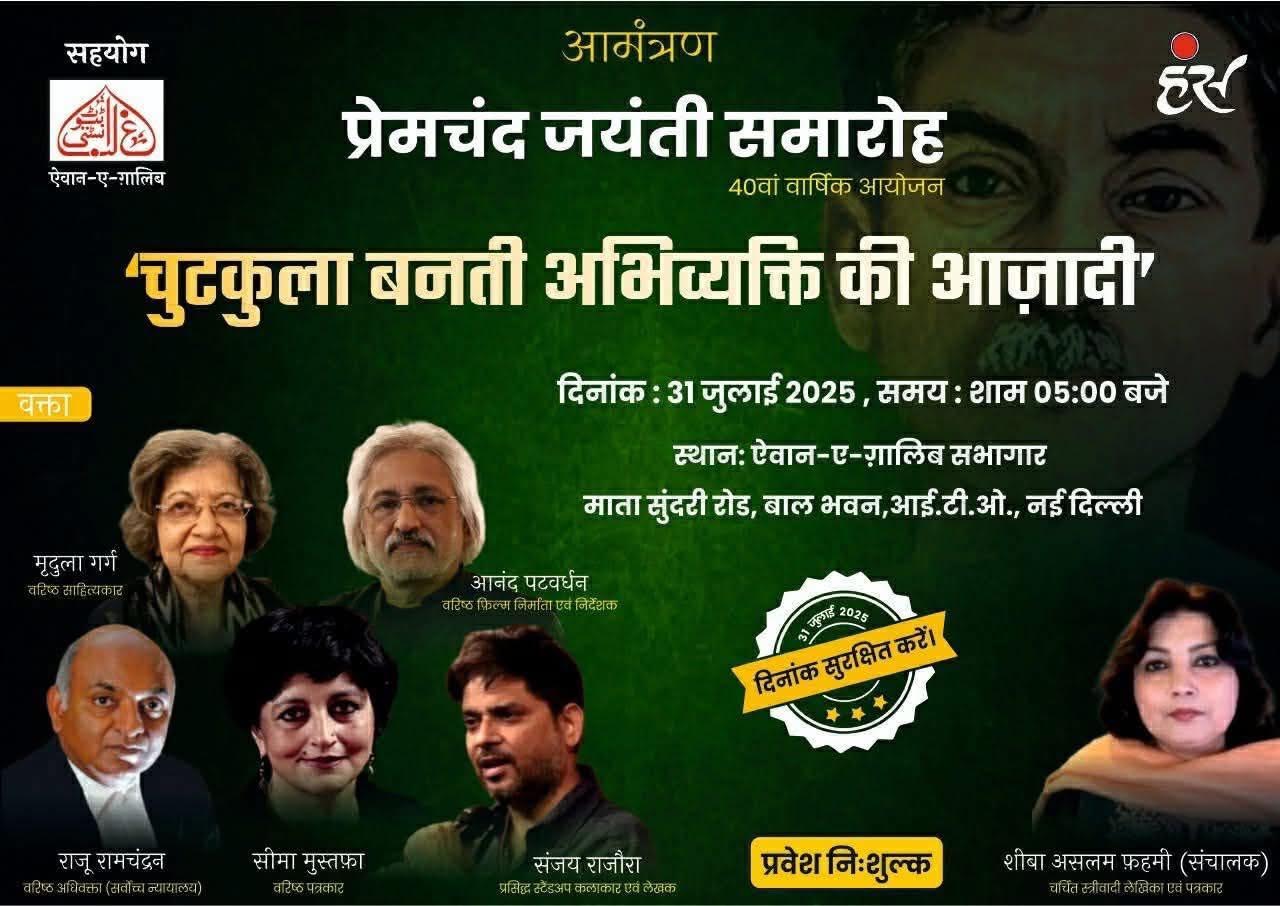
आनंद पटवर्धन, सीमा मुस्तफा, राजू रामचंद्रन, मृदुला गर्ग, और शीबा असलम फहमी की संजय राजौरा के बहिष्कार को लेकर कोई नैतिक जवाबदेही नहीं बनती? क्या ये सभी संजय के साथ मंच साझा करते हुए सहज रह पाएंगे? हंस पत्रिका को, जैसा कि मीनाक्षी ने मांग की है, संजय के खिलाफ आरोपों का संज्ञान लेना चाहिए और मामले की जांच करनी चाहिए।
The Clash of Authority in Bihar’s Gundaraj Narrative

2-1-17.jpeg

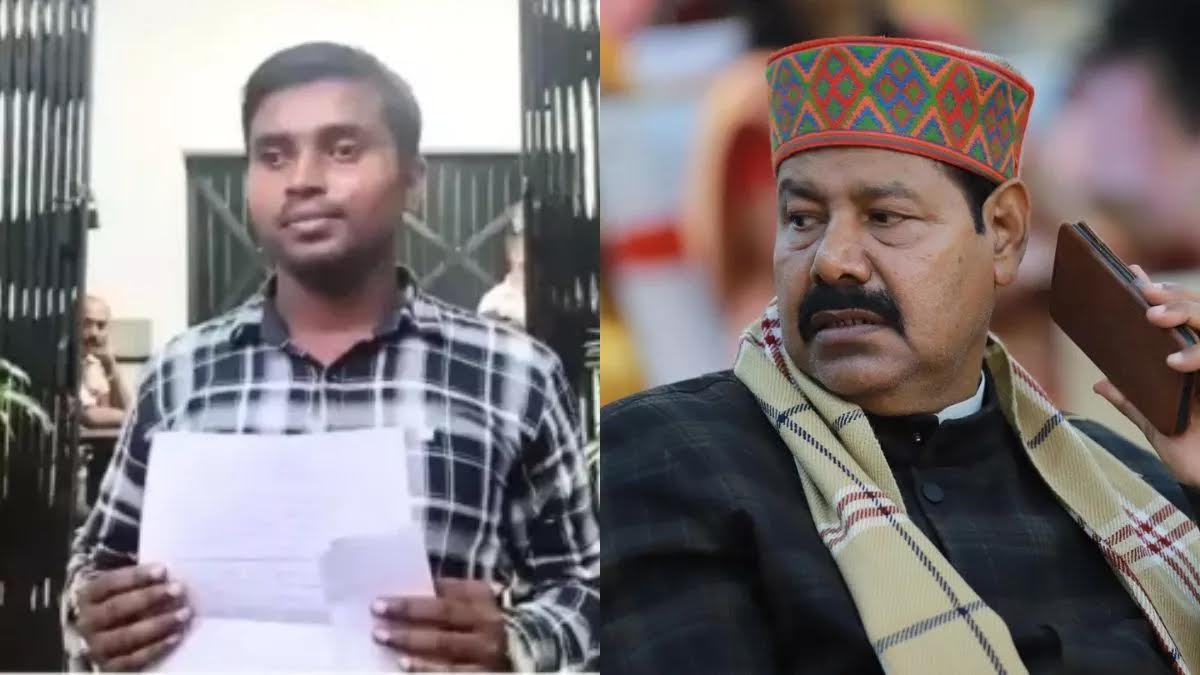
Patna : The conversation between the Panchayat Secretary, Sandeep Bharti, and RJD MLA Bhai Virendra, as heard in the viral audio from the YouTube link, revolves around a heated exchange over the issuance of a death certificate. Below, provide a verbatim transcription of the conversation based on the audio, followed by a logical analysis of their language, tone, and the implications of the interaction. The transcription is translated into English for clarity, maintaining the essence of the original Hindi/Bhojpuri dialogue, as the audio is in a regional dialect.

Verbatim Transcription (Translated from Hindi/Bhojpuri to English.)

Sandeep Bharti (Panchayat Secretary) :Hello, tell me, MLA sir?
Bhai Virendra (RJD MLA): Who is this? Don’t you recognize my voice?

Sandeep Bharti: Sir, I don’t recognize voices over the phone. Please tell me who this is.
Bhai Virendra: This is Bhai Virendra, MLA. You don’t recognize my voice?

Sandeep Bharti: Sir, I don’t recognize voices like that. Please tell me what the matter is.
Bhai Virendra: What do you mean you don’t recognize my voice? I’m Bhai Virendra, MLA! There’s a death certificate issue in the village. A woman came to me saying it’s been days, and you haven’t issued it. What’s going on?

Sandeep Bharti: Sir, please provide the details of the case. Many applications come to us. I’ll check the status and let you know.

Bhai Virendra: You’re talking about checking? I’m telling you it’s urgent! The woman came crying to me. You think you can sit there and delay things? I’ll have you dragged out and beaten with shoes!

Sandeep Bharti: Sir, please don’t talk like that. There’s a protocol we follow. Applications are processed in order, and I can’t jump the queue just because someone went to you. Provide me the details, and I’ll look into it immediately.

Bhai Virendra: Protocol? What protocol? You think you’re bigger than an MLA? I’m telling you to get it done, and you’re giving me lectures? I won’t transfer you; I’ll do something else! Sandeep Bharti: Sir, I’m doing my job. Threats won’t help. If there’s an issue, give me the name and application number, and I’ll resolve it. I’m not scared of threats.

Bhai Virendra: You’re not scared? You’ll see what happens! I’ll make sure you regret this! Sandeep Bharti: Sir, I respect your position, but I have a process to follow. Please cooperate, and I’ll handle it as per the rules.

Bhai Virendra: Rules? You’re teaching me rules? Just wait and watch! (The conversation ends abruptly with Bhai Virendra hanging up.)

Note: The transcription is based on the audio from the YouTube link. The exact wording may vary slightly due to regional dialect nuances, but the essence is captured accurately.

Logical Analysis of Language and Tone

Sandeep Bharti (Panchayat Secretary):

Language: Bharti’s language is formal, respectful, and procedural. He addresses Virendra as “MLA sir,” indicating an acknowledgment of the MLA’s position. His responses emphasize adherence to protocol, requesting specific details (e.g., name, application number) to process the request efficiently.


Tone: Bharti maintains a calm and professional tone, even when faced with aggression. His insistence on protocol reflects a commitment to bureaucratic fairness and transparency. When threatened, he firmly but respectfully asserts that threats won’t expedite the process, showing resilience without escalating the conflict.

Intent: Bharti’s intent is to uphold the administrative process and avoid favoritism. His request for details suggests a willingness to resolve the issue, provided it follows the standard procedure. His language avoids personal attacks, focusing on the task at hand.

Bhai Virendra (RJD MLA):

Language: Virendra’s language is authoritative, aggressive, and laced with entitlement. He uses phrases like “I’ll have you dragged out and beaten with shoes” and “You’ll see what happens,” which are direct threats. His repeated emphasis on his identity as an MLA (“Don’t you recognize my voice?”) indicates a reliance on his political status to assert dominance.

Tone: Virendra’s tone is confrontational and intimidating from the outset. His frustration escalates quickly when Bharti doesn’t immediately comply or recognize his voice. The use of threats and dismissive remarks about “protocol” suggests an attempt to bypass bureaucratic norms through intimidation.

Intent: Virendra’s intent appears to be to expedite the death certificate process for a constituent, likely to reinforce his influence in his constituency. However, his approach prioritizes personal authority over institutional processes, reflecting a power dynamic where he expects immediate compliance due to his status.

Is This Reflective of RJD’s ‘Gundagardi’ (Hooliganism)?

The term “gundagardi” (hooliganism) is often associated with the Rashtriya Janata Dal (RJD) in political discourse, particularly by opponents, to describe behavior perceived as bullying or coercive. In this context, Bhai Virendra’s conduct—threatening a public servant with physical violence (beaten with shoes) and implying further consequences (I’ll do something else)-aligns with the stereotype of ‘gundagardi.’ This behavior reflects an abuse of power, where an elected representative uses threats to bypass due process, undermining the rule of law.However, labeling this solely as ‘RJD’s gundagardi’ risks oversimplification:

On One Hand: Virendra’s actions fit the narrative of political strong-arming, which critics associate with RJD’s historical reputation for strongman tactics, especially in Bihar’s political landscape. The audio, as highlighted in X posts, has fueled public outrage, with users framing it as indicative of RJD’s arrogance when out of power, implying worse behavior if in power.

On the Other Hand: This incident is specific to Bhai Virendra’s actions and does not necessarily represent the entire RJD party. Bharti’s response, as noted in X posts, suggests he stood his ground, and Virendra later expressed regret for his ‘harsh words,’ indicating some acknowledgment of overstepping. Painting the entire party with the same brush may reflect political bias rather than a fair assessment.

The conversation between Sandeep Bharti and Bhai Virendra reveals a stark contrast in approach: Bharti’s professionalism and adherence to protocol versus Virendra’s aggressive entitlement and threats. Bharti’s calm insistence on process demonstrates bureaucratic integrity, while Virendra’s language-marked by threats of violence and dismissal of procedure—reflects an attempt to wield political power coercively.

Whether this constitutes “RJD’s gundagardi” depends on perspective: it certainly aligns with the stereotype of strongman politics associated with some RJD leaders, as echoed in public sentiment on X. However, attributing it solely to the party ignores individual accountability and the broader context of political culture in Bihar. Virendra’s behavior is a clear overreach, undermining democratic norms, but it’s more reflective of personal conduct than a definitive party trait.

वंश का बोझ, बहस का रोग

2-3-2.png

राहुल बाबा, आह! फिर वही पुराना राग, वही ढपली, वही ताल। समझते क्यों नहीं, बाबा? वंशवादी राजनीति का सोने का पालना तो मिल जाता है, मगर खुली बहस में  रणभूमि में टिकने का जिगर चाहिए, जो आप में शायद छठी पीढ़ी तक भी नहीं उगा।
 सत्ता के दरवाज़े तक तो दादी-नानी की मेहरबानी और मम्मी की उंगली पकड़कर पहुँच गए, लेकिन जब हिसाब-किताब का वक्त आता है, तो चेहरा लटक जाता है, जैसे कोई बच्चा होमवर्क भूल आया हो।  

भाई अनुपम मिश्र ठीक कहते हैं, तुम दिन-रात सावरकर को कोसते हो, जैसे वो तुम्हारे पारिवारिक खजाने का इकलौता विलेन हों। लेकिन जरा नेहरू की बात छेड़ो, तो “अरे, वो तो पुरानी बात है!” कहकर पल्ला झाड़ लेते हो। इंदिरा को आयरन लेडी का तमगा दे दोगे, मगर शिमला समझौते की बात पर मुँह में दही जम जाता है। और हाँ, मोदी के बचपन की चाय की दुकान तक तो खोद डालते हो, लेकिन सोनिया जीके पुराने दिन? अरे बाबा, वो तो पवित्र गंगा का जल है, उसे कौन छूए!  राहुल बाबा, तुम कहते हो कि तुम “सत्ता के बीचो-बीच” पैदा हुए। वाह, क्या बात! मगर यही तो तुम्हारी सबसे बड़ी कमज़ोरी है। सत्ता का सिल्वर स्पून मुँह में लेकर पैदा हुए, तो ज़मीन की धूल-मिट्टी का स्वाद क्या जानो?

ज़मीनी राजनीति की समझ होती, तो हर हफ्ते संसद में मोदी-शाह को ललकारने की नौटंकी न करते। क्या फायदा? दो धुरंधर खिलाड़ी सामने खड़े हैं, जिनके पास न सिर्फ़ तर्क हैं, बल्कि जनता काभरोसा भी है। तुम बार-बार उनसे भिड़ते हो, और हर बार छह पीढ़ियों की छीछालेदर करवा के घर लौटते हो।  बाबा, सलाह मानो। अपने मंच पर चढ़ो, चार गालियाँ बक दो, दरबारियों की तालियाँ बटोर लो, और चुपके से घरजाओ। ये बार-बार की भिड़ंत तुम्हारे बस की नहीं। 

वंश का बोझ ढोना आसान नहीं, और जब हर बहस में दादा-परदादा का हिसाब माँगा जाता है, तो  “मैं सत्ता में पैदा हुआ” वाला तुम्हारा दम्भ अधिक समय तक टिकता भी नहीं। तुम्हारे पास कोई जवाब होता  नहीं। तुम्हारा दम घुटने लगता है, सांस उखड़ जाती है। समझे, बाबा! 

The Untold Horror: The Chitpavan Brahmin Massacre of 1948

2-2-3.png

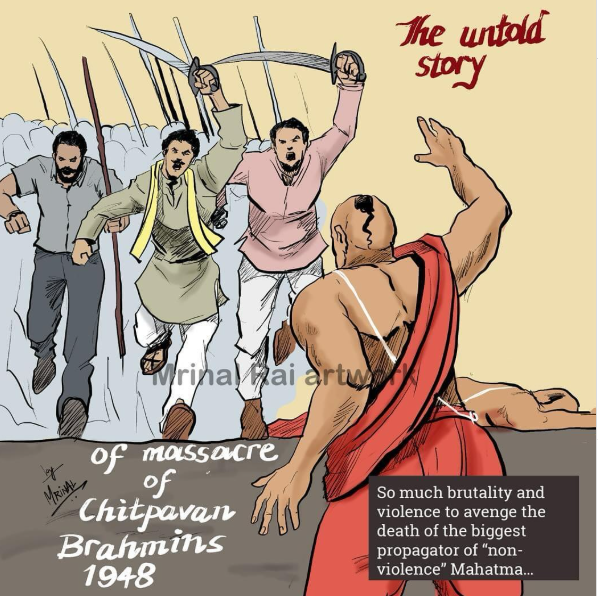
Mumbai : On the evening of January 30, 1948, as the sun dipped below the horizon in New Delhi, a gunshot shattered the fragile peace of a newly independent India. Mahatma Gandhi, the apostle of non-violence, lay dead, struck down by Nathuram Godse, a Chitpavan Brahmin from Maharashtra. The news spread like wildfire, igniting a nation already teetering on the edge of chaos after the bloody partition of 1947. But what followed in the days after Gandhi’s assassination was not just grief—it was a descent into a nightmare so horrific, so meticulously erased from history, that it remains one of India’s darkest secrets: the massacre of thousands of Chitpavan Brahmins in Maharashtra. This was no spontaneous outburst of rage; it was a calculated pogrom, orchestrated by those who claimed to uphold Gandhi’s legacy of peace and Jawaharlal Nehru’s vision of a secular India. The irony is gut-wrenching—Gandhians and Nehruvians, the supposed torchbearers of non-violence and unity, unleashed a wave of terror that drowned an entire community in blood.

The spark was Godse’s act. A man driven by his own convictions, he pulled the trigger, believing Gandhi’s policies had weakened India. But his bullet did more than end a life—it unleashed a tsunami of vengeance that swept across Maharashtra. Within hours, the news of Gandhi’s death reached the towns and villages of Pune, Satara, Kolhapur, and beyond. Mobs, armed with kerosene cans, iron rods, and machetes, descended upon Brahmin neighborhoods. They weren’t just angry; they were organized, fueled by a venomous narrative that painted every Chitpavan Brahmin as complicit in Gandhi’s murder. The streets turned into a slaughterhouse. Homes were torched, their inhabitants dragged out and butchered. Women were raped, children hacked to pieces, and entire families erased in a frenzy of violence that lasted for days. In Satara alone, over 1,000 homes were reduced to ashes, their owners either dead or fleeing for their lives. The unofficial death toll, as whispered by survivors and later documented by a few brave voices, ranged from 5,000 to 8,000—numbers so staggering they defy comprehension.

The horror was not random. It was a meticulously planned pogrom. In an era without social media or even widespread telephone access, how did mobs across Maharashtra know exactly where Chitpavan Brahmins lived? How did they assemble so swiftly, armed with weapons and fueled by a unified hatred? The answer lies in the complicity of those in power. Congress workers, alongside local Maratha, Jain, and Lingayat groups, were reported to have led the charge. Dwarka Prasad Mishra, a senior Congress leader, later admitted in his memoirs to the involvement of Congressmen in the violence, describing it with chilling nonchalance. Lorries owned by Congress supporters ferried mobs to Brahmin homes, ensuring no corner of Maharashtra was spared. The police, overwhelmed or unwilling, stood by as the carnage unfolded. In Nagpur, when fire brigades arrived to douse the flames engulfing Brahmin properties, mobs forced them to retreat. The state machinery, under the watchful eye of Nehru’s Congress, either turned a blind eye or actively facilitated the slaughter

The Chitpavan Brahmins were no ordinary community. They were the backbone of the Maratha Empire, the Peshwas who had once challenged Mughal and British rule. Leaders like Lokmanya Tilak, Gopal Krishna Gokhale, and Veer Savarkar hailed from their ranks, their names synonymous with India’s fight for freedom. Yet, their prominence made them targets. Historical rivalries with other castes, particularly the Marathas, simmered beneath the surface, and Gandhi’s assassination provided the perfect pretext to settle old scores. The mobs didn’t just target those named Godse; they attacked anyone with a Brahmin surname, anyone who bore the mark of Chitpavan identity. In Kolhapur, the studio of renowned filmmaker Bhalji Pendharkar, a Karhade Brahmin, was reduced to rubble. In Satara, Arvind Kolhatkar, a survivor, recounted how his family’s printing press and typewriter were destroyed, ensuring they could neither read nor write if they survived. The violence was not just about killing—it was about erasing a community’s legacy, their voice, their very existence

What makes this massacre even more chilling is the silence that followed. The Indian media, under the sway of the Congress government, barely whispered about the atrocities. While foreign newspapers like The New York Times reported initial killings in Bombay—15 on the first day alone—the Indian press remained eerily mute. The Times of India and Hindustan Times, giants of the era, focused on Gandhi’s martyrdom and national mourning, relegating the Brahmin massacre to obscurity. Editorials called for unity and peace, but none dared to confront the bloodbath in Maharashtra. This was no accident. The Congress government, keen to consolidate power in a fractious new nation, had every reason to suppress a narrative that exposed its complicity. Historians like Maureen L.B. Patterson, researching decades later, were denied access to police files on the 1948 riots, a clear sign of a deliberate cover-up. The voices of the victims—those who lost homes, loved ones, and livelihoods—were silenced, their pain buried under the weight of a sanitized national narrative.

The irony is suffocating. Gandhi, who preached non-violence, became the catalyst for a massacre carried out in his name. His followers, the so-called Gandhians, betrayed his ideals by wielding machetes and torches against innocent Brahmins. Nehru, the architect of modern India, stood at the helm as his party’s workers orchestrated a genocide that rivaled the horrors of partition. The same Congress that condemned Godse as a terrorist turned a blind eye to the terror it unleashed. And the media, which today some call “Godi” for its perceived subservience to power, was no different then. Under Congress’s influence, it buried the truth, ensuring that the first massacre of independent India remained a forgotten footnote. The term “Godi media” may be modern, but the phenomenon of a pliant press was born in those blood-soaked days of 1948.

Among the most heart-wrenching stories is that of Veer Savarkar’s family. Savarkar, a towering figure in the Hindu nationalist movement, was falsely implicated as a co-conspirator in Gandhi’s murder. His brother, Narayan Rao Savarkar, was stoned to death by a mob in Pune, his body left to rot as a warning to others. The Savarkar family’s properties were looted and burned, their legacy desecrated. Across Maharashtra, Brahmin families faced similar fates. In Aundh, the violence spanned 300 districts, with entire villages razed. Women were violated in the streets, their screams drowned out by the roar of flames. Children, too young to understand caste or politics, were cut down without mercy. The survivors, those who fled with nothing but the clothes on their backs, carried scars that would never heal. They became refugees in their own land, their dreams of a free India shattered by the very forces that claimed to build it.

The massacre’s scale is staggering, yet its erasure is even more so. Official records are scarce, and estimates of the death toll vary widely, from 1,000 to 8,000. The lack of documentation is no accident; it is the hallmark of a state intent on rewriting history. While the 1984 anti-Sikh riots are rightly remembered as a national tragedy, the 1948 Brahmin massacre remains shrouded in silence. No justice was served, no perpetrators punished. The Congress government, quick to canonize Gandhi as a martyr, ensured that the blood of thousands of Brahmins would never stain its legacy. Even today, political leaders in Maharashtra exploit anti-Brahmin sentiment for votes, a grim echo of the hatred that fueled the pogrom.

This is the untold story of independent India’s first massacre-a tale of betrayal, bloodshed, and a cover-up so complete that it haunts the nation’s conscience. The Chitpavan Brahmins paid the ultimate price for one man’s act, their suffering erased to protect the myth of a peaceful transition to independence. The Gandhians and Nehruvians, cloaked in the rhetoric of non-violence and secularism, orchestrated a genocide that exposed the fragility of their ideals. As the flames of 1948 died down, they left behind not just ashes, but a wound that festers in silence, a reminder that even in a free India, some truths are too horrific to be told.

Reference :

https://www.firstpost.com/opinion/how-nehruvian-congress-manipulated-mahatma-gandhis-assassination-to-emasculate-hindu-nationalism-10961811.html

The untold story of the massacre of 5000 Chitpavan Brahmins by Congress goons

The untold story of Maharashtrian Brahmin genocide committed by Congress after Gandhi’s assassination in 1948

The Brahmin Files: Independent India’s First Political Genocide

It is about time we talk about the 1948 genocide of Maharashtrian Brahmins that followed M K Gandhi’s assassination

scroll to top