
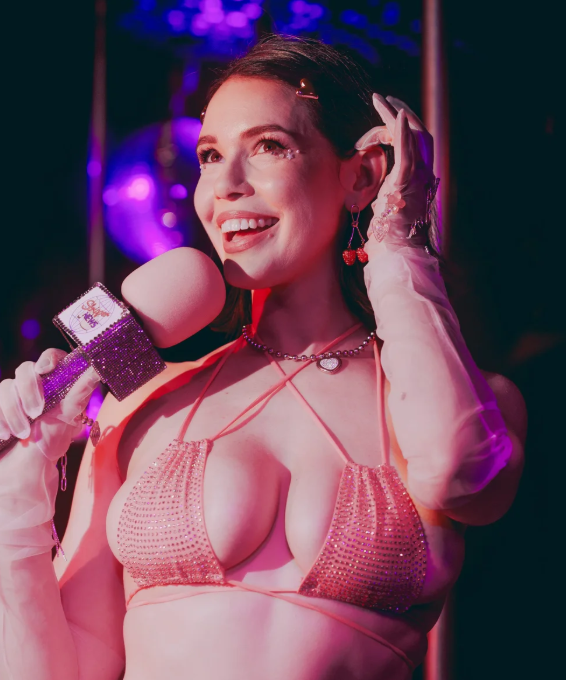
Zena
Delhi : In the digital age, social media platforms have transformed sex work from street corners and shadowy backrooms into accessible online spaces. Platforms like Twitter (now X), Instagram, OnlyFans, and Reddit allow sex workers to share personal narratives, build communities, market services, and challenge stereotypes. These stories reveal a complex reality: empowerment alongside precarity, connection amid isolation, and resilience in the face of stigma and platform policies.
Many sex workers describe social media as a lifeline for financial independence and self-expression. One non-binary creator, who attended an Ivy League school, began selling underwear online to cover tuition and rent. “I needed extra income and figured it could be something kind of anonymous,” they shared. Expanding to sexting and companionship via Instagram, FetLife, Seeking Arrangements, Kik, Twitter, and Tumblr, they connected with clients ranging from college students to 70-year-olds. This shift offered control over their body and boundaries, especially as someone who didn’t strongly identify with their physical form.
Online platforms also enable intimate, everyday sharing beyond explicit content. Cortana Blue, an escort, sells access to her real life through social media. Fans pay not just for nudity but for chats, shopping trips, bad jokes, and glimpses of her pets. “You get to chat with me whenever you want,” she explained, highlighting how fans crave genuine connection. Similarly, creators on OnlyFans often blend personal updates with content, turning subscribers into a pseudo-community. One performer noted how fans engage with goofy videos, cosplay, or daily quirks, making the work feel more relational than transactional.
Yet these stories also expose harsh challenges. Platform policies frequently penalize sex workers. Instagram’s updated terms have cracked down on solicitation, forcing creators to use coded language—like “only flans” for OnlyFans—or shift promotion to Twitter and Reddit. One creator lost accounts after indirect ads, waking up daily fearing deletion. “Instagram has made it clear they don’t like that,” a curvy, LGBTQ+ worker said, describing the constant anxiety of shadowbans and revenue drops.
Personal disclosures carry emotional weight. Some recount using sex work to explore sexuality after strict upbringings, gaining confidence and empowerment. “Sex work has been a wonderful experience for me,” one shared, crediting it with overcoming inhibitions. Others highlight vulnerabilities: loneliness among clients seeking human touch, or the mental toll of constant online presence blurring work and personal life. One former OnlyFans creator stopped masturbating for months after quitting, as the act became commodified.
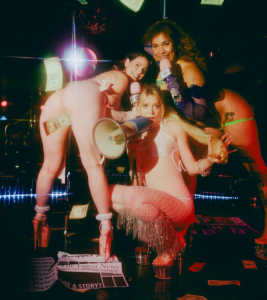
Survival stories vary widely. Trans women often enter sex work due to limited options, while others adapt during crises like COVID-19 by sharing experiences on Twitter. Activist Alisa Bernard, reflecting on her path into prostitution, emphasized healing through storytelling: “My story is my power.” She warns that online tools don’t guarantee safety, as objectification persists in reviews and interactions.
These unfiltered accounts humanize sex workers, countering narratives of universal exploitation or glamour. Social media amplifies diverse voices—some thriving through self-branding, others navigating precarity—but reveals systemic issues: hostile moderation, stigma, and the need for better protections. As one creator put it, the work demands thick skin against harassment while offering autonomy in a world that often silences such stories.
In sharing openly, sex workers reclaim narratives, fostering solidarity and pushing for recognition of their labor as valid and multifaceted.