
The court clarified that Umar Khalid and Sharjeel Imam played a ‘central and orchestrating’ role in the conspiracy, whereas the other accused had only an assisting or secondary role. This decision came amid serious charges under the Unlawful Activities (Prevention) Act (UAPA), where the riots were regarded as a well-planned attack on India’s sovereignty and integrity.
Prominent lawyers represented the accused during the hearings. Senior advocates Kapil Sibal and Trideep Pais argued for Umar Khalid, Abhishek Manu Singhvi represented Gulfisha Fatima, Salman Khurshid also participated in the arguments, while Siddharth Dave appeared for Sharjeel Imam. The involvement of these high-profile lawyers brought the case into the national and international spotlight.
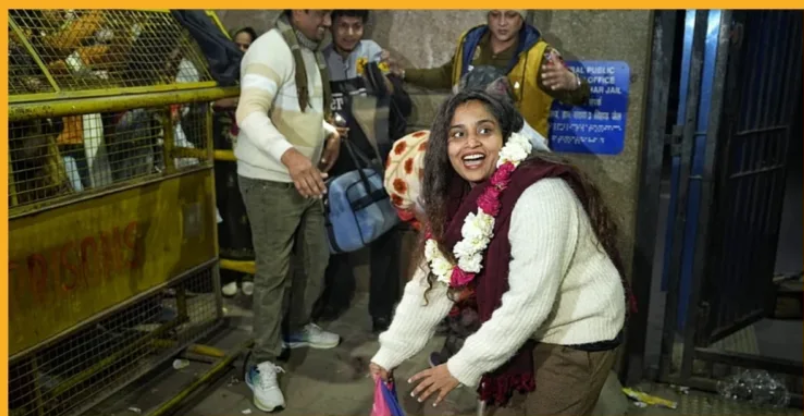
Following the verdict, celebratory scenes erupted in some places. Sweets were distributed, slogans were raised, and festivities spread across social media. Particularly after Gulfisha Fatima’s release from Tihar Jail on January 7, 2026, crowds gathered outside the prison. Flowers, garlands, roses, and religious slogans were chanted. Women in burqas and men with long beards celebrated it as if it were a major victory.
Some described this as a hero’s welcome, which is being seen as shameful and anti-national for individuals accused in a riot conspiracy. According to the police chargesheet, Gulfisha Fatima was involved in the Jaffrabad Metro station blockade, mobilizing women and children, inciting through WhatsApp groups, stockpiling chili powder, acid, and sticks, and funding activities. Yet, she received a hero-like reception, which highlights a certain mindset prevalent in society.
Victim families called the celebrations ‘unfortunate.’ They said it increases the threat to witnesses and could reignite violence. Hari Singh Solanki, whose 26-year-old son Rahul Solanki (an LLB student) was shot dead while going to buy milk, said emotionally, “If my son’s killers are out, who do we ask for justice? The main accused are in jail, fine, but how have those who pulled the trigger come out? If justice isn’t possible, then hang us too—at least the pain will end.”
Similarly, the family of 15-year-old Nitin Sugarth is in shock. Nitin had stepped out for fast food, but the riots took his life. Families fear that bail will increase pressure on witnesses and make justice harder.
On one side, victim families are shedding tears of blood demanding justice; on the other, a letter written by New York’s newly elected Mayor Zohran Mamdani to Umar Khalid (in December 2025) is sparking international debate. On one hand, a father’s broken heart; on the other, foreign political support.
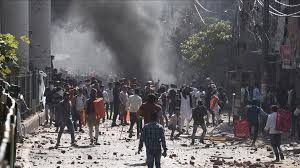
Protests against CAA-NRC in February 2020 turned violent. In Northeast Delhi areas, 53 people were killed-including women, children, and the elderly-and hundreds were injured. Police investigations revealed it was not spontaneous but a premeditated conspiracy. WhatsApp groups, digital communications, and organized resources fueled the violence. The police described it as an ‘attack on India’s sovereignty,’ leading to hundreds of arrests under UAPA.
The court differentiated based on roles. There is a strong prima facie case against Umar Khalid and Sharjeel Imam—they were the ‘central orchestrators’ of the conspiracy. The other five were described as having an ‘assisting’ role, so they received bail with strict conditions (surrendering passports, no social media posts, no contact with witnesses). Umar Khalid and Sharjeel may file fresh pleas after one year. This decision provides some relief to victims that the main conspirators remain in jail.
The Supreme Court’s verdict is a step toward justice, but the wounds of the riots are still fresh. Those celebrating the bails are enemies of the nation’s unity. The country must condemn such elements. Victims deserve a thorough investigation, a fair trial, and strict punishment.
Those celebrating should remember—lost lives will not return, but justice can bring peace. Such celebrations must stop, otherwise division will grow. The truth of the 2020 Delhi riots is yet to fully emerge. Justice must prevail, not celebrations by conspirators. The pain of victims will continue until justice is served.