
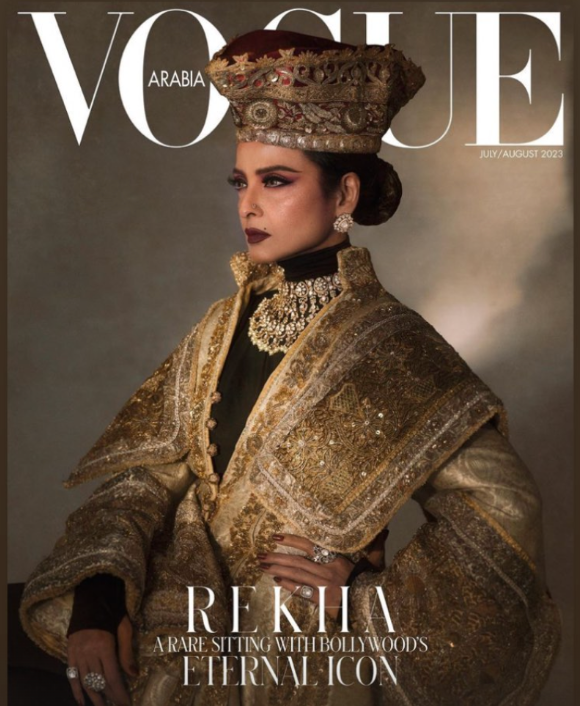

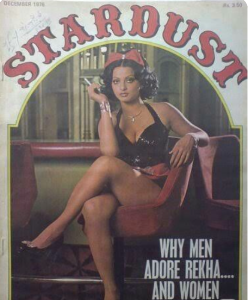
First, would a young Zeenat Aman go viral today? Unequivocally, yes—and spectacularly so. Born in 1951, Zeenat exploded onto screens in Hare Rama Hare Krishna (1971) as the free-spirited hippie Janice, a role that shattered the demure heroine mold. Her Westernized edge—bell-bottoms, bold lipstick, and that iconic “Chura Liya Hai Tumne” guitar-strum in Yaadon Ki Baaraat (1973)—made her Bollywood’s original sex symbol. At 20, she’d be the ultimate Gen-Z disruptor: think a desi version of Zendaya crossed with Billie Eilish, posting raw Reels of beach runs in barely-there bikinis (à la Qurbani, 1980) or lip-syncing to Bad Bunny remixed with Asha Bhosle. Her real-life Instagram debut at 71 in 2023 proved it—posts about “pretty privilege” and polyandry debates garnered 1.1 million followers overnight, sparking frenzy among millennials nostalgic for her unfiltered glamour. Today, a 20-year-old Zeenat would leverage TikTok trends like #OldMoneyAesthetic, recreating her Satyam Shivam Sundaram (1978) wet-saree look with sustainable twists, going mega-viral for body-positivity rants that echo her own reflections: “Physical beauty is meaningless without self-validation.” Her edge? Audacious authenticity. She’d call out trolls mid-live, turning scandals into stan moments, amassing 15-20 million followers by blending retro rebellion with modern feminism. People remember her for pioneering the “modern Indian woman”—independent, sensual, unafraid of judgment—transforming heroines from sidelined props to cultural revolutionaries. In an era of performative activism, her lived boldness (surviving a abusive marriage to Sanjay Khan, advocating consent in Insaaf Ka Tarazu, 1980) would make her a movement, not just a meme.
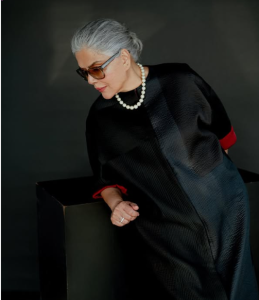
Rekha, however—ah, Rekha at 20-21 would be the slow-burn sensation that eclipses even Zeenat’s fireworks. Debuting in Sawan Bhadon (1970) as a “dark, plump, gauche” teen mocked for her South Indian roots, Rekha’s phoenix-like reinvention by her mid-20s turned her into Bollywood’s ultimate actor’s actor. Imagine her today: a mysterious Insta profile with cryptic poetry captions over black-and-white filters, teasing Umrao Jaan (1981)-style kathak dances in velvet anarkalis. Her virality wouldn’t stem from shock value but from hypnotic depth—Reels dissecting heartbreak in Ijaazat (1987) or revenge glow-ups like Khoon Bhari Maang (1988), where she slays her own “death” and returns fiercer. Social media thrives on relatability, and Rekha’s arc—from ridiculed outsider to National Award-winner—mirrors every aspiring influencer’s glow-up narrative. Clips of her Amitabh Bachchan chemistry in Silsila (1981) would spawn fan edits rivaling Taylor Swift’s Easter eggs, fueling “Rekha-core” trends: luminous skin routines, Urdu couplets as affirmations.
What endures about Rekha? Her versatility and vulnerability. Unlike Zeenat’s extroverted fire, Rekha internalized scrutiny, emerging as a “chameleonic” force who vanished into roles—from bubbly Khubsoorat (1980) mischief to the melancholic tawaif in Umrao Jaan, earning Filmfare’s nod as one of Bollywood’s “80 Iconic Performances.” She pioneered fitness and elocution in an industry that dismissed her, proving grit over glamour. Today, her privacy (no verified socials, rare sightings) amplifies mystique; throwbacks like her Kalyug (1981) Draupadi-inspired intensity go viral on Reddit, with Gen-Z hailing her as the original “method actor.” A young Rekha would post sparingly—poignant voice notes on self-love, Stories of yoga flows—but each drop would break the internet, drawing 20-25 million followers. Her edge? Emotional espionage. Fans wouldn’t just like; they’d obsess, decoding her silence like a K-drama.
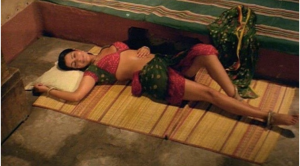
Comparatively, Zeenat wins on immediacy: her extroverted, trend-jacking style suits TikTok’s 15-second dopamine hits, pulling in casual scrollers via nostalgia edits (e.g., Don’s Roma as #BossBabe inspo). X (formerly Twitter) buzz around her 2025 health updates and film clips shows sustained heat—posts like her “clothing rights” debate rack up thousands of views. Rekha, though, dominates depth: her re-releases (Umrao Jaan in 2025) spark X threads on “timeless divas,” with fan cams hitting 10 million plays. Airport spats go viral not for drama, but discourse on aging icons’ boundaries. Zeenat’s feed feels like a party; Rekha’s, a private salon—inviting loyalty over likes.
Ultimately, Rekha would claim more followers. Her introspective aura fosters die-hard devotion in a superficial swipe-right world—think A-list cameos in The Archies (2023) or Alia Bhatt’s Umrao tributes fueling cross-gen hype. Zeenat’s fire draws the masses, but Rekha’s whisper commands the zeitgeist. Both would redefine “vintage” as vital, proving Bollywood’s golden girls were always ahead of the algorithm. In 2025, they’d not just go viral-they’d rewrite the code.
