The Hidden Cost of ‘Made in China’: A Tale of Exploitation and Reflection

Hilgers2-articleLarge.jpg.webp

Delhi : In a bustling market in New Delhi, Priya, a young entrepreneur, sifted through a pile of affordable electronics and clothing, all stamped with the familiar label: “Made in China.” The prices were unbeatable—smartphones for a fraction of what they’d cost elsewhere, trendy clothes that rivaled high-end brands, and gadgets that promised cutting-edge technology at a bargain. “This is why China is winning,” she thought, echoing the sentiments of many in India who admired China’s economic prowess. But as she held a sleek phone in her hand, a question lingered: How could something so sophisticated be so cheap? The answer, buried beneath the shiny packaging, was a story of exploitation that would challenge her admiration for China’s success.

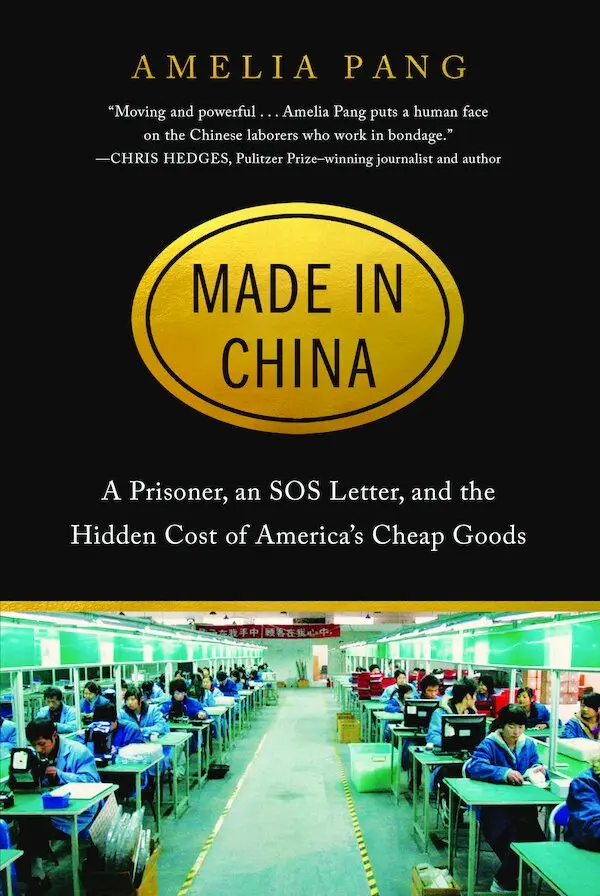
Across the border, in a sprawling factory in Shenzhen, China, 23-year-old Wei trudged through another 12-hour shift at an electronics assembly line. His hands moved mechanically, attaching components to circuit boards under harsh fluorescent lights. The air was thick with the smell of solder and chemicals, and the constant hum of machinery drowned out any chance of conversation. Wei was one of millions of Chinese workers fueling the global supply chain, producing the cheap goods that filled markets like Priya’s in India. But at what cost?

The Backbone of China’s Economic Miracle

China’s rise as the “world’s factory” is no accident. Its ability to produce vast quantities of affordable goods—electronics, textiles, toys, and more—has made it a global economic powerhouse. In 2023, China accounted for nearly 30% of global manufacturing output, exporting $3.6 trillion worth of goods. This success, however, rests on the backs of its workers, many of whom face grueling conditions that belie the country’s glossy image of progress.

Reports from organizations like China Labor Watch (CLW) and the International Labour Organization (ILO) paint a stark picture. Workers in China’s manufacturing hubs, such as the Pearl River Delta and Yangtze River Delta, often endure long hours, low wages, and unsafe conditions. A 2023 CLW report highlighted that workers in electronics factories faced “low basic salaries, excessive overtime, illegal use of student interns, hiring discrimination, and deception from labor brokers.” Many work 12- to 14-hour shifts, six or seven days a week, often without adequate breaks or overtime pay, in violation of China’s own labor laws, which stipulate a maximum of 8 hours per day and 44 hours per week.

Wei’s story is emblematic. A migrant from rural Hunan, he moved to Shenzhen seeking a better life. Instead, he found himself trapped in a cycle of exploitation. His monthly wage of 2,500 yuan (about $350 USD) barely covered his rent and food, forcing him to live in a cramped dormitory with eight others. Overtime was mandatory, and refusing it could cost him his job. “We are like oxen and horses,” Wei said, echoing a viral phrase used by Chinese workers on social media to describe their plight.

The Dark Side of Cheap Goods

The affordability of Chinese goods is directly tied to this labor model. Low wages and lax enforcement of labor laws allow manufacturers to keep production costs down, enabling companies like Shein, Temu, and global giants like Apple and Samsung to offer products at prices that dominate markets worldwide. For example, a 2024 report by the Business and Human Rights Resource Centre revealed that 83 major brands were implicated in supply chains linked to forced labor in Xinjiang, where Uyghur workers are coerced into factories under state-sponsored programs. These programs, often disguised as “poverty alleviation” or “vocational training,” involve transferring ethnic minorities to factories across China, where they face surveillance, restricted movement, and ideological indoctrination.

The use of forced labor is not limited to Xinjiang. Across China, factories rely on “dispatch labor” (workers hired through agencies) and student interns, who are often coerced into working long hours under the guise of educational programs. A 2020 U.S. Department of Labor report identified goods like textiles, electronics, and garments as being produced with forced labor, with supply chains extending to countries like Vietnam, where Chinese cotton is processed. This systemic exploitation ensures that the cost of production remains low, but it comes at a human cost that is rarely acknowledged by consumers marveling at bargain prices.

Back in Delhi, Priya’s friend Arjun, a labor rights activist, challenged her admiration for China’s economic model. “You’re praising their efficiency, but do you know what’s behind it?” he asked. He shared a report from China Labour Bulletin (CLB), which documented over 1,000 worker protests in 2023 alone, driven by unpaid wages, factory closures, and lack of severance pay. “These workers are treated as disposable. Is that the kind of progress we want to emulate?”

China’s Labor Laws: On Paper vs. Reality

China’s labor laws, on paper, appear robust. The Labor Contract Law of 2007 mandates written contracts, limits working hours, and ensures social insurance and severance pay. However, enforcement is weak. Local governments, keen on attracting investment, often turn a blind eye to violations to keep factories operational. The All-China Federation of Trade Unions (ACFTU), the country’s only legal union, is government-controlled and prioritizes stability over worker advocacy. As a result, workers have little recourse to address grievances, and independent labor organizations face harassment or closure.

The lack of enforcement is compounded by cultural and systemic factors. The “wolf culture” in Chinese workplaces—characterized by intense pressure to conform and work overtime—discourages workers from speaking out. For migrant workers like Wei, the hukou system, which ties social benefits to one’s place of origin, further limits access to healthcare, education, and legal protections in urban areas. This creates a vulnerable workforce, easily exploited by employers and brokers.

The Ethical Question: Are Workers Less Than Human?

The exploitation of Chinese workers raises a profound ethical question: Are workers being treated as less than human? The answer lies in the conditions they endure. Reports describe workers subjected to dehumanizing practices—forced overtime, wage theft, hazardous environments, and even detention in dormitories. In Xinjiang, Uyghur workers face additional layers of oppression, including mass surveillance and forced cultural assimilation. These practices reduce workers to mere tools of production, their well-being sacrificed for profit.

This dehumanization is not accidental but systemic, driven by a global demand for cheap goods. Multinational corporations, while claiming to uphold labor standards, often benefit from lax oversight in China’s supply chains. For instance, a 2024 investigation by The Bureau of Investigative Journalism linked over 100 global brands to factories using forced labor, with products reaching markets as far as India. Consumers, including those in India, indirectly perpetuate this cycle by prioritizing low prices over ethical considerations.

Priya was shaken by Arjun’s revelations. She began to see the phone in her hand not as a triumph of innovation but as a product of human suffering. “If we keep buying these goods, are we complicit?” she asked. Arjun nodded. “We can’t change the system overnight, but we can start by asking questions and demanding transparency.”

Lessons for India

For Indians who admire China’s economic ascent, the reality of its labor practices serves as a cautionary tale. India, with its own aspirations to become a manufacturing hub, faces similar pressures to attract investment by keeping labor costs low. However, replicating China’s model risks repeating its mistakes. India’s labor laws, while imperfect, offer protections like the right to unionize and a stronger framework for collective bargaining. Yet, enforcement remains a challenge, and informal workers—over 90% of India’s workforce—often lack basic protections.

China’s experience highlights the need for India to prioritize worker rights as it expands manufacturing. Strengthening labor inspections, supporting independent unions, and ensuring transparency in supply chains can prevent the kind of exploitation seen in China. Moreover, Indian consumers can play a role by supporting ethical brands and advocating for fair trade practices. As Arjun told Priya, “We don’t have to choose between development and dignity. We can demand both.”

Resistance and Hope

Despite the grim reality, Chinese workers are not passive victims. Strikes and protests have surged, with workers using social media to document abuses and demand justice. Organizations like CLB and CLW amplify these voices, pushing for reform despite government crackdowns. In the electronics sector, workers have organized collective bargaining efforts, as seen in the 2014 Yue Yuen strike in Dongguan, where thousands demanded better wages and conditions. These acts of resistance show that workers are reclaiming their humanity, refusing to be reduced to “oxen and horses.”

For Wei, hope came in the form of a small labor NGO that helped him file a complaint against his employer for unpaid wages. Though the process was slow, it gave him a sense of agency. “I want to work, but I also want to be treated like a person,” he said. His story, and those of millions like him, is a reminder that behind every “Made in China” label is a human being deserving of respect.

A Call to Action

Back in Delhi, Priya decided to act. She began researching ethical alternatives to Chinese goods, supporting Indian brands that prioritized fair labor practices. She also shared her findings with friends, sparking conversations about the true cost of cheap products. “We can’t ignore this anymore,” she told Arjun. “If we want a better future, we have to start valuing workers—here and in China.”

The story of China’s workers is a wake-up call for India and the world. The cheap goods that flood global markets come at a steep human cost, one that challenges us to rethink our priorities. Do we want a world where workers are treated as less than human, their labor exploited for profit? Or do we strive for a system that balances economic progress with dignity? The choice lies not just with governments and corporations but with consumers like Priya, whose decisions can shape a more just future.

Resource :

https://www.tandfonline.com/doi/full/10.1080/14747731.2016.1207934#d1e191

https://www.dol.gov/agencies/ilab/against-their-will-the-situation-in-xinjiang

https://www.law.berkeley.edu/article/working-conditions-the-persistence-of-problems-in-chinas-factories/

https://www.tandfonline.com/doi/full/10.1080/14747731.2016.1207934

Home

Labor Conditions in China’s Consumer Electronics Sector 

The hidden human costs linked to global supply chains in China

https://www.govinfo.gov/content/pkg/CHRG-112jhrg76387/html/CHRG-112jhrg76387.htm

https://www.rfa.org/english/news/china/workers-labor-rights-wages-oxen-horses-10022024163703.html

Labor Rights in China

वाराणसी में कांवड़ियों पर हुआ हमला

Kanwariyas-were-beaten-up-in-Varanasi-1_V_jpg-442x260-4g.webp

वाराणसी में बड़ौनी कला के रहने वाले पलटू यादव और शुभम यादव जंसा शिवमन्दिर कावड़ लेके जा रहे थे जल चढ़ाने राजातालाब रेलवे फाटक के पास 10,12 मुसलमानों रुकवा के नाम पूछा और बोले, बोल बम का नारा यहां क्यों लगा रहे हो, उसके बाद बोले अल्लाह हो अकबर बोलो और इस्लाम कबूल कर लो, जब शुभम ने विरोध किया तब दोनों को दौड़ा-दौड़ा पीटा और धारदार हथियार से हमला किया। दोनों हॉस्पिटल में भर्ती है, जब पीछे से अन्य कांवड़िए आए तब छोड़ के भागे। 

विश्व हिंदू परिषद के जिला अध्यक्ष राजेश पांडेय जब पहुंचे और कांवड़ियों के साथ रास्ता जाम किया फिर पुलिस ने 06 को गिरफ्तार किया। तगड़ा हंगामा हुआ कल। फिलहाल सब शांत है। अब देखना है अखिलेश यादव अपना MY समीकरण देखेंगे या कुछ बोलेंगे?
घटना का विवरण:

स्थान और समय: यह घटना वाराणसी के राजा तालाब रेलवे फाटक के पास, जंसा-राजातालाब पंचकोशी मार्ग पर, 28 जुलाई 2025 को शाम करीब 5 बजे हुई।

पीड़ित: बड़ौनी कला के निवासी पलटू यादव और शुभम यादव, जो कांवड़ लेकर जंसा शिव मंदिर जल चढ़ाने जा रहे थे।

घटना का कारण: स्रोतों के अनुसार, पलटू और शुभम “हर-हर महादेव” और “बोल बम” के नारे लगा रहे थे। 10-12 युवकों, जिन्हें कुछ स्रोतों में मुस्लिम बताया गया है, ने उन्हें रोककर नारे लगाने से मना किया और कथित तौर पर “अल्लाह हू अकबर” बोलने और इस्लाम अपनाने के लिए कहा। विरोध करने पर दोनों पर हमला हुआ।

हमले का स्वरूप: दोनों कांवड़ियों को कथित तौर पर सड़क और गलियों में दौड़ाकर पीटा गया। पलटू यादव पर धारदार हथियार से हमला हुआ, जिससे उनका सिर फट गया। शुभम भी घायल हुए। दोनों को अस्पताल में भर्ती कराया गया।

प्रतिक्रिया: घटना के बाद अन्य कांवड़ियों ने पंचक्रोशी मार्ग अंडरपास पर सड़क जाम कर प्रदर्शन किया। विश्व हिंदू परिषद के जिला अध्यक्ष राजेश पांडेय भी मौके पर पहुंचे। गुस्साए कांवड़ियों ने हंगामा किया और कार्रवाई की मांग की।

पुलिस कार्रवाई: पुलिस ने स्थिति को नियंत्रित करने की कोशिश की। X पर एक पोस्ट के अनुसार, 6 लोगों को गिरफ्तार किया गया है। पुलिस ने जंसा-राजातालाब मार्ग को सील कर दिया और तीन थानों की फोर्स तैनात की गई। हालांकि, कुछ स्रोतों में कहा गया है कि खबर लिखे जाने तक कोई गिरफ्तारी नहीं हुई थी। अब स्थिति शांत है, लेकिन पुलिस क्षेत्र में निगरानी रख रही है।

अखिलेश यादव और MY समीकरण:

आपने अखिलेश यादव के MY (मुस्लिम-यादव) समीकरण का जिक्र किया। इस घटना के संदर्भ में, अभी तक कोई स्रोत नहीं मिला जो यह दर्शाता हो कि अखिलेश यादव ने इस घटना पर कोई आधिकारिक बयान दिया हो। हालांकि, अखिलेश हाल ही में अन्य मुद्दों पर सक्रिय रहे हैं, जैसे वाराणसी में बुलडोजर कार्रवाई पर तंज कसना। MY समीकरण समाजवादी पार्टी की रणनीति का हिस्सा रहा है, लेकिन इस घटना के संदर्भ में इसका कोई स्पष्ट उल्लेख स्रोतों में नहीं है।

पुलिस ने आरोपियों की तलाश तेज कर दी है, और क्षेत्र में सुरक्षा बढ़ा दी गई है।
यह घटना सोशल मीडिया पर भी चर्चा का विषय बनी, जहां इसे धार्मिक आधार पर हमले के रूप में देखा जा रहा है।

सावधानी:

इस तरह की घटनाओं में पक्षपातपूर्ण या अतिशयोक्तिपूर्ण दावे हो सकते हैं, इसलिए इसे सावधानी से देखना चाहिए।

यह घटना वाराणसी में धार्मिक तनाव का एक उदाहरण बन गई, जिसमें कांवड़ियों पर हमला हुआ और इसके बाद हंगामा और सड़क जाम हुआ। पुलिस ने स्थिति को नियंत्रित किया और कुछ गिरफ्तारियां की हैं। अखिलेश यादव की ओर से अभी तक इस पर कोई प्रतिक्रिया सामने नहीं आई है। अगर आपको और विशिष्ट जानकारी चाहिए, जैसे किसी खास पहलू या अपडेट, तो कृपया बताएं। मैं उपलब्ध स्रोतों के आधार पर और जानकारी प्रदान कर सकता हूं।

Dr. U. S. Awasthi Bids Farewell to IFFCO After Four Decades of Exemplary Leadership and Transformative Vision

2-26.jpeg

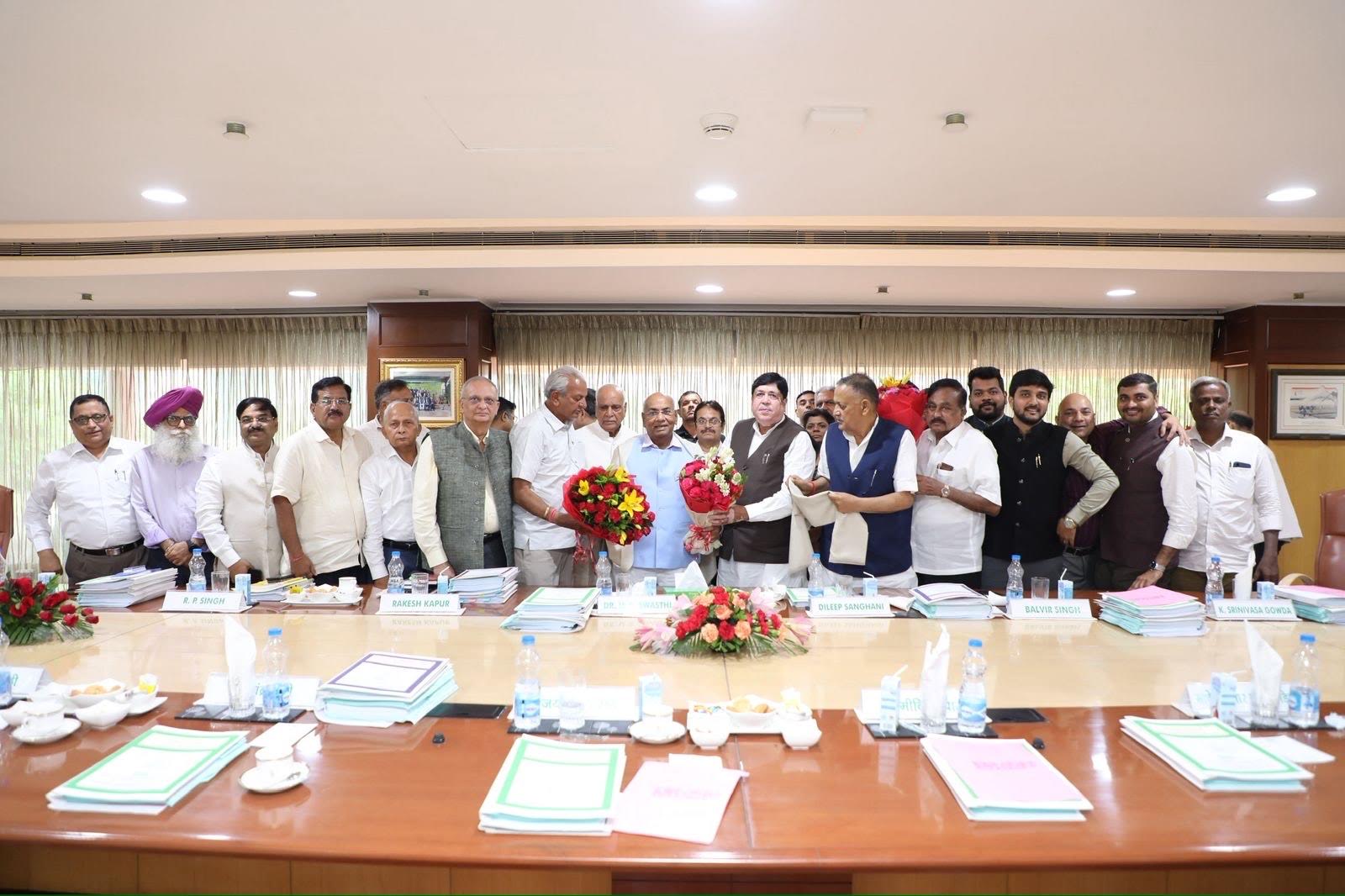
New Delhi – In a poignant milestone for the Indian Farmers Fertiliser Cooperative Limited (IFFCO), the world’s No. 1 fertilizer cooperative, Dr. Udai Shanker Awasthi, Managing Director, will rest his illustrious tenure on July 31, 2025, after attaining the age of 80 years. This superannuation marks over four decades of unwavering dedication, during which Dr. Awasthi has profoundly shaped IFFCO’s trajectory, elevating it to unparalleled global prominence. His heart beats for the farmers and cooperatives which inspired him to dedicate his life for their welfare.

A chemical engineer from prestigious Banaras Hindu University (BHU), Dr. Awasthi joined IFFCO in November 1976, ascending through various pivotal roles before assuming the mantle of Managing Director in 1993. As a thorough professional in the chemicals and fertilizer industry, he orchestrated IFFCO’s metamorphosis into a world-renowned, professionally managed cooperative conglomerate. Under his stewardship, IFFCO not only achieved rapid advancements in the global fertilizer sector but also diversified into multifaceted ventures that have directly empowered farmers across India.


Dr. Awasthi’s visionary leadership has been instrumental in forging IFFCO’s expansive global footprint, with strategic investments in ICS Senegal, Oman, Jordan, and the UAE through Oman IFFCO Company (OMIFCO), Jordan India Fertilizer Company (JIFCO) and Kisan International Trading (KIT) respectively. His diversification initiatives birthed landmark joint ventures, including IFFCO-Tokio General Insurance Company—a collaboration with Japan’s Tokio Marine Group, the world’s largest insurer—which has emerged as a leading force in India’s insurance landscape. Another notable achievement is the formation of IFFCO-Mitsubishi Chemicals, dedicated to delivering affordable and safe crop protection solutions. Beyond these, IFFCO ventured into e-commerce through IFFCO Bazar, IFFDC was established to work in sector of forestry and seed production, for logistics IFFCO Kisan Logistics Ltd. was established, IFFCO Kisan Suvidha Limited and IFFCO Kisan Finance were established for Agri-techinnovations, and rural finance respectively, all under his guidance, fostering holistic growth for the agricultural community.

Dr Awasthi is the pioneer of Nanotechnology in Agriculture sector he felicitated establishment of Nano-Biotechnology Research Centre in Kalol and IFFCO Nanoventions Pvt. Ltd. for new nano-technology related innovations which led to the inception of IFFCO Nano Urea Plus, Nano DAP, Nano Zinc and Nano Copper. Under his tenure Nano Fertilizer Plants were established in all existing units i.e., Kalol & Kandla (Gujrat), Aonla & Phulpur (Uttar Pradesh) and Paradeep (Odisha) and new plants were established in Bengaluru, Deoghar and another one is coming up in Assam.

His extraordinary contributions have earned him prestigious accolades, including the global Rochdale Pioneers Award from the International Cooperative Alliance (ICA), the title of “Fertiliser Man of India” bestowed by Shakar Bharati and Shri Dattatreya Hosbole, Sarkaryavah-RSS, and leadership positions in the International Fertiliser Association and the Fertiliser Association of India. These honours stand as testaments to his enduring impact on the cooperative and fertilizer domains worldwide.

In a heartfelt address, Dr. Awasthi expressed profound gratitude: “I sincerely thank the entire IFFCO family, encompassing our subsidiaries, joint ventures, and affiliates, as well as esteemed institutions such as the Fertilizer Association of India, the International Fertiliser Industry Association, and the International Cooperative Alliance, for being integral to my journey. Once again, I extend my deepest appreciation to all past and present Board members, RGB members, cooperative members, serving and retired employees of IFFCO along with their families, joint venture partners, technology suppliers, contractors, suppliers, and the farmers of India—indeed, all who have shaped this path, even if I cannot name each one here.”

Shri Dileep Sanghani, Chairman IFFCO echoed the organization’s collective admiration for Dr. Awasthi’s selfless commitment: “Awasthi ji has been profoundly immersed in the affairs of IFFCO and its expanding group companies, often at the expense of personal time with his family. We are delighted that he will now have the opportunity to cherish moments with his loved ones, especially his grandchildren. Nonetheless, we earnestly request his continued guidance for the new management, welcoming his invaluable advice at any time.”

As Dr. Awasthi steps into a well-deserved superannuation, IFFCO honours his legacy of innovation, integrity, and service—a beacon that has illuminated the path for generations of farmers and cooperative leaders. His departure is not an end, but a transition, ensuring his wisdom endures in the fabric of IFFCO’s future endeavours.

IFFCO is ranked World’s No.1 Cooperative (with respect to ratio towards contribution to GDP) according to World Cooperative Monitor (WCM) Report published by EURCISE and International Cooperative Alliance (ICA), the premier International cooperative body.

So No Child Walks Alone: India Launches First Certificate Course for Support Persons in Sexual Abuse Cases

unnamed-12.jpg

C-LAB launches first ever Certificate Course for Support Persons in Child Sexual Abuse cases
•_The Supreme Court of India, in 2023, had mandated that all POCSO cases must be provided with a support person
•_Support person plays a crucial role in guiding child victims and their families from providing psychological first-aid to handholding them during their legal battle

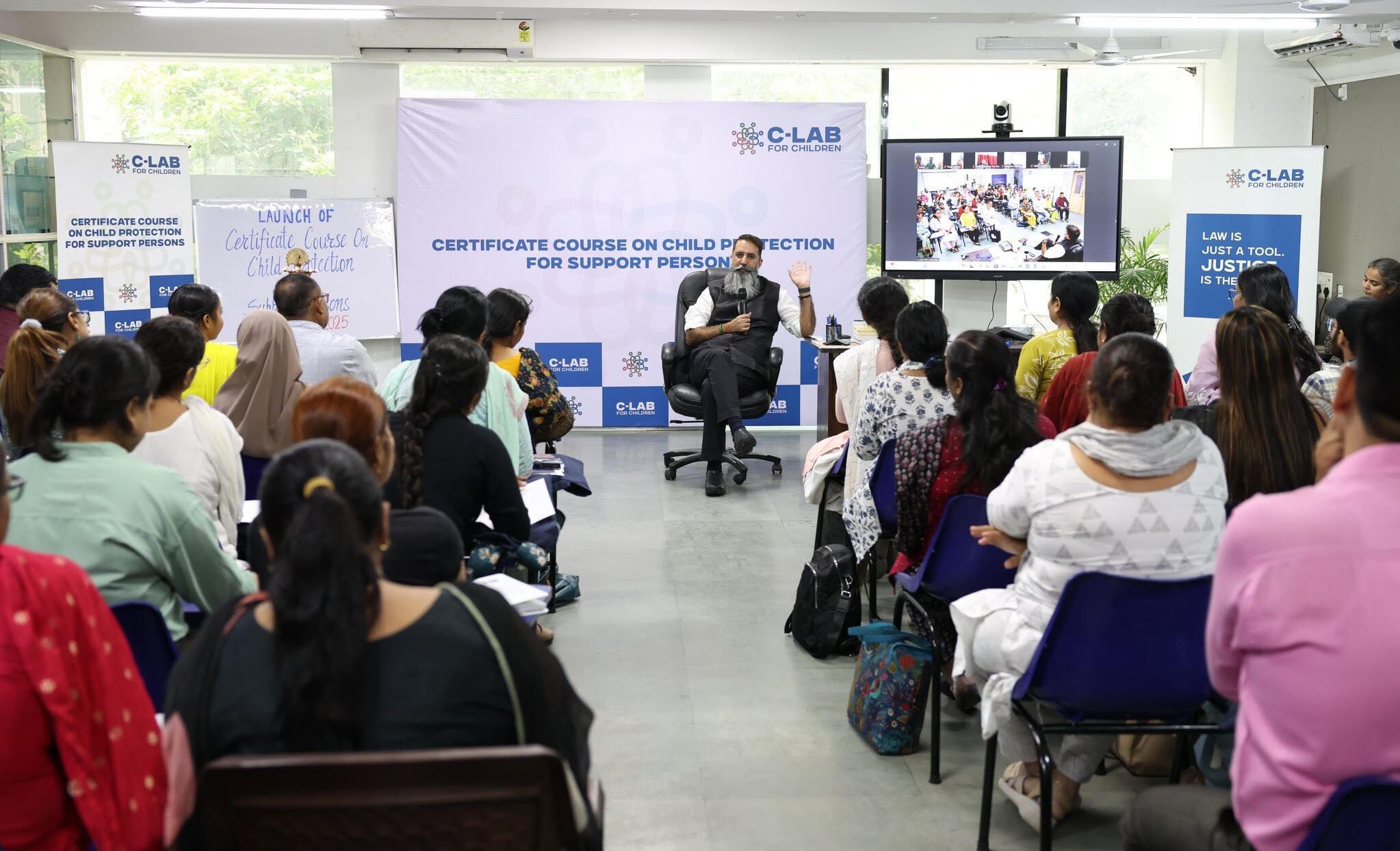
Delhi. To meet the growing demand for support persons following the Supreme Court’s 2023 directive mandating their appointment in all child sexual abuse cases, C-LAB has launched a first-of-its-kind Certificate Course for Support Persons in Dealing with Cases of Child Sexual Abuse. The Centre for Legal Action and Behaviour Change (C-LAB) for Children is India’s premier institution dedicated to strengthening child protection through the implementation of the rule of law. It is important to note that the number of registered cases under the POCSO Act rose by over 300% between 2019 and 2022, creating a significant gap between the number of trained support persons and the children who urgently need them. Support persons play a crucial role in guiding child victims and are a constant source of support and strength, handholding them from emotional counselling to navigating the legal battle with them.

Acknowledging their significance in such cases, the Apex Court had underlined that the State must provide Support Persons to child victims and that the appointment of support persons must be made mandatory in all such cases. This one judgment ensured that over 2.39 lakh child victims of sexual offences who were awaiting justice would be able to benefit and be guided by support persons. However, the paucity of such trained professionals has made the wait long and uphill for most states.

Speaking at the launch of the course, Bhuwan Ribhu, Founder, Just Rights for Children, said, “Justice is not only measured by verdicts but by the dignity with which a child is treated throughout the process. Support persons are often the silent force behind this journey, guiding, protecting and grounding families in their most vulnerable moments. Whether in courtrooms, police stations or hospitals, they hold space for truth, healing and resilience. This initiative by C-LAB goes beyond training; it is a step toward systemic transformation. When they do it right, they don’t just help a child survive, they reassure the child that justice is possible.” Bhuwan Ribhu was invited as the first faculty to take the inaugural session.

The first-ever 10-week course, which will be a blend of online and in-person classes, assignments and field work, aims to equip support persons with the knowledge and skills required to deal with victims of child sexual abuse and their families, and ensure that a child’s journey from a victim to a survivor is neither lonely nor uninformed.

Throwing further light on this unique course, Dr Sangita Gaur, Course Director, said, “Despite a strong legal framework like POCSO, thousands of our children still linger in the corridors of courtrooms or remain hidden in their homes, with no support or guidance available to them. They need to be handled with sensitivity, their trauma addressed with care, and it is equally important that they are made aware of the rights they are entitled to. A trained support person can walk with them through this entire process and ensure that their dignity is not further bruised and justice prevails for them.” She further added that any individual currently working with child victims of abuse, as a support person or a social worker entering the child protection system can enroll in this course.

Some of the curriculum highlights include child rights and child protection basics, POCSO and basic legal procedures in child sexual abuse cases, the roles and responsibilities of support persons, supporting and navigating the compensation and rehabilitation of victims, and building child-friendly communication and trauma-sensitive skills. One of the key highlights of the course is the psychological first aid training to support persons when dealing with child victims. Support persons who are the first line of defence for the victims of sexual abuse need to be sensitised when handling and gauging them. Experts and noted personalities from the fields of law, mental health, and social work have been roped in as faculty members of the course.

C-LAB has been incubated by India Child Protection, a leading child rights protection organisation dedicated to combating child sexual abuse and related crimes, including child trafficking, exploitation of children in the digital space, and child marriage.

scroll to top