Gurudev Sri Sri Ravi Shankar: The Beacon of Peace Deserving the Nobel Peace Prize

2-6.jpeg

Bengaluru : In a world often fractured by conflict and division, one luminary stands tall, weaving a tapestry of peace, compassion, and unity—Gurudev Sri Sri Ravi Shankar. Fondly addressed as Gurudev, his transformative work through The Art of Living Foundation has touched millions of lives across the globe, transcending borders, religions, and cultures. His unwavering commitment to fostering peace, uplifting humanity, and empowering individuals makes him an undeniable candidate for the Nobel Peace Prize. This article passionately advocates for Gurudev’s recognition, drawing from firsthand experiences at The Art of Living International Center in Bangalore and highlighting the visionary platform SMaRT, which amplifies voices dedicated to positive change.

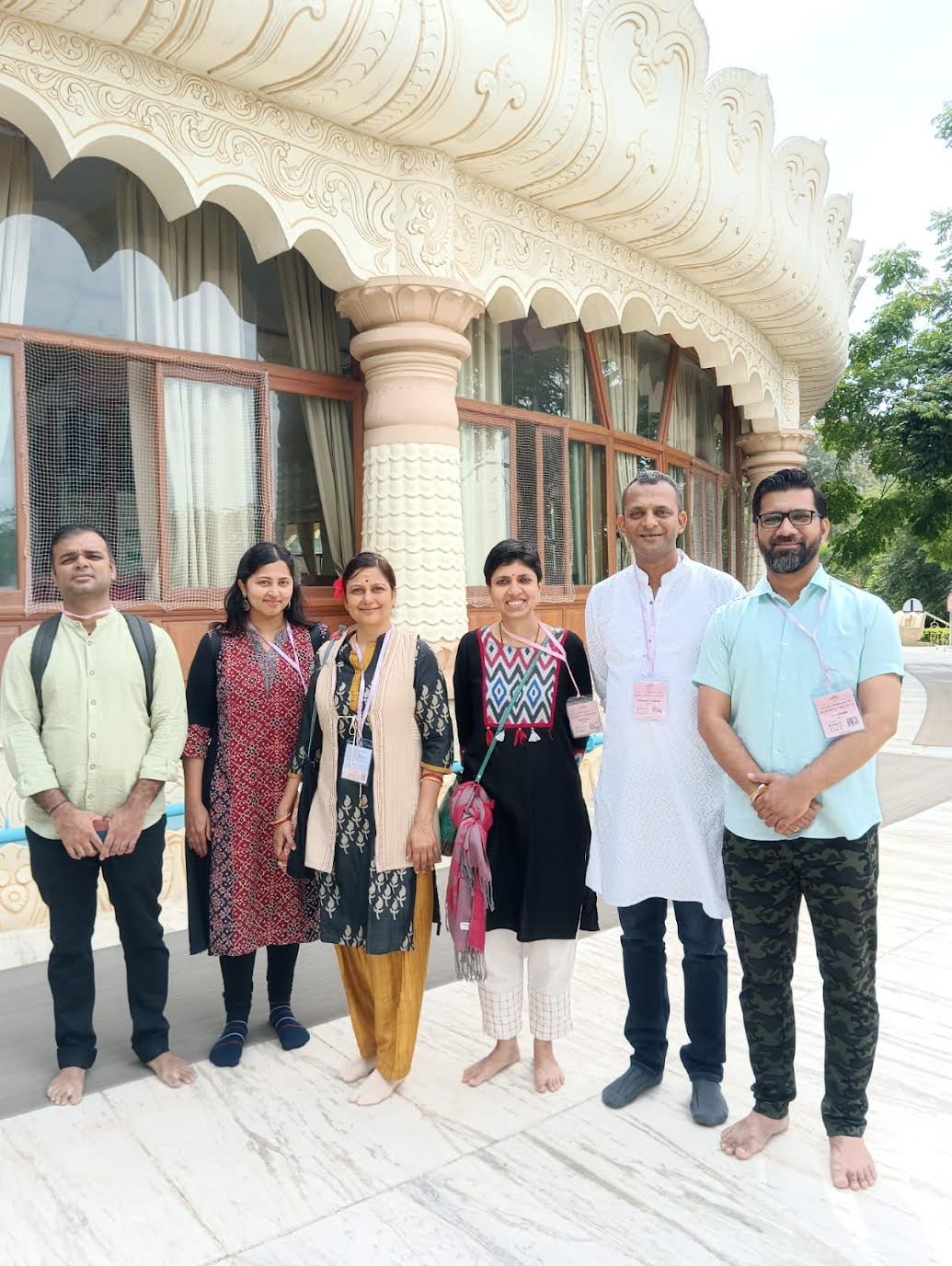
Visiting The Art of Living International Center, located 60 km from Bangalore airport on Kanakapura Road, Udayapura, was a journey into the heart of Gurudev’s mission. Accompanied by the SMART group, a dynamic platform uniting patriotic writers and influencers from India and beyond, I witnessed the profound impact of Gurudev’s work. SMART, driven by visionary leaders, not only connects like-minded individuals but also supports their endeavors to promote unity and progress. Their commitment to facilitating such transformative experiences, like the visit to Gurudev’s ashram, underscores their role as a catalyst for change. The serene ashram, nestled amidst nature, became a sanctuary where time seemed to dissolve, replaced by an overwhelming sense of purpose and peace.

Gurudev’s work through The Art of Living is a global phenomenon, reaching over 180 countries and impacting millions through programs that promote mental resilience, emotional well-being, and societal harmony. His initiatives have penetrated remote and underserved regions—places often overlooked by even the most dedicated social workers. Whether it’s conflict zones, rural hamlets, or urban slums, Gurudev’s teams embody the Sanatan principle of universal human service, seeing no Hindu, Muslim, or Christian, only humanity. This inclusive approach is the cornerstone of his philosophy, making him a true ambassador of peace.
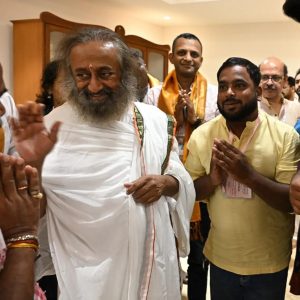
One of Gurudev’s most remarkable contributions is his work with prisoners. Through specialized programs like the Prison Program, he has transformed countless lives by teaching meditation, breathwork, and life skills to inmates. These initiatives calm their inner turmoil, guiding them toward redemption and a meaningful existence. Witnessing the ripple effect of this work at the ashram was nothing short of inspiring—it’s a testament to Gurudev’s belief that every individual, regardless of their past, deserves a chance to rediscover their innate goodness.

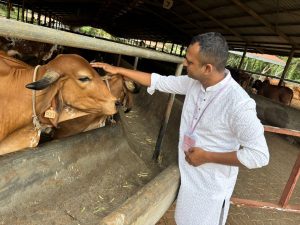
The Art of Living International Center itself is a living embodiment of Gurudev’s vision. The Gaushala, a model of compassionate animal care, showcases healthy, well-nurtured cows, a stark contrast to the often-neglected conditions elsewhere. This reflects Gurudev’s holistic approach, where reverence for all life forms is paramount. Similarly, the Gurukul, under Gurudev’s guidance, nurtures young minds with a blend of traditional wisdom and modern education. The thoughtful practice of keeping students separate from visitors ensures an undisturbed focus on their growth, a detail that speaks volumes about Gurudev’s meticulous care for every aspect of his mission.

Gurudev’s contributions extend far beyond the ashram. His peace-building efforts have resolved conflicts in regions like Colombia, Sri Lanka, and Kashmir, earning him international acclaim. The Hindu reported on his work at Yadagirigutta Temple, where his service initiatives received prestigious recognition, further cementing his impact. From negotiating peace in war-torn areas to empowering youth through skill development, Gurudev’s model of societal change is revolutionary yet silent, devoid of fanfare but profound in impact.
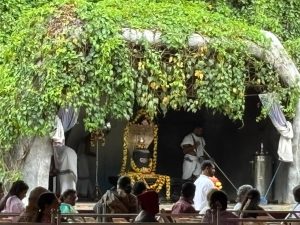
The Art of Living’s programs, such as Sudarshan Kriya, have scientifically proven benefits, reducing stress and fostering mental clarity for millions. These tools empower individuals to become agents of peace in their communities, creating a cascading effect of positivity. Gurudev’s vision also includes environmental sustainability, with initiatives like river rejuvenation and afforestation, demonstrating his commitment to a harmonious coexistence with nature.

What sets Gurudev apart is his ability to bridge divides—cultural, religious, and ideological—through dialogue and understanding. His interfaith initiatives promote unity, while his advocacy for mental health has destigmatized seeking help in societies worldwide. This universal appeal, coupled with tangible outcomes, positions Gurudev as a global leader whose work aligns perfectly with the Nobel Peace Prize’s mission to honor those who advance fraternity among nations.

The SMART platform, which facilitated my visit, mirrors Gurudev’s ethos of unity and service. By connecting writers and influencers who champion India’s progress, SMART amplifies voices that inspire change. Their determination to build a supportive ecosystem for visionaries reflects the same spirit of selfless service that Gurudev embodies. Together, they represent a powerful force for good, amplifying messages of peace and progress.
The Nobel Peace Prize has recognized individuals who transform lives through courage and compassion—qualities Gurudev exemplifies. His work is not a fleeting campaign but a sustained movement that has reshaped societies for over four decades. The Nobel Committee must visit The Art of Living International Center to witness firsthand the lives changed daily—quietly, humbly, but profoundly. As noted on the official Art of Living websites, Gurudev’s journey from a young spiritual seeker to a global peace icon is a story of relentless dedication.

Gurudev’s model of change is unique: it empowers individuals to find inner peace, which radiates outward to create harmonious communities. This grassroots approach, combined with his global influence, makes him a beacon of hope in turbulent times. Unlike many initiatives that rely on publicity, Gurudev’s work thrives on authenticity, touching hearts without seeking the spotlight.
In conclusion, Gurudev Sri Sri Ravi Shankar’s contributions to world peace, human empowerment, and environmental stewardship make him the rightful recipient of the Nobel Peace Prize. His ability to unite diverse communities, transform lives, and foster global harmony is unparalleled. The Art of Living’s reach, from remote villages to global platforms, is a testament to his vision. Supported by initiatives like SMART, which amplify voices for progress, Gurudev’s legacy is a living force for good. The Nobel Committee has the opportunity to honor a man whose life’s work embodies the very essence of peace—a recognition that would inspire millions to continue his mission of a stress-free, violence-free world.
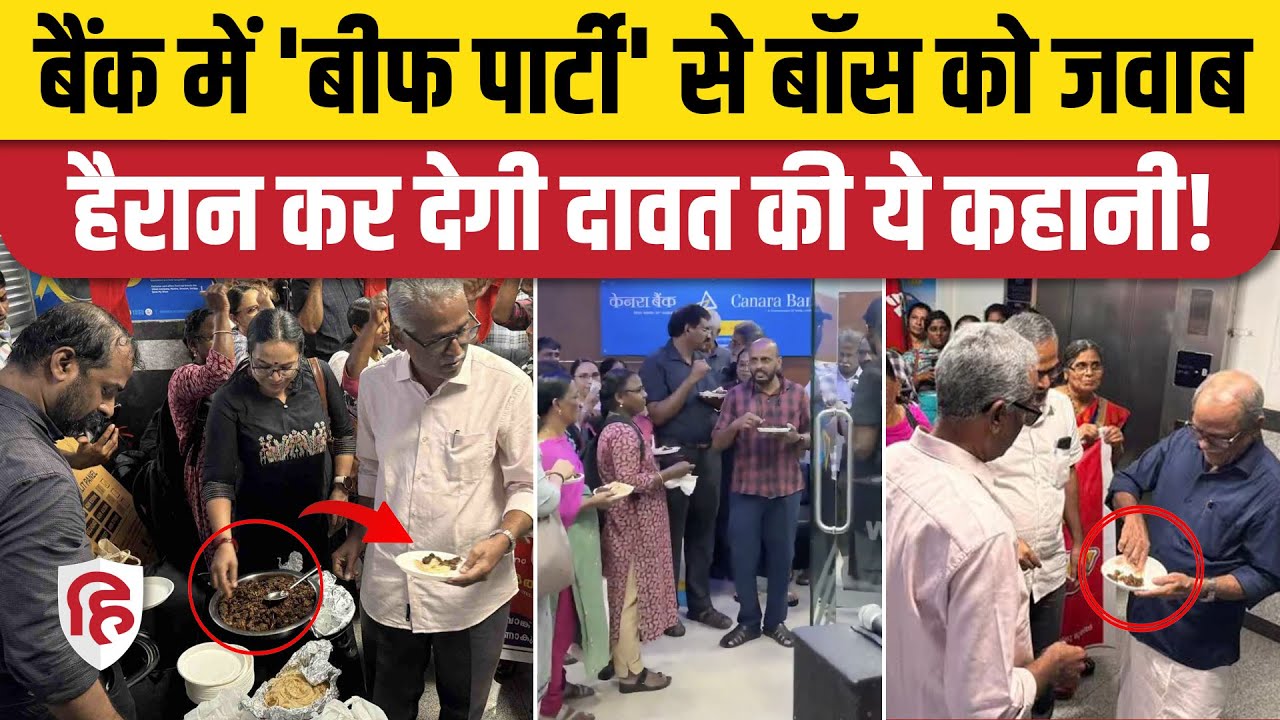
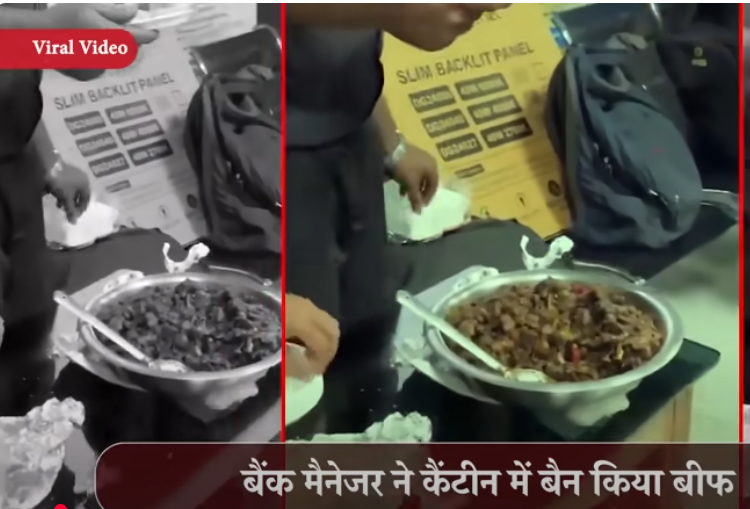
केरल के कोच्चि में बीफ विवाद: बैंक कैंटीन में प्रतिबंध के बाद तनाव

maxresdefault.jpg

कोच्चि, 2 सितंबर 2025: केरल के कोच्चि स्थित केनरा बैंक के रीजनल ऑफिस में बीफ को लेकर विवाद गहरा गया है। बिहार के अश्वनी कुमार, जो हाल ही में रीजनल डिप्टी मैनेजर के रूप में नियुक्त हुए, ने बैंक की कैंटीन में बीफ परोसने पर तत्काल प्रतिबंध लगा दिया। उनका कहना था कि गौमाता के प्रति उनकी आस्था के चलते यह निर्णय लिया गया। इस फैसले ने बैंक कर्मचारियों के बीच तीखी प्रतिक्रिया उत्पन्न की, जिसके बाद कुछ कर्मचारियों ने कथित तौर पर अश्वनी के केबिन के सामने “बीफ परांठा पार्टी” आयोजित की, जिसमें महिला और पुरुष दोनों शामिल थे।

इस घटना ने स्थानीय स्तर पर हंगामा मचा दिया। केरल के एक सांसद केटी जलील ने इस आयोजन का स्वागत किया, जिसे कुछ लोगों ने भारतीय संस्कृति के खिलाफ बताया। केरल में वामपंथी सरकार के कई नेता, जिनमें कुछ ब्राह्मण भी शामिल हैं, बीफ के समर्थन में खुलकर बोलते रहे हैं। इस घटना की आलोचना करते हुए कुछ लोगों ने कहा कि यदि यह घटना उत्तर भारत में हुई होती, तो इसका परिणाम अलग होता।

विवाद ने सोशल मीडिया पर भी तूल पकड़ा, जहां लोग इसे भारतीय संस्कृति और सभ्यता पर हमला बता रहे हैं। कुछ ने इसे शंकराचार्य की जन्मभूमि केरल को बदनाम करने की साजिश करार दिया। दूसरी ओर, बीफ खाने की स्वतंत्रता का समर्थन करने वालों का कहना है कि यह व्यक्तिगत पसंद का मामला है।

केनरा बैंक के अधिकारियों ने इस मामले पर आधिकारिक टिप्पणी से इनकार किया है, लेकिन सूत्रों के मुताबिक, बैंक प्रबंधन इस मुद्दे को सुलझाने के लिए आंतरिक जांच शुरू कर सकता है। यह घटना एक बार फिर सांस्कृतिक और धार्मिक संवेदनशीलता को लेकर बहस छेड़ रही है।

Source: https://www.youtube.com/watch?v=s1d113uHXE0

मां के बारे में पीएम मोदी का वक्तव्य

PM-Narendra-Modi-1.jpg

• बिहार में कुछ दिनों पहले जो हुआ…उसकी मैंने कल्पना भी नहीं की थी। बिहार में RJD-कांग्रेस के मंच से मेरी मां को गालियां दी गईं… ये गालियां सिर्फ मेरी मां का अपमान नहीं है…ये देश की मां-बहन-बेटी का अपमान है।

• मुझे पता है कि आप सबको भी ये देखकर और सुनकर कितना बुरा लगा है। मैं जानता हूं कि इसकी जितनी पीड़ा मेरे दिल में है, उतनी ही तकलीफ मेरे बिहार के लोगों को भी है। इसलिए, आज जब इतनी बड़ी तादात में बिहार की लाखों माताओं-बहनों के दर्शन मैं कर रहा हूं, तो आज मेरा मन और मैं अपना दुख आपसे साझा कर रहा हूं। ताकि आप माताओं-बहनों के आशीर्वाद से मैं इसे झेल पाऊं।

• मैंने हर दिन, हर क्षण अपने देश के लिए पूरी मेहनत से काम किया है। और इसमें मेरी मां की बहुत बड़ी भूमिका रही है। मुझे मां भारती की सेवा करनी थी… इसलिए मुझे जन्म देने वाली मेरी मां ने मुझे अपने दायित्वों से मुक्त कर दिया था।

• उस मां के ही आशीर्वाद से मैं चल पड़ा था। इसलिए, मुझे आज इस बात की पीड़ा है कि जिस मां ने मुझे देशसेवा का आशीर्वाद देकर भेजा, खुद से अलग करके मुझे जाने की इजाजत दी।

• आप सब जानते हैं कि अब मेरी मां का शरीर तो इस दुनिया में नहीं है। कुछ समय पहले 100 साल की उम्र पूरी करके, वो हम सबको छोड़कर चली गई। मेरी उस मां को जिसका राजनीति से कोई लेना-देना नहीं है, जिसका शरीर भी अब नहीं है। मेरी उस मां को RJD-कांग्रेस के मंच से भद्दी-भद्दी गालियां दी गई। ये बहुत ही दुख, कष्ट और पीड़ा देने वाला है। उस मां का क्या गुनाह है कि उसे भद्दी गालियां सुना दी गई।

• ये गालियां सिर्फ मेरी मां का अपमान नहीं है। ये देश की मां-बहन-बेटी का अपमान है। मुझे पता है कि आप सबको भी ये देखकर और सुनकर कितना बुरा लगा है। मैं जानता हूं कि इसकी जितनी पीड़ा मेरे दिल में है, उतनी ही तकलीफ मेरे बिहार के लोगों को भी है इसलिए, आज जब इतनी बड़ी तादात में बिहार की लाखों माताओं-बहनों के दर्शन मैं जब कर रहा हूं, तो आज मेरा मन और मैं अपना दुख आपसे साझा कर रहा हूं। ताकि आप माताओं-बहनों के आशीर्वाद से मैं इसे झेल पाऊं।

• एक गरीब मां ऐसे ही तपकर अपने बच्चों को शिक्षा-दीक्षा देती है, ऊंचे संस्कार देती है। इसलिए मां का स्थान देवी-देवताओं से भी ऊपर माना जाता है। बिहार के ही संस्कार हैं और हर बिहारी के मुंह से तो ये बात यूंही निकलती है – माई के स्थान, देवता पीतर से भी ऊपर होला!

• एक गरीब मां की तपस्या, उसके बेटे की पीड़ा ये शाही खानदानों में पैदा हुए युवराज नहीं समझ सकते। ये नामदार लोग तो सोने-चांदी का चम्मच लेकर पैदा हुए हैं। देश और बिहार की सत्ता इन्हें अपने खानदान की विरासत लगती है। इन्हें लगता है कि कुर्सी इन्हें ही मिलनी चाहिए। लेकिन, आपने, देश की जनता जनार्दन ने एक गरीब मां के कामदार बेटे को आशीर्वाद देकर प्रधानसेवक बना दिया। ये बात नामदारों को पच नहीं रही है।

• कोई पिछड़ा, अति-पिछड़ा आगे बढ़ जाए, ये कांग्रेस को तो कभी बर्दाश्त नहीं हुआ है! इनको लगता है, नामदारों का तो अधिकार है कामदारों को गालियां देना… इसलिए ये गालियों की झड़ी लगा देते हैं।

मां को गाली देने वाली सोच, बहन को गाली देने वाली सोच, महिलाओं को कमजोर समझती है। ये मानसिकता महिलाओं को शोषण और अत्याचार की वस्तु मानती है। इसलिए, जब-जब महिला विरोधी मानसिकता को सत्ता मिली है, सबसे ज्यादा तकलीफें माताओं-बहनों-बेटियों को ही झेलनी पड़ी है।

Personal Laws vs. Child Marriage Law: Bhuwan Ribhu Calls for Madhya Pradesh to Put Children before Faiths

1750657929567.jpeg

Bhopal : Madhya Pradesh is at the forefront of child protection, and Bhuwan Ribhu, founder of Just Rights for Children, said the state holds immense potential to lead the national fight against crimes targeting children.

With 40 percent of its 73 million people being children, the state faces immense responsibility, and it has acted decisively. The government and the civil society have worked together to fight child marriage, trafficking and sexual violence with utmost urgency.

Between April 2023 and August 2025, partners of Just Rights for Children, a network of 250 NGOs, assisted law enforcement agencies to prevent or stop 36,838 child marriages, rescue of 4,777 trafficked children, and support more than 1,200 survivors of sexual abuse across 41 districts.

In districts such as Rajgarh, Sheopur and Chhatarpur, where prevalence of child marriage nears 40 percent, these interventions have protected thousands of children from harm and secured their future. This collaborative model, where civil society organisations work hand-in-hand with police, lawyers, Child Welfare Committees, and communities, has strengthened the state’s ability to protect children.

Madhya Pradesh was the first state in India to introduce the death penalty for the rape of girls. Ribhu has now urged the state government to extend the same resolve to child marriage. He argued that the Prohibition of Child Marriage Act (PCMA) is a secular law intended to protect all children, irrespective of religion, and must prevail over personal laws.

In the wake of recent High Court rulings that allowed personal codes to override the PCMA, Ribhu said Madhya Pradesh must lead the way in making the law universally binding and non-negotiable.

Addressing a press conference in Bhopal on Monday, Bhuwan Ribhu said, “The Prohibition of Child Marriage Act is above every personal law, every custom, every code. Madhya Pradesh must enforce this principle and prove that the law protects every child, without compromise.”

The first Indian lawyer to be conferred with “Medal of Honour” by the World Jurist Association, he is also the Chairman of Jurists for Children Worldwide (JCW), an initiative of the World Jurist Association in collaboration with Just Rights for Children. JCW brings together lawyers, judges and jurists from across the world to strengthen child protection through legal reform and enforcement.

Bhuwan Ribhu, author of the bestseller “Children Have Children: Tipping Point to End Child Marriage”, said that real prevention and protection are possible only when the law serves as a strong deterrent.
He added, “In just two years from April 2023 to July 2025, Just Rights for Children, working with law enforcement agencies, has proven that when the law is enforced with urgency and purpose, children are truly protected. By preventing over 3,74,000 child marriages, rescuing more than 1,00,000 children from trafficking, supporting over 34,000 survivors of sexual abuse with mental health care, and ensuring justice through more than 63,000 prosecutions, India has shown that it can build a nation where no crime against children goes unpunished. Even in the digital space, with over 1,000 cases of online child sexual exploitation and abuse registered, we have sent a clear message that the rule of law protects every child, everywhere.”

While Madhya Pradesh’s average child marriage prevalence stands at 23.1 percent, close to the national average of 23.3 percent, it is alarmingly higher in several districts: 46 percent in Rajgarh, 39.5 percent in Sheopur, 39.2 percent in Chhatarpur, 36.5 percent in Jhabua, and 35.6 percent in Agar Malwa. Without strong enforcement, child marriage will keep pulling girls out of schools and into recurring cycles of abuse and poverty.

In Madhya Pradesh, the JRC network has supported and worked with 17 NGOs in 41 districts in the last two years. The network uses the unique combination of awareness at scale and legal intervention tools to prevent child marriages, child trafficking, child sexual abuse and child labour. Just Rights for Children is also supporting the “Child Marriage Free India” campaign which aims to end child marriage from the country by 2030.

Under the Prohibition of Child Marriage Act (PCMA), 2006, a child is defined as a girl under 18 years and a boy under 21. The law not only bans child marriage but also penalises anyone who conducts, enables, or participates in it—including guests, caterers, priests, and others involved in such ceremonies.

scroll to top