संकट से बचने के लिए सरकारी एजेंसियों को मुस्तैदी से ये कार्य करने चाहिए

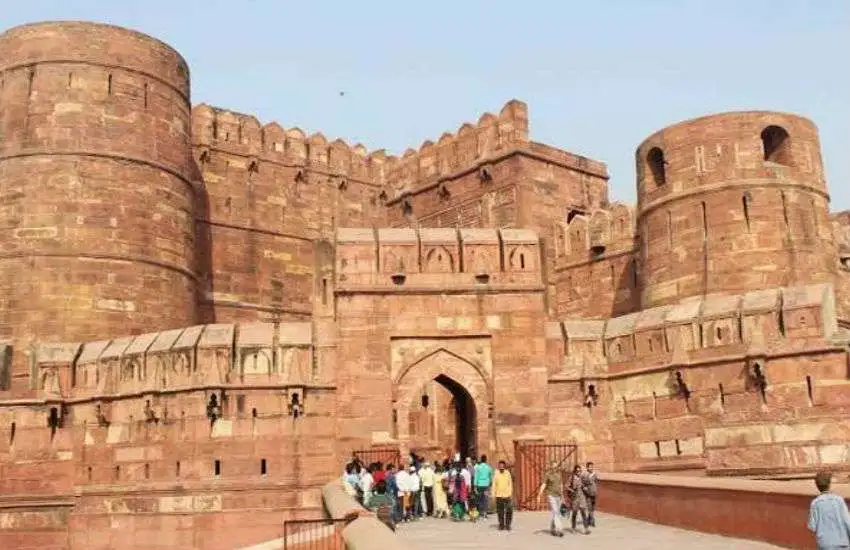
agra_fort_5691338-m.jpg.webp

आगरा: फिलहाल भीषण गर्मी में समूचा आगरा शहर विकट ट्रैफिक जाम की समस्या से जूझ रहा है। चालीस दिन बाद मानसून दस्तक दे देगा, तब ये समस्या और भी पेचीदा हो जाएगी। 

मई 2025 का महीना शुरू होते ही, आगरा नगर निगम (AMC) के सामने मानसून की तैयारी का अहम मौका है। हर साल, बारिश का मौसम शहर में भारी उथल-पुथल मचाता है। पिछले साल, जून से सितंबर के बीच आगरा में 800 मिमी से ज्यादा बारिश दर्ज की गई, जिससे निचले इलाकों में बाढ़, नालों का उफनना और डेंगू जैसी मच्छरजनित बीमारियों में 30% की बढ़ोतरी हुई।  

इस साल भी, शहर की हवा की गुणवत्ता (AQI) 400 से ऊपर ‘गंभीर’ श्रेणी में पहुंच चुकी है, जिससे प्रदूषण नियंत्रण भी एक बड़ी चुनौती है। यमुना नदी के किनारे जमा कचरा और ताजमहल के पर्यावरणीय खतरों पर तुरंत ध्यान देने की जरूरत है। उत्तर प्रदेश सरकार ने राज्यभर में 35 करोड़ पौधे लगाने का लक्ष्य रखा है, जिसमें हाईवे के किनारे फलदार पेड़ शामिल हैं। इसके साथ कदम मिलाकर, नगर निगम को मानसून की चुनौतियों से निपटने और शहर को मजबूत बनाने के लिए ठोस कदम उठाने होंगे।  नालों की सफाई का प्रोग्राम आ चुका है, लेकिन अतिक्रमणों को ध्वस्त करने की योजना नहीं बनी है।

आगरा की नालियां मिट्टी, प्लास्टिक और कचरे से अक्सर जाम हो जाती हैं। 2024 में, 60% से ज्यादा नालियां भर गईं, जिससे सड़कें और घर पानी में डूब गए। निगम को इसी महीने मशीनीकृत उपकरणों और मजदूर टीमों की मदद से नालियों की सफाई अभियान युद्ध स्तर पर शुरू करना चाहिए, खासकर निचले, नालों के किनारे के इलाकों में। नियमित निरीक्षण और सार्वजनिक रिपोर्टिंग से पारदर्शिता बनी रहेगी। इससे न सिर्फ जलभराव रुकेगा, बल्कि मच्छरों के प्रजनन पर भी लगाम लगेगी, जिससे पिछले साल मलेरिया के मामले 25% बढ़ गए थे।  

यमुना नदी में हर साल लगभग 1,500 टन कचरा जमा होता है, जो सेहत और पर्यावरण के लिए बड़ा खतरा है। नदी किनारे के कचरे के ढेर बाढ़ को बढ़ाते हैं और ताजमहल के इकोसिस्टम को नुकसान पहुंचाते हैं। नगर निगम को स्थानीय एनजीओ और स्वयंसेवकों के साथ मिलकर प्लास्टिक और जैविक कचरा हटाने का अभियान चलाना चाहिए। नदी किनारे वेस्ट सीग्रिगेशन यूनिट बनाने और अवैध कचरा फेंकने पर ₹5,000 तक का जुर्माना लगाने से लोगों में जागरूकता आएगी। स्वच्छ यमुना न सिर्फ लोगों की सेहत, बल्कि ताज की खूबसूरती की भी रक्षा करेगी।  नदी की तलहटी पर तमाम पेड़ पौधे निकल आए हैं जिन्हें गंदे नालों से पोषण मिल रहा है। वाटर वर्क्स से हाथी घाट तक इस की सफाई तत्काल की जाए।

आगरा के सैकड़ों सामुदायिक तालाब भूजल रिचार्ज के लिए अहम हैं, लेकिन अतिक्रमण और गाद से भरे हुए हैं। पिछले साल सिर्फ 15 तालाबों की आंशिक सफाई हुई, जिससे बाढ़ रोकने की क्षमता कमजोर रही। निगम को अतिक्रमण हटाने के लिए कानूनी कार्रवाई करनी चाहिए और भारी मशीनरी से गाद साफ करनी चाहिए। स्थानीय लोगों को जागरूक करके इन तालाबों को बचाने में मदद मिल सकती है।  

उत्तर प्रदेश सरकार के पौधारोपण अभियान के तहत, आगरा में 50,000 फलदार पेड़ (जैसे आम और अमरूद) हाईवे और ग्रीन बेल्ट में लगाए जाने चाहिए। मई में 2×2 फीट के गड्ढे खोदने, पौधे तैयार करने और खाद डालने का काम शुरू होना चाहिए। स्कूलों और रेजिडेंट वेलफेयर एसोसिएशन को शामिल करने से जनभागीदारी बढ़ेगी, जिससे आगरा का हरित आवरण बढ़ेगा और प्रदूषण कम होगा। पिछले महीने PM2.5 का स्तर 250 µg/m³ तक पहुंच गया था, जो खतरनाक स्तर है।  

ताज ट्रैपेज़ियम ज़ोन में कंस्ट्रक्शन धूल पर रोक, कचरा जलाने पर प्रतिबंध और इलेक्ट्रिक रिक्शा को बढ़ावा देना जरूरी है। पांच नए एयर क्वालिटी मॉनिटरिंग स्टेशन लगाकर और मोबाइल ऐप के जरिए रियल-टाइम डेटा साझा करने से लोगों को सचेत किया जा सकता है। स्थानीय उद्योगों को स्वच्छ तकनीक अपनाने के लिए प्रोत्साहित करना भी जरूरी है।  
स्वास्थ्य के मोर्चे पर, पिछले साल मानसून में 1,200 डेंगू के मामले सामने आए थे। निगम को फॉगिंग अभियान तेज करना चाहिए और स्वास्थ्य शिविर लगाकर बीमारियों का पता लगाना चाहिए। दवाइयों का स्टॉक, स्वास्थ्यकर्मियों को ट्रेनिंग और बाढ़ राहत दलों को नाव व पंप उपलब्ध कराने से संकट से निपटने में मदद मिलेगी। सफाई और कचरा निस्तारण पर जागरूकता फैलाने से बीमारियों का प्रसार रुकेगा।  

हर साल 70 लाख पर्यटकों को आकर्षित करने वाले ताजमहल पर मानसून और प्रदूषण का खतरा मंडरा रहा है। निगम को भारतीय पुरातत्व सर्वेक्षण (ASI) के साथ मिलकर ताज के आसपास की सफाई, निकासी व्यवस्था सुधारने और 1,000 पेड़ लगाकर प्रदूषण रोकने का काम करना चाहिए। ताज के 5 किमी के दायरे में वाहनों के उत्सर्जन को कम करके इसके संगमरमर को बचाया जा सकता है।  

मई में ही तेजी से काम करके, डेटा-आधारित योजना बनाकर और समुदाय को जोड़कर, आगरा नगर निगम शहर को साफ-सुथरा, हरा-भरा और मजबूत बना सकता है। बारिश आने से पहले अभी कदम उठाने का समय है—वरना फिर पछताने के अलावा कुछ नहीं बचेगा।

Why Bihar’s Journalists Overlook Local Issues

journalists-2944634_1920-e1618632941761.avif

Bihar, a state rich in history and culture, grapples with persistent challenges such as poverty, inadequate infrastructure, education disparities, and political complexities. Despite these pressing local issues, prominent Bihari journalists like Ajit Anjum, Ravish Kumar, Anjana Om Kashyap, Punya Prasun Vajpayee, and Sushant Sinha often focus on national and international stories, leaving Bihar’s struggles underexplored. This raises a critical question: why do these influential voices, who hail from Bihar, rarely shine a spotlight on their home state’s issues? This article delves into the systemic, professional, and socio-political factors contributing to this phenomenon.

The Pull of National Media Platforms

One primary reason Bihar’s journalists gravitate toward global or national issues is their affiliation with major media houses based in metropolitan cities like Delhi and Mumbai. Journalists such as Ravish Kumar, associated with NDTV, and Anjana Om Kashyap, with Aaj Tak, operate on platforms that prioritize stories with broader appeal. National media outlets often cater to urban, cosmopolitan audiences, where issues like international conflicts, economic policies, or high-profile political scandals dominate the news cycle. Bihar-specific stories, unless they involve sensational events like floods or elections, are often deemed less “newsworthy” by these outlets.

For instance, Ravish Kumar’s incisive reporting on education and social justice often takes a national perspective, addressing systemic issues across India. While his work occasionally references Bihar, the state rarely becomes the focal point. Similarly, Punya Prasun Vajpayee’s analytical discussions on India Today focus on macro-level political trends, sidelining regional concerns. The structure of national media incentivizes journalists to align with its priorities, which rarely include sustained coverage of states like Bihar.

The Commercial Imperative

The media industry in India is heavily commercialized, driven by TRP (Television Rating Point) ratings and audience engagement metrics. Stories about Bihar’s chronic issues—such as poor healthcare facilities, caste-based violence, or migration—often lack the sensationalism that drives viewership. In contrast, international crises or national controversies generate higher engagement, attracting advertisers and boosting revenue. This commercial pressure influences even independent journalists like Ajit Anjum, who, through platforms like YouTube, must cater to a diverse audience to sustain their channels.

Sushant Sinha, known for his work with Republic Bharat, operates in a media ecosystem where polarizing national debates overshadow nuanced regional reporting. Bihar’s issues, while critical, may not resonate with a national audience seeking drama or spectacle. As a result, journalists prioritize topics that align with market demands, leaving Bihar’s challenges underreported.

The Complexity of Bihar’s Issues

Bihar’s problems are deeply entrenched, often requiring long-term investigative work to uncover and explain. Issues like caste dynamics, land disputes, and bureaucratic inefficiencies are complex and lack the immediate appeal of a breaking news story. Journalists, even those from Bihar, may find it challenging to sustain audience interest in such topics. For example, Ravish Kumar’s documentaries, such as those on MGNREGA or rural education, touch on Bihar but frame these issues within a broader national context to make them more relatable.

Moreover, addressing Bihar’s issues can be politically sensitive. The state’s political landscape is fraught with caste-based alliances and power struggles, and journalists risk backlash or accusations of bias when delving into these topics. This may discourage even well-intentioned reporters from focusing on Bihar, especially when safer, less contentious national stories are readily available.

The Migration of Talent

Bihar has long been a source of intellectual and professional talent, with many of its brightest minds migrating to urban centers for better opportunities. This brain drain extends to journalism, where figures like Anjana Om Kashyap and Punya Prasun Vajpayee have built their careers outside Bihar. Once integrated into national media ecosystems, these journalists may feel disconnected from the state’s ground realities. Their professional networks, sources, and focus shift toward urban India, reducing their engagement with Bihar’s issues.

This migration also reflects a broader societal trend: Bihar is often stereotyped as a “backward” state, and professionals from the state may consciously or unconsciously distance themselves from this image. By focusing on global or national issues, journalists can establish themselves as cosmopolitan figures, unburdened by regional associations. This dynamic, while not unique to Bihar, limits the state’s representation in mainstream media.

The Role of Regional Media

While national media overlooks Bihar, regional media outlets in the state—such as newspapers like Prabhat Khabar or local TV channels—do cover local issues. However, these platforms often lack the reach, resources, and influence of national outlets. Prominent Bihari journalists, having transitioned to national platforms, rarely contribute to regional media, creating a gap in high-profile advocacy for Bihar’s concerns.

Additionally, regional media in Bihar faces its own challenges, including political pressure and limited funding. Journalists working locally sns may lack the investigative depth or independence of their national counterparts, further limiting the coverage of Bihar’s issues. In contrast, national journalists like Ajit Anjum, who maintain digital platforms, have the resources and freedom to address local issues but often prioritize broader topics to maintain their audience base.

Socio-Political Sensitivities and Self-Censorship

Bihar’s socio-political environment can be intimidating for journalists. The state has a history of caste-based violence, political vendettas, and a nexus between politicians and criminal elements. Raising questions about local governance or systemic failures can invite threats or legal repercussions. Even independent journalists like Ravish Kumar, who has faced harassment for his critical reporting, may find it safer to focus on national issues, where the risks are more diffuse.

Self-censorship also plays a role. Journalists from Bihar, aware of the state’s polarized political landscape, may avoid topics that could alienate powerful local stakeholders. For instance, covering corruption in Bihar’s administration or caste-based discrimination requires navigating a minefield of vested interests, which may deter even the most principled reporters.

The Perception of Impact

Journalists often aim to influence policy or public opinion, and national platforms offer a larger stage for impact. A story about Bihar’s education system, for example, may reach a few lakh viewers, while a critique of national policy could influence millions. Prominent journalists may believe that addressing systemic issues at a national level indirectly benefits Bihar, as the state’s challenges are often tied to broader policy failures.

For example, Ravish Kumar’s focus on rural distress or media freedom resonates with Bihar’s struggles, even if the state isn’t explicitly named. Similarly, Punya Prasun Vajpayee’s discussions on governance inefficiencies apply to Bihar but are framed to appeal to a wider audience. This approach, while strategic, leaves Bihar’s specific grievances underexplored.

The Way Forward

To bridge this gap, several steps could be taken. First, national media outlets could incentivize regional reporting by dedicating segments to state-specific issues, encouraging journalists like Anjana Om Kashyap or Sushant Sinha to leverage their platforms for Bihar. Second, collaborative efforts between national and regional journalists could amplify local stories, combining the reach of figures like Ajit Anjum with the expertise of Bihar-based reporters.

Third, digital platforms offer an opportunity for journalists to engage niche audiences interested in Bihar’s issues. Ravish Kumar’s YouTube channel, for instance, could feature occasional deep dives into Bihar, balancing local and national content. Finally, journalism training programs in Bihar could empower local reporters to produce high-quality investigative work, reducing reliance on national figures.

The tendency of Bihar’s prominent journalists to focus on global and national issues over local ones stems from a mix of professional, commercial, and socio-political factors. The structure of national media, the commercial imperatives of the industry, the complexity of Bihar’s challenges, and the migration of talent all contribute to this trend. While journalists like Ravish Kumar, Ajit Anjum, Anjana Om Kashyap, Punya Prasun Vajpayee, and Sushant Sinha have the potential to amplify Bihar’s voice, systemic barriers limit their engagement with the state. By fostering collaboration, leveraging digital platforms, and rethinking media priorities, these influential figures can help bring Bihar’s issues to the forefront, ensuring the state’s challenges receive the attention they deserve.

Critical Analysis of ‘The Wire’: Propaganda Allegations and Court Reprimands

The-Wire.png.webp

The Wire, a digital news platform launched in 2015 by Siddharth Varadarajan, Sidharth Bhatia, and M.K. Venu, has become a polarizing entity in India’s media landscape. While it positions itself as a champion of investigative journalism and accountability, critics, particularly on platforms like X, label it a propaganda outlet that undermines India’s interests. Allegations surrounding Varadarajan’s U.S. citizenship, his wife Nandini Sundar’s supposed Naxalite ties, and The Wire’s court-ordered retractions have intensified scrutiny. This analysis examines these claims, The Wire’s editorial practices, recent legal reprimands, and its public perception as a propaganda website, questioning its alignment with Indian interests.

Siddharth Varadarajan’s Citizenship and Public Trust

Siddharth Varadarajan, a founding editor, is often cited on X as a U.S. citizen, a claim that fuels distrust among nationalist critics. While Varadarajan has not publicly confirmed or denied this in available sources, his foreign citizenship is used to question his loyalty to India. Posts on X have called him a “foreign agent” orchestrating “anti-India narratives,” though no evidence directly links his citizenship to editorial bias.

Citizenship alone does not disqualify someone from engaging in Indian journalism. Varadarajan’s prior roles at The Times of India and The Hindu demonstrate his deep roots in India’s media. However, his silence on the citizenship issue allows speculation to persist, eroding public trust. In a polarized climate, transparency about his status could counter perceptions of foreign influence, especially given The Wire’s reliance on reader-funded independence. Without clarity, critics exploit this ambiguity to paint The Wire as externally driven.

Nandini Sundar and Naxalite Allegations

Nandini Sundar, Varadarajan’s wife and a Delhi University professor, faces accusations of sympathizing with Naxalites due to her work on tribal rights in Chhattisgarh. In 2016, she was named in an FIR for alleged involvement in a Maoist-related murder, though the Supreme Court stayed the probe, and no conviction has followed. Critics on X use these allegations to taint The Wire, implying it harbors Naxalite sympathies.

No evidence links Sundar’s academic activism to The Wire’s editorial content, as she holds no role at the outlet. Conflating her work with Varadarajan’s journalism is a rhetorical strategy to discredit The Wire. However, the outlet’s coverage of Naxal-affected regions, often highlighting state overreach, reinforces these perceptions for some. The Wire could mitigate this by explicitly condemning extremist ideologies like Naxalism, aligning its human rights focus with a clear stance against violence. Its failure to do so leaves room for critics to amplify guilt-by-association narratives.

Court Reprimands and Content Retractions

The Wire has faced significant legal scrutiny, with courts ordering the removal of content deemed defamatory or misleading. A notable case occurred in February 2022, when the Ranga Reddy District Court in Telangana ordered The Wire to remove 14 articles about Bharat Biotech’s Covaxin vaccine. The court found the outlet’s claims about the vaccine’s approvals baseless, damaging the company’s reputation during a critical phase of India’s COVID-19 response. The Wire complied but faced backlash for what critics called reckless reporting.

More recently, in November 2024, The Wire published a story alleging a 500,000-vote discrepancy in the Maharashtra Assembly elections, suggesting electoral fraud by the BJP-led Mahayuti coalition. The Maharashtra Chief Electoral Officer, MR Parkar, issued a strong rebuttal, calling the report “misleading and inaccurate” for omitting postal ballots in its vote count. The Wire deleted the article and its associated tweet without issuing a public apology, prompting accusations of cowardice and deliberate misinformation.

These incidents highlight a pattern of publishing contentious stories that later require retraction or correction. The Election Commission had previously, in 2019, debunked The Wire’s claims about missing EVMs, and the Supreme Court dismissed a related plea in 2024 as baseless. Such legal and official reprimands bolster perceptions of The Wire as a propaganda outlet that prioritizes sensationalism over accuracy, undermining trust in democratic institutions like the Election Commission.

Editorial Bias and Propaganda Allegations

The Wire’s editorial line leans heavily toward progressive and anti-establishment narratives, frequently criticizing the BJP government on issues like Kashmir, Naxalism, and corporate influence. Its investigative reports, such as those on Pegasus spyware or electoral bonds, have sparked national debates but also drawn accusations of selective reporting. Critics argue that The Wire’s focus on government failures, while downplaying security challenges or national achievements, creates a narrative that can be exploited by India’s detractors abroad.

For example, its coverage of Naxalite encounters often emphasizes civilian casualties, which resonates with human rights groups but angers those prioritizing national security. Similarly, its Maharashtra election story was seen as casting doubt on India’s electoral integrity without sufficient evidence. Such reporting fuels allegations on X that The Wire serves as a “far-left propaganda portal” undermining India’s global image.

While critical journalism is vital for democracy, The Wire’s apparent lack of balance—rarely highlighting government successes or security perspectives—amplifies perceptions of bias. Its retractions and court losses further damage its credibility, as they suggest a willingness to publish unverified claims. To counter the propaganda label, The Wire could diversify its coverage, engage with nationalist viewpoints, and strengthen fact-checking processes.

Funding and Independence Concerns

The Wire operates as a non-profit under the Foundation for Independent Journalism, funded by donations and grants. Critics on X speculate about foreign funding from organizations like the Ford Foundation, though no evidence in the provided sources confirms this. Opaque funding, combined with Varadarajan’s citizenship, fuels suspicions of external influence.

Transparent financial reporting could address these concerns, as global non-profits often publish detailed donor lists. The Wire’s failure to do so, despite claiming independence, allows critics to question its motives. This is particularly damaging in a context where foreign-funded media face intense scrutiny in India.

Public Perception and Polarization

In India’s polarized media landscape, The Wire is a lightning rod for controversy. Nationalists on X brand it “anti-Bharat” and “anti-Hindu,” citing its court reprimands and alleged misinformation campaigns. Meanwhile, progressive groups praise its role in exposing state and corporate excesses, viewing it as a counterweight to mainstream media’s pro-government tilt.

This divide reflects broader tensions in Indian society. The Wire’s confrontational style and progressive slant alienate audiences who value national unity or security, while its legal setbacks reinforce perceptions of unreliability. Its quiet deletion of the Maharashtra election story, without accountability, exemplifies this trust deficit.

To be seen as serving Indian interests, The Wire must bridge this gap. Engaging with critics, issuing prompt corrections, and broadening its narrative to include diverse voices—such as those of security forces or rural communities—could help. Varadarajan’s rebuttal to a false claim about a ₹50-crore property purchase shows responsiveness, but consistent accountability is needed.

Labeled a propaganda website by critics, The Wire faces a credibility crisis. Its progressive stance serves a vital democratic role, but its selective focus and retractions fuel perceptions of an anti-India agenda. To align with Indian interests, it must prioritize accuracy, embrace diverse perspectives, and rebuild trust through transparency and accountability.

The Fall of News Laundry’s Credibility: Language and Accountability

images.jpeg

News Laundry, a self-styled media watchdog in India, has garnered attention for its critiques of mainstream journalism. Launched in 2012, it promises to hold media houses accountable, expose biases, and foster transparency through a subscription-based model. Yet, its approach—marked by inflammatory language, mockery of senior journalists, and a lack of accountability for retracting stories without apology—has drawn significant criticism. Far from being sharp or satirical, News Laundry’s rhetoric often descends into a fallen, unprofessional tone that undermines its credibility. This article examines how these practices erode trust and questions the platform’s commitment to journalistic integrity.

The Promise and the Pitfalls

News Laundry emerged as a response to the perceived decline of Indian journalism, offering podcasts, articles, and investigative reports that scrutinize media coverage and political narratives. Its independence from corporate or political funding is a key selling point, appealing to an audience frustrated by sensationalism and bias. However, the platform’s execution often falls short of its lofty ideals. Instead of delivering incisive, evidence-based critiques, News Laundry frequently resorts to rhetoric that prioritizes provocation over substance, alienating readers who value professionalism and accountability.

A Fallen Language: Beyond Satire

One of News Laundry’s most glaring flaws is its use of language, which is neither sharp nor satirical but often crude and derogatory. The platform’s hosts and writers regularly mock senior journalists, dismissing their work with terms like “presstitutes,” “lapdogs,” or “propagandists.” Such labels are not clever jabs but lazy insults that degrade discourse. For instance, critiques of veteran reporters are often personal, targeting their integrity rather than engaging with their reporting. This approach lacks the wit or nuance of true satire, which uses humor to expose truths, not to demean.

This fallen language is particularly evident in News Laundry’s podcasts, where hosts indulge in banter that feels more like schoolyard taunting than journalistic analysis. The tone alienates listeners who expect reasoned arguments backed by facts. Instead of dissecting a journalist’s coverage with evidence—say, by comparing their reporting to primary sources—News Laundry often opts for hyperbolic accusations. This not only undermines its critiques but also mirrors the sensationalism it claims to oppose.

Mockery Over Merit

The mockery of senior journalists is a recurring theme in News Laundry’s content. While holding journalists accountable is a legitimate goal, the platform’s approach often ignores merit or context. For example, a senior editor’s decades-long career might be reduced to a single misstep, with no acknowledgment of their contributions or the complexities of their work. This selective outrage ignores the pressures of newsroom dynamics, tight deadlines, or editorial constraints, which News Laundry, as a media critic, should understand.

Moreover, the platform rarely engages with the substance of a journalist’s work. Instead of analyzing a report’s factual inaccuracies or biases with data—such as discrepancies in quoted figures or omitted perspectives—News Laundry resorts to name-calling. This tactic is not only unprofessional but also hypocritical, as it replicates the ad hominem attacks the platform criticizes in mainstream media. By failing to model constructive critique, News Laundry squanders its potential to elevate journalistic standards.

The Deletion Dilemma: Lack of Accountability

Perhaps the most damning critique of News Laundry is its practice of deleting stories without explanation or apology. In several instances, articles or social media posts have been quietly removed after backlash, with no transparency about the reasons or acknowledgment of errors. This is particularly troubling for a platform that demands accountability from others. Journalistic ethics require corrections to be issued openly, with apologies to readers when warranted. By sidestepping this responsibility, News Laundry erodes trust and invites speculation about its motives.

For example, in cases where News Laundry has retracted content critical of certain political figures or media houses, the absence of a public statement leaves readers questioning whether external pressures or internal biases influenced the decision. This opacity is at odds with the platform’s stated mission of transparency. A simple apology or clarification—standard practice in reputable outlets—could mitigate damage and demonstrate integrity. Instead, News Laundry’s silence reinforces perceptions of hypocrisy.

Selective Framing and Ideological Bias

Beyond language and accountability, News Laundry’s selective framing further undermines its credibility. The platform often targets right-leaning media outlets with relentless scrutiny while giving left-leaning or regional outlets a pass. This creates an impression of ideological bias, despite News Laundry’s claims of neutrality. For instance, its coverage of political controversies tends to amplify narratives that align with progressive or anti-establishment views, while downplaying facts that might challenge these perspectives.

This bias is evident in its treatment of issues like government policies or social movements. During the farmers’ protests (2020–2021), News Laundry framed the issue as a clear struggle between farmers and an oppressive state, often ignoring economic arguments for the farm laws or the diversity of opinions among farmers. Similarly, its COVID-19 coverage criticized media for underreporting government failures but rarely engaged with data on vaccination drives or global comparisons. This selective storytelling prioritizes narrative over facts, mirroring the biases News Laundry claims to expose.

The Impact on Credibility

The cumulative effect of News Laundry’s fallen language, mockery, and lack of accountability is a significant erosion of credibility. In an era of misinformation and polarized media, audiences rely on platforms like News Laundry to provide clarity and integrity. When it prioritizes provocation over evidence or deletes content without explanation, it risks becoming another voice in the noise rather than a trusted guide. This is particularly damaging for a platform that positions itself as a corrective to mainstream media’s flaws.

Moreover, News Laundry’s approach contributes to polarization. Its derogatory tone and selective framing alienate readers who might otherwise engage with its critiques. By mocking senior journalists or dismissing dissenting views, it discourages dialogue and reinforces echo chambers. This is a missed opportunity for a platform that could foster media literacy and critical thinking.

A Call for Reform

To regain credibility, News Laundry must address these shortcomings. First, it should adopt a professional tone, replacing insults with evidence-based critiques. For example, when analyzing a journalist’s work, it could cite specific errors or biases, backed by data or primary sources. Second, it must hold itself accountable by issuing public corrections and apologies for retracted content. Transparency in these moments would align with its mission and rebuild trust.

Third, News Laundry should strive for balance, critiquing all media outlets—regardless of ideology—with equal rigor. This would counter perceptions of bias and strengthen its claim to neutrality. Finally, it should engage with dissenting perspectives, modeling how to debate ideas without resorting to mockery. These steps would not dull News Laundry’s edge but sharpen its impact as a media watchdog.

News Laundry has the potential to be a vital force in Indian media, challenging biases and advocating for transparency. However, its reliance on fallen language, mockery of senior journalists, and lack of accountability for deleted stories undermine its mission. Far from being satirical, its rhetoric often descends into unprofessionalism, while its selective framing betrays ideological bias. In a media landscape desperate for trust, News Laundry must prioritize facts, professionalism, and accountability to fulfill its promise. Only then can it rise above the fray and become the beacon of integrity it aspires to be.

scroll to top