क्या है अशोक श्रीवास्तव पर एफआईआर से जुड़ा पूरा मामला

3-19.jpeg

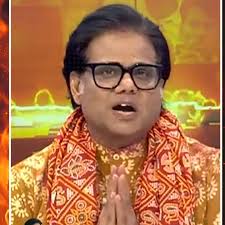
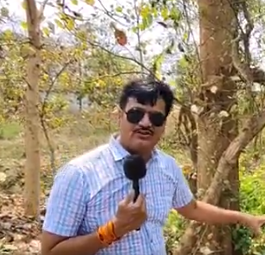
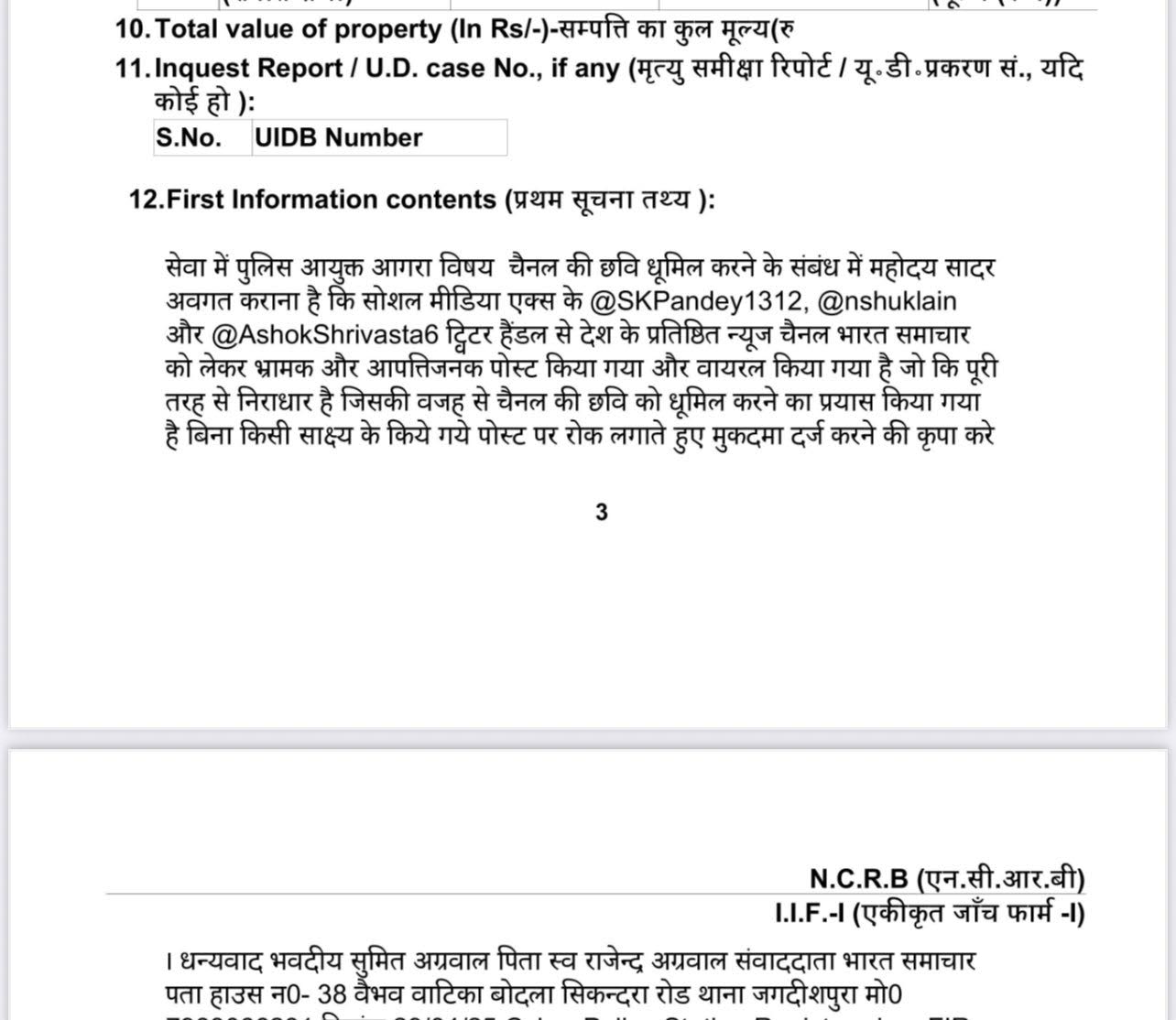
कल सुधीर पांडे नाम के एक पत्रकार ने यूपी के कुशीनगर के सहरोलिया गांव से एक ग्राउंड रिपोर्ट करते हुए यह आरोप लगाया (https://x.com/SKPandey1312/status/1916767718172406189?t=lUBVBVN-eZWdGY_pTnKz1w&s=08) कि वहां एक बड़ी जमीन सपा सरकार ने एक पत्रकार को दी थी।

श्री पांडेय के ट्वीट को वरिष्ठ पत्रकार अशोक श्रीवास्तव ने अपनी टिप्पणी के साथ कुछ ट्वीट किए। जिनमें से एक ट्वीट श्री श्रीवास्तव ने यूपी सरकार को भी टैग किया था कि इस मामले की जांच होनी चाहिए।

जब भारत समाचार से सहानुभूति रखने वाले लोगों ने सुधीर पांडे की रिपोर्ट के तथ्यों को लेकर सवाल उठाया तो अशोक श्रीवास्तव ने सुधीर पांडेय से उनकी खबर की प्रामाणिकता के संबंध में अपने एक मित्र के माध्यम से जानकारी हासिल की। सुधीर पांडे ने बताया कि उनकी खबर पक्की है। समाचार से जुड़े सभी दस्तावेज भी उनके पास हैं।

हुआ यह कि अपनी रिपोर्ट में सुधीर ने एक चैनल का नाम गलत बोल दिया है। इसे मानवीय भूल के अन्तर्गत रखा जा सकता है। इस तरह की गलती तथ्यों को लेकर पत्रकारिता में होती है। जिसे मीडिया में भूल सुधार के अन्तर्गत दुरुस्त करने की परंपरा भी है।

अशोक श्रीवास्तव को जैसे ही चैनल का नाम गलत जाने की जानकारी मिली, उन्होंने बिना देर किए ट्वीट डिलीट कर दिया लेकिन यूपी सरकार से मामले की जांच का उनका ट्वीट अभी भी कायम है।

दूसरी तरफ सिर्फ चैनल का नाम गलत हो जाने से सुधीर पांडे की पूरी रिपोर्ट को संदिग्ध नहीं बनाया जा सकता। वे भी अपनी बात पर कायम हैं और वे आज 30 अप्रैल को अपनी खबर की पुष्टि के पक्ष में सारे दस्तावेज उपलब्ध कराने वाले हैं। हो सकता है कि जब आप यह रिपोर्ट पढ़ रहे हों, सुधीर पांडेय वे सारे दस्तावेज सार्वजनिक कर चुके होंगे।

सुधीर पांडे अपनी खबर को लेकर अब भी कायम हैं। उन्होंने एफआईआर के बाद भी अपनी रिपोर्ट डिलीट नहीं की है। उनका दावा है कि कोर्ट में मामला जायेगा तो पत्रकारों को ज़मीने बांटने के कुछ और केस खुलेंगे लेकिन इस बीच कथित तौर पर उस चैनल ने अपने स्टिंगर और रिपोर्टर्स से यूपी के अलग अलग थानों में FIR लिखानी शुरू कर दी है।

ऐसा लगता है कि इस पूरे मामले आरोपी सुधीर पांडे को छोड़कर जानबूझकर अशोक श्रीवास्तव को निशाना बना रहे हैं। जाहिर सी बात है कि ‘इंडि—इको सिस्टम’ को अशोक श्रीवास्तव पर निशाना साधना ज्यादा मुफीद लगता है। ताकि वे डर जाएं। अब पूरा मामला सुधीर पांडेय द्वारा डॉक्यूमेंट्स सार्वजनिक करने पर निर्भर करता है।

Congress and the Question of Dalit-Savarna Unity

Badar-Congress-leaders-pic.jpg

Kumari Annapurna

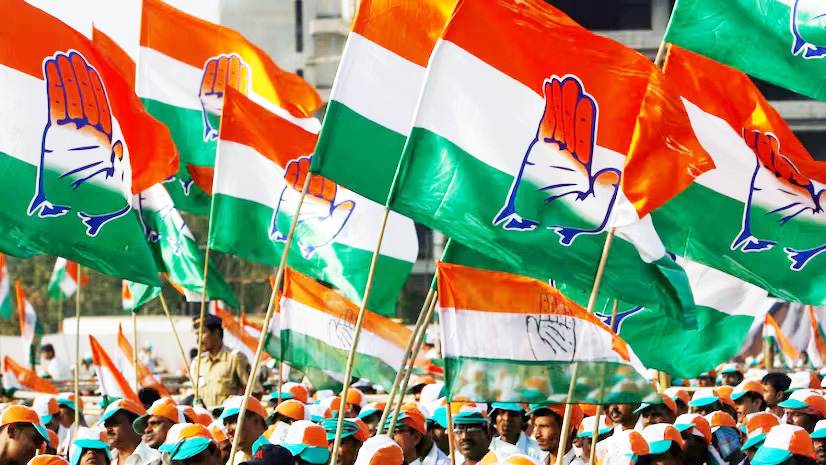
The Indian National Congress, a pivotal force in India’s struggle for independence and its post-independence political landscape, has long been associated with the rhetoric of unity. Its emphasis on Hindu-Muslim unity during the freedom movement is well-documented, as it sought to forge a collective national identity against colonial rule. However, a critical examination reveals a significant gap in its approach: the lack of concerted effort to address Dalit-Savarna consciousness and foster unity within the Hindu social fabric. This raises a pertinent question—did Congress deliberately sidestep the issue of Dalit-Savarna unity, and in doing so, did it undermine the broader unity of Hindus? This article explores the historical, social, and political factors behind Congress’s approach, analyzing its priorities, limitations, and the implications of its choices.

Hindu-Muslim Unity: A Strategic Priority

The Congress’s focus on Hindu-Muslim unity was rooted in the political exigencies of the colonial era. The British policy of “divide and rule” exploited communal tensions, particularly between Hindus and Muslims, to weaken the nationalist movement. Events like the partition of Bengal in 1905 and the introduction of separate electorates under the Morley-Minto Reforms of 1909 deepened communal divides. Congress, under leaders like Mahatma Gandhi, Jawaharlal Nehru, and Maulana Azad, recognized that a united front was essential to challenge British hegemony. Initiatives like the Khilafat Movement (1919–1924) and Gandhi’s emphasis on communal harmony were strategic efforts to bridge the Hindu-Muslim divide and consolidate anti-colonial sentiment.

This focus was not merely ideological but pragmatic. Muslims constituted a significant portion of India’s population, and their alienation could have fractured the nationalist movement. Congress’s alliances with Muslim leaders and organizations, such as the All-India Muslim League (before its shift toward separatism), were aimed at presenting a unified resistance. However, this singular focus on Hindu-Muslim unity often overshadowed other social cleavages, particularly the deep-seated caste hierarchies within Hindu society.

The Dalit-Savarna Divide: A Neglected Fault Line

The caste system, with its rigid hierarchies, has been a defining feature of Hindu society for centuries. Dalits, historically relegated to the margins as “untouchables,” faced systemic exclusion, economic exploitation, and social stigma. While Congress championed the cause of national unity, its engagement with the Dalit question was inconsistent and often superficial. The party’s failure to prioritize Dalit-Savarna consciousness—i.e., fostering mutual understanding and equality between Dalits and upper-caste (Savarna) Hindus—reflected both ideological blind spots and political calculations.

One reason for this neglect was the composition of Congress’s leadership. Dominated by upper-caste elites, including Brahmins and other Savarna groups, the party’s worldview was shaped by their social milieu. Leaders like Gandhi, despite their commitment to social reform, often approached the caste question through a paternalistic lens. Gandhi’s campaigns against untouchability, such as the Harijan upliftment movement, focused on moral persuasion rather than structural change. His insistence on reforming the caste system from within, rather than dismantling it, alienated radical Dalit leaders like B.R. Ambedkar, who sought systemic transformation.

Ambedkar’s critique of Congress is particularly revealing. He argued that the party’s commitment to Hindu unity was inherently Savarna-centric, prioritizing the interests of upper castes while marginalizing Dalits. The Poona Pact of 1932, which replaced separate electorates for Dalits with reserved seats, is a case in point. While Gandhi framed it as a victory for Hindu unity, Ambedkar saw it as a compromise that diluted Dalit political autonomy. Congress’s reluctance to embrace Ambedkar’s vision of caste annihilation reflected its fear of alienating its Savarna base, which wielded significant social and economic influence.

Political Expediency Over Social Justice

Congress’s approach to the Dalit question was also shaped by electoral and political considerations. In pre-independence India, the party relied heavily on the support of landed elites and upper-caste communities, who formed the backbone of its organizational structure. Addressing the Dalit-Savarna divide head-on risked antagonizing these groups, many of whom upheld caste hierarchies. Congress’s strategy was to maintain a broad coalition, avoiding issues that could fracture its support base.

Post-independence, this pattern continued. While the Constitution, drafted under Ambedkar’s leadership, enshrined principles of equality and affirmative action, Congress’s implementation of these measures was often half-hearted. Reservation policies and anti-discrimination laws were introduced, but their enforcement was weak, particularly in rural areas where caste oppression was most entrenched. Congress governments frequently prioritized economic development and secularism over social justice, assuming that caste inequalities would gradually dissolve with modernization. This assumption proved flawed, as caste continued to shape social and political dynamics.

The party’s engagement with Dalit issues was often reactive, driven by the rise of Dalit movements rather than proactive policy. For instance, the emergence of the Dalit Panthers in the 1970s and the Bahujan Samaj Party in the 1980s forced Congress to address Dalit concerns, but these efforts were often limited to co-opting Dalit leaders or offering symbolic gestures. The lack of a sustained program to foster Dalit-Savarna consciousness—through education, social campaigns, or policy interventions—underscored Congress’s reluctance to confront caste head-on.

Did Congress Undermine Hindu Unity?

The question of whether Congress avoided maintaining the unity of Hindus is complex. On one hand, the party’s focus on Hindu-Muslim unity was a deliberate attempt to strengthen the nationalist movement, which included Hindus as a broad category. Gandhi’s concept of “Ram Rajya” and his emphasis on Hindu scriptures were meant to appeal to Hindu sentiments while promoting inclusivity. However, by sidelining the Dalit-Savarna divide, Congress inadvertently perpetuated a fractured Hindu identity. The exclusion of Dalits from the mainstream Hindu fold, both socially and politically, created a sense of alienation that persists to this day.

Critics argue that Congress’s approach reinforced a hierarchical Hindu unity, one that privileged Savarna interests while marginalizing Dalits. This selective unity was evident in the party’s reluctance to challenge practices like untouchability with the same vigor it applied to communal harmony. By avoiding the Dalit-Savarna question, Congress missed an opportunity to forge a more inclusive Hindu identity, one that transcended caste and embraced social equality.

On the other hand, Congress’s defenders contend that the party faced immense challenges in balancing multiple social and political demands. The urgency of Hindu-Muslim unity in the face of colonial divide-and-rule tactics and the looming threat of partition left little room for addressing intra-Hindu divisions. Moreover, the caste question was deeply entrenched, requiring long-term structural changes that could not be achieved overnight. Congress’s gradualist approach, while flawed, was an attempt to maintain stability while pursuing incremental reforms.

Implications and Contemporary Relevance

The legacy of Congress’s approach continues to shape India’s social and political landscape. The rise of Dalit political parties and movements reflects the unmet aspirations of Dalit communities, who feel betrayed by Congress’s failure to address their concerns. At the same time, the party’s emphasis on secularism and communal harmony has been criticized by some as a form of “pseudo-secularism” that ignores the internal contradictions within Hindu society.

In contemporary India, the question of Dalit-Savarna unity remains as relevant as ever. The persistence of caste-based discrimination, violence, and inequality underscores the need for a concerted effort to foster mutual understanding and equality. Political parties, including Congress, must move beyond tokenism and address the structural roots of caste oppression. This requires not only policy interventions but also a cultural shift that challenges Savarna privilege and promotes inclusive narratives of Hindu identity.

The Indian National Congress’s emphasis on Hindu-Muslim unity was a strategic necessity during the freedom struggle, but its neglect of Dalit-Savarna consciousness reveals a critical blind spot. Shaped by its upper-caste leadership, political expediency, and a gradualist approach to social reform, Congress failed to address the deep-seated caste divide within Hindu society. While it sought to unite Hindus under a broad nationalist banner, its reluctance to confront caste hierarchies undermined the possibility of a truly inclusive Hindu unity. The consequences of this failure continue to resonate, highlighting the need for a renewed commitment to social justice and equality in India’s political discourse.

मराठा साम्राज्य को विस्तार देने वाले सुप्रसिद्ध सेनानायक

0e207726-a332-4407-baab-3fc555288890_202304281325038126_H@@IGHT_480_W@@IDTH_639.jpeg

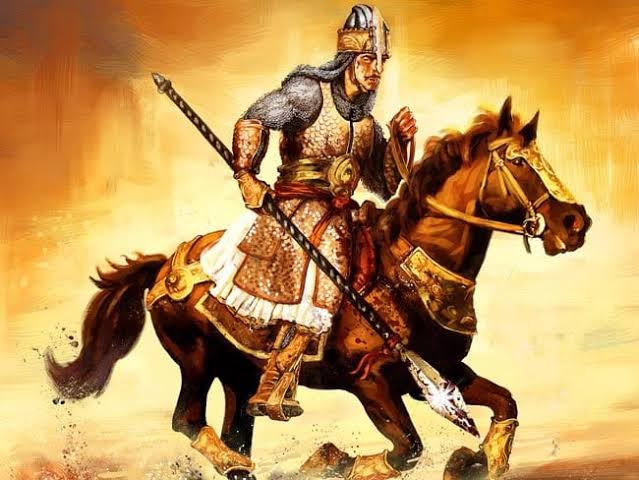
पिछले डेढ़ हजार वर्षों में पूरे संसार का स्वरूप बदल गया है । 132 देश एक राह पर, 57 देश दूसरी राह पर और अन्य देश भी अपनी अलग-अलग राहों पर हैं। इन सभी देशों उनकी मौलिक संस्कृति के कोई चिन्ह शेष नहीं किंतु हजार आक्रमणों के बाद यदि भारत में उसका स्वरूप है जो उसके पीछे बाजीराव पेशवा जैसी महान विभूतियों का बलिदान है । जिससे आज भारत का स्वत्व प्रतिष्ठित हो रहा है । ऐसे महान यौद्धा का आज 28 अप्रैल को निर्वाण दिवस है । उनका पूरा जीवन युद्ध में बीता । वे अपने सैन्य अभियान के अंतर्गत मध्यप्रदेश के मालवा क्षेत्र में थे । यहीं स्वास्थ्य बिगड़ा और उनका निधन हो गया । तब उनकी आयु मात्र उन्नीस वर्ष के थे, बीसवाँ वर्ष आरंभ किया ही था । कि उनके पिता पेशवा बालाजी राव का निधन हो गया और मराठा साम्राज्य के अधिपति छत्रपति शाहूजी महाराज ने पेशवाई का दायित्व इन्हें सौप दिया । उन्होंने 1720 में पेशवाई संभाली और बीस वर्ष का पूरा कार्यकाल केवल युद्ध में बीता । उन्होंने अपने जीवन में कुल 43 युद्ध कियै । और सभी में विजयी रहे । यदि उनके मार्ग में हुईं छोटी बड़ी झड़पों के युद्धों को भी जोड़ा जाये तो यह संख्या 54 तक होती है । उन्होंने प्रत्येक युद्ध जीता । वे किसी युद्ध में नहीं हारे ।

श्रीमंत बाजीराव पेशवा का जन्म 18 अगस्त 1700 में हुआ था । उनके पिता बालाजी भी पेशवा थे । माता राधा बाई भी कुशल ग्रहणी और युद्ध कला में निपुण थीं। इस प्रकार वीरता और कौशल के संस्कार उन्हे जन्म से मिले थे । बाजीराव बचपन से गंभीर धैर्यवान और साहसी थे । उन्होंने बाल वय में ही घुड़सवारी, तीरन्दाजी, तलवार भाला, बनेठी, लाठी आदि चलाना सीख ली थी । वे मात्र बारह वर्ष की आयु से ही अपने पिता के साथ युद्ध में जाने लगे थे । सैनिकों का कौशल देखना और घायलों की सेवा करना उनके स्वभाव में था । वे पिता के साथ दरवार भी जाते थे । इससे दरबार की गरिमा और राजनीति में निपुण हो गये थे । अभी उन्होंने अपनी आयु के उन्नीस वर्ष ही पूरे किये और बीसवां वर्ष आरंभ ही हुआ था कि पिता का निधन हो गया । शाहूजी महाराज ने किशोर वय से बाजीराव की प्रतिभा देखी थी अतएव उन्होंने बाजीराव को इसी आयु में पेशवा कि दायित्व सौंप दिया । उन्होंने एक प्रकार से अल्प आयु में इतना महत्वपूर्ण दायित्व संभाला था । किन्तु अपनी असाधारण क्षमता और योग्यता से हिन्दु पदपादशाही की साख पूरे भारत में प्रतिष्ठित की । अपनी दूरदर्शिता, अद्भुत रण कौशल, सटीक निर्णय और अदम्य साहस से मराठा साम्राज्य का भारत भर मे विस्तार किया । वे श्रीमंत शिवाजी महाराज की भांति ही कुशल रणनीतिकार और यौद्धा थे । वे घोड़े पर बैठे-बैठे और चलती हुई सेना के बीच भी रणनीति बना लेते थे । घोड़ा भले थके पर वे नहीं थकते थे । घोड़ा यदि थकता था तो वे घोड़ा बदल लेते थे । भागते हुये घोड़े पर बैठे उनके भाले की फेंक इतनी तीब्र होती थी कि शत्रु अपने घोड़े सहित घायल होकर धरती पर गिर पड़ता था ।

श्रीमंत बाजीराव ने जब पेशवा दायित्व संभाला तब दक्षिण भारत में तीन प्रकार की चुनौतियाँ थीं । मुगलों के साथ-साथ अंग्रेजों व पुर्तगालियों के अत्याचारों का भी बोलबाला था । भारतीय जनों और भारतीय गरिमा के प्रतीक देवस्थान तोड़े जा रहे थे । भय और लालच से पंथ परिवर्तन की तो मानो स्पर्धा चल रही थी । महिला और बच्चों के शोषण की नयी नयी घटनायें घट रहीं थीं । ऐसे विपरीत वातावरण में श्रीमन्तबाजीराव ने पहले दक्षिण भारत में भारतीय जनों को ढाढ़स दिया फिर उत्तर की ओर रुख किया । उनकी विजय वाहनी ने ऐसा वातावरण बनाया जिससे पूरे भारत में भारतीय भूमि पुत्रों का आत्मविश्वास जागा । बाद के वर्षो में यदि ग्वालियर, इंदौर बड़ौदा आदि में मराठा राज्य स्थापित हुये और दिल्ली की मुगलसल्तनत को सीमित किया जा सकता तो इसकी नींव श्रीमन्तबाजीराव पेशवा ने रखी थी । उन में शिवाजी महाराज जैसी ही वीरता व पराक्रम और चरित्र था।

उनके प्रमुख अभियानों में मुबारिज़ खाँ को पराजित कर मालवा और कर्नाटक में प्रभुत्त्व स्थापित किया । पालखेड़ के युद्ध में निजाम को पराजित कर उससे राजस्व और सरदेशमुखी वसूली । फिर मालवा और बुन्देलखण्ड में मुगल सेना नायकों पर विजय प्राप्त की । फिर मुहम्मद खाँ बंगश को परास्त किया । दभोई में त्रिम्बकराव के आन्तरिक विरोध का दमन किया । सीदी, आंग्रिया तथा पुर्तगालियों एवं अंग्रेजो को भी बुरी तरह पराजित किया । 1737 में उन्होंने दिल्ली अभियान किया । उनका मुकाबला करने एक लाख की फौज लेकर वह सआदत अली खान सामने आया । मुगलों ने पीछे से निजाम हैदराबाद को बुलाया । उनकी रणनीति थी कि सामने से सआदत खान एक लाख की सेना से और पीछे से निजाम हमला बोले । पर बाजीराव पेशवा उनकी चाल समझ गये । उन्होने सआदत को युद्ध में उलझाया और चकमा देकर दिल्ली पहुँच गए जबकि चिमाजी अप्पा ने अपनी दस हजार की फौज से निजाम को मालवा में रोक लिया । बाजीराव अभी दिल्ली में लाल किले के सामने पहुँचे ही थे मुगलों में दहशत फैल गई। मुगल बादशाह मोहम्मद शाह जो छुप गया और खजाना बाजीराव पेशवा के सुपुर्द कर दिया । पेशवा के दिल्ली जाने की खबर सआदत खान को लगी वह दिल्ली की ओर लौटने लगा ।

बाजीराव रास्ता बदलकर पुणे की ओर लौट पड़े। तब बादशाह मोहम्मद शाह ने साआदत अली खान को संदेश भेजा कि वह निजाम हैदराबाद के साथ मिलकर बाजीराव को रास्ते में ही घेर ले । इन दोनों ने नबाब भोपाल की मदद लेकर भोपाल के पास सिरोंज से दोराहे के बीच मोर्चाबंदी कर ली । बाजीराव इसी मार्ग से लौट रहे थे । इन तीनों सेनाओं से मराठा सेना का आमना सामना हुआ । सेना कम होने के बाद बाजीराव जीते । युद्ध का खर्चा बसूल किया । यह संधि दोराहे संधि के नाम से इतिहास में प्रसिद्ध है । इसमें मराठों को पूरे मालवा में राजस्व बसूलने का अधिकार मिला । इससे मराठों का प्रभाव सम्पूर्ण भारत में स्थापित हो गया ।

1739 में उन्होनें नासिरजंग को हराया । अमेरिकी इतिहासकार बर्नार्ड माण्टोगोमेरी ने बाजीराव पेशवा भारत के इतिहास का सबसे महानतम सेनापति बताया है और पालखेड़ युद्ध में जिस तरीके से उन्होंने निजाम को पराजित किया वह केवल बाजीराव ही कर सकते थे । श्रीमंत बाजीराव और उनके भाई चिमाजी अप्पा ने बेसिन के लोगों को पुर्तगालियों के अत्याचार से भी बचाया । उन्होंने सेना में ऐसे युवा सरदारों की टोली तैयार की जिन्होंने आगे चलकर भारत की धरती पर नया इतिहास बनाया । इनमें मल्हारराव होलकर, राणोजीराव शिन्दे शामिल थे जिन्होंने आगे चलकर इंदौर और ग्वालियर में हिन्दवी साम्राज्य की शाखा स्थापित की । अपने इसी विजय अभियान के अंतर्गत वे महाराष्ट्र वापस लौट रहे थे कि मार्ग में उनका स्वास्थ्य बिगड़ गया और वे मध्यप्रदेश के खरगोन में कुछ विश्राम को रुके और वहीं 28 अप्रैल 1740 में उन्होने दुनियाँ से बिदा ले ली । नर्मदा किनारे वहीं उनका अंतिम संस्कार किया गया । उस स्थान पर समाधि बनी है । वहाँ आज भी प्रतिदिन सैंकड़ो लोग अपने प्रिय पेशवा को श्रृद्धाँजलि अर्पित करने जाते हैं । बाजीराव जी भगवान शिव के उपासक थे । बाद में इंदौर की महारानी अहिल्याबाई ने वहाँ शिव लिंग की स्थापना की । जो आज भी है । उन्होंने दो विवाह किये थे । पहली पत्नी काशीबाई और दूसरी पत्नि देवी मस्तानी थीं । उनके बाद उनके पुत्र बालाजी बाजीराव ने आगे चलकर पेशवा का दायित्व संभाला । और अपने पिता के अधूरे काम को इसे बढ़ाया।

What would I have done if I were in Pahalgam that day?

aru-valley-4.jpg

Shefali Vaidya

Pune: The Islamic terrorist attack targeting Hindus in Pahalgam has left me extremely disturbed for the past few days. Last night I had a dream. I was standing in the lush green meadows of Pahalgam, and a cold gun barrel was pointed at my face. Beyond the barrel were cruel, frozen, cold eyes filled with extreme hatred.

I woke up at 2 am drenched in sweat. My heart was still racing and a single question lingered in my mind — what would I have done if something like this had happened to me? Would I have removed my bindi to save my life? Would I have renounced my faith and recited the kalma?

No one has taught us to face death with courage. We are ordinary people, not soldiers. The fear of death is a strong natural instinct.

Would I have behaved like that in Pahalgam that day, or would I have faced death with courage knowing death was inevitable? Or would I have been paralyzed, unable to decide what to do?

Honestly, I don’t know the answer to this question. I hope that if such a situation were to arise, I would be worthy of my freedom fighter father’s legacy, who took up arms for the country at the age of 21.

When we are safely asleep in our warm beds it is easy to talk about bravery. But the truth is none of us know how we would react in that moment.

Courage is a muscle we are unaware of until we are faced with a crisis. I cannot say for sure what I would have done if I were in Pahalgam that day.

But one thing I can say for sure is we Hindus have been living under the illusion such things will never happen to us. We think we will never have to choose between our faith and our lives.

We know millions of Hindus in India have had to make this choice at some point. We have read history, but we conveniently forget it because the truth is bitter.

This is our history, our present, and if we open our eyes wide, our future. This truth is a reality for the families of the 26 people who lost their lives in Pahalgam.

Please don’t be under any illusion — our enemies have no interest in secularism. For them, we are just ‘kafirs’, a target, a sacrifice, a ticket to heaven.

I pray to Goddess Durga when that moment comes, I will have the strength to face death with my head held high and eyes open.

scroll to top