किसकी गलती को लेकर बहस करते बेशर्म हिन्दू

3-1-10.jpeg

सर्जना शर्मा

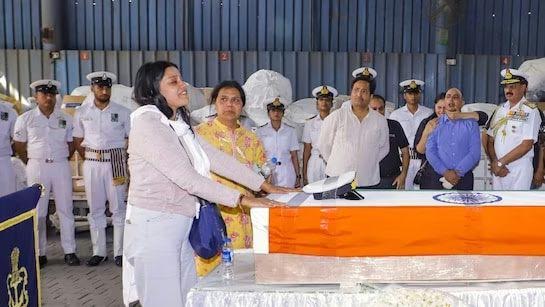
हरियाणा के नए नवेले विवाहित जोड़े हिमांशी और विनय नरवाल के साथ जो हुआ वही हुआ जो दिसंबर 1999 में गुड़गांव के रुपिन कत्याल और उनकी पत्नी रचना कत्याल के साथ हुआ था । मेरी आंखों के सामने रचना कत्याल घूम गयी रुपिन कत्याल के शादी वाले घर की तस्वीरें घूम गयीं । उन दिनों मैं जी न्यूज़ चैनल में रिपोर्टर थी । कंधार विमान अपहरण जो मुसलमान आंतकवादियों ने अपने खूंखार साथियों को छुडा़ने के लिए किया था उसमें हनीमून मना कर काठमांडू से लौट रहे कत्याल दंपत्ति भी थे । आंतकवादियों ने रूपिन को मार डाला कल्पना किजिए कैसे एक सप्ताह तक नयी नवेली दुल्हन ने इन बेदिल बर्बर आंतकवादियों के बीच पति की लाश के साथ दिन काटे होंगें कोई अपना नहीं था साथ ,खौफ का साया हर समय ।

24 दिसंबर से 31 दिसंबर तक हम सभी रिपोर्टर तीन डिग्री तापमान और ठंडी हवाओं के बीच नागरिक उड्डयन मंत्रालय में ज़मीन पर अखबार बिछाकर रात काटते मंत्रालय ने हमारे लिए दाल चावल का इंतजाम कर दिया था लेकिन सर्दी तो हमें झेलनी ही थी । दिन में प्रधानमंत्री आवास के बाहर खड़े रहते उन दिनों प्रधानमंत्री आवास के गेट के बाहर ही हमारे बैठने की व्यवस्था रहती थी आजकल मैं देखती हूं काफी दूर मीडिया को खड़े रहना पड़ता है । रिपोर्टर आती जाती कारों का पीछा करते कुछ मंत्री उतर कर बात भी कर लेते थे । दिल्ली के अंतरराष्ट्रीय हवाई अड्डे के पास संतूर होटल में अपहृत विमान यात्रियों के परिजनों को रखा गया था उनसे भी हम संवाददाता मिलते ।

रिहा हो कर जब वे लौटे तो जाहिर सी बात है सबका ध्यान रूपिन कत्याल पर था । रूपिन का अंतिम संस्कार कवर करने का जिम्मा मुझे दिया गया था । गुड़गांव में रूपिन की बड़ी सारी कोठी थी जिसमें शादी के घर की पूरी शुभता दिखायी दे रही थी । दीवारों पर हल्दी के हाथों के थापे देवताओं के थापे वंदनवारों से सजा घर सोचिए जिस घर में शादी की मिठाइयां रखी हुई थी वहां नवविवाहित बेटे की लाश लायी जाए मेंहदीं रचे हाथों में चूड़ा पहने दुल्हन विधवा हो कर लौटे । उस दर्द को केवल महसूस किया जा सकता है ।

जैसे रचना ने आंतकवादियों के आगे हाथ जोड़े थे वैसे ही हिमांशी ने भी जोड़े लेकिन इनको तो अल्लाह के नाम पर मासूमों का कत्ल करना था सो कर दिया ।

कत्याल परिवार के घर के बाहर सैंकड़ों लोग थे उनके रिश्तेदार कम और उनसे सहानूभूति रखने वाले ज्यादा । मीडिया का पूरा जमावड़ा था । रूपिन कत्याल की शव यात्रा और अंतिम संस्कार को मैने पूरा कवर किया । उनके परिवार के साथ साथ गुड़गांव के लोगों का रूदन भी देखा नहीं जा रहा था ।
सोचिए कि 16 अप्रैल को जिसकी शादी हुई और 22 अप्रैल को उसकी आंखों के सामने आंतकवादियों ने पति को गोली मार दी उस लड़की की उसके परिवार की ससुराल वालों की क्या हालत होगी ।

और हमारे बेशर्म हिंदु ही कह रहे हैं कि गलती आंतकवादियों की नहीं सुरक्षा बलों की है । लेकिन ये भी सच है कि घाटी के किसी टूर ऑपरेटर की सूचना पर ही आंतकवादी वहां पहुंचे उनको बताया गया था कि भारत सरकार के कई अधिकारी इस टूर ग्रुप में शामिल हैं । हिंदुओं का कुछ नहीं हो सकता पूरी दुनिया में आंतकवादी घटनाओं को कौन अंजाम देता है ये कौन नहीं जानता पूरी दुनिया में आंतकवादी संगठन किसके हैं ये सबको पता है फिर भी इनकी फंडिंग और मदद करनेवालों की कमी नहीं है विशेषकर भारत का बुद्धिजीवी वर्ग । चाहे वो पत्रकारिता में हो वकालत में हो शिक्षा जगत में हों लेखन में हों कला में हों ऐसे तर्क पेश करते हैं कि जैसे सलीम जावेद की स्क्रिप्ट पर बनी फिल्मों में स्मगलर , गुंडा बना नायक । बेचारे के बाप को चोरी के इल्जाम में फंसा दिया गया उसके हाथ पर बचपन में चोर लिख दिया गया तो वो स्मगलरों के गिरोह में चला गया । आंतकवाद का समर्थन और मोदी का विरोध करने वालों जब आंच तुम्हारे घर तुम्हारे बेटे बेटियों बहुओं तक पहुंचेगी तब ही तुम्हारी आंख खुलेगी । जब आंतकवादियों से सामना होगा वो नहीं देखेंगे कि तुमने कितनी हिंदु विरोधी पोस्ट लिखी तुमने गंगा जमुनी तहजीब का कितना राग गाया । बस तुम अल्लाह के दीन पर नहीं चलते यही देखा जाएगा । ये कौम के नाम पर पूरी दुनिया में एक है तुम गाते रहो सेकुलरजिम का राग तुम बनते रहो प्रगतिशील और इनको क्या चाहिए इनकी फांसी की सजा रूकवाने के लिए नसीरूद्दीन जैसे अभिनेता सामने आते हैं ।
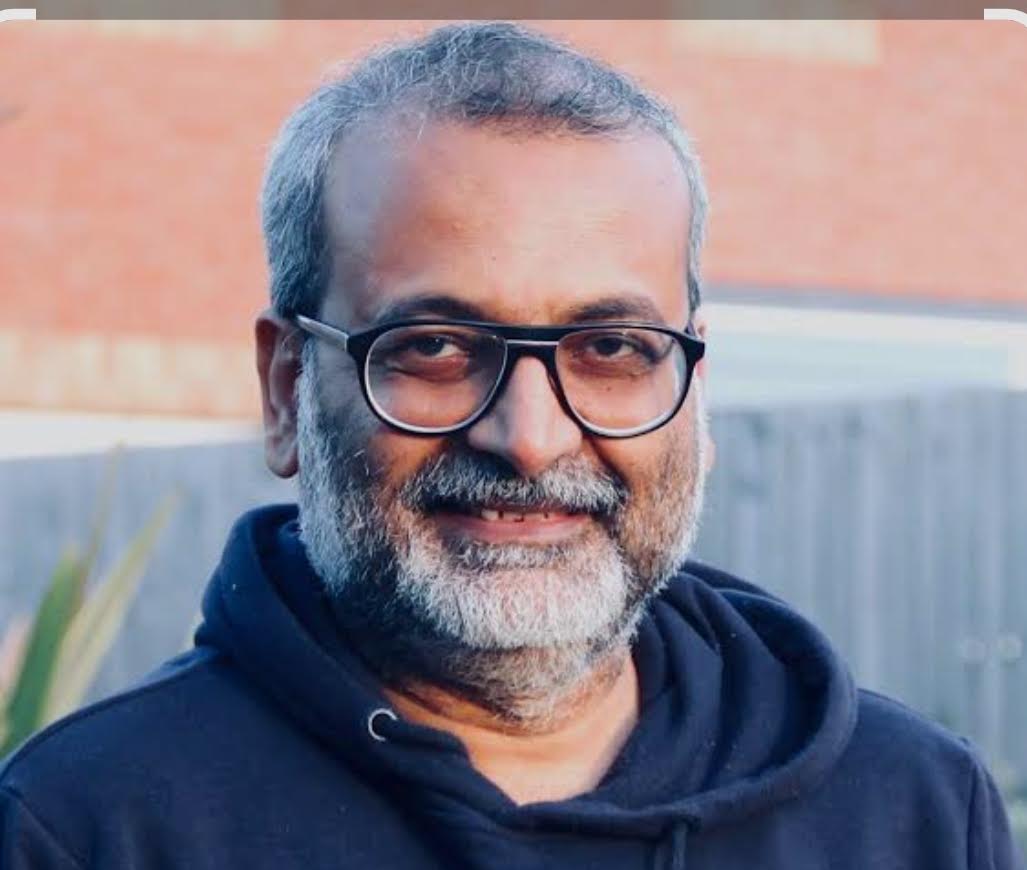
मोतिहारी के अनुरंजन झा ने कर दिया कमाल

3-1-9.jpeg

कह नहीं सकता कि बेतिया और मोतिहारी के समाचार पत्रों में यह खबर छपी है या नहीं! यदि अब तक नहीं तो इसे प्रकाशित होना चाहिए।

आप गूगल कीजिए #Hinduphobia देखिए दुनिया में क्या चल रहा है?

हम कश्मीर में अपने बंधुओं की हत्याएं नहीं रोक पा रहे जिनसे पूछकर गोली मारी गई कि “तुम्हारा धर्म क्या है”।

दूसरी तरफ कैसे The Scottish Parliament ने अपने सदन में Gandhian Peace Society की रिपोर्ट पर प्रस्ताव पास किया है। यह किसी शोधार्थी के लिए रिसर्च टॉपिक हो सकता है।

मोतिहारी के अनुरंजन झा ने Dhruva Kumar की टीम के सहयोग से 3 साल की मेहनत के बाद ये रिपोर्ट तैयार की है।

अनुरंजन झा पूछ रहे हैं, ”आप जरा गौर कीजिए कि हिन्दुस्तान में हम कहां चूक रहे हैँ।”
………………………………………….

The Scottish Parliament’s endorsement of the Gandhian Peace Society’s report, “Hinduphobia in Scotland: Understanding, Addressing, and Overcoming Prejudice,” presents a compelling research topic for scholars, particularly in fields like sociology, political science, religious studies, or diaspora studies. *The report, led by Anuranjan Jha from Motihari, Bihar, in collaboration with Dhruva Kumar and their team* , is a pioneering effort that took three years to complete. It marks the first UK parliamentary-recognized study on anti-Hindu discrimination, making it a significant case study for understanding religious prejudice, policy advocacy, and the application of Gandhian principles in modern governance.

Potential Research Topics

1. Sociopolitical Impact of the Report:

o How has the report influenced policy discourse on religious equality in Scotland?
o What role did cross-party support (e.g., MSPs like Ash Regan, Colin Beattie) play in its parliamentary acceptance?
o How does this motion set a precedent for addressing minority discrimination in Europe?

2. Gandhian Principles in Advocacy:

o How did the Gandhian Peace Society apply non-violence and social justice principles to combat Hinduphobia?
o To what extent does the report reflect Mahatma Gandhi’s philosophy in addressing contemporary issues of religious prejudice?

*Role of Diaspora Leadership:*

o Analyze Anuranjan Jha’s leadership as a Motihari native in mobilizing a global dialogue on Hinduphobia.
o How did Dhruva Kumar’s background as a trade unionist and ALBA Party candidate shape the report’s political strategy?

3. *Empirical Analysis of Hinduphobia:*
o Investigate the report’s data, such as the 56% surge in anti-Hindu hate crimes (2019–2021) or workplace discrimination statistics (e.g., 93% of Hindu employees avoiding religious attire).
o How do specific incidents, like the vandalism of Dundee’s Shree Sanatan Mandir, reflect broader systemic challenges?

4. *Comparative Studies:*
o Compare Scotland’s approach to Hinduphobia with other nations’ handling of religious discrimination (e.g., Islamophobia in the UK or anti-Semitism in Europe).
o How does this report align with global human rights frameworks?

5. *Media and Public Engagement:*
o Explore the report’s global reach, with coverage in over 110 media outlets (e.g., ANI, The Tribune).
o How did platforms like Awaz FM amplify the report’s impact among Scottish and diaspora communities?

*Research Significance*

The report’s historic acceptance by the Scottish Parliament on April 8, 2025, via motion S6M-17089, highlights its relevance for studying minority rights advocacy. It offers a lens to examine how small communities (Hindus make up 0.3% of Scotland’s population) can drive legislative change. The involvement of Anuranjan Jha and Dhruva Kumar underscores the power of diaspora-led initiatives in shaping multicultural policies, making it an inspiring case for researchers interested in social justice, interfaith dialogue, or postcolonial studies.

*Suggested Methodology*

• Qualitative Analysis: Conduct interviews with Anuranjan Jha, Dhruva Kumar, or Gandhian Peace Society members to understand the report’s creation process.
• Quantitative Analysis: Analyze hate crime data or workplace discrimination statistics cited in the report.
• Discourse Analysis: Study parliamentary debates, media coverage, and public responses to trace the report’s influence.
• Comparative Case Studies: Benchmark Scotland’s motion against similar initiatives globally.

*Challenges*

• Limited access to primary data or stakeholders in Scotland.
• Potential bias in media narratives or political framing of Hinduphobia.
• Balancing the report’s advocacy tone with academic objectivity.
This topic is ripe for a researcher aiming to explore the intersection of religion, policy, and activism, with the Gandhian Peace Society’s work serving as a model for transformative change.

When Dhaka pushes to bring back Hasina for trials in home soil

Sheikh-Hasina.png.webp

Nava Thakuria

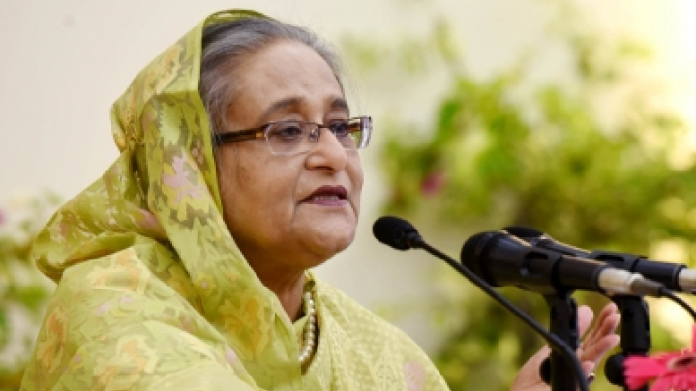
Guwahati: Bangladesh’s current interim government continues pursuing the return journey of ousted Prime Minister Sheikh Hasina to Dhaka so that she is compelled to face hundreds of legal cases, lodged in different locations of the south Asian nation, and finally delivered justice to the victims. The caretaker regime in Dhaka has seemingly maintained also an inherent agenda to embarrass the Union government in New Delhi for giving shelter to the autocratic Awami League chief, who ruled India’s immediate neighbour for more than two decades. Giving asylum to septuagenarian Hasina after a short notice as she had to leave her country following an unprecedented student-led uprising in July-August 2024, New Delhi continued supporting the daughter of Bangabandhu Sheikh Mujibur Rahman, even though with no formal announcement.

Lately the Bangla government, led by Professor Muhammad Yunus, approached the International Criminal Police Organization (popularly known as INTERPOL) with an appeal to issue a Red Notice against Hasina along with some of her associates against their involvement in the mass killings during the monsoon uprising. Sending a formal request to France’s Lyon-based inter-governmental body, the national central bureau of Bangladesh Police, claimed that all those accused are now absconding for many months in foreign lands. Usually issued for fugitives wanted for serious crimes such as murder, rape and fraud, the Red Notices reflect international requests to law enforcement agencies across the world. Even though these cannot be termed as international arrest warrants, the initiative is taken seriously to locate concerned person(s) to proceed with legal formalities.

Recently, Prof Yunus while meeting Prime Minister Narendra Modi in Bangkok on the sidelines of 6th BIMSTEC summit, reiterated the demand for Hasina’s repatriation. New Delhi remains non-committal to it and subsequently urged the Yunus administration to ensure safety and security to religious minorities in the Muslim majority nation. Popular Bangladeshi author Taslima Nasrin, who was forced to leave her country of birth, echoed the same version. In a recent media interview, Taslima also expressed her empathy towards Hasina, even though her passport was not renewed by the then premier Bangabandhu Kanya. Destiny has forced both the ladies to take shelter in India and Taslima keeps ready a question to Hasina (if they meet by chance somewhere in Delhi), “How does it feel to lose one’s home country!” Awami League’s archrival Bangladesh Nationalist Party (BNP) always termed Hasina as an agent of New Delhi and it was reflected once again with a party leader’s outburst. BNP vice-chairman Shamsuzzaman Dudu recently commented that Hasina would have integrated the country with India if it was possible. Hasina fled to her actual address, asserted Dudu during a public address.

Meanwhile, the recent abduction and subsequent killing of Bhabesh Chandra Roy (58) ignited another row of outrages as New Delhi termed it a systematic murder of minorities in Bangladesh. Officially reacting to the unfortunate incident, where the office bearer of Biral Upazila Puja Udjapan Parishad was severely assaulted in Dinajpur locality, New Delhi termed it another example of atrocities on Hindus there. Roy was reportedly kidnapped from his residence in Basudebpur village on 17 April and beaten to death by four individuals. They came on two bikes after confirming his presence at home and took Roy away towards Narabari village in the afternoon hours. According to wife Shantana Roy, the perpetrators first called him by phone to ensure his presence at home and after a few minutes they arrived to bring him with them. When Roy returned back by a rickshaw van, he was almost unconscious, and family members took him to a nearby hospital where he was declared dead. The victim’s son Swapan Chandra Roy lodged a police complaint accusing illegal money lenders namely Atikur Islam, Ratan Islam, Munna Islam and Md Rubel for their direct involvement with the murder.

The prime opposition Congress party also condemned Roy’s killing and urged the Union government to take up the matter with the highest urgency and prevail upon the regime in Dhaka to ensure a credible investigation to punish the culprits. The abduction and assault leading to Roy’s tragic death is a chilling reminder of the growing sense of insecurity among religious minorities in the region, commented senior Congress leader Jairam Ramesh, adding that it’s not an isolated incident. Over the past months, there have been repeated and deeply disturbing instances of attacks on minority communities in Bangladesh, from desecration of Hindu temples to targeted attacks on the homes and businesses of minorities. This pattern of intimidation and brutality cannot be ignored, he added.
Dhaka-based human rights group ‘Aain O Salis Kendra’ recently reported that 147 incidents of vandalism targeting Hindu houses, temples and businesses took place last month. It explained that over 408 households, including 36 cases of arson, were recorded where 113 attacks took place against Hindu-owned business groups. Moreover, 32 incidents of vandalism on temples and Ahmadiyya mosques were reported during the period. Days back, the United States renewed its travel advisory for Bangladesh, where it urged American citizens to reconsider visiting the country in general and Chittagong Hill Tracts region in particular over elevated threats of violence, terrorism, and kidnapping.

क्या भारत की न्यायपालिका एक “गैर-निर्वाचित सुपर विधायिका” बन चुकी है?

Court-Cases-Hammer-AA.png

दिल्ली। हाल के दिनों में भारत की उच्च न्यायपालिका के फ़ैसलों और टिप्पणियों ने एक ख़तरनाक रुझान पैदा कर दिया है। अदालतें कानून की व्याख्या करने की बजाय, अब नैतिकता के फ़तवे देने लगी हैं, समाज को सुधारने का दावा करने लगी हैं, और यहाँ तक कि सरकार को चलाने के तरीके भी बताने लगी हैं।

क्या यह न्यायिक सक्रियता है या फिर साफ़-साफ़ न्यायिक अतिक्रमण? उपराष्ट्रपति जगदीप धनखड़ ने इसी मुद्दे पर सवाल उठाए हैं, और उनकी चिंता बिल्कुल वाजिब है।

पूछ रहा है पूरा इंडिया। अदालतों की बढ़ती हुई दख़ल: क्या यह जायज़ है?

अप्रैल 2025 में सुप्रीम कोर्ट ने तमिलनाडु राज्य बनाम तमिलनाडु के राज्यपाल केस में एक ऐतिहासिक फ़ैसला सुनाया। कोर्ट ने कहा कि अगर राज्यपाल किसी बिल पर एक महीने के अंदर फ़ैसला नहीं करता है, तो वह बिल अपने-आप पास माना जाएगा। राष्ट्रपति के लिए यह समय सीमा तीन महीने रखी गई। यह फ़ैसला अनुच्छेद 142 के तहत दिया गया, जो कोर्ट को “पूर्ण न्याय” देने का अधिकार देता है।

लेकिन सवाल यह है: क्या अदालतों को यह अधिकार है कि वे संविधान में लिखे हुए नियमों को बदल दें? राज्यपाल और राष्ट्रपति के पास संविधान द्वारा दी गई विवेकाधीन शक्तियाँ हैं। अगर अदालतें उन्हें समय सीमा देने लगेंगी, तो फिर संविधान का मतलब ही क्या रह जाएगा?

उप राष्ट्रपति जगदीप धनखड़ ने सही कहा आज कुछ जज ऐसे हैं जो कानून बनाते हैं, सरकार चलाते हैं, और संसद से ऊपर हो गए हैं… लेकिन उन पर कोई कानून लागू नहीं होता!

यह कोई मामूली बात नहीं है। अगर अदालतें ऐसे फ़ैसले देती रहीं, तो एक दिन लोकतंत्र की बुनियाद ही हिल जाएगी। वरिष्ठ अधिवक्ता कहते हैं, अदालतें अब “उपदेशक” भी बन गई हैं।

सिर्फ़ कानूनी फ़ैसले ही नहीं, अब तो जज महोदय समाज को नैतिकता का पाठ भी पढ़ाने लगे हैं। कुछ वक़्त पहले दिल्ली हाईकोर्ट के एक जज के घर से जली हुई नोटें मिलने का मामला सामने आया। सुप्रीम कोर्ट ने इसकी जाँच शुरू की। लेकिन सवाल यह है कि क्या यह अदालत का काम है? क्या पुलिस और प्रशासन इसके लिए ज़िम्मेदार नहीं हैं?

इसी तरह, पहले भी अदालतों ने यौन संबंध, लव जिहाद, बलात्कार, पोर्नोग्राफी, शादी-ब्याह, धर्म, और संस्कृति पर अपनी राय थोपने की कोशिश की है। कुछ लोग इसे “प्रगतिशील” कहते हैं, लेकिन असल में यह लोकतंत्र के लिए ख़तरा है। अगर जज ही सब कुछ तय करेंगे, तो फिर जनता द्वारा चुने हुए नेताओं की क्या भूमिका रह जाएगी?

NJAC केस: जब अदालत ने खुद को संसद से ऊपर रख लिया

2015 में संसद ने NJAC (नेशनल ज्यूडिशियल अपॉइंटमेंट्स कमीशन) बनाने के लिए एक कानून पास किया था। इसका मक़सद था कि जजों की नियुक्ति में पारदर्शिता लाई जाए। लेकिन सुप्रीम कोर्ट ने इस कानून को ही रद्द कर दिया और कहा कि जजों की नियुक्ति का अधिकार सिर्फ़ “कॉलेजियम सिस्टम” के पास रहेगा।

यह फ़ैसला संसद की अवमानना थी। धनखड़ ने ठीक ही कहा कि यह एक “अलोकतांत्रिक वीटो” था। अगर न्यायपालिका खुद को संसद और सरकार से ऊपर समझने लगे, तो फिर लोकतंत्र का क्या होगा?

अदालतों को अपनी हद और मर्यादाएं मालूम होनी चाहिए, कहते हैं विधि जानकार। न्याय की देवी की आंखों पर पट्टी बंधे होने का कुछ तो अर्थ है। न्यायपालिका का काम कानून का पालन करवाना है, न कि खुद कानून बनाना या सरकार चलाना। अगर जज लगातार नैतिक उपदेश देते रहेंगे, सरकार के काम में दख़ल देते रहेंगे, और संसद के फ़ैसलों को रद्द करते रहेंगे, तो एक दिन लोकतंत्र की जगह “जजतंत्र” (Judiciary की हुकूमत) आ जाएगी।
धनखड़ की चेतावनी गंभीरता से लेने की ज़रूरत है: “जब एक संस्था दूसरी संस्था के काम में दख़ल देती है, तो यह संविधान के लिए ख़तरा है।”
भारत को फ़िलॉसफर किंग्स (दार्शनिक राजाओं) की नहीं, बल्कि ऐसे जजों की ज़रूरत है जो संविधान की मर्यादा को समझें, लोकतंत्र का सम्मान करें, और अपनी शक्तियों का दुरुपयोग न करें। वरना, आने वाला वक़्त भारतीय लोकतंत्र के लिए बहुत मुश्किल लेकर आएगा। हमें फैसला लेना होगा कि अदालतें कानून की व्याख्या करें या फिर देश चलाएँ?

scroll to top