Assessment of UP CM’s 8-Year Tenure

yogi_4-sixteen_nine-sixteen_nine.jpg.webp

Lucknow: As Chief Minister of Uttar Pradesh (UP), Yogi Adityanath’s eight-year tenure has established him as a significant pillar of the Bharatiya Janata Party (BJP), sparking speculation about his potential to succeed Narendra Modi. As the leader of India’s most populous state, Yogi has gained substantial administrative experience while tackling complex governance challenges during his long tenure. He has particularly built a strong image in terms of law and order.

Battling strong opponents like Akhilesh Yadav, Mayawati, Rahul Gandhi, and Priyanka Gandhi, Yogi Adityanath has enhanced the political significance and influence of Uttar Pradesh in national elections. He has demonstrated the ability to secure significant electoral victories while strengthening his political base. His steadfast adherence to Hindutva ideology aligns with a key segment of BJP’s core supporters. His reputation for strong governance and his ability to advance his political agenda have made him a highly visible political figure. This series of successes has bolstered the argument that Yogi Adityanath could be a strong contender for a larger role within the national political landscape.

In the next two to three years, Prime Minister Modi may choose to step down. While Amit Shah and Nitin Gadkari appear to be close contenders, the frontrunner is Uttar Pradesh (UP) Chief Minister Yogi Adityanath, whose eight-year tenure has been marked by bold governance, infrastructure transformation, and a firm stance on law and order. His leadership has reshaped UP, transforming it from a “BIMARU” state into an emerging economic powerhouse. Under his leadership, UP has witnessed unprecedented infrastructure development, including six new expressways such as the Purvanchal and Bundelkhand Expressways, significantly improving connectivity. These projects have not only facilitated trade but also boosted economic activity in previously neglected areas.

Economically, UP has emerged as India’s second-largest state economy. The state government claims that welfare schemes like free ration distribution to 150 million beneficiaries during the pandemic and housing under the PM Awas Yojana have lifted over 60 million people out of poverty. The revival of 122 sugar mills and timely payments to sugarcane farmers have strengthened rural livelihoods, bolstering his support among agricultural communities.

Bihar intellectual T.P. Srivastava says, “One of Adityanath’s most significant achievements is his crackdown on crime. His administration has eliminated 222 gangsters, arrested over 20,000 criminals, and invoked the National Security Act (NSA) against 930 individuals. Official statistics claim a significant reduction in robbery (59.7%) and murder (47.1%) since 2016.”

Senior media person Tan Joshi believes Adityanath’s tenure is deeply intertwined with Hindutva politics. The construction of the Ram Mandir in Ayodhya is a major achievement, fulfilling BJP’s decades-old promise and solidifying his image as a champion of Hindu nationalism. The successful organization of the 2025 Mahakumbh Mela—which saw participation from over 660 million devotees and generated ₹3.5 lakh crore in economic activity—further strengthened his reputation as a leader catering to cultural and religious aspirations.

In 2022, Adityanath made history by becoming the first UP CM in 37 years to secure a consecutive second term. This victory demonstrated his ability to establish an independent political identity beyond Modi’s shadow. His Hindutva-driven governance model, combined with welfare schemes, has created a loyal voter base.

Political observer Professor Paras Nath Chaudhary says, “However, the 2024 Lok Sabha elections saw a decline in BJP’s performance (33 seats compared to 62 in 2019), indicating challenges in maintaining dominance amidst opposition unity and caste-based politics. Yet, Adityanath’s campaigning in states like Maharashtra and Jharkhand showcased his pan-India appeal, making him a key figure in BJP’s future strategy. Adityanath’s strengths—decisive leadership, Hindutva appeal, and governance track record—make him a strong contender for a national role. His ability to mobilize voters independently of Modi and his straightforward administrative style align with BJP’s current political character.”
Tamil Nadu social activist T.N. Subramanian states, “Yogi Adityanath’s eight-year tenure in UP has proven his competence as an administrator and a mass leader. His focus on infrastructure, law and order, and cultural nationalism has transformed the state’s trajectory. While his governance model has earned him a loyal base, his national ambitions will depend on his ability to transcend regional and ideological boundaries.”

If he can broaden his appeal without diluting his core strengths, Adityanath could emerge as the natural successor to Modi.

योगी आदित्यनाथ: मोदी के उत्तराधिकारी? यूपी सीएम के 8 साल का आकलन

up_cm_yogi_adityanath_profile_hindustan_shikhar_samagam_2020_1582013539.jpg.webp

उत्तर प्रदेश (यूपी) के मुख्यमंत्री के रूप में योगी आदित्यनाथ के आठ साल के कार्यकाल ने उन्हें भारतीय जनता पार्टी (भाजपा) के एक महत्वपूर्ण स्तंभ के रूप में स्थापित कर दिया है, जिससे नरेंद्र मोदी के उत्तराधिकारी बनने की उनकी क्षमता के बारे में अटकलें लगाई जा रही हैं। भारत के सबसे अधिक आबादी वाले राज्य के मुख्यमंत्री के रूप में योगी ने अपने लंबे कार्यकाल में जटिल शासन चुनौतियों से निपटने के साथ-साथ पर्याप्त प्रशासनिक अनुभव प्राप्त किया है। उन्होंने विशेष रूप से कानून और व्यवस्था के संबंध में एक मजबूत नेतृत्व की छवि बनाई है।

अखिलेश यादव, बहन मायावती, राहुल, प्रियंका आदि जैसे मजबूत विरोधियों से जूझते हुए योगी आदित्यनाथ ने राष्ट्रीय चुनावों में उत्तर प्रदेश के राजनीतिक महत्व और प्रभाव को बढ़ाया है। उन्होंने अपने राजनीतिक आधार को मजबूत करते हुए महत्वपूर्ण चुनावी जीत हासिल करने की क्षमता का भी प्रदर्शन किया है। हिंदुत्व विचारधारा के प्रति उनका दृढ़ पालन भाजपा के मुख्य समर्थकों के एक महत्वपूर्ण वर्ग के साथ मेल खाता है। मजबूत शासन की उनकी प्रतिष्ठा और अपने राजनीतिक एजेंडे को आगे बढ़ाने की उनकी क्षमता ने उन्हें एक बहुत ही दृश्यमान राजनीतिक व्यक्ति बना दिया है। सफलताओं की इस श्रृंखला ने इस तर्क को आगे बढ़ाया है कि योगी आदित्यनाथ राष्ट्रीय राजनीतिक परिदृश्य के भीतर एक बड़ी भूमिका निभाने के लिए एक मजबूत दावेदार हो सकते हैं।

अगले दो से तीन वर्षों में, प्रधानमंत्री मोदी पद छोड़ने का विकल्प चुन सकते हैं। केवल अमित शाह और नितिन गडकरी ही करीबी दावेदार प्रतीत होते हैं, लेकिन सबसे आगे उत्तर प्रदेश (यूपी) के मुख्यमंत्री योगी आदित्यनाथ हैं, जिनके आठ साल के कार्यकाल में साहसिक शासन, बुनियादी ढांचा परिवर्तन और कानून व्यवस्था पर दृढ़ रुख रहा है। उनके नेतृत्व ने यूपी को नया रूप दिया है, इसे बीमारू राज्य से उभरती हुई आर्थिक महाशक्ति में बदल दिया है। उनके नेतृत्व में, यूपी ने अभूतपूर्व बुनियादी ढांचे का विकास देखा है, जिसमें पूर्वांचल और बुंदेलखंड एक्सप्रेसवे सहित छह नए एक्सप्रेसवे शामिल हैं, जो कनेक्टिविटी में काफी सुधार करते हैं। इन परियोजनाओं ने न केवल व्यापार को सुविधाजनक बनाया है, बल्कि पहले से उपेक्षित क्षेत्रों में आर्थिक गतिविधि को भी बढ़ावा दिया है।

आर्थिक रूप से, यूपी भारत की दूसरी सबसे बड़ी राज्य अर्थव्यवस्था के रूप में उभरा है। राज्य सरकार का दावा है कि महामारी के दौरान 150 मिलियन लाभार्थियों को मुफ्त राशन वितरण और पीएम आवास योजना के तहत आवास जैसी कल्याणकारी योजनाओं से 60 मिलियन से अधिक लोगों को गरीबी से बाहर निकाला गया है। 122 चीनी मिलों के पुनरुद्धार और गन्ना किसानों को समय पर भुगतान ने ग्रामीण आजीविका को मजबूत किया है, जिससे कृषि समुदायों के बीच उनका समर्थन मजबूत हुआ है।

बिहार के बुद्धिजीवी टीपी श्रीवास्तव कहते हैं कि “आदित्यनाथ की सबसे महत्वपूर्ण उपलब्धियों में से एक अपराध पर उनकी नकेल कसना है। उनके प्रशासन ने 222 गैंगस्टरों का सफाया किया है, 20,000 से अधिक अपराधियों को गिरफ्तार किया है और 930 व्यक्तियों के खिलाफ राष्ट्रीय सुरक्षा अधिनियम (NSA) लगाया है। आधिकारिक आंकड़ों का दावा है कि 2016 से डकैती (59.7%) और हत्या (47.1%) में भारी कमी आई है।”

सीनियर मीडिया पर्सन तपन जोशी का मानना है कि आदित्यनाथ का कार्यकाल हिंदुत्व की राजनीति से गहराई से जुड़ा हुआ है। अयोध्या में राम मंदिर का निर्माण एक महत्वपूर्ण उपलब्धि है, जिसने भाजपा के दशकों पुराने वादे को पूरा किया और हिंदू राष्ट्रवाद के चैंपियन के रूप में उनकी छवि को मजबूत किया। 2025 के महाकुंभ मेले का सफल आयोजन – जिसमें 660 मिलियन से अधिक भक्तों ने भाग लिया और आर्थिक गतिविधि में 3.5 लाख करोड़ रुपये का सृजन हुआ – ने सांस्कृतिक और धार्मिक आकांक्षाओं को पूरा करने वाले नेता के रूप में उनकी प्रतिष्ठा को और मजबूत किया।

2022 में, आदित्यनाथ ने लगातार दूसरा कार्यकाल हासिल करने वाले 37 वर्षों में पहले यूपी सीएम बनकर इतिहास रच दिया। इस जीत ने मोदी की छाया से परे जाकर एक स्वतंत्र राजनीतिक पहचान बनाने की उनकी क्षमता को प्रदर्शित किया। उनके हिंदुत्व-संचालित शासन मॉडल ने कल्याणकारी योजनाओं के साथ मिलकर एक वफादार मतदाता आधार तैयार किया है।

पॉलिटिकल आब्जर्वर प्रोफेसर पारस नाथ चौधरी कहते हैं, “हालांकि, 2024 के लोकसभा चुनावों में भाजपा के प्रदर्शन में गिरावट देखी गई (2019 में 62 के मुकाबले 33 सीटें), जो विपक्षी एकता और जाति-आधारित राजनीति के बीच प्रभुत्व बनाए रखने में चुनौतियों का संकेत देती है। फिर भी, महाराष्ट्र और झारखंड जैसे राज्यों में आदित्यनाथ के प्रचार ने उनकी अखिल भारतीय अपील को प्रदर्शित किया, जिसने उन्हें भाजपा की भविष्य की रणनीति में एक महत्वपूर्ण व्यक्ति बना दिया। आदित्यनाथ की ताकतें—निर्णायक नेतृत्व, हिंदुत्व की अपील और शासन का ट्रैक रिकॉर्ड—उन्हें राष्ट्रीय भूमिका के लिए एक मजबूत दावेदार बनाती हैं। मोदी से स्वतंत्र रूप से मतदाताओं को जुटाने की उनकी क्षमता और उनकी सीधी-सादी प्रशासनिक शैली भाजपा के मौजूदा राजनीतिक चरित्र के अनुरूप है।”

तमिल नाडु के सामाजिक कार्यकर्ता टी एन सुब्रमनियन के मुताबिक, “यूपी में योगी आदित्यनाथ के आठ साल के कार्यकाल ने एक प्रशासक और एक जननेता के रूप में उनकी योग्यता साबित कर दी है। बुनियादी ढांचे, कानून और व्यवस्था और सांस्कृतिक राष्ट्रवाद पर उनके फोकस ने राज्य की दिशा बदल दी है। जबकि उनके शासन मॉडल ने उन्हें एक वफादार आधार अर्जित किया है, उनकी राष्ट्रीय महत्वाकांक्षाएं क्षेत्रीय और वैचारिक सीमाओं को पार करने की उनकी क्षमता पर निर्भर होंगी।”

अगर वह अपनी मूल शक्तियों को कम किए बिना अपनी अपील को व्यापक बना सकते हैं, तो आदित्यनाथ मोदी के स्वाभाविक उत्तराधिकारी के रूप में उभर सकते हैं।

Policy samvad organised One-day Workshop on Funding the Future: Public Policy and Finance for Tribal Welfare and Inclusive Growth

3-1-1.jpeg

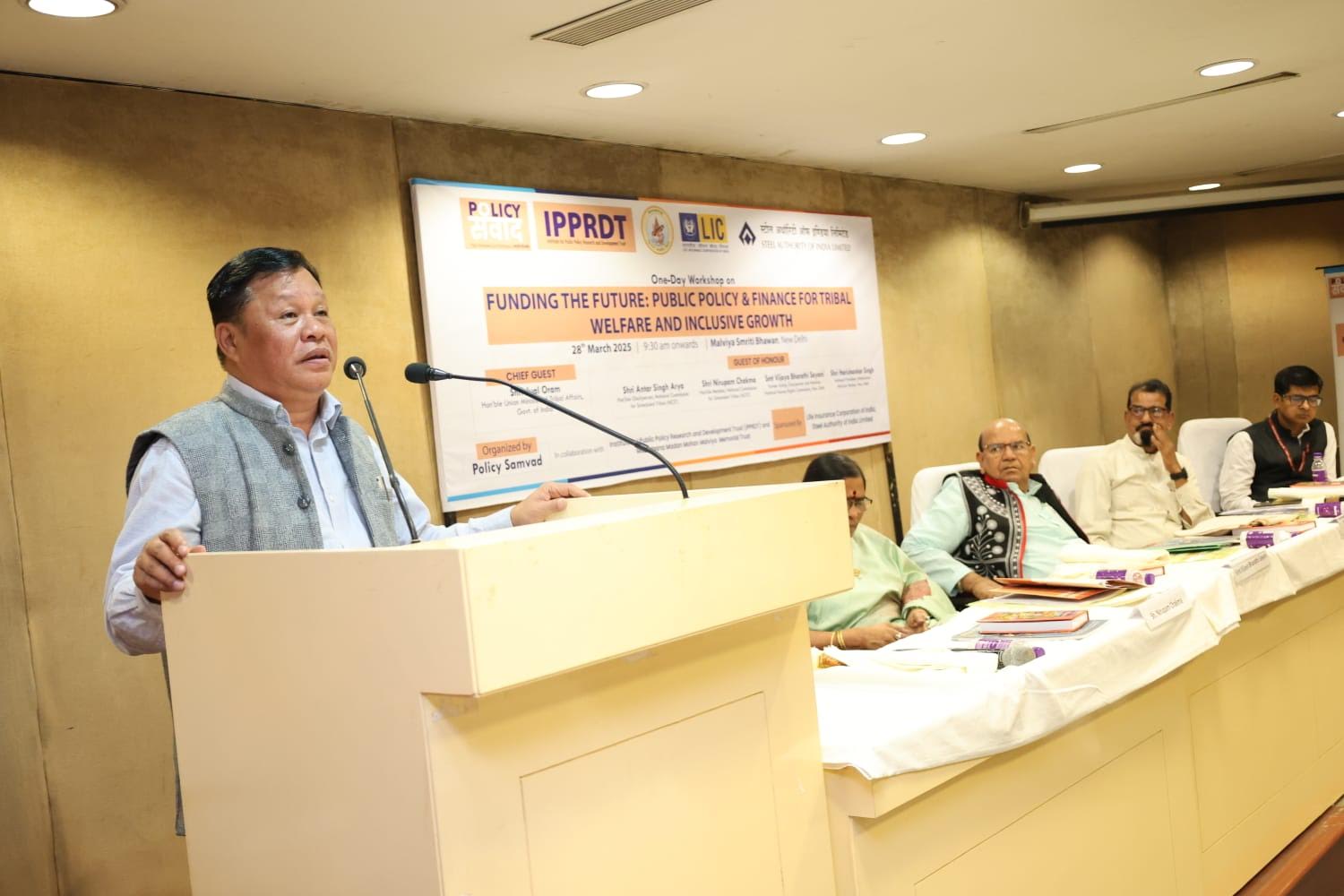
New Delhi: Policy Samvad organized a one-day workshop titled “Funding the Future: Public Policy and Finance for Tribal Welfare and Inclusive Growth in collaboration with the Institute for Public Research and Development Trust (IPPRDT) and the Mahamana Madan Mohan Malviya Memorial Trust at Malviya Smriti Bhawan, New Delhi.

The inaugural session was led by Policy Samvad Editor and Public Policy analyst Gaurav Kumar, who welcomed the guests and briefed on the theme of workshop. The Chief Guest, Mr. Antar Singh Arya, Chairman of the National Commission for Scheduled Tribes, he emphasized the role and importance of Policy Samvad for constructive dialogue in public policy space and collaboration in raising awareness on tribal welfare. He elaborated on the role of the National Commission for Scheduled Tribes and highlighted various initiatives for tribal welfare in the current Union Budget, noting the Central Government’s efforts toward the inclusive development of tribal communities.

The Guest of Honour, Shri Nirupam Chakma, Member of the NCST, stressed the need for comprehensive and inclusive development in public finance and its efficient management. Smt. Vijaya Bharati Sayani, former Acting Chairperson and Member of the NHRC, also shared her insights on the subject. Shri Harishankar Singh, National President of Mahamana Malviya Mission, discussed the role of public policy and finance in tribal welfare and policy making.

Additionally, Shri Amit Nirmal, Joint Secretary of the NCST, provided his perspective on the significance of public policy and finance in ensuring tribal welfare and inclusive development.

The workshop featured discussions among domain experts, policymakers, and stakeholders, who explored new avenues for public welfare. Scholars and researchers contributed valuable insights into the past, present, and future of tribal development. Key speakers included Dr. Prakash Chand Kandpal (Professor JNU), Prof. Pavanesh Kumar (IGNOU), Mr. Chakshu Roy (PRS Legislative Research), Mr. Vinay Kumar Singh (Senior Fellow, Dr. Shyama Prasad Mukherjee Foundation), A.K. Choubey (General Secretary, Bharatiya Adivasi Sevak Sangh), Mr. Prakash Uikey (Former Judge), and Dr. Abhishek Srivastava (Assistant Professor, JNU).

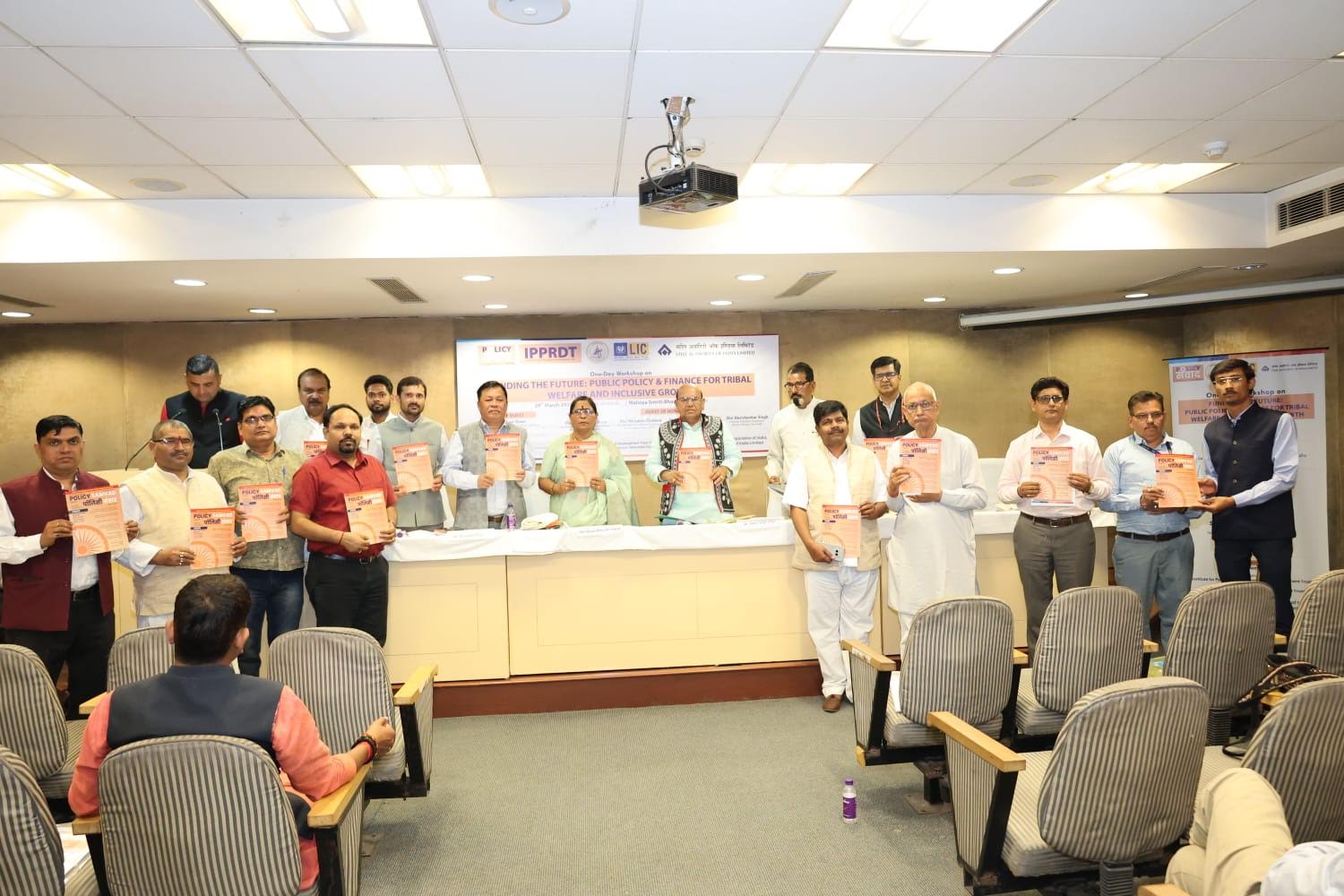
During the event, the tenth issue of Policy Samvad was released by the Chief Guest and Special Invitees. The journal, curated by an advisory board of distinguished professors and analysts, focuses on governance, socio-economic development, and NITI Aayog’s initiatives, serving as a crucial platform for intellectual discourse on India’s policy landscape.

The event concluded with closing remarks by Dr. Praveen Kumar Jha. The workshop saw participation from scholars, researchers, university students, and public policy professionals, including representatives from PRS Legislative Research.

पॉलिसी संवाद द्वारा जनजातीय कल्याण के लिए लोक नीति पर एक दिवसीय कार्यशाला का आयोजन

3-2.jpeg

नई दिल्ली। भारत की पहली द्विभाषी लोक नीति पत्रिका पॉलिसी संवाद ने इंस्टीट्यूट फॉर पब्लिक पॉलिसी रिसर्च एंड डेवलपमेंट ट्रस्ट (IPPRDT) एवं महामना मदन मोहन मालवीय मेमोरियल ट्रस्ट के तत्वावधान में एक ज्ञानवर्धक कार्यशाला का आयोजन किया। “भविष्य का वित्तपोषण: जनजातीय कल्याण और समावेशी विकास के लिए सार्वजनिक नीति और वित्त” विषयक यह कार्यक्रम मालवीय स्मृति भवन, नई दिल्ली में संपन्न हुआ।

कार्यशाला का उद्घाटन पॉलिसी संवाद के संपादक और लोक नीति विश्लेषक गौरव कुमार द्वारा अतिथि सत्कार के साथ किया गया। कार्यक्रम में मुख्य अतिथि के रूप में उपस्थित श्री अंतर सिंह आर्य, अध्यक्ष, राष्ट्रीय अनुसूचित जनजाति आयोग, ने अपने संबोधन में लोक नीति के क्षेत्र में सकारात्मक संवाद और इस विषय पर जागरूकता बढ़ाने में पॉलिसी संवाद की भूमिका की सराहना की। उन्होंने राष्ट्रीय अनुसूचित जनजाति आयोग की भूमिका पर विस्तार से चर्चा की। उन्होंने वर्तमान केंद्रीय बजट में जनजाति कल्याण के लिए किए गए विभिन्न प्रावधानों की सराहना करते हुए कहा कि केंद्र सरकार ने जनजातीय समुदायों के समावेशी विकास हेतु कई प्रभावी कदम उठाए हैं।

इसी क्रम में, विशिष्ट अतिथि श्री निरुपम चाकमा, सदस्य, राष्ट्रीय अनुसूचित जनजाति आयोग, ने अनुसूचित जनजातियों के समग्र और समावेशी विकास में लोक वित्त और उसके प्रभावी प्रबंधन की आवश्यकता पर जोर दिया। श्रीमती विजया भारती सयानी, पूर्व कार्यवाहक अध्यक्ष एवं सदस्य, राष्ट्रीय मानवाधिकार आयोग, ने भी कार्यशाला के विषय पर अपने बहुमूल्य विचार साझा किए। श्री हरिशंकर सिंह, राष्ट्रीय अध्यक्ष, महामना मालवीय मिशन, ने भी अपने संबोधन में जनजातीय कल्याण और नीति निर्माण की भूमिका पर प्रकाश डाला।

इसके अलावा, राष्ट्रीय अनुसूचित जनजाति आयोग के संयुक्त सचिव अमित निर्मल ने अपने विशेष व्याख्यान में जनजातीय कल्याण और समावेशी विकास के लिए सार्वजनिक नीति और वित्त की भूमिका पर अपने विचार प्रस्तुत किए।

जनजातीय कल्याण की चुनौतियों और अवसरों की खोज करते हुए डोमेन विशेषज्ञों, नीति पेशेवरों और हितधारकों के बीच विचार-विमर्श हुआ। प्रख्यात विद्वानों और विशेषज्ञों के पैनल ने अनुसूचित जनजाति विकास के अतीत, वर्तमान और भविष्य पर चर्चा को समृद्ध किया। प्रमुख वक्ताओं में डॉ. प्रकाश चंद कांडपाल (प्रोफेसर, जेएनयू), प्रो. पवनेश कुमार (इग्नू), श्री चक्षु रॉय (पीआरएस लेजिस्लेटिव रिसर्च), श्री बिनय कुमार सिंह (वरिष्ठ शोधकर्ता, डॉ. श्यामा प्रसाद मुखर्जी फाउंडेशन), ए. के. चौबे (महासचिव, भारतीय आदिम जाति सेवक संघ), श्री प्रकाश उईके (पूर्व न्यायाधीश), और डॉ. अभिषेक श्रीवास्तव (असिस्टेंट प्रोफेसर, जेएनयू) शामिल रहे।

कार्यक्रम के दौरान ही पॉलिसी संवाद के दसवें अंक का विमोचन मुख्य एवं विशिष्ट अतिथियों द्वारा किया गया। प्रतिष्ठित प्रोफेसरों और विश्लेषकों के एक संपादकीय बोर्ड द्वारा संपादित यह पत्रिका शासन, सामाजिक-आर्थिक विकास और नीति विश्लेषण पर अंतर्दृष्टि प्रदान करती रही है। पॉलिसी संवाद भारत के नीति परिदृश्य के भविष्य को आकार देने वाले विद्वानों के प्रभावशाली संवाद के लिए एक महत्वपूर्ण मंच के रूप में काम कर रहा है।

कार्यक्रम का समापन डॉ. प्रवीण कुमार झा द्वारा दिए गए धन्यवाद ज्ञापन के साथ हुआ। इस अवसर पर पीआरएस लेजिस्लेटिव रिसर्च के लैंप फैलो, विभिन्न विश्वविद्यालयों के छात्र, लोक नीति से जुड़े प्रशासनिक अधिकारी व शोधार्थी उपस्थित रहे।

scroll to top