Kinoteka Polish Film Festival 2024, concludes with success in New Delhi

1-2-8.jpeg

The Kinoteka Polish Film Festival 2024 has wrapped up, leaving an indelible mark on the vibrant cultural landscape of New Delhi. From December 16th to 18th, cinephiles enjoyed an exquisite selection of films that celebrated the richness and diversity of Polish cinema. This year’s festival was particularly compelling, focusing on the theme of biographical storytelling, showcasing the lives of three remarkable Polish figures.

In a move to highlight the rich fabric of Polish history and cultural identity, Kinoteka showcased films that explored the personal journeys and struggles of individuals who transcended societal norms and personal challenges. Attendees were treated to a unique opportunity to learn about and connect with iconic figures, each portrayed in a distinct cinematic style.

The festival opened with “Simona Kossak (2024),” a film that unveils the life of the revered ecologist and naturalist Simona Kossak, who dedicated her life to Poland’s forests. This film not only highlights her scientific contributions but also showcases her groundbreaking spirit in advocating for the natural world, reflecting her battle against conventional expectations in her male-dominated field.

Following Kossak’s compelling narrative was “Kulej. All That Glitters Isn’t Gold (2024),” which dives into the complex life of the celebrated boxer ZbigniewKulej. This documentary shines a light on Kulej’s triumphs and tribulations, painting a vivid portrait of determination, resilience, and the true cost of fame. This film resonated deeply with the audience, evoking discussions about dedication and personal sacrifice in the pursuit of greatness. The festival also paid homage to Polish cinema’s rich historical narrative with a screening of the classic film “My Nikifor (2004),” based on the life of Nikifor Krynicki, a naïve painter whose unique artistry challenged the conventional boundaries of what constitutes ‘great’ art. This film provides insight not only into his life but also critiques societal perceptions of authenticity and value in art.

Ms. Ewa Suwara, Deputy Head of Delegation for the European Union in India who also attended the festival shared her reflections of Kinoteka – It was a great pleasure to attend the opening of Kinoteka 2024 ay the India Habitat Centre. This is very important initiative taken by Polish Institute and great chance for all cinema lovers to see the recent Polish cinemaotography. The opening movie Simona Kossak by Adrian Panek took me over the excellent photography portraying Polish nature and well told story line of the strong individual facing various adversities.

The festival proved to be not just a cinematic event but a cultural exchange, inviting Indian audiences to explore the emotional and historical narratives that shape Poland’s artistic cinema. Kinoteka 2024 has set a new benchmark for cultural engagement and cinematic exploration in New Delhi. With its commitment to promoting contemporary and classic Polish cinema, the festival has succeeded in strengthening the bridge between the Polish and Indian filmmaking communities. As the curtains closed on this year’s festival, excitement already brews for what Kinoteka will offer in the future, promising to continue its mission of showcasing innovative storytelling and exceptional artistry from Poland.

बीच बहस में

1-2-1024x614-1.webp

प्रेमकुमार मणि

कल आंबेडकर विषयक मेरे एक पोस्ट पर कुछ मित्रों की आयी प्रतिक्रिया से मैं इस चिन्ता में आ गया कि आज भी हमारे समाज में सोचने का स्तर कितना नीचे है. मेरे पोस्ट में दो बातें थी. एक तो मैंने अमित शाह द्वारा दिए गए आंबेडकर विषयक वक्तव्य पर अपनी राय रखी थी कि उसमें कुछ भी ऐसा नहीं था कि इस तरह देशव्यापी धरना-प्रदर्शन किए जाएँ. इसका मतलब यह भी नहीं था कि उस वक्तव्य का मैं समर्थन कर रहा हूँ. कुछ ऐसी बातें होती हैं कि उसी क्षण उसका जवाब दिया जाय और बात ख़त्म. बतंगड़ बनाने का एक राजनीतिक मकसद होता है. प्रधानमंत्री मोदी जाने कितनी बार नेहरू और दूसरे पर अनर्गल बोल गए हैं. सबका जवाब देना आवश्यक नहीं होता. अमित शाह उत्तेजना में बोल गए. इसपर बवाल काटना अनावश्यक था. मेरा मानना है इससे अंततः भाजपा को लाभ होगा और कांग्रेस को नुकसान. संभव है मेरा आकलन गलत हो. लेकिन मुझे जो अनुभव हुआ उसे सार्वजनिक करने का अधिकार मुझे शायद होना चाहिए.

भाजपा चाहती है कि एक खास तरह का मतदाता-मंडल जो कांग्रेस के पास रहा है, वह हमारे पास आ जाए. इस प्रयास में वह पिछले तीन दशकों से लगी हुई है. इसमें उसे सफलता भी मिली है. हिंदी इलाके के शहरी और ग्रामीण तबके के अभिजन मतदाताओं पर कांग्रेस की पकड़ थी. इस मतदाता-मंडल के साथ दलितों, मुसलमानों और हासिये के अन्य मतदाताओं के साथ उसकी राजनीतिक जुगलबंदी थी. इतने भर से वह सत्ता में आ जाती थी. इस मतदाता-मंडल में बड़े स्तर पर सेंध रामजन्मभूमि आंदोलन में लगा. भाजपा ने पहले दौर में सवर्णों के गंवार मतदाताओं को आकर्षित किया. यह कांग्रेस का वोटबैंक था. परिणाम 1989 के लोकसभा चुनाव में आया. 1984 में केवल 02 सीटें हासिल करने वाली भाजपा अब केंद्र में सरकार बनाने और बिगाड़ने की स्थिति में थी. उसके बाद उसका रैखिक विकास होता गया. कारण सब जानते हैं. मंडल कमीशन का प्रसंग जब आया तब कांग्रेस नेता राजीव गाँधी असमंजस में थे. भाजपा ने सीधे तौर पर उसका विरोध नहीं किया, लेकिन जन्मभूमि मामले को लेकर सोमनाथ यात्रा निकाली और ऐसी स्थितियां पैदा कर दी कि विश्वनाथ प्रताप सरकार से समर्थन वापस लेने का उसका औचित्य सिद्ध हो सके. यह सब लालकृष्ण आडवाणी की रणनीति थी. इससे कांग्रेस के शहरी और अभिजन सवर्ण मतदाता भी भाजपा के नजदीक हुए. इस दौर में वाजपेयी कुछ समय केलिए भाजपा में उपेक्षित अनुभव कर रहे थे. लेकिन 1996 के चुनाव के पहले आडवाणी ने उन्हें नेता घोषित कर भाजपा आधार को कुछ और मजबूत कर दिया. भाजपा के नये मतदाताओं को नेहरू का प्रतिरूप चाहिए था. वाजपेयी के रूप में वह मिला. नेहरू अपने दौर में अच्छों के बीच अधिक अच्छे थे, वाजपेयी बुरोँ के बीच कम बुरे. हिन्दू मध्य वर्ग ने उन्हें हरी झंडी दे दी. 1996 में तेरह रोज और 1998 से 2004 तक वाजपेयी के नेतृत्व में सरकार रही. 2004 से 2014 तक कांग्रेस के नेतृत्व में संप्रग की सरकार रही. तब मोदी आये, जिन्होंने भाजपा के मंच से खुलेआम अपने पिछड़ी जाति के होने का उद्घोष किया. इस अभियान में लालू मुलायम कांशी राम सब की छवि मोदी में देखी जा सकती थी जैसे वाजपेयी में नेहरू की छवि देखी जा सकती थी. यह संघ की नयी राजनीति थी. अनार्य विजय की रणनीति. इसमें बानर-भालुओं का साथ अपेक्षित था. इसमें उन्हें सफलता मिली. इस तरह तीन दशकों में भाजपा ने हिन्दुओं के सभी पक्षों को अपने साथ जोड़ने की कोशिश की. इसके लिए प्रेम और नफरत, छल-छद्म सब जरूरी था. बिना किसी लोकतान्त्रिक नैतिकता का ख्याल करते हुए भाजपा ने यह सब किया. नतीजा सामने है.

कांग्रेस लगातार कमजोर होती गई. इस विषय पर मैं पहले लिख चुका हूँ. कांग्रेस गहरे रूप से विचारहीनता की शिकार तो है ही, कुशल नेतृत्व भी उसके पास नहीं है. राहुल गांधी व्यक्ति तौर पर मुझे भले अनुभव होते हैं. कुछ ज्यादा ही भले हैं. उनके लिए मेरे मन में मोह है. लेकिन वह राजनीतिक बिलकुल नहीं हैं. एक व्यक्ति के तौर पर अराजनीतिक होना उसका गुण होता है. लेकिन राजनीति केलिए, जैसा कि मैकियावेली ने अपनी किताब ‘ प्रिंस ‘ में लिखा है, उसका चरित्र कीरोन की तरह होना चाहिए. कीरोन हमारे गणपति की तरह ग्रीक पौराणिकता का देवता है जो आधा मनुष्य और आधा घोडा होता है. मैकियावेली मानता है कि भावी राजा को आधा ही इंसान होना चाहिए.

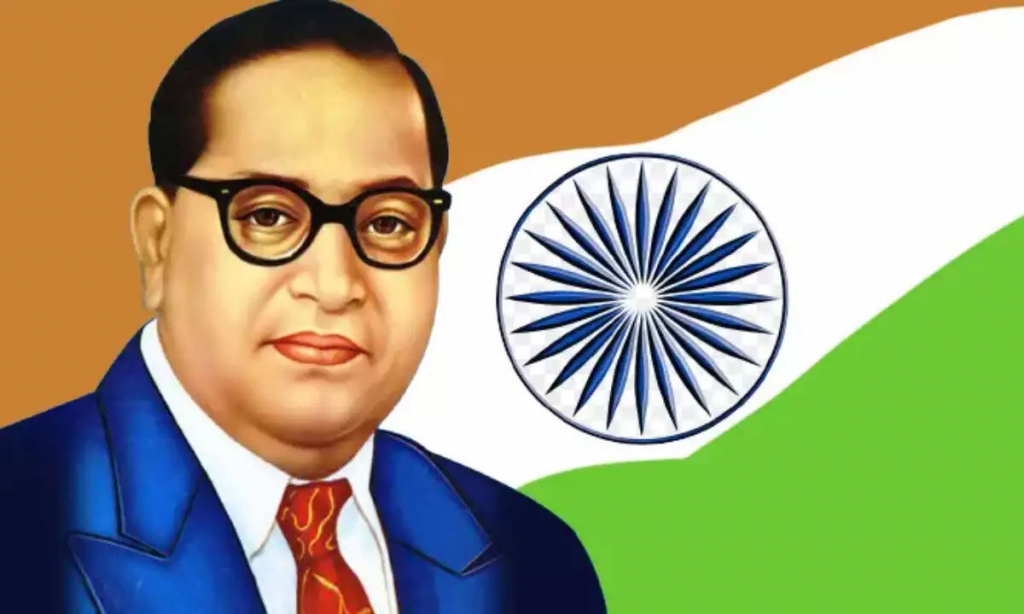
आंबेडकर प्रसंग पर कांग्रेस ने देशव्यापी धरना प्रदर्शन कर अपनी छीछालेदर की है. कांग्रेस अनेक परिवर्तनों के बाद आज जहाँ है वह आम्बेडकर और नेहरू की सोच को केन्द्रक मान कर आगे बढ़ सकती थी. आंबेडकर और नेहरू में अनेक बिंदुओं पर साम्य है. दोनों लगभग हमउम्र थे. सामाजिक तौर पर एक दलित और दूसरे ब्राह्मण. दोनों अपने दायरे से बाहर आना चाहते हैं. नेहरू को अपने ब्राह्मणत्व से बाहर आने की फ़िक्र है, तो आम्बेडकर को अपने दलितपन से. दोनों की उच्च शिक्षा यूरोप में हुई. इंग्लैंड के संसदीय विकास, अमेरिकी स्वातंत्र्य आंदोलन और फ्रांसीसी क्रांति से दोनों प्रभावित थे. दोनों बुद्ध से भी प्रभावित थे. दोनों साइंटीफिक टेंपरामेंट की वकालत करते थे. यही नहीं भारत की सामाजिक व्यवस्था के आमूलचूल परिवर्तन के दोनों हामी थे. यहाँ तक कि गांधीवाद के दोनों आलोचक रहे. व्यक्ति तौर पर नेहरू का गांधी से मोह था. पिता के मित्र होने और कई कारणों से वह उन्हें पिता समान मानते रहे. लेकिन उनके विचारों से अपने मतभेद को कभी छुपाया भी नहीं. नेहरू की आत्मकथा 1936 में ही प्रकाशित हो चुकी थी. इसमें गांधीवाद के प्रति उनकी गहरी अनास्था और उनके जादुई व्यक्तित्व के प्रति उतनी ही आस्था देखी जा सकती है. आंबेडकर को गॉंधी का व्यक्तिगत स्नेह नहीं मिला. लेकिन व्यक्ति गॉंधी के बारे में उनके विचार सम्मानपूर्ण थे. हाँ, उन्हें यह अवश्य महसूस होता रहा कि गॉंधी आधे ही संत हैं. आधे राजनेता हैं. उनकी कामना रही कि काश गॉंधी पूरे तौर पर संत होते. ( गाँधी ने गुरु द्रोण की तरह नेहरू को निष्कंटक रखने केलिए दो एकलव्यों को अंगूठा विहीन किया. एक आंबेडकर और दूसरे सुभाष बोस.)

क्या ही अच्छा होता कांग्रेस एक बड़े खुले अधिवेशन में नेहरू और आम्बेडकर की वैचारिकता को पुनर्जीवित करने, दोनों के बीच विचारसेतु बनाने और उनके सपनों का भारत विकसित करने का संकल्प लेती. जगह-जगह गोष्ठियां आयोजित होती और नए नए लोग जुड़ते. लेकिन कल जिस तरह आम्बेडकर के फोटो प्रदर्शन हुए उससे भक्ति-प्रदर्शन तो होगा, कोई राजनीतिक चेतना नहीं विकसित होगी. अंततः इन सब का लाभ भाजपा और बसपा जैसे दलों को मिलेगा, कांग्रेस को नुकसान के अलावे कुछ दूसरा हासिल नहीं होगा. मेरी इस भावना को मेरे मित्र नहीं समझ सके तो मैं क्या कर सकता हूँ.

(सोशल मीडिया से)

Spotlight on Polish Lives: Kinoteka Polish Film Festival 2024 Opens in New Delhi

1-2-8.jpeg

New Delhi: The Kinoteka Polish Film Festival 2024 opened to an enthusiastic audience on December 16 at the India Habitat Centre, New Delhi, marking the beginning of a three-day cinematic journey into the vibrant world of Polish biographical cinema. Organized by the Polish Institute in New Delhi, this year’s festival celebrates remarkable Polish lives through films that explore themes of personal resilience, societal struggles, and enduring legacies.

The festival’s opening night commenced with the screening of Simona Kossak (2024), directed by Adrian Panek. This evocative biographical drama delves into the life of ecologist Simona Kossak, highlighting her passionate advocacy for nature and ecological conservation. The film’s gripping narrative and timely themes captivated the audience, setting the tone for the festival.

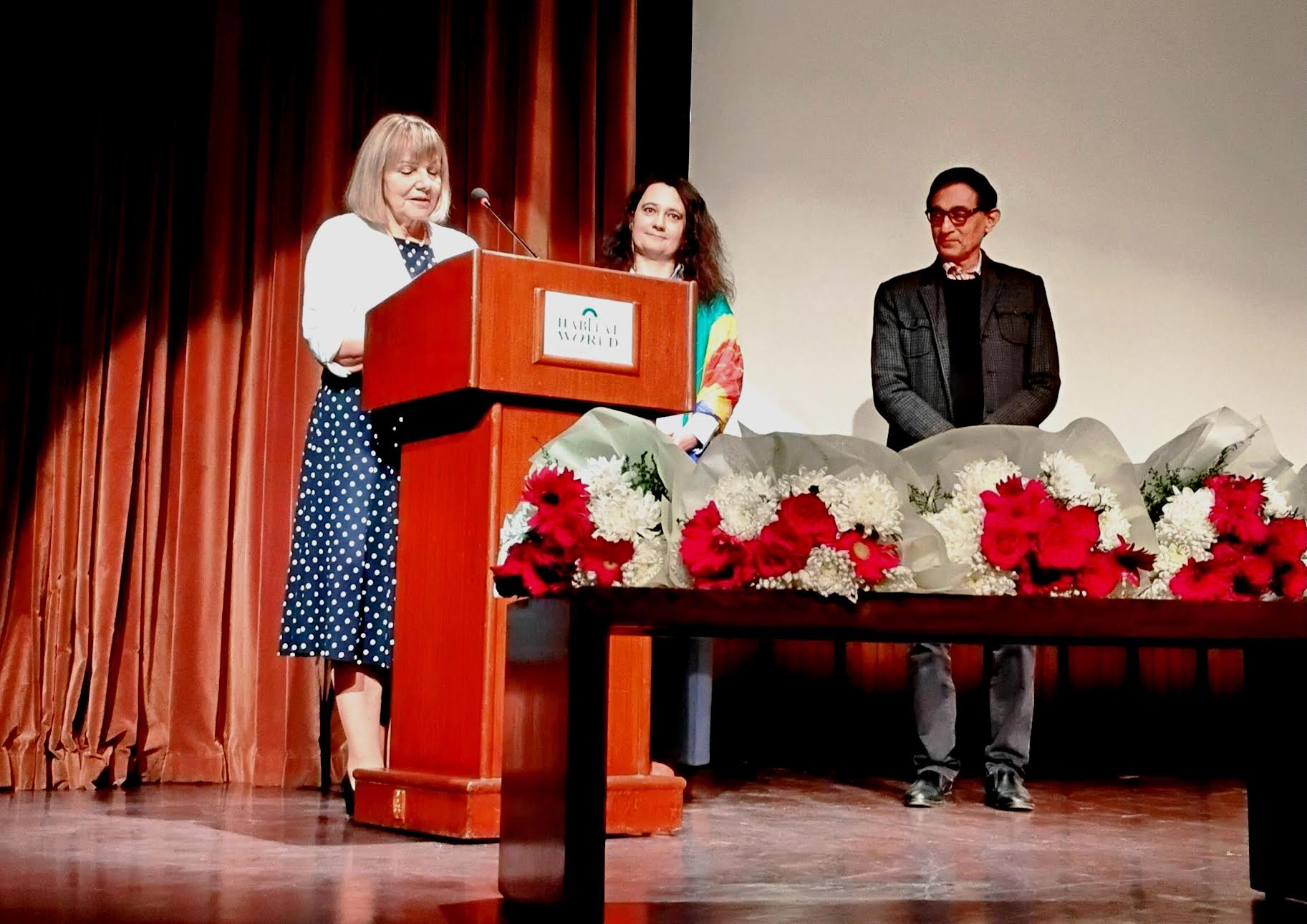
The event began with a warm welcome by Małgorzata Wejsis-Gołębiak, Director of the Polish Institute in New Delhi, who addressed the audience, emphasizing the importance of cultural exchange and the role of cinema in fostering global understanding. She remarked that through the films, they are not only celebrating Polish history and culture but are also creating opportunities for dialogue and connection between Poland and India. She also commended the efforts of Dr. Magdalena Filipczuk, Deputy Director, Polish Institute in New Delhi for her efforts in bringing the festival together.

The opening day also featured discussions on the profound influence of Polish cinema, which has been shaped by legendary filmmakers such as Andrzej Wajda, Krzysztof Kieslowski, and Wojciech Has, as well as contemporary voices. The audience was introduced to the festival’s thematic focus on biographical storytelling, with other films such as Kulej. All That Glitters Isn’t Gold (2024) and My Nikifor (2004) scheduled for the following days.

Kulej. All That Glitters Isn’t Gold is set to explore the life of boxing legend Jerzy Kulej, while Krzysztof Krauze’s My Nikifor, an internationally acclaimed classic, offers a tender portrayal of the self-taught artist Nikifor Krynicki.

With its compelling stories and intimate portrayals, the festival has already made a strong impression on New Delhi audiences. The Kinoteka Polish Film Festival 2024 promises to continue its celebration of Polish cinema and cultural heritage over the next two days, offering an inspiring exploration of lives that continue to resonate across borders.

Open Letter : Transitioning for now, but still on the mission

How-to-write-an-open-letter.jpg

Dear all,

I hope you are doing well and winding down 2024 with love and joy 🙂

It is with a heavy heart that I share some news: after an incredible journey of almost seven years of building Indian School of Democracy (ISD), I will be transitioning out of my full-time executive role as of December 24, 2024, for now.

I have had the incredible privilege of co-creating this organization, nurturing it with everything I had—and then some. But ISD has nurtured me even more, helping me grow, shine, and feel a love that is unconditional and sacred. It has made me feel strong. From often being the only woman in rooms filled with men to now finding a sisterhood in politics across the country, I feel so much richer than I ever imagined.

ISD is a dream I’ve nurtured, a home I’ve built alongside our team, alumni, and all of you who believe in the transformative power of principled leadership. This journey has helped me know India—and myself—better than ever before, and there isn’t a gift greater than that. From traveling across the country for a year to understand the problem, getting our first set of interns in a borrowed office, to now having three flagship programs, 350+ alumni, and engaging with ~2800 youth, I could not have imagined a better way to spend these years. If given the chance, I would choose to do it all a hundred times over. ISD has always been a unique and idealistic idea, but what has made it real is our alumni who come from all corners of India and continue to be the fireflies in Indian politics. Witnessing their journey of growth, courage and love has taught me persistence and hope.

Unfortunately, over the past year, my co-founder and I have faced significant differences about the vision and path for the organization.This has been a deeply painful experience, but one filled with profound lessons in life and leadership—about courage, humility, and the complexities of building something meaningful, especially in politics. I share this because, in our programs, we teach the importance of embracing the full spectrum of our journeys, including the struggles. If we expect our public leaders to be honest, we must hold ourselves to the same principle. This decision—one of the hardest I’ve ever made—has not come easily, as I have lived and breathed ISD. My hope is that this step back allows for individual and collective emergence and new ways of my association with ISD.

In the last few years, ISD has forged key partnerships, gained national and global recognition, built a practice-based curriculum, and planted many seeds of principled politics in the ecosystem. I am grateful to have played a role in this and take comfort in knowing ISD is bigger than any one individual. It is a collective force for change, rooted in the values of ethical, compassionate, and inclusive leadership. I have full faith in the extraordinary team at ISD to carry this mission forward with renewed energy and purpose.

What’s next for me? Rest, healing, and reimagining what this quest for principled public leadership will look like in the future. I also hope to take time to synthesize and write about the lessons I’ve learned from this work. What does a systemic yet deep transformation of Indian politics truly look like? My conviction to create and celebrate diverse leadership, especially for women in politics, remains strong. I continue to dream of an India where our politicians are principled and politics is inclusive, where Parliament and state assemblies have at least 50% women, and where leaders have the moral courage and imagination to make democracy come alive for all citizens of our imperfect yet beautiful country.

I want to thank each of you for playing a role in this journey- by forwarding our messages, volunteering with us, responding to our asks, believing in the idea when it was just an idealistic dream, challenging us, funding us, or cheerleading in both visible and invisible ways. I have faith that ISD will only reach greater heights and grow deeper roots.

Nurturing grassroots leaders, witnessing their journeys, creating spaces for dialogue, and fostering hope for a more democratic India has been an honor and a privilege. I hope to find meaningful ways to continue contributing to ISD and our mission of principled politics.

With folded hands, gratitude and a lot of love,
Hemakshi Meghani
Co-Founder, Indian School of Democracy

scroll to top