“Forgetting History wouldn’t destroy the PAST”

6-2-2-e1711723624220.jpeg

Exploring the Unbreakable Bond Between Hindu Dharma and Sikkhi: An eye-opening Talk at the Centre for Hindu Studies, Delhi University

New Delhi: The Centre for Hindu Studies, University of Delhi organised a talk on the topic “Hindu Dharma tatha Sikkhi ka atoot rhishta” or “The Inseparable Relationship between Hindu Dharma and Sikh Dharma” on March 4th, 2024. This event was a remarkable endeavour to unravel the profound ties between Hindu Dharma and Sikh Dharma, two pillars of Bharat’s spiritual heritage.

Renowned scholar, Professor Jagbir Singh, Chancellor of Central University of Punjab, graced the occasion as the keynote speaker. With profound erudition, he illuminated the intricate connections and shared values between Hindu Dharma and Sikkhi and their connection to Sanatan, captivating the audience with his insightful discourse. He talked about why Hindus and Sikhs share an unbreakable bond. He also shed light on the Colonial strategy of Divide and Rule to understand the whole conflict of separate identity creation. He said, “Forgetting History won’t destroy our past…we have to remove and revisit what has happened”. Talking about the brutal and politically driven history, he related the present scenario to that and said no one can separate Hindu and Sikh as they both are part of Sanatan Dharma. Both embrace each other. The Postmodernist thinking of rejecting meta-narrative won’t work as courses like Hindu studies will offer the study of Dharma and Darshana as an academic discipline which has not been done in the last 75 years. He also said how we are inclusive and talk about universal welfare. He said Sanatan Dharma is a worldview and view of life which believes in realising reality and not following imagination. He ended the speech with motivational lines about the meditative vision and wisdom we had and will always embrace. The audience gave him a standing ovation.

Accompanying Prof. Singh, esteemed scholar Prof. N.K. Kakkar also shared his views on the topic.

Dr. Prerna Malhotra, Joint Director, and the Convener of the Programme summed up many points and proposed the vote of thanks. The programme was attended by Prof. Om Nath Bimali, Director of, Centre for Hindu Studies, Prof. Ravi Ravindra, Dean, Culture, University of Delhi and many professors from Departments and colleges of the University of Delhi.
The session was extremely enriching and it enforced a nuanced understanding of the enduring bond between these two venerable traditions of Bharat. It also burst the myth of considering Sikh Dharma as an independent entity, having no roots in the Vedic tradition of Hindu Dharma. The talk served as a testament to the rich spiritual tapestry of India and the timeless wisdom embodied in Hindu Dharma and Sikh Dharma.

The event attracted a diverse audience comprising scholars, students, and enthusiasts eager to engage in meaningful dialogue. Prof. Jagbir Singh patiently answered all the doubts of the audience.
Such endeavours reaffirm the Centre for Hindu Studies’ commitment to advancing knowledge and fostering dialogue on the multifaceted dimensions of Hindu Dharma and its synergies with other spiritual paths.

भारत को पुनः विश्व गुरु बनाना ही संघ का मुख्य लक्ष्य

2021_4image_22_12_35184948200-ll.jpg

राष्ट्रीय स्वयंसेवक संघ की अखिल भारतीय प्रतिनिधि सभा की बैठक नागपुर में दिनांक 15 से 17 मार्च 2024 को सम्पन्न हुई है। इस बैठक में पूरे देश से 1500 से अधिक प्रतिनिधियों ने भाग लिया और “श्रीराम मंदिर से राष्ट्रीय पुनरुत्थान की ओर” विषय पर एक प्रस्ताव भी पास किया गया।

जैसा कि सर्वविदित ही है कि गौरवशाली हिन्दू सनातन संस्कृति विश्व में सबसे पुरानी संस्कृति मानी जाती है और इसी हिंदू सनातन संस्कृति का अनुपालन करते हुए भारत का इतिहास वैभवशाली रह पाया है तथा हिंदू सनातन संस्कृति का विस्तार इंडोनेशिया तक एवं सुदूर अमेरिका तक रहा है।

राष्ट्रीय स्वयंसेवक संघ के बारे में अक्सर यह कहा जाता है कि संघ एवं इसके स्वयंसेवक करते क्या हैं? इसके उत्तर में अक्सर यह जवाब दिया जाता है कि संघ को यदि समझना है तो आपको संघ की शाखा में आना होगा। संघ, मां भारती को एक बार पुनः विश्व में गौरवशाली स्थान दिलाने के पवित्र लक्ष्य को प्राप्त करने के लिए गम्भीर प्रयास कर रहा है। इस पवित्र लक्ष्य को प्राप्त करने के लिए लाखों की संख्या में स्वयंसेवक आज संघ के साथ जुड़ चुके हैं। आज भारत के 45,600 स्थानों पर संघ की 73,117 शाखाएं, 27,717 साप्ताहिक मिलन एवं 10,567 संघ मंडली लगाई जा रही हैं। इन शाखाओं, साप्ताहिक मिलनों एवं संघ मंडलियों में स्वयंसेवकों में राष्ट्र के प्रति समर्पण का भाव (राष्ट्र प्रथम) जागृत किया जाता है ताकि वे समाज में जाकर समाज की सज्जन शक्ति को साथ लेकर भारत में समाज परिवर्तन का कार्य दक्षतापूर्वक कर सकें। संघ की शाखा सामान्यतः 60 मिनट की लगती है एवं इसमें शारीरिक व्यायाम, योग, प्राणायाम, खेल, बौद्धिक एवं प्रार्थना शामिल रहती है। बौद्धिक में सनातन संस्कृति एवं भारत के गौरवशाली इतिहास की जानकारी के साथ साथ भारतीय संतो, महात्माओं एवं महापुरुषों की जानकारी प्रदान की जाती है।

समय के साथ साथ संघ ने अपनी कार्यप्रणाली में परिवर्तन भी किया है एवं कई नए आयाम एवं कार्य अपने साथ जोड़े हैं। जैसे समाज के किन किन क्षेत्रों में क्या क्या काम करना है यह संघ के स्वयंसेवकों को बहुत स्पष्ट रूप से सिखाया जाता है। संगठन श्रेणी के साथ ही संघ में जागरण श्रेणी भी कार्यरत है। संगठन श्रेणी में शाखाओं के विस्तार, इसे सुचारू रूप से चलाने सम्बंधी कार्य, स्वयसेवकों का प्रशिक्षण एवं गुणवत्ता विकास आदि कार्य शामिल रहते हैं जबकि जागरण श्रेणी में समाज में जाकर किन क्षेत्रों में जागरण करना है, का निर्धारण किया जाकर इस क्षेत्र में स्वयसेवकों द्वारा कार्य किया जाता है। जैसे वर्तमान में जागरण श्रेणी में शामिल कार्य हैं – सेवा, सम्पर्क एवं प्रचार सम्बंधी कार्य। इसके अलावा 6 गतिविधियां भी हैं जो स्वयसेवकों द्वारा समाज के सहयोग से चलाई जाती हैं। इनमे शामिल हैं – धर्म जागरण समन्वय, गौ सेवा, ग्राम विकास, कुटुंब प्रबोधन, सामाजिक समरसता एवं पर्यावरण संरक्षण।

22 जनवरी 2024 को अयोध्या धाम में प्रभु श्रीराम के भव्य मंदिर में श्रीराम लला के श्रीविग्रहों की प्राण प्रतिष्ठा के पूर्व दिनांक 1 से 15 जनवरी 2024 तक श्रीराम जन्मभूमि तीर्थक्षेत्र के आह्वान पर संघ के स्वयंसेवकों एवं समाज के विविध संस्थानों तथा संगठनों के कार्यकर्ताओं द्वारा चलाया गया गृह सम्पर्क अभियान अभूतपूर्व सफल रहा था। देश के समस्त प्रांतों के 578,778 गांवों एवं 4727 नगरों के कुल 19.38 करोड़ से अधिक परिवारों से स्वयंसेवकों सहित 44.98 लाख से अधिक व्यक्तियों ने सम्पर्क किया था। यह भारतीय समाज में संघ की गहरी पहुंच और समाज में उसकी स्वीकार्यता को दर्शाता है।

संघ के 40 से अधिक अनुशांगिक संगठन भी भारत में विभिन्न क्षेत्रों में कार्यरत हैं, जो हिंदू सनातन संस्कृति एवं भारतीय परम्पराओं के आधार पर समाज में अपने कार्य को आगे बढ़ाते हैं। विश्व में वामपंथी विचारधारा के आधार पर चल रहे विभिन्न मजदूर संगठन अपने श्रमिक सदस्यों को संस्थान के केवल लाभ में हिस्सा लेने की प्रेरणा देते हैं और अपनी मजदूरी में वृद्धि के लिए अक्सर हड़ताल आदि का सहारा लेते हैं। उद्योग संस्थान में हड़ताल होने से न केवल उस विशेष उद्योग संस्थान का बल्कि देश की अर्थव्यवस्था का भी नुक्सान होता है।जबकि, भारतीय मजदूर संघ, जो कि संघ का ही एक अनुशांगिक संगठन है, अपने श्रमिक सदस्यों को हड़ताल करने के लिए निरुत्साहित करता है और उसका नारा है कि ‘संस्थान के लिए करेंगे पूरा काम और काम के लेंगे पूरे दाम’। यह अंतर है वामपंथी विचारधारा और राष्ट्रीय विचारधारा के संगठनों में। इसी प्रकार संघ के अन्य अनुशांगिक संगठनों में शामिल हैं – (1) सेवा के क्षेत्र में कार्य करने वाले संगठन – आरोग्य भारती, राष्ट्रीय सेवा भारती, भारत विकास परिषद, राष्ट्रीय चिकित्सा संस्थान, आरोग्य भारती, सक्षम (दिव्यांग नागरिकों के लिए), दीन दयाल शोध संस्थान। (2) सामाजिक संगठन – विश्व हिंदू परिषद, वनवासी कल्याण आश्रम, जनजाति सुरक्षा मंच, क्रीड़ा भारती, राष्ट्रीय सेविका समिति। (3) शिक्षा के क्षेत्र में कार्य करने वाले संगठन – विद्या भारती, अखिल भारतीय विद्यार्थी परिषद, भारतीय शिक्षण मंडल, अखिल भारतीय शेक्षिक महासंघ, संस्कृत भारती, शिक्षा संस्कृत उत्थान न्यास। (4) आर्थिक क्षेत्र में कार्य करने वाले संगठन – भारतीय किसान संघ, लघु उद्योग भारती, भारतीय मजदूर संघ, स्वदेशी जागरण मंच, सहकार भारती, ग्राहक पंचायत। (5) वैचारिक समूह में कार्य करने वाले संगठन – प्रज्ञा प्रवाह, विज्ञान भारती, संस्कार भारती, इतिहास संकलन, साहित्य परिषद, अधिवक्ता परिषद। (6) सुरक्षा के क्षेत्र में कार्य करने वाले संगठन – सीमा जागरण मंच, हिंदू जागरण मंच, अखिल भारतीय रक्षा परिषद। उक्त समस्त संगठनों को पूर्ण स्वायत्तता प्रदत्त है एवं संघ की ओर से किसी भी प्रकार का बंधन इन संगठनों पर नहीं रहता है। हां, इन संगठनों की कार्य प्रणाली को भारतीय संस्कारों के अनुरूप ढालना आवश्यक रहता है।

अपने आचरण, आचार विचार एवं कार्य पद्धति के आधार पर भारतीय मूल के नागरिक हिंदू सनातन संस्कृति के संवाहक के रूप में अन्य कई देशों में कार्यरत हैं एवं वहां निवास कर रहे हैं और इन देशों की अर्थव्यवस्था में अपने योगदान को दिनोदिन मजबूती प्रदान कर रहे हैं। इन देशों के विभिन्न क्षेत्रों यथा सामाजिक, आर्थिक, सांस्कृतिक आदि में भारतवंशियों के योगदान को इन देशों मूल नागरिकों ने पहचाना एवं स्वीकारा है। इसके चलते लाखों की संख्या में विदेशी मूल के नागरिक हिंदू सनातन संस्कृति की ओर आकर्षित हुए हैं एवं अब ऐसा माना जाने लगा है कि हिंदू सनातन संस्कृति पूरे विश्व में भविष्य का विश्व धर्म होने जा रही है। अतः आज विश्व के 53 देशों में “हिंदू स्वयंसेवक संघ” की स्थापना की जा चुकी है एवं इन देशों में 1480 शाखाएं एवं 112 मिलन चलाए जा रहे हैं। हाल ही में आस्ट्रेलिया एवं अमेरिका के कई नगरों में संघ शिक्षा वर्ग आयोजित किए गए थे तथा इसी प्रकार विश्व के अन्य देशों को मिलाकर कुल 17 हिंदू हेरिटेज कैम्प भी आयोजित किए गए थे। अमेरिका में सेवा दीवाली बहुत धूमधाम से मनाई जाती है, इस शुभ मौके पर स्थानीय गरीब वर्ग को उपहार प्रदान किए जाते हैं।

पूरे विश्व में आज राष्ट्रीय स्वयंसेवक संघ को विश्व का सबसे बड़ा संगठन माना जाता है जो पिछले 99 वर्षों से सतत रूप से हिंदू सनातन संस्कृति एवं भारतीय परम्पराओं तथा संस्कारों का अनुपालन सुनिश्चित करते हुए मां भारती की सेवा में अपने आप को समर्पित किए हुए है। आज समाज की सज्जन शक्ति संघ की विचारधारा के अनुरूप सोचने लगी है अतः विभिन्न श्रेणी विशेष के नागरिक यथा चिकित्सक, शिक्षक, प्रोफेसर, अभिभाषक, श्रमिक, सेवा निवृत्त अधिकारी एवं कर्मचारी, युवा उद्यमी आदि बड़ी संख्या में संघ के साथ जुड़ रहे हैं एवं समाज परिवर्तन में अपनी अहम भूमिका निभा रहे हैं। आज भारत में विभिन्न मत पंथ को मानने वाले नागरिकों के बीच यदि आपस में भाईचारा स्थापित होता है तो निश्चित ही मां भारती को उसके पुराने वैभव को प्राप्त करने से कोई रोक नहीं सकता है। यही संघ का मुख्य लक्ष्य भी है।

Rethinking History of Punjab: The Indian Civilizational Context

6-1-3.jpeg

Akhilesh Pathak
SPRO

Shimla: Indian Institute of Advanced Study, Shimla organized a Two day National Seminar entitled ‘Rethinking History of Punjab : The Indian Civilizational Context’ On 5th & 6th March 2024.

In the inaugural session, Director Prof. Nageshwar Rao welcomed the delegates, speakers, participants and audience. Convenor of the seminar Prof. Ravinder Singh introduced the theme by mentioning the difference between History and Itihas; Also, the need to rethink the methodology for studying and interpreting it in the Traditional manner. He stated that History divides and Itihas unites.

He critically pointed out the disintegration of Punjab and Bharat on the basis of language, which led to the disintegration of the whole Tradition from its roots. He elaborated on the actual identity of Punjab as Sapt-Sindhu being based on Gyaan. Prof. Singh while introducing the objective of the seminar suggested that we are limited in tunnel vision as when we discuss the history of Punjab limited to its social and political aspect. The need is to rethink the History of Punjab in the civilizational context. After the introduction, Former Vice-Chancellor of Central University of Himachal Pradesh (CUH), Dharmshala, Prof. Kuldip Chand Agnihotri in his Keynote address gave an elaborate lecture about Sapt-Sindhu in its sociology and geography and its continuity till today.

He raised a few questions regarding the Continuity of Vedic period with the Pre-Vedic times, Aryan invasion theory and if the civilization got destroyed leading just to physical discontinuity or the biological discontinuity as well. He critically analyzed the European/Western Empire’s impact on the Indian mindset and intellect prevailing till the contemporary times. He clarified that European idea rejects Tradition and pre-existing ideas, thus encouraging discontinuity. He stated that Indian tradition is Sanatan as Gyaan prevails in every generation and malpractices disappear in the continuity, in its true sense.

Prof. Agnihotri categorized the history of Punjab as Pre-Vedic, Vedic, Buddist period and finally the period of Arab, Turkish, Mughal attacks. In the end of his lecture, he pointed out the significance of Guru Nanak till Guru Gobind Singh in the continuity of this traditional history as he stated the Guru Tradition is re-enlightening the whole territory of Sapt-Sindhu. Prof. Harpal Singh presided the inaugural session and concluded the discussion by mentioning the works of JPS Oberoi in the study of Indian history in the civilizational context.

He also mentioned the contribution of Prof. Kapil Kapoor in creating awareness and preaching of this idea. In the end inaugural session, Secretary of the Institute Mehar Chand Negi presented the Vote of Thanks. In the whole two days’ seminar, Professors, Associate Professors, Scholars were present (online and offline) from different Colleges, Universities for their respective participation.

लोकमत का प्रशिक्षण व परिष्कार आवश्यक

6-5.jpeg

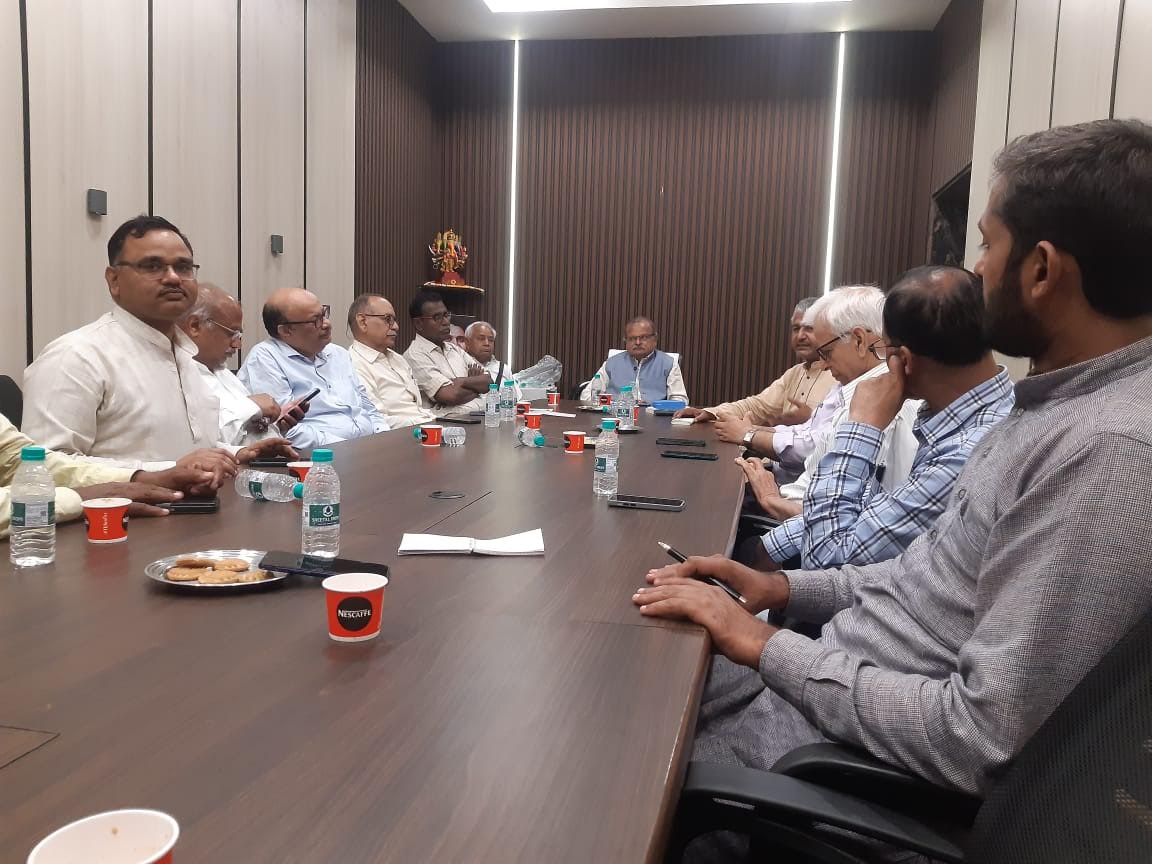
लखनऊ,29 मार्च । राष्ट्रीय स्वयंसेवक संघ की अखिल भारतीय कार्यकारिणी के सदस्य प्रेम कुमार ने कहा कि लोकमत का प्रशिक्षण व परिष्कार आवश्यक है। जैसी प्रजा होगी वैसा ही राजा होगा। उन्होंने कहा कि जाति,मत व मजहब से ऊपर उठकर मतदान करें। मतदाता जागरूक हुआ है लेकिन मतदान प्रतिशत बढ़ाने की आवश्यकता है। वह संस्कृति भवन स्थित राष्ट्रधर्म पत्रिका के कार्यालय पर लोकतंत्र व नागरिक कर्तव्य विषय पर आयोजित संगोष्ठी में बोल रहे थे। प्रेम कुमार ने कहा कि आज देश में साधन संपन्नता बढ़ी है फिर भी प्रान्त,भाषा,जाति,गांव व परिवार को देखकर लोग वोट करते हैं।

राष्ट्रीय स्वयंसेवक संघ के सह क्षेत्र प्रचार प्रमुख मनोजकांत ने कहा कि लोकमत ही लोकतंत्र को संरक्षित करता है। सामाजिक संगठनों की लोकमत निर्माण में महत्वपूर्ण भूमिका होती है। लोकमत का परिष्कार दीर्घकालिक प्रक्रिया है। समाज बदलने की प्रक्रिया ही मूल प्रक्रिया है। उन्होंने कहा कि प्रकृति,संस्कृति व परम्परा के प्रकाश में जो शिक्षा मिलती है वह नागरिक कर्तव्यबोध कराता है।

राष्ट्रधर्म पत्रिका के निदेशक सर्वेश चन्द्र द्विवेदी ने कहा कि नागरिकों से लोक व्यवस्था चलती है। लोकमत को जाग्रत करने के लिए कर्तव्य के प्रति नागरिकों को जागरूक करना होगा। उन्होंने कहा कि संविधान को हमें जानना चाहिए,मानना चाहिए और उसके हिसाब से काम करना चाहिए।

बृजनन्दन राजू ने कहा कि संविधान में नागरिक कर्तव्यों का उल्लेख किया गया है। नागरिक कर्तव्य में संविधान का पालन करने के साथ ही पर्यावरण व सामाजिक समरसता का उल्लेख है। उन्होंने कहा कि समरस समाज से भारत समृद्ध व शक्तिशाली होगा। राष्ट्रीय स्वयंसेवक संघ सामाजिक समरसता गतिविधि के माध्यम से समाज में सामाजिक समरसता निर्माण करने के लिए काम कर रहा है।

राजेन्द्र मल्ल ने कहा कि लोक प्रशिक्षण जरूरी है। जब तक लोक को शिक्षित नहीं करेंगे तब तक जनता को बरगलाया जाता रहेगा।

संतोष तिवारी ने कहा कि संविधान में संशोधन की जरूरत है। भारत का संविधान दुनिया का सबसे लंबा संविधान है। अन्य देशों में संविधान बदले गये लेकिन भारत के संविधान में बदलाव नहीं हुआ।

कार्यक्रम की अध्यक्षता करते हुए सर्वेश कुमार सिंह ने कहा कि जैसा लोक होगा वैसा ही लोकमत होगा। उन्होंने कहा कि श्रीराम ने लोकमत का सम्मान किया था। भारत की जनता मन,वचन व कर्म से लोकतांत्रिक है। संगोष्ठी का संचालन लखनऊ विश्वविद्यालय के पत्रकारिता एवं जनसंचार विभाग के एसोसिएट प्रोफेसर डॉ. सौरभ मालवीय ने किया। गोष्ठी को स्वामी मुरारी दास, कुंवर आजम खान, राजीव कुमार,मनोज चंदेल और श्रवण कुमार ने भी संबोधित किया।

scroll to top