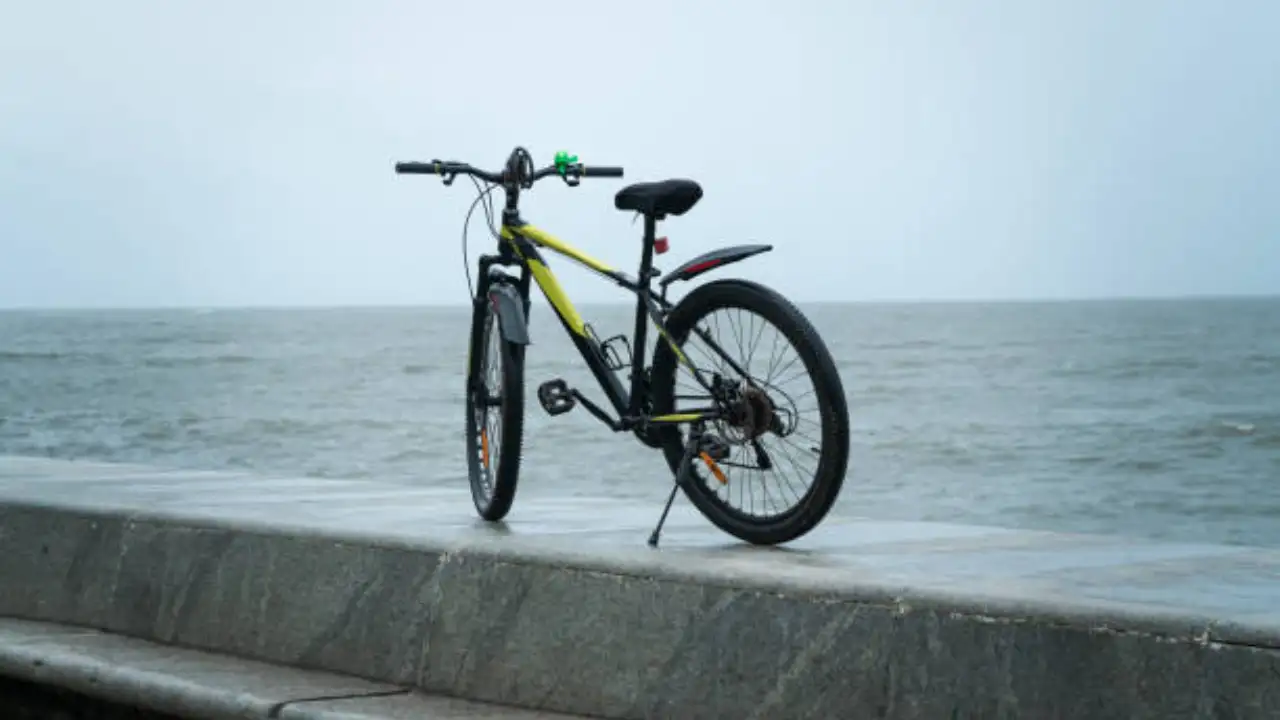
Delhi : Every year on June 3, the world comes together to celebrate World Bicycle Day, a global initiative established by the United Nations General Assembly in April 2018. Spearheaded by Professor Leszek Sibilski, a Polish social scientist, and supported by Turkmenistan and 56 other nations, this day recognizes the bicycle’s uniqueness, longevity, and versatility as a simple, affordable, reliable, and environmentally sustainable mode of transport. As we honor this two-wheeled marvel, we reflect on its rich history, its challenges in modern contexts like India, and the urgent need to promote cycling for health, environmental, and cultural benefits, drawing inspiration from global efforts to make cycling a cornerstone of sustainable urban mobility.The History of the Bicycle: A Journey of InnovationThe bicycle’s story began in the early 19th century with the invention of the “velocipede” or “draisine” by German Baron Karl Drais in 1817. This early machine, also known as the “running machine,” had no pedals and was propelled by pushing off the ground with one’s feet. It was a rudimentary design, but it laid the foundation for human-powered transport. The first significant leap came in 1861 when Frenchman Pierre Michaux introduced pedals and a chain drive, creating the first practical bicycle. This innovation transformed the bicycle into a viable mode of transport, sparking widespread interest.
In the late 19th century, the “penny-farthing” bicycle, with its large front wheel and small rear wheel, became iconic but was impractical and unsafe. The 1880s brought the “safety bicycle,” featuring two equal-sized wheels, a chain-driven rear wheel, and pneumatic tires invented by John Dunlop. This design, resembling modern bicycles, made cycling accessible and popular, revolutionizing personal transport.In India, bicycles arrived during the British colonial period in the 1890s, initially as a symbol of elite status among European missionaries and officials. Post-independence, the bicycle became a symbol of Swadeshi (self-reliance) and industrialization. Companies like Atlas Cycles (1951) and Hero Cycles (1956) emerged, producing affordable bicycles that became a lifeline for millions, particularly the working class and rural communities. By the 1970s, bicycles were synonymous with mobility for schoolgirls, laborers, and urban commuters, embodying both practicality and empowerment, as seen in campaigns like Tamil Nadu’s bicycle-for-girls schemes in the 1990s, which boosted female school enrollment.The Indian Bicycle Market and the Rise of Motor VehiclesToday, India’s bicycle market is valued at USD 2.6 billion, with sales reaching 10.67 million units in 2023-24, according to the All-India Cycle Manufacturers’ Association. The market is projected to grow at a compound annual growth rate (CAGR) of 6.25%, reaching USD 5.20 billion by 2029. Despite this growth, driven by rising health consciousness, environmental awareness, and urban congestion, bicycles face stiff competition from motor vehicles. The number of bicycle-owning households remained stagnant between 2001 and 2011, as rising incomes fueled demand for motorbikes and cars, which are often seen as status symbols.
This shift poses a significant environmental threat. Motor vehicles, particularly two-wheelers and cars, contribute heavily to India’s air pollution crisis, which was linked to 1.67 million deaths in 2019. Greenhouse gas emissions from fossil fuel-powered vehicles exacerbate climate change, with transportation accounting for a substantial portion of India’s carbon footprint. Cities like Delhi and Mumbai grapple with severe air quality issues, with particulate matter (PM2.5) levels often exceeding safe limits. In contrast, bicycles produce zero emissions, making them a critical tool for reducing air pollution and mitigating climate change. The dominance of motor vehicles also worsens traffic congestion, with India’s urban roads seeing a tenfold increase in cars per 100 people, leading to gridlock and inefficiencies.The Challenge of Non-Bicycle-Friendly RoadsIndian roads present a formidable barrier to cycling. According to the Ministry of Road Transport and Highways, 3,003 bicycle accidents and 1,445 fatalities were reported in 2022, highlighting the dangers cyclists face.
Potholes, poor street lighting, and the lack of dedicated bike lanes force cyclists to share space with fast-moving traffic, increasing the risk of accidents. For women, additional concerns like sexual harassment deter cycling, while social biases often portray cyclists as impediments to motorists. Cities like Chennai, which introduced a Non-Motorized Transport (NMT) Policy in 2014, have struggled to implement it effectively, with dedicated cycle tracks like KK Nagar’s becoming riddled with potholes or encroached upon by vehicles.The lack of coordination between government departments, such as municipal corporations and traffic police, further hampers efforts to create safe cycling infrastructure. For instance, Kochi Metro Rail’s Rs 116 crore NMT project faced roadblocks due to encroachments and poor inter-agency collaboration. Without a robust network of protected bike lanes, secure parking, and integrated public transport systems, many potential cyclists are discouraged, undermining the bicycle’s potential as a viable transport option.The Case for Government Promotion of BicyclesPromoting bicycles aligns seamlessly with India’s Swadeshi ethos, health priorities, and environmental goals. The Swadeshi movement, championed by Mahatma Gandhi, emphasized self-reliance and local production. India’s bicycle industry, led by homegrown companies like Hero Cycles, embodies this spirit, with only 5-7% of output exported, catering primarily to domestic demand. Supporting this industry strengthens local economies and reduces dependence on foreign vehicles and fuels.From a health perspective, cycling is a low-impact exercise that improves cardiovascular health, reduces obesity, and enhances mental well-being. The World Health Organization estimates that regular cycling can prevent 0.17 million deaths globally, with potential for greater impact through increased adoption. In India, where sedentary lifestyles contribute to rising rates of diabetes and heart disease, promoting cycling could significantly improve public health outcomes.
Environmentally, bicycles are a cornerstone of sustainable urban mobility. By reducing reliance on motor vehicles, cities can lower greenhouse gas emissions, alleviate traffic congestion, and improve air quality. Initiatives like the Smart Cities Mission’s Cycles4Change Challenge, which has encouraged cities like Chennai and Bangalore to pilot cycling infrastructure, demonstrate the potential for policy-driven change. However, these efforts must move beyond tokenism to include comprehensive urban planning that prioritizes people over vehicles.Global Inspiration: Cycling Support in Foreign CountriesGlobally, countries have embraced cycling as a solution to urban challenges, offering valuable lessons for India. Paris, once notorious for traffic gridlock, invested €250 million to create 180 km of bike lanes, resulting in a 166% increase in cycling traffic. The city’s transformation into a cycling hub, earning it the top spot in the 2025 Cycle-Friendly City Ranking, showcases the power of dedicated infrastructure. Copenhagen, with over 400 km of bike lanes, aims for carbon neutrality by 2025, with e-bikes playing a central role. The Netherlands, where e-bikes account for over 50% of bicycle sales, offers tax benefits of up to €1,500 annually for bike commuters, fostering a cycling culture.
In North America, cities like New York and Toronto have expanded bike-sharing programs, while the U.S. market sees growing demand for mountain and road bikes driven by fitness trends. Italy provides subsidies of €500 for bicycle purchases in cities with over 50,000 residents, and São Paulo, Brazil, plans to add 173 km of bike lanes. These initiatives highlight how government support, infrastructure investment, and cultural shifts can make cycling a mainstream transport option.The Growing Popularity of Bicycles and a Path Forward for IndiaGlobally, the bicycle market is booming, valued at USD 77.01 billion in 2024 and projected to reach USD 135.02 billion by 2030. The rise of e-bikes, cargo bikes for urban deliveries, and bike-sharing systems reflects growing awareness of cycling’s benefits.
In India, the cycling boom during the COVID-19 pandemic, driven by a need for contactless transport, saw increased adoption, with individuals like Hinotoli V Sena in Kohima rediscovering cycling’s joys.
To capitalize on this momentum, India must adopt a multi-pronged strategy. First, invest in infrastructure: create a nationwide network of protected bike lanes, integrated with public transport hubs, as seen in Aurangabad’s 20-km dedicated lane project. Second, launch awareness campaigns to promote cycling as aspirational and eco-friendly, countering social biases. Third, offer subsidies for bicycle purchases, similar to European models, to make cycling accessible to all. Fourth, ensure inclusive urban planning that prioritizes cyclists, pedestrians, and marginalized groups. Finally, strengthen coordination between government agencies to ensure policies translate into action.World Bicycle Day reminds us that the bicycle is more than a mode of transport—it is a tool for health, sustainability, and social equity. In India, where motor vehicles threaten environmental and public health, promoting bicycles aligns with Swadeshi values and global sustainability goals. By learning from countries like France and the Netherlands, India can transform its cities into cycling havens, reducing pollution, improving health, and fostering a culture of self-reliance. As we pedal toward a greener future, let us seize this opportunity to make every day a bicycle day, ensuring safe, inclusive, and sustainable mobility for all