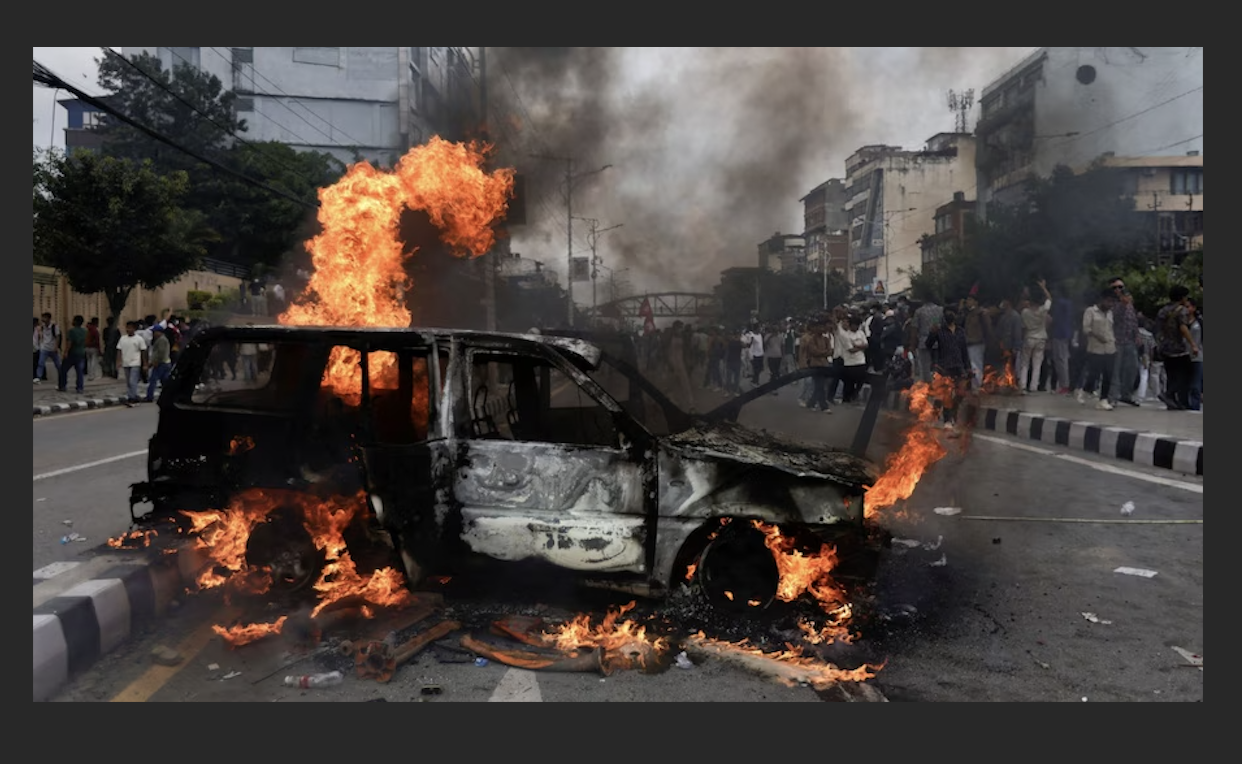
काठमांडू: भगवान पशुपतिनाथ की कृपा-भूमि नेपाल इस समय विद्रोह की उफनती लहरों में डगमगा रहा है। Gen Z आंदोलन ने यह स्पष्ट कर दिया है कि वहां की जनता भ्रष्टाचार, असमानता और अवसरहीनता से ऊबकर निर्णायक प्रतिकार के मार्ग पर अग्रसर हो चुकी है। सोशल मीडिया पर लगाए गए प्रतिबंध ने इस असंतोष की चिंगारी को प्रचंड अग्निज्वाला में बदल दिया है। परंतु यह संकट केवल राजनीति या सत्ता तक सीमित नहीं है। यह नेपाल की सांस्कृतिक चेतना, धार्मिक आस्था और सामाजिक धड़कनों को भी झकझोर रहा है।
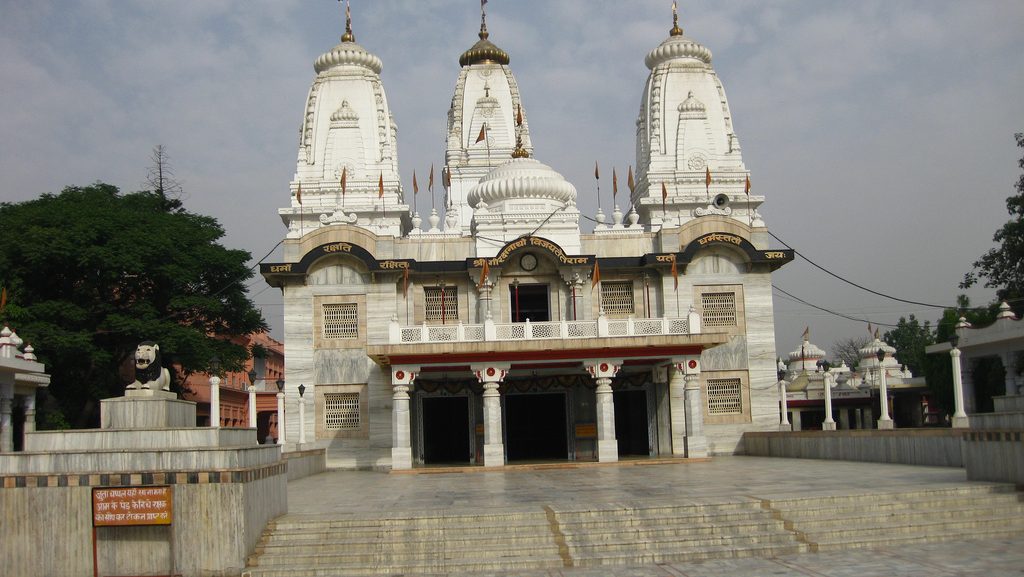
हिमालय की गोद और गंगा-यमुना की सांस्कृतिक गाथाओं से जुड़ा यह देश सदियों से भारत के साथ साझा परंपराओं का सेतु रहा है। भगवान पशुपतिनाथ के आशीष से पवित्र यह भूमि और जनक-राम की विवाह-स्थली जनकपुर से लेकर बुद्ध के जन्मस्थल लुंबिनी तक की सांस्कृतिक यात्रा भारत-नेपाल की एकात्मता का अश्वर प्रमाण है। हर वर्ष आयोजित राम-जानकी विवाह महोत्सव, मकर संक्रांति मेले और कुम्भ-लुंबिनी संवाद जैसे पर्व इस एकात्मता को प्रत्यक्ष रूप से जीवित रखते हैं। ऐसे अस्थिर समय में भारत-नेपाल संबंधों का भविष्य केवल औपचारिक कूटनीति से तय नहीं होगा, बल्कि उन सांस्कृतिक स्तंभों की दृढ़ता पर टिका है, जिन्होंने सदियों से दोनों देशों की आत्माओं को एक सूत्र में पिरोया है। इन्हीं में सबसे प्रमुख है पावन गोरक्षपीठ (गोरखनाथ मठ, गोरखपुर), जो भगवान पशुपतिनाथ की पावन परंपरा के साथ मिलकर भारत और नेपाल की एकात्म सांस्कृतिक धारा का अमिट प्रतीक और विश्वास का जीवंत आधार है।
*गोरक्षपीठ और नेपाल : संस्कृति का संबल, आस्था का सेतु*
नेपाल के इतिहास में गोरक्षपीठ की भूमिका केवल एक मठ की मर्यादा तक सीमित नहीं रही, बल्कि यह सांस्कृतिक संबल और आध्यात्मिक सेतु के रूप में युगों-युगों तक गूंजती रही। हिमालय की गोद में जब 18वीं शताब्दी में गोरखनाथ की साधना का आलोक फैला, तब गोरखा राज्य को केवल नाम ही नहीं, बल्कि आत्मा भी मिली। पृथ्वी नारायण शाह ने जब नेपाल को एकसूत्र में पिरोया, तो उन्होंने गोरखनाथ को राष्ट्र-रक्षक माना। इस प्रकार गोरक्षनाथ परंपरा नेपाल की राजनीतिक चेतना की धड़कन बन गई।
20वीं शताब्दी में महंत दिग्विजयनाथ जी महाराज और महंत अवेद्यनाथ जी महाराज ने इस परंपरा को नया प्राण और नया पथ दिया। पावन गोरक्षपीठ ने संतों को संगठित कर यह स्पष्ट किया कि भारत–नेपाल का संबंध न तो केवल सीमा का संबंध है और न ही केवल व्यापार का बंधन। यह तो आस्था की अटूट डोर और संस्कृति की सनातन संगीतमाला है।
1980–90 के दशक में जब नेपाल वामपंथी विचारधारा और राजनीतिक अस्थिरता की आंधी से जूझ रहा था, तब गोरक्षपीठ ने दीपक की तरह मार्ग दिखाया। महंत अवेद्यनाथ जी ने यह संदेश दिया कि भारत–नेपाल का संबंध केवल सत्ता की संधियों पर नहीं, बल्कि सदियों की साधना और साझी संस्कृति पर टिका है।
आधुनिक युग में गोरक्षपीठ का ध्वज योगी आदित्यनाथ ने संभाला है। उनकी जनकपुरधाम यात्रा वैदिक वाणी का उद्घोष बनी, पशुपतिनाथ मंदिर की पूजा आस्था का आलोक बनी, और लुंबिनी की बुद्ध जयंती सहभागिता हिन्दू-बौद्ध संवाद का संगम बनी। आज गोरक्षपीठ केवल एक धार्मिक पीठ नहीं, बल्कि आधुनिक सांस्कृतिक कूटनीति का उज्ज्वल प्रतीक है।
गोरक्षपीठ ने नेपाल में कभी प्रत्यक्ष राजनीतिक हस्तक्षेप नहीं किया, किंतु हर संकटकाल में यह दीपशिखा बनकर दिशा दिखाता रहा। यह वही शक्ति है जो सीमाओं से परे, सत्ता से ऊपर और संधियों से आगे जाकर भारत–नेपाल संबंधों को स्थायित्व और आत्मीयता देती है। यही कारण है कि नेपाल का जनमानस गोरक्षपीठ को केवल मठ नहीं मानता, बल्कि विश्वास का आधार, संस्कृति का संरक्षक और सनातन सेतु मानता है। एक ऐसा सेतु, जो हिमालय की चोटियों से लेकर गंगा-यमुना की धाराओं तक दोनों देशों की आत्माओं को एक सूत्र में बांधे रखता है।
*मौजूदा विद्रोही परिस्थिति में गोरक्षपीठ की भूमिका*
नेपाल की मौजूदा विद्रोही परिस्थितियां केवल सत्ता के संकट का परिणाम नहीं हैं, बल्कि समाज की गहरी बेचैनी, असमानता और अवसरहीनता का विस्फोट हैं। ऐसे समय में गोरक्षपीठ की भूमिका साधारण धार्मिक केंद्र तक सीमित नहीं रहती, बल्कि वह सांस्कृतिक मार्गदर्शक और सामाजिक सहारा बन सकती है।
सबसे पहले, सांस्कृतिक स्मृति जगाना आवश्यक है। जनता को यह स्मरण कराना होगा कि राजनीतिक अस्थिरता अस्थायी है, लेकिन भारत-नेपाल की साझा परंपराएं शाश्वत हैं। हिमालय की गोद से लेकर गंगा की धारा तक बहती हुई यह सांस्कृतिक चेतना दोनों देशों की आत्माओं को जोड़े रखती है। जब युवाओं का आक्रोश व्यवस्था पर टूट पड़ता है, तब गोरक्षपीठ यह संदेश दे सकता है कि परिवर्तन केवल संघर्ष से नहीं, बल्कि परंपरा की जड़ों से जुड़कर ही स्थायी हो सकता है।
दूसरे, गोरक्षपीठ एक विश्वास का सेतु बन सकता है। आज जब राजनीतिक दल आपसी अविश्वास और आरोप-प्रत्यारोप में उलझे हैं, तब जनता को किसी ऐसे मंच की आवश्यकता है, जो न तो सत्ता की लालसा से प्रेरित हो और न ही दलगत स्वार्थ से। गोरक्षपीठ अपने संतत्व और निष्पक्षता के कारण ऐसा मंच बन सकता है, जो संवाद, सहयोग और भरोसे का प्रतीक बने। यह संस्था नेपाल की जनता को यह विश्वास दिला सकती है कि भारत केवल एक राजनीतिक ताकत नहीं, बल्कि एक आत्मीय पड़ोसी, सहयात्री और सांस्कृतिक सहोदर है।
तीसरे, धार्मिक पर्यटन और अर्थव्यवस्था की दृष्टि से गोरक्षपीठ का योगदान अत्यंत महत्वपूर्ण हो सकता है। यदि गोरखनाथ-पशुपतिनाथ- जनकपुर – लुंबिनी जैसी ध्रुवीय स्थलों को एक साझा सांस्कृतिक–धार्मिक यात्रा मार्ग के रूप में विकसित किया जाए, तो इससे न केवल नेपाल की डगमगाती अर्थव्यवस्था को बल मिलेगा, बल्कि भारत–नेपाल के बीच जन-से-जन संपर्क और भी गहरा होगा। साल 2023 में ही नेपाल में 319,000 से अधिक भारतीय पर्यटक पहुंचे और 2024 की पहली छमाही में यह संख्या 1.8 लाख से अधिक रही। यह आंकड़े बताते हैं कि धार्मिक पर्यटन नेपाल की अर्थव्यवस्था की धड़कन है। पर्यटन से जुड़ी आय, रोजगार और सांस्कृतिक आयोजनों से जनता का मनोबल बढ़ेगा और अस्थिरता के बीच स्थिरता का अहसास होगा।
और सबसे महत्वपूर्ण यह कि गोरक्षपीठ की पहुंच केवल राजाओं, राजनेताओं या संतों तक ही सीमित नहीं रही है, बल्कि आमजन के मन में भी उसकी गहरी जड़ें हैं। नेपाल के गांव-गांव और तराई के कस्बों तक में गोरखनाथ का नाम श्रद्धा और विश्वास के साथ लिया जाता है। किसान इसे अपने परिश्रम का संरक्षक मानते हैं, व्यापारी इसे अपने सौदे की सफलता का आशीर्वाद समझते हैं, और युवा इसे संघर्ष और संकल्प का प्रतीक मानते हैं। यही कारण है कि गोरक्षपीठ की पुकार जनता के हृदय तक सीधे पहुंचती है और कठिन समय में आश्वस्ति का आधार बन जाती है।
अंतरराष्ट्रीय कथा वाचक आचार्य शांतनु जी महाराज पूरे विश्वास के साथ कहते हैं कि नेपाल की आत्मा केवल सत्ता या संविधान से नहीं, बल्कि गुरु परंपरा से जुड़ी है। गोरखनाथ की साधना और पशुपतिनाथ की कृपा ही वह धारा है, जो हर संकट में नेपाल समाज को संभालती रही है। जब राजनीति डगमगाती है, तब जनता गोरक्षपीठ की ओर आश्वस्ति से देखती है। क्योंकि वहां से संदेश सत्ता का नहीं, बल्कि संस्कृति का आता है।
*भारत की कूटनीति में गोरक्षपीठ का महत्व*
भारत–नेपाल संबंध अतीत में कई बार वामपंथी राजनीति, क्षेत्रीय राष्ट्रवाद और बाहरी दबावों से प्रभावित हुए हैं। कभी तेल और दाल-चावल की आपूर्ति रोकने का आरोप लगा, तो कभी चीन ने निवेश और कूटनीति के जरिए नेपाल की राजनीति में हस्तक्षेप बढ़ाया। ऐसे समय में गोरक्षपीठ एक ऐसा संदेश देता है, जो इन सब राजनीतिक उलझनों से ऊपर है। यह रिश्ता केवल सत्ता या आर्थिक गणित का नहीं, बल्कि संस्कृति, धर्म और आस्था का है।
भारत की औपचारिक कूटनीति जब संधियों, समझौतों और वार्ताओं तक सीमित रहती है, तब गोरक्षपीठ सांस्कृतिक कूटनीति का जीवंत उदाहरण बनता है। यह वह शक्ति है, जो नेपाल की जनता के दिल तक पहुंचती है। पशुपतिनाथ की कृपा-भूमि में गोरक्षपीठ यह विश्वास जगाता है कि भारत–नेपाल का संबंध केवल पड़ोसी देशों का नहीं, बल्कि भाईचारे और साझी परंपराओं का है।
यदि भारत अपनी राजनीतिक कूटनीति को गोरक्षपीठ की सांस्कृतिक शक्ति के साथ जोड़ता है, तो उसे वह गहराई और आत्मीयता प्राप्त होगी, जो चीन जैसे बाहरी शक्तियों के आर्थिक निवेश से संभव नहीं। हाल ही में भारत–नेपाल के बीच हुआ 10,000 मेगावॉट विद्युत व्यापार समझौता इस कूटनीतिक और आर्थिक साझेदारी की मिसाल है, किंतु गोरक्षपीठ इसे सांस्कृतिक आधार देकर स्थायी बना सकता है। गोरक्षपीठ नेपाल की जनता को यह अहसास दिला सकता है कि भारत केवल एक राजनीतिक शक्ति नहीं, बल्कि वह पड़ोसी है, जो संकट की घड़ी में सांस्कृतिक आत्मीयता और आध्यात्मिक विश्वास के साथ खड़ा है।
संक्षेप में, मौजूदा विद्रोह और अस्थिरता के बीच गोरक्षपीठ की भूमिका संवाद, स्मृति और स्थिरता की है। यही भूमिका भारत–नेपाल संबंधों को राजनीतिक उतार-चढ़ाव से ऊपर उठाकर एक स्थायी, आत्मीय और सांस्कृतिक साझेदारी में बदल सकती है।
अंतरराष्ट्रीय मामलों के विशेषज्ञ डॉ. रहीस सिंह कहते हैं कि भारत–नेपाल संबंधों का आधार केवल व्यापार नहीं, बल्कि उन साझा संवृत्तियों की जीवंतता है, जिनकी जड़ें संस्कृति, सनातन आस्था और मानवीय संवेदनाओं में निहित हैं। गोरक्षपीठ इन भावनाओं का संस्थागत रूप है, जो दोनों देशों को स्थायी और आत्मीय बंधन में जोड़ती है। चीन अरबों डॉलर का निवेश कर सकता है, किंतु वह भावनात्मक मानवीय कनेक्ट नहीं दे सकता, जो भारत सदियों से नहीं बल्कि सहस्राब्दियों से देता आ रहा है।
*नेपाल का संत समाज और गोरक्षपीठ : शाश्वत संवाद*
गोरक्षपीठ और नेपाल के संत समाज का रिश्ता शताब्दियों पुराना है। पशुपतिनाथ की शिव-परंपरा और गोरखनाथ की तपस्या का संगम, त्रिपुरसुंदरी की शक्ति और हठयोग का मिलन, तथा नथ संन्यासियों की साधना, इन सबने नेपाल के लोकजीवन और पर्व-त्यौहारों पर अमिट छाप छोड़ी। यह शाश्वत संवाद प्रमाण है कि भारत–नेपाल का संबंध केवल राजनीति का परिणाम नहीं, बल्कि धर्म, संस्कृति और साझा आस्था की शाश्वत धारा है, जिसने दोनों देशों को युगों-युगों से एक सूत्र में बांध रखा है।
*चीन की बढ़ती भूमिका और गोरक्षपीठ का सांस्कृतिक संतुलन*
आज नेपाल में चीन अपनी पकड़ मजबूत करने के प्रयास में सक्रिय है। उसने बेल्ट एंड रोड इनिशिएटिव (BRI) के अंतर्गत सड़क, ऊर्जा और अवसंरचना से जुड़ी कई परियोजनाओं में बड़ा निवेश किया है। आर्थिक पैमाने पर यह प्रभावशाली अवश्य प्रतीत होता है, किंतु इसमें स्थायित्व और आत्मीयता का अभाव है।
नेपाल की वामपंथी राजनीति कई बार चीन की ओर झुकाव दिखाती रही है, जिससे भारत–नेपाल संबंधों में अविश्वास की खाई और गहरी हुई है। परंतु यह भी उतना ही सत्य है कि चीन का प्रभाव केवल धन और परियोजनाओं तक सीमित है। नेपाली जनमानस में चीन के प्रति वह भावनात्मक निकटता नहीं है, जो भारत के साथ सहज रूप से विद्यमान है।
यहीं पर गोरक्षपीठ भारत के लिए सांस्कृतिक संतुलनकारी शक्ति के रूप में सामने आता है। चीन अपनी सॉफ्ट पावर गढ़ने की कितनी भी कोशिश करे, किंतु गुरु गोरखनाथ की परंपरा और योगी आदित्यनाथ की लोकप्रियता उसकी किसी भी सांस्कृतिक रणनीति पर भारी पड़ती है।
इस प्रकार गोरक्षपीठ भारत के लिए केवल धार्मिक-सांस्कृतिक धरोहर नहीं, बल्कि कूटनीति से परे एक आत्मीय शक्ति है। यह शक्ति नेपाल में भारत की स्थायी मित्रता को सुनिश्चित करती है और दिखाती है कि भारत और नेपाल का रिश्ता राजनीतिक गणित से नहीं, बल्कि सांस्कृतिक और आध्यात्मिक आत्मीयता से पोषित है। यही संतुलन चीन की आर्थिक रणनीति को सीमित कर, भारत–नेपाल संबंधों को स्थायित्व और गहराई प्रदान करता है।
*भविष्य का सेतु*
गुरु गोरखनाथ की साधना, गोरखा राज्य की उत्पत्ति, पशुपतिनाथ और त्रिपुरसुंदरी की परंपरा, योगी आदित्यनाथ के प्रवास और आज के विद्रोही परिदृश्य ये सब मिलकर गोरक्षपीठ को भारत-नेपाल संबंधों का आध्यात्मिक स्तंभ बनाते हैं।
आज जब नेपाल अस्थिरता से गुजर रहा है, गोरक्षपीठ की भूमिका और निर्णायक हो गई है। यह न केवल नेपाल की जनता को स्थिरता और विश्वास का संदेश दे सकता है, बल्कि भारत की कूटनीति को सांस्कृतिक गहराई भी प्रदान कर सकता है। चीन के आर्थिक प्रभाव के बीच गोरक्षपीठ यह स्मरण कराता है कि नेपाल की आत्मा भारत से जुड़ी है और यही भविष्य का सबसे सशक्त सेतु है।
और यही कारण है कि गोरक्षपीठ की छवि केवल एक मठ या परंपरा तक सीमित नहीं, बल्कि आमजन के विश्वास और भावनाओं में भी उतनी ही जीवंत है। गांव के किसान से लेकर शहर के छात्र तक, सबके मन में यह आश्वस्ति है कि गोरक्षपीठ संकट की घड़ी में दिशा दिखाने वाली दीपशिखा है। यही उसकी स्थायी शक्ति है और यही उसे भविष्य का सेतु बनाती है।