Unveiling the Heart of Resistance: Banu Mushtaq and Deepa Bhasthi on ‘Heart Lamp’

3-1-9.jpeg

Bengaluru : In a recent interview on the YouTube channel The Book Haven, Kannada author Banu Mushtaq and translator Deepa Bhasthi discussed their International Booker Prize-winning short story collection, Heart Lamp, a poignant exploration of the lives of Muslim and Dalit women in southern India. The conversation, moderated by literary critic Dr. Priya Sharma, delved into the themes of the book, the challenges of translation, and the authors’ perspectives on societal issues, including the contentious topic of Muslim fanaticism. The interview, available at [YouTube link], offers a rare glimpse into the creative and ideological synergy between Mushtaq and Bhasthi, whose collaboration has brought Kannada literature to the global stage. This article draws from their discussion, as well as insights from a feature in The Hindu [], to explore their thoughts on Muslim fanaticism, the power of storytelling, and the significance of their historic win.

Heart Lamp, a collection of 12 short stories, marks a milestone in Indian regional literature as the first Kannada work and the first short story collection to win the International Booker Prize. Written by Banu Mushtaq and translated into English by Deepa Bhasthi, the book captures the everyday struggles, resilience, and quiet rebellion of women navigating patriarchal, casteist, and religiously oppressive structures in southern India. Mushtaq, a lawyer, activist, and writer from Karnataka, has spent decades crafting stories that challenge social injustices, particularly those faced by Muslim and Dalit women. Bhasthi, a Kodagu-based translator and writer, has skillfully rendered these narratives into English, preserving their emotional depth and cultural specificity.

During the interview, Dr. Sharma posed a pointed question about how Heart Lamp addresses the perception of Muslim fanaticism, a topic often fraught with stereotypes and political baggage. Mushtaq responded with characteristic clarity, emphasizing that her stories aim to humanize rather than demonize. “The term ‘fanaticism’ is often weaponized to paint entire communities as threats,” she said. “In Heart Lamp, I wanted to show Muslim women not as caricatures but as individuals with dreams, fears, and agency, living within and resisting oppressive systems.” She cited the story “Shadows of Jasmine,” where a young Muslim woman, Ayesha, defies her conservative family’s expectations to pursue education, only to face accusations of “rebellion” that echo broader societal labels of fanaticism. Mushtaq argued that such labels often obscure the real issue: the lack of freedom for women to make choices without fear of judgment or violence.

Mushtaq’s perspective is rooted in her decades-long engagement with progressive literary circles in Karnataka, where she began writing in the 1970s and 80s. Her activism as a lawyer defending women’s rights informs her storytelling, which blends empathy with critique. She acknowledged that religious orthodoxy, including within Muslim communities, can stifle individual freedoms, but she was quick to contextualize it. “Orthodoxy is not unique to any one religion,” she noted. “It’s a product of patriarchal control, whether it’s Hindu, Muslim, or any other community. My stories don’t shy away from showing the harm of rigid beliefs, but they also refuse to let those beliefs define the people who live under them.”

Deepa Bhasthi, who translated Heart Lamp from Kannada to English, elaborated on the challenges of conveying these nuanced portrayals to a global audience. “The word ‘fanatic’ carries heavy connotations in English, often tied to terrorism or extremism,” she explained. “In Kannada, the language Banu uses is more layered, often blending irony and compassion. My job was to carry that tone across without letting the stories feel like they’re pandering to Western stereotypes about Muslim communities.” Bhasthi’s translation has been lauded for its fidelity to the original text while making it accessible to readers unfamiliar with the cultural and linguistic intricacies of Karnataka. She cited her work on stories like “The Weight of a Name,” where a Muslim woman’s choice to change her name to escape stigma reflects both personal courage and societal prejudice.

The interview also touched on the broader socio-political context of their work. Mushtaq addressed the rise of communal tensions in India, particularly the targeting of Muslim communities through divisive narratives. “When people talk about ‘Muslim fanatics,’ they often ignore the fanaticism of majoritarian politics,” she said, her voice steady but impassioned. “My stories don’t preach, but they ask readers to question who gets to define normalcy and who gets labeled as ‘other.’” This perspective aligns with posts on X, where users like
@whineandchill praised Mushtaq’s “clarity of thought” and commitment to feminist ideals, noting her refusal to shy away from difficult truths.

Bhasthi added that translating Heart Lamp required navigating not just linguistic but also ideological challenges. “In some stories, Banu critiques religious conservatism head-on, but she does it through the eyes of her characters—women who are daughters, mothers, sisters,” she said. “My role was to ensure their voices felt authentic, not like they were being filtered through a lens of external judgment.” Bhasthi’s background as a translator of other Kannada luminaries, such as Kota Shivarama Karanth, equipped her to handle the delicate balance of staying true to Mushtaq’s intent while making the stories resonate internationally.

The discussion also highlighted the significance of their Booker win for Kannada literature. Mushtaq expressed pride in bringing a regional language to global attention, noting that Kannada literature has long been overshadowed by works in English or Hindi. “This award is for every writer who tells stories in their mother tongue,” she said. Bhasthi echoed this sentiment, emphasizing the importance of translation in bridging cultural divides. “Kannada is a language of incredible richness, but it’s rarely heard outside Karnataka,” she said. “Translating Heart Lamp was about giving these women’s stories a passport to the world.

”The interview wasn’t without lighter moments. Mushtaq shared an anecdote about a reader who mistook one of her stories for a real-life account, underscoring the vivid realism of her characters. Bhasthi laughed as she recounted the painstaking process of finding English equivalents for Kannada idioms, like translating “a heart heavy as a monsoon cloud” without losing its poetic weight. These moments revealed the deep camaraderie between the two women, whose collaboration has been as much a friendship as a professional partnership.

Heart Lamp’s stories, as discussed in the interview and detailed in The Hindu [], span Mushtaq’s career from 1990 to 2023, showcasing her evolution as a writer. From the quiet defiance of a widow in “The Last Lantern” to the intergenerational conflict in “Daughters of the Moon,” the collection weaves a tapestry of resilience and resistance. Mushtaq and Bhasthi’s work challenges readers to confront uncomfortable truths about caste, religion, and gender while celebrating the humanity of those often marginalized.

As the interview drew to a close, Dr. Sharma asked about their hopes for Heart Lamp’s impact. Mushtaq’s response was both humble and resolute: “I want readers to see these women as they are—flawed, strong, human. If even one person questions the labels we put on each other, whether it’s ‘fanatic’ or ‘rebel,’ then these stories have done their job.” Bhasthi added, “I hope it inspires more translations, more voices from the margins to be heard.”

Heart Lamp is more than a literary achievement; it’s a testament to the power of storytelling to challenge stereotypes and amplify silenced voices. Mushtaq and Bhasthi’s collaboration has not only elevated Kannada literature but also sparked a vital conversation about identity, resistance, and the human cost of fanaticism in all its forms. Their Booker win is a beacon for regional literature, proving that stories from the heart of Karnataka can resonate with the world.


Saiyaara: A Soulful Symphony of Love That Hits All the Right Notes

3-22.png

Mumbai : Mohit Suri’s Saiyaara (2025) has taken Bollywood by storm, igniting a frenzy among audiences and critics alike. This romantic musical drama, starring debutants Ahaan Panday and Aneet Padda, has sparked a tidal wave of buzz, with advance bookings surpassing Rs 9.39 crore and a box office haul crossing Rs 132.25 crore by day five. But what’s behind the hype? Is Saiyaara truly the “Aashiqui 2 of our times,” as some claim, or just another melodramatic rehash? Let’s dive into what makes this film a captivating, if familiar, ode to love, music, and heartbreak.

At its core, Saiyaara is a quintessential Mohit Suri tale of star-crossed lovers, echoing his signature style seen in Aashiqui 2 and Ek Villain. The story follows Krish Kapoor (Panday), a volatile, aspiring musician with anger issues and a troubled past, and Vaani Batra (Padda), a lyricist healing from a jilted engagement. Their paths collide, sparking a passionate romance fueled by shared vulnerabilities and songwriting. The narrative, while predictable, leans into emotional depth, weaving a modern yet nostalgic love story that resonates with the Instagram generation. A health crisis—revealed as Alzheimer’s—adds a tragic twist, elevating the stakes and tugging at heartstrings, though some critics note its reductive handling.

The film’s biggest draw is its music, a hallmark of Suri’s filmmaking. The soundtrack, crafted by composers like Tanishk Bagchi, Mithoon, and Vishal Mishra, is a soul-stirring triumph. Tracks like “Saiyaara,” “Tum Ho Toh,” and “Barbaad” aren’t just background scores but narrative pillars, seamlessly woven into the story to amplify its emotional beats. The title track, penned by Irshad Kamil, is already a chart-topping anthem, evoking the haunting melodies of Aashiqui 2. These songs, with their five-minute durations, defy the short-attention-span era, captivating audiences with their soulful depth and stunning visuals.

Ahaan Panday and Aneet Padda are the film’s beating heart. Panday, despite nepotism jabs (he’s Chunky Panday’s nephew), delivers a raw, compelling debut as Krish, balancing swagger with vulnerability. His intense, brooding energy contrasts beautifully with Padda’s luminous, restrained Vaani, whose quiet strength shines in emotional scenes. Their chemistry crackles, making their romance feel lived-in and heartfelt, even if their inexperience shows in quieter moments. Supporting performances, like Geeta Agrawal Sharma as Vaani’s protective mother, add emotional gravitas with sharp, memorable dialogues.

Suri’s direction, backed by Yash Raj Films’ glossy production, elevates Saiyaara’s aesthetic. Vikas Sivaraman’s cinematography paints moody studios and rainy streets with a modern grit, while Rohan Shankar’s dialogues—like “dimaag bhool sakta hai, dil nahin” (the mind may forget, but the heart doesn’t)—pack an emotional punch. Yet, the film isn’t flawless. The 156-minute runtime drags in parts, and the second half falters with rushed emotional arcs and clichés reminiscent of Rockstar or The Notebook. Some critics call it a “bland rehash,” arguing it lacks the raw edge of Suri’s earlier works.

So, why the fuss? Saiyaara taps into a universal craving for heartfelt romance in an era dominated by action and remakes. Its blend of fresh faces, soulful music, and Suri’s emotive storytelling creates a nostalgic yet contemporary vibe that’s catnip for young audiences. While it doesn’t reinvent the wheel, its sincerity and melodic magic make it a must-watch for romantic drama fans.

चंपारण के लाल की ‘सुमी’ को राष्ट्रीय पुरस्कार

3-18.jpeg

मुम्बई। भारतीय सिनेमा के क्षेत्र में एक और गौरवशाली पल जुड़ गया है, जब चंपारण, बिहार के संजीव के. झा द्वारा लिखित मराठी फिल्म ‘सुमी’ को सर्वश्रेष्ठ बाल फिल्म का राष्ट्रीय पुरस्कार प्राप्त हुआ। इस फिल्म का निर्देशन अमोल गोले ने किया है, जिनके कुशल निर्देशन ने कहानी को जीवंत कर दर्शकों का दिल जीत लिया। यह उपलब्धि न केवल संजीव और अमोल के लिए, बल्कि पूरी टीम के लिए गर्व का क्षण है।

‘सुमी’ एक ऐसी फिल्म है जो बच्चों के मनोविज्ञान, उनकी भावनाओं और सपनों को संवेदनशीलता के साथ प्रस्तुत करती है। संजीव के. झा, जो चंपारण से निकलकर राष्ट्रीय स्तर पर अपनी पहचान बना चुके हैं, ने इस फिल्म के माध्यम से सामाजिक संदेश को रचनात्मक ढंग से पेश किया। उनकी लेखनी में गहरी संवेदनशीलता और सामाजिक सरोकारों का समावेश देखने को मिलता है, जो दर्शकों को न केवल मनोरंजन प्रदान करता है, बल्कि सोचने पर भी मजबूर करता है।

अमोल गोले का निर्देशन इस फिल्म की आत्मा है। उन्होंने संजीव की कहानी को परदे पर इस तरह उतारा कि हर दृश्य दर्शकों के दिलों को छू जाता है। फिल्म की तकनीकी टीम, कलाकारों और सहयोगियों ने भी इस सफलता में महत्वपूर्ण योगदान दिया। राष्ट्रीय पुरस्कार जैसे प्रतिष्ठित सम्मान ने इस बात को रेखांकित किया है कि सार्थक सिनेमा भाषा, क्षेत्र या बजट की सीमाओं से परे होता है।

चंपारण, जो कभी महात्मा गांधी के सत्याग्रह का गवाह बना, आज संजीव जैसे प्रतिभाशाली व्यक्तित्व के कारण फिर से चर्चा में है। उनकी यह उपलब्धि न केवल बिहार के लिए, बल्कि पूरे देश के युवा लेखकों और फिल्मकारों के लिए प्रेरणा है। ‘सुमी’ की इस सफलता ने साबित कर दिया कि मेहनत, लगन और सच्ची कहानी कहने की कला किसी भी मंच पर अपनी छाप छोड़ सकती है।

पूरी टीम को इस ऐतिहासिक उपलब्धि के लिए हार्दिक बधाई। यह पुरस्कार न केवल ‘सुमी’ की जीत है, बल्कि भारतीय सिनेमा में सार्थक कहानियों की जीत है।

भारत में तेज गति से आगे बढ़ता पर्यटन उद्योग

images-2-2.jpeg

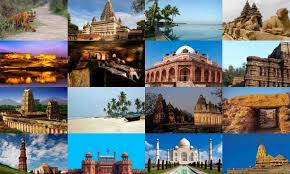
ग्वालियर । भारत में पर्यटन उद्योग को आगे बढ़ाने के लिए कई वर्षों से लगातार प्रयास किए जाते रहे हैं, परंतु इस क्षेत्र में वृद्धि दर कम ही रही है। क्योंकि, भारत में पर्यटन का दायरा केवल ताजमहल, कश्मीर एवं गोवा आदि स्थलों तक ही सीमित रहा है। परंतु, हाल ही के वर्षों में धार्मिक क्षेत्रों यथा, अयोध्या, वाराणसी, मथुरा, उज्जैन, हरिद्वार, उत्तराखंड में चार धाम (केदारधाम, बद्रीधाम, गंगोत्री एवं यमुनोत्री), माता वैष्णोदेवी एवं दक्षिण भारत स्थित विभिन्न मंदिरों सहित, बौद्ध धर्म, जैन धर्म एवं सिक्ख धर्म के कई पूजा स्थलों पर मूलभूत सुविधाओं का विस्तार कर इन्हें आपस में जोड़कर पर्यटन सर्किट विकसित किए गए हैं। इससे भारत में धार्मिक पर्यटन बहुत तेज गति से आगे बढ़ा है। विभिन्न देशों से भी अब पर्यटक इन नए विकसित किए गए धार्मिक स्थलों पर भारी मात्रा में पहुंच रहे हैं। योग एवं आयुर्वेद भी हाल ही के समय में विदेशों में काफी लोकप्रिय हो गया है अतः इसकी खोज के लिए विदेशों से कई पर्यटक भारत में धार्मिक पर्यटन करने के प्रति आकर्षित हो रहे हैं। इससे विदेशी पर्यटन भी देश में तेजी से वृद्धि दर्ज कर रहा है।

हाल ही के समय में भारत के नागरिकों में “स्व” का भाव विकसित होने के चलते देश में धार्मिक पर्यटन बहुत तेज गति से बढ़ा है। अयोध्या धाम में प्रभु श्रीराम के भव्य मंदिर में श्रीराम लला के विग्रहों की प्राण प्रतिष्ठा के पश्चात प्रत्येक दिन औसतन 2 लाख से अधिक श्रद्धालु अयोध्या पहुंच रहे हैं। दिनांक 22 जनवरी 2024 को अयोध्या में सम्पन्न हुए प्रभु श्रीराम मंदिर में प्राण प्रतिष्ठा समारोह के बाद स्थानीय कारोबारी अपना उज्जवल भविष्य देख रहे हैं। अयोध्या धार्मिक पर्यटन का हब बनाने जा रहा है तथा अब अयोध्या दुनिया का सबसे बड़ा तीर्थ क्षेत्र बन जाएगा। जेफरीज के अनुसार अयोध्या में प्रति वर्ष 5 करोड़ से अधिक पर्यटक आ सकते हैं। यह तो केवल अयोध्या की कहानी है इसके साथ ही तिरुपति बालाजी, काशी विश्वनाथ मंदिर, उज्जैन में महाकाल लोक, जम्मू स्थित वैष्णो देवी मंदिर, उत्तराखंड में केदारनाथ, बद्रीनाथ, गंगोत्री एवं यमनोत्री जैसे कई मंदिरों में श्रद्धालुओं की अपार भीड़ उमड़ रही है। भारत में धार्मिक पर्यटन में आई जबरदस्त तेजी के बदौलत रोजगार के लाखों नए अवसर निर्मित हो रहे हैं, जो देश के आर्थिक विकास को गति देने में सहायक हो रहे हैं।

विश्व के कई अन्य देश भी धार्मिक पर्यटन के माध्यम से अपनी अर्थव्यवस्थाएं सफलतापूर्वक मजबूत कर रहे हैं। सऊदी अरब धार्मिक पर्यटन से प्रति वर्ष 22,000 करोड़ अमेरिकी डॉलर अर्जित करता है। सऊदी अरब इस आय को आगे आने वाले समय में 35,000 करोड़ अमेरिकी डॉलर तक ले जाना चाहता है। मक्का में प्रतिवर्ष 2 करोड़ लोग पहुंचते हैं, जबकि मक्का में गैर मुस्लिम के पहुंचने पर पाबंदी है। इसी प्रकार, वेटिकन सिटी में प्रतिवर्ष 90 लाख लोग पहुंचते हैं। इस धार्मिक पर्यटन से अकेले वेटीकन सिटी को प्रतिवर्ष लगभग 32 करोड़ अमेरिकी डॉलर की आय होती है, और अकेले मक्का शहर को 12,000 करोड़ अमेरिकी डॉलर की आमदनी होती है। अयोध्या में तो किसी भी धर्म, मत, पंथ मानने वाले नागरिकों पर किसी भी प्रकार की पाबंदी नहीं होगी। अतः अयोध्या पहुंचने वाले श्रद्धालुओं की संख्या 5 से 10 करोड़ तक प्रतिवर्ष जा सकती है। एक अनुमान के अनुसार, प्रत्येक पर्यटक लगभग 6 लोगों को प्रत्यक्ष अथवा परोक्ष रूप से रोजगार उपलब्ध कराता है। इस संख्या के हिसाब से तो लाखों नए रोजगार के अवसर अयोध्या में उत्पन्न होने जा रहे हैं। अयोध्या के आसपास विकास का एक नया दौर शुरू होने जा रहा है। यह कहना भी अतिशयोक्ति नहीं होगा कि अब अयोध्या के रूप में वेटिकन एवं मक्का का जवाब भारत में खड़ा होने जा रहा है।

धार्मिक पर्यटन को बढ़ावा देने के उद्देश्य से भारत सरकार ने भी धरातल पर बहुत कार्य सम्पन्न किया है। साथ ही, अब इसके अंतर्गत एक रामायण सर्किट रूट को भी विकसित किया जा रहा है। इस रूट पर विशेष रेलगाड़ियां भी चलाए जाने की योजना बनाई गई है। यह विशेष रेलगाड़ी 18 दिनों में 8000 किलो मीटर की यात्रा सम्पन्न करेगी, इस विशेष रेलगाड़ी के इस रेलमार्ग पर 18 स्टॉप होंगे। यह विशेष रेलमार्ग प्रभु श्रीराम से जुड़े ऐतिहासिक नगरों अयोध्या, चित्रकूट एवं छतीसगढ़ को जोड़ेगा। अयोध्या में नवनिर्मित प्रभु श्रीराम मंदिर वैश्विक पटल पर इस रूट को भी रखेगा। इसके पूर्व में केंद्र सरकार ने भी देश के 12 शहरों को “हृदय” योजना के अंतर्गत भारत के विरासत शहरों के तौर पर विकसित करने की घोषणा की है। ये शहर हैं, अमृतसर, द्वारका, गया, कामाख्या, कांचीपुरम, केदारनाथ, मथुरा, पुरी, वाराणसी, वेल्लांकनी, अमरावती एवं अजमेर। हृदय योजना के अंतर्गत इन शहरों का सौंद्रयीकरण किया जा रहा है ताकि इन शहरों की पुरानी विरासत को पुनर्विकसित कर पुनर्जीवित किया जा सके। इस हेतु देश में 15 धार्मिक सर्किट भी विकसित किये जा रहे हैं। “हृदय” योजना को लागू करने के बाद से केंद्र सरकार के पर्यटन मंत्रालय ने कई परियोजनाओं को स्वीकृति प्रदान कर दी है। इनमें से अधिकतर परियोजनाओं पर काम भी प्रारम्भ हो चुका है। इन सभी योजनाओं का चयन सम्बंधित राज्य सरकारों की राय के आधार पर किया गया है।

केंद्र सरकार एवं राज्य सरकारों द्वारा पर्यटन की गति को तेज करने के उद्देश्य से किए जा रहे उक्तवर्णित उपायों के चलते अब भारतीय पर्यटन उद्योग तेज गति से आगे बढ़ता हुआ दिखाई दे रहा है। भारतीय पर्यटन उद्योग ने वर्ष 2024 में 2,247 करोड़ अमेरिकी डॉलर का आकार ले लिया है। वर्ष 2033 तक इसके 3,812 करोड़ अमेरिकी डॉलर के स्तर तक पहुंचने की सम्भावना है। एक अनुमान के अनुसार, वर्ष 2034 तक भारत के सकल घरेलू उत्पाद में पर्यटन उद्योग का योगदान बढ़कर 43.25 लाख करोड़ रुपए का हो जाने वाला है। भारत के हवाईअड्डों पर भारी भीड़ अब आम बात हो गई है एवं हेरिटेज स्थलों पर विदेशी पर्यटकों की भारी भीड़ दिखाई देने लगी है। देश के नागरिक एवं अन्य देशों के पर्यटक भारत में पर्यटन के लिए घरों से बाहर निकलने लगे हैं। भारत में मध्यमवर्गीय परिवारों की संख्या में अतुलनीय वृद्धि दर्ज हुई है एवं आम भारतीयों की डिसपोजेबले आय में भी वृद्धि दर्ज हुई है। अतः भारतीय नागरिक, विदेशी स्थलों पर पर्यटन के लिए जाने के स्थान पर अब भारत में ही विभिन्न स्थलों पर पर्यटन करने लगे हैं। इस बीच देश के विभिन्न पर्यटन स्थलों पर आधारभूत सुविधाओं का विस्तार भी किया गया है। होटल उद्योग ने भारी मात्रा में होटलों का निर्माण कर पर्यटन स्थलों पर उपलब्ध कमरों की संख्या में अभूतपूर्व वृद्धि दर्ज की है। रेल एवं हवाई यात्रा को बहुत सुगम बनाया गया है तथा 4 लेन से लेकर 8 लेन की सड़कों का निर्माण किया गया है, जिससे पर्यटकों के लिए यातायात की सुविधाओं में बहुत सुधार हुआ है। इससे कुल मिलाकर अब भारतीय परिवार अपने घर से बाहर भी घर जैसा वातावरण एवं आराम महसूस करने लगे है। अतः अब भारतीय परिवार वर्ष में कम से कम एक बार तो पर्यटन के लिए अपने घर से बाहर निकलने लगे हैं।

वर्ष 2023 में भारत में अंतरराष्ट्रीय हवाई उड़ानों में 124 प्रतिशत की वृद्धि दर्ज हुई है और 1.92 करोड़ विदेशी पर्यटक भारत आए हैं, जो अपने आप में एक रिकार्ड है। विदेशी पर्यटन से विदेशी मुद्रा की आय 15.6 प्रतिशत की वृद्धि दर्ज करते हुए 1.71 लाख करोड़ रुपए के स्तर को पार कर गई है। गोवा, केरल, राजस्थान, महाराष्ट्र, गुजरात, दिल्ली, पश्चिमी बंगाल एवं पंजाब में देशी पर्यटकों की संख्या में भारी वृद्धि दर्ज हुई है। अब तो उत्तर प्रदेश भी विदेशी पर्यटकों की पहली पसंद बनता जा रहा है। वर्ष 2022 में 31.7 करोड़ भारतीय पर्यटक उत्तर प्रदेश पहुंचे हैं। वर्ष 2023 में तमिलनाडु में 10 लाख से अधिक विदेशी पर्यटक पहुंचे हैं। वर्ष 2025 में प्रयागराज में आयोजित किए गए महाकुम्भ मेले के अवसर पर लगभग 66 करोड़ श्रद्धालु त्रिवेणी के पावन तट पर आस्था की डुबकी लगाने के लिए पहुंचे हैं, जो अपने आप में विश्व रिकार्ड है।

भारत में यात्रा एवं पर्यटन उद्योग 8 करोड़ व्यक्तियों को प्रत्यक्ष एवं परोक्ष रूप से रोजगार प्रदान कर रहा है एवं देश के कुल रोजगार में पर्यटन उद्योग की 12 प्रतिशत की हिस्सेदारी है। भारत में प्राचीन समय से धार्मिक स्थलों की यात्रा, पर्यटन उद्योग में, एक विशेष स्थान रखती है। एक अनुमान के अनुसार, देश के पर्यटन में धार्मिक यात्राओं की हिस्सेदारी 60 से 70 प्रतिशत के बीच रहती है। देश के पर्यटन उद्योग में लगभग 19 प्रतिशत की वृद्धि दर अर्जित की जा रही है जबकि वैश्विक स्तर पर पर्यटन उद्योग केवल 5 प्रतिशत की वृद्धि दर दर्ज कर रहा है। देश में पर्यटन उद्योग में 87 प्रतिशत हिस्सा देशी पर्यटन का है जबकि शेष 13 प्रतिशत हिस्सा विदेशी पर्यटन का है। अतः भारत में रोजगार के नए अवसर निर्मित करने के उद्देश्य से केंद्र एवं उत्तर प्रदेश सरकार धार्मिक स्थलों को विकसित करने हेतु प्रयास कर रही हैं। पर्यटन उद्योग में कई प्रकार की आर्थिक गतिविधियों का समावेश रहता है। यथा, अतिथि सत्कार, परिवहन, यात्रा इंतजाम, होटल आदि। इस क्षेत्र में व्यापारियों, शिल्पकारों, दस्तकारों, संगीतकारों, कलाकारों, होटेल, वेटर, कूली, परिवहन एवं टूर आपरेटर आदि को भी रोजगार के अवसर प्राप्त होते हैं।

केंद्र सरकार के साथ साथ हम नागरिकों का भी कुछ कर्तव्य है कि देश में पर्यटन को बढ़ावा देने के उद्देश्य से हम भी कुछ कार्य करें। जैसे प्रत्येक नागरिक, देश में ही, एक वर्ष में कम से कम दो देशी पर्यटन स्थलों का दौरा अवश्य करे। विदेशों से आ रहे पर्यटकों के आदर सत्कार में कोई कमी न रखें ताकि वे अपने देश में जाकर भारत के सत्कार का गुणगान करे। आज करोड़ों की संख्या में भारतीय, विदेशों में रह रहे हैं। यदि प्रत्येक भारतीय यह प्रण करे की प्रतिवर्ष कम से कम 5 विदेशी पर्यटकों को भारत भ्रमण हेतु प्रेरणा देगा तो एक अनुमान के अनुसार विदेशी पर्यटकों की संख्या को एक वर्ष के अंदर ही दुगना किया जा सकता है।

scroll to top