रणधीर संजीवनी
देहरादून : आजकल हिमालयी क्षेत्रों में पश्चिमी विक्षोभ खूब हुड़दंग मचा रहा है। जाड़ों के मौसम की उठापटक जो पहले से दिसंबर-जनवरी के महीनों में देखी जाती थी इधर के सालों में जाड़ों की वही बारिश, ओलावृष्टि, बर्फ़बारी की हरकतें फ़रवरी के आख़िरी हफ्तों से मार्च के आख़िर यहाँ तक गर्मियों में भी देखने को मिल रही हैं। पहले ऐसा किसी साल अचानक से देखने को मिलता था अब तो यह लेटलतीफी मौसम की एक आदत सी बन गई है। वहीं बर्फ़ पड़ने में आई कमी आमजन की आँखों ने भी पकड़ी है। बर्फ़ खिसकने की दुर्घटनाएं तो जुबाँ पर चढ़ी ही हुई हैं। माणा में तो अवधाव के चलते 8 मजदूरों की जान भी चली गई। पहाड़ों में बर्फ़ अब कम टिकती है, तो खासोआम सभी आए दिन कहते-सुनते हैं। हिमालय और उसके पार खड़े बर्फ़ के बड़े-बड़े पर्वत, पूरा हिन्दूकुश, वो तिब्बत का पठार, जहाँ-जहाँ तक हमें ये बर्फ़ का अकूत भण्डार मिलता है वहाँ के मिज़ाज में गड़बड़ी आ रही है। पृथ्वी के उत्तर और दक्षिण ध्रुव के अलावा, उस पूरे क्षेत्र में बिना किसी शोर-शराबा के भारी बदलाव आ रहे हैं। वहाँ की हवा, पानी, मिट्टी, नदी-नाले, जंगलों की दुनिया सबकुछ बदल रहा है बल्कि साफ कहें तो बिगड़ रहा है, बिगड़ चुका है। ये खतरनाक बदलाव क्या हैं, क्यों हैं और इनके क्या भयावह परिणाम होंगे इन सब पर वैज्ञानिक रिपोर्ट आती रहती हैं। ऐसे ही कुछ रिपोर्टों के आधार पर कुछ बातें आपके सामने इस लेख के जरिए लाया हूँ। यह लेख वाडिया हिमालयी भूविज्ञान संस्थान की हिन्दी भाषा पत्रिका अश्मिका में प्रकाशित हुआ है। लेख पोस्ट में टेक्स्ट और तस्वीरों दोनों तौर पर सबकी आसानी के लिए दिया जा रहा है। पढ़कर अपनी प्रतिक्रिया, राय ज़रूर दीजिएगा। साथ ही हिन्दूकुश-हिमालय के लिए भी सोचने-विचारने के लिए समय निकालएगा।
हिन्दूकुश-हिमालय हुआ अधीर
हिन्दूकुश-हिमालय में बर्फ़ रुकने के समय में कमी भावी जल संकट के संकेत
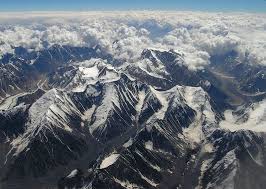
हिन्दूकुश-हिमालय या दूसरे शब्दों में तिब्बत पठार और उससे लगा— पश्चिम में पामीर-हिन्दूकुश तक, पूर्व में हेंग्दुयन पर्वत तक, उत्तर में कुनलुन और चिलियन पर्वतमाला तक, दक्षिण में हिमालय तक का— क्षेत्र लगभग 5,000,000 (पचास लाख) वर्ग किलोमीटर में फैला है। विशाल हिन्दूकुश-हिमालय अंचल को बनाने वाले आठ देश— अफगानिस्तान, चीन, पाकिस्तान, भारत, नेपाल, बांग्लादेश, भूटान और म्यांमार हैं। इसी हिन्दूकुश-हिमालय क्षेत्र को दूसरे शब्दों में “थर्ड पोल/तृतीय ध्रुव” की अभिव्यंजना भी दी गई है। यह इलाका आर्कटिक और अंटार्कटिक के बाहर विश्व का सबसे अधिक हिमनदों (गल, ग्लेशियर) से मंडित अंचल होने के कारण बेशक ‘थर्ड पोल’ कहलाने लायक है। 8,000 मीटर से भी ज्यादा ऊँचाई वाली 14 चोटियों को अपनी गोद में लेकर 4,000मीटर (औसत समुद्र तल से) की औसत तुंगता वाला यह अंचल “रूफ़ ऑफ़ द वर्ल्ड/ दुनिया की छत” (मूल अभिव्यंजना : बाम-ए-दुनया) कहलाए जाने के भी सर्वथा योग्य है। पूर्वी हिमालय का मुख्य जल स्रोत मानसून के द्वारा जून से सितंबर के महीनों में होने वाली वर्षा है जबकि, पश्चिमी हिमालय अपने वर्षण का कम से कम आधा वर्षण जाड़ों के महीने में पश्चिमी विक्षोभों से प्राप्त कर लेता है। पामीर, हिन्दूकुश और कराकोरम पर्वत शृंखला में पश्चिमी विक्षोभ से वर्षण और हिमपात होता है।
हिन्दूकुश-हिमालय के पास कुल 60,054 वर्ग किलोमीटर क्षेत्रफल को घेरने वाले 54,252 हिमनदों-बर्फ़ छत्रकों की भव्य संपदा है। एक अध्ययन के अनुसार यहाँ 6 सौ 70 खरब लीटर (आकलित मान : 6,127 घन किलोमीटर) आयतन और एक अन्य अध्ययन अनुसार यहाँ लगभग 8 हज़ार खरब लीटर (आकलित मान : 7.0±1.8 x 10³ घन किलोमीटर) आयतन का हिम भण्डार है। कुल हिमनद क्षेत्रफल का 60% हिस्सा औसत समुद्र तल से 5,000 से 6,000 मीटर की ऊँचाई पर स्थित है। हिम या बर्फ़ का यह अकूत भंडार नदियों और सरोवरों के रूप में अथाह जलराशि को जन्म देता है।
कई सभ्यताओं को अपनी गोद में पालने वाली 10 नदियों— आमू दरिया, ब्रह्मपुत्र, गंगा, सिन्धु, इरावदी, मेकांग, सालवीन, तारिम, यांग्त्सीक्यांग (यांग्त्से) और येल्लो¬ (ह्वांगहो)— के उद्गम स्थलों वाला यह प्रांत “वॉटर टावर ऑफ़ एशिया (एशिया की जलटंकी मीनार)” भी कहलाता है। सम्मिलित रूप से, ये 10 नदी द्रोणियाँ तकरीबन 90 लाख वर्ग किलोमीटर क्षेत्र को अपनी गोद में ले लेती हैं। वर्ष 2018 में प्रकाशित हुई चाइना वाटर रिस्क रिपोर्ट के अनुसार हर 2.5 एशियाई व्यक्तियों में से एक इन नदियों के पास रहता है। इन 10 नदी द्रोणियों में 4 ट्रिलियन अमेरिकी डॉलर यानी 4लाख करोड़ भारतीय रुपए से ऊपर का सकल घरेलू उत्पाद होता है। यह सदानीरा नदियाँ केवल हिन्दूकुश-हिमालय में रहने वाले लगभग 24 करोड़ लोगों को पानी नहीं देती बल्कि, इनकी दानशीलता का दायरा बहुत बड़ा है। ये इन पर्वत प्राचीरों को पार करके अन्य 8 देशों के जीवन को भी पोषण देने जाती हैं।
हिन्दूकुश-हिमालय के आठ देशों के अलावा यह नदियाँ अपने-अपने सागर में खाली होने, या जैसे, तारिम नदी के मामले में, मरुस्थल में विलीन हो जाने से पहले क्वरग्यिस्तान,तुर्कमेनिस्तान, उज़्बेकिस्तान, तज़ाकिस्तान, लाओस, थाईलैंड, कम्बोडिया और वियतनाम से भी बहती हैं। इस तरह देखा जाए तो हिंदुकुश-हिमालय की पर्वत शृंखलाओं से निकलने वाली इन जीवनदायिनी नदियों के ऊपर लगभग 200 करोड़ लोग आश्रित हैं। दूसरे शब्दों में, ये नदियाँ इस पृथ्वी ग्रह के पाँच लोगों में से कम से कम एक व्यक्ति को पानी मुहैया कराती हैं। 200 करोड़ के आँकड़े को छूने को तैयार यह जनसंख्या इन नदियों से भोजन (सिंचाई), जल विद्युत, समृद्ध पारिस्थितिक तंत्र, तटवर्ती आवास, पर्यावरणीय प्रवाह और समृद्ध व वैविध्यपूर्ण सांस्कृतिक मूल्यों का उपहार लेती है।
यह भी बहुत ध्यान देने वाली बात है कि इन 10 नदियों में से 8 नदियाँ सीमापारिक यानी एक से अधिक देशों की सीमाओं को छूती हैं। एक देश का कृषि, ऊर्जा, आर्थिक/मूलभूत ढाँचे के विकास, जल संसाधन प्रबंधन या किसी भी क्षेत्र में इन नदियों पर लिया गया निर्णय दूसरों को भी प्रभावित करेगा।
हिमनद और नदियों द्वारा पोषित छोटी-बड़ी कई झीलें यहाँ के पारितंत्र की सबसे बड़ी ख़ासियत हैं। हिन्दूकुश-हिमालय 47,000 वर्ग किलोमीटर क्षेत्र में फैले हुए 1 वर्ग किलोमीटर से ज्यादा के क्षेत्रफल वाले लगभग 1,200 सरोवरों की भव्य सम्पदा का मालिक है। अकेले तिब्बतीय पठार में सरोवरों का वितरण व्यापक और सघन है जोकि वैश्विक सरोवर क्षेत्रफल का लगभग 1.9% है। इस क्षेत्र के इसी वैविध्य और नाज़ुक पर्यावरण को ध्यान में रखते हुए जलवायु परिवर्तन से संबंधित अंतरसरकारी समिति, इंटरगवर्नमेंटल पैनल ऑन क्लाइमेट चेंज (आइ पी सी सी) ने साल 2007 में इस क्षेत्र को ‘क्लाइमेट चेंज हॉटस्पॉट’ या ‘जलवायु परिवर्तन का अतिक्षेत्र’ चिह्नित कर दिया है।
बीती शताब्दी के दौरान, हिन्दूकुश-हिमालय क्षेत्र 0.74 डिग्री सेल्सियस के वैश्विक औसत को पार करने वाली भारी गर्मी से गुज़रा है। 5,700 मीटर की ऊँचाई से नीचे स्थित हिमनद जलवायु परिवर्तन के लिए विशेष रूप से संवेदनशील होते हैं। साफ बर्फ़ वाले, कम ऊँचाई पर स्थित और छोटे आकार के ग्लेशियर जलवायु परिवर्तन के लिए सबसे ज्यादा संवेदनशील होते हैं। कुल मिलाकर, बीते कुछ दशकों के हिमनद विश्लेषण से पता चलता है कि हिन्दूकुश-हिमालय क्षेत्र में कराकोरम अंचल को छोड़कर लगभग बाकी सब भागों में ग्लेशियर पिछले चार दशकों के दौरान खिसक या सिकुड़ गए हैं।
विशाल हिन्दूकुश-हिमालय अंचल को बनाने वाले सभी आठ देशों में पानी का इस्तेमाल सबसे ज्यादा कृषि (इस क्षेत्र और इस क्षेत्र से बाहर के भौगोलिक इलाकों को मिलाकर) में होता है। यह प्रतिशत अफगानिस्तान में 90% और औद्योगिक कृत चीन में 65% है। भारत, बांग्लादेश, पाकिस्तान और चीन मिलकर विश्व के कुल भूगर्भ-जल के 50% के बराबर भूगर्भ-जल निकाल लेते हैं। भूमिगत जल का प्रत्याहरण ज्यादातर उन्हीं नदी द्रोणियों के मैदान में होता है जो, हिन्दूकुश-हिमालय से निकलती हैं। भूजल का इस्तेमाल मुख्यतः सिंचाई और शहरी जल व्यवस्था के दूसरे कार्य क्षेत्रों में होता है। हिन्दूकुश-हिमालय में, विशेषत: मध्य ऊँचाई के पर्वतीय भागों में भूगर्भीय जल का पानी के चश्मों के जरिए नदियों के आधार प्रवाह में महत्वपूर्ण योगदान है। यह अंश किस हद तक मिलता है यह स्पष्ट मालूम नहीं है। लेकिन, यह स्पष्ट है कि पश्चिमी मैदानों में भूगर्भ-जल का अति दोहन हुआ है, जबकि, पूर्वी मैदानों में यह ज्यादातर अप्रयुक्त है।
फूड एंड एग्रीकल्चर ऑर्गेनाइजेशन ऑफ़ द यूनाइटेड नेशंस के अनुसार, सभी आठ देशों में कुल नवीकरणीय जल प्राप्यता लगभग 7 हज़ार 5 खरब लीटर (आकलित मान : 7745.5 घन किलोमीटर) है। कुल जल संसाधनों का 20.62% यानी लगभग 2 हज़ार 8 खरब लीटर (आकलित मान : 1597.8 घन किलोमीटर) विभिन्न उद्देश्यों के लिए सालाना इस्तेमाल होता है। वर्ष 2050 तक पानी की माँग 30 से 40 प्रतिशत बढ़ जाएगी। एक आकलन के अनुसार एशिया-प्रशांत में 340 करोड़ लोग ऐसे इलाकों में रह रहे होंगे जहाँ पानी की अत्यधिक कमी होगी। पहले से ही दुनिया के सबसे ज्यादा जनसंख्या वाले दो देश, भारत और चीन पानी की कमी झेल रहे हैं। दशकों से चले तीव्र विकास के दुष्प्रभाव से हुए उग्र प्रदूषण ने पानी की किल्लत को बहुत बढ़ा दिया है।
हिम या बर्फ़ की उपस्थिति किसी भी क्षेत्र की जलवायु के लिए निर्णायक भूमिका निभाती है। जल संतुलन और चरम जल प्रवाह को प्रभावित करती है। हिन्दूकुश-हिमालय क्षेत्र हिममंडल पर बहुत अधिक निर्भर करता है। हिममंडल यानी ज़मीन की सतह पर हिमीभूत पानी या जम चुका पानी जिसमें बर्फ़, स्थायी तुषार (पर्माफ्रॉ़स्ट), हिमनदों, झीलों और नदियों की बर्फ़ को शामिल किया जाता है। हिमीभूत/जम चुका पानी ही इस क्षेत्र के लगभग 24 करोड लोगों के लिए मीठे पानी का नाजु़क स्रोत है। इसके साथ ही यह जमा हुआ पानी, यहाँ से निकलने वाली जलधाराओं के निचले क्षेत्रों में रहने वाली तकरीबन 200 करोड़ का आँकड़ा छूने को तैयार जनसंख्या के लिए व्यापक लाभ देने वाला है। यहाँ चलने वाली लगातार निगरानी से स्पष्ट है कि इस क्षेत्र में धारा अपवाह के समयचक्र और प्रबलता में महत्वपूर्ण बदलाव हुए हैं। जल प्राप्यता को सुनिश्चित करने में हिम/तुहिन, विशेषत: गलन के मौसम की शुरुआत के दौरान, महत्वपूर्ण भूमिका निभाती है।
क्षेत्र के पूरे धारा अपवाह या धारा प्रवाह में ग्लेशियर का पानी और हिमजल महत्वपूर्ण घटक हैं। इनका योगदान पश्चिमी ओर की नदियों, जैसे सिन्धु नदी, में बहुत अधिक रहता है। पूर्व दिशा की नदियों जैसे, गंगा नदी, में इस पानी की हिस्सेदारी बहुत कम दिखाई पड़ती है। वैसे, हिमनद और बर्फ़ के गलने से मिलने वाले पानी का धारा प्रवाह में हिस्सा हर द्रोणी में अलग-अलग है। साथ ही, इस पानी का धारा अपवाह में सापेक्ष योगदान ऊँचाई और हिमनद व हिम भंडार से नज़दीकी होने पर बढ़ता है। साल 2010 में हुए एक अध्ययन के अनुसार, सिन्धु नदी द्रोणी में सालाना सतही अपवाह में 46% हिमजल और 32% ग्लेशियर जल का हिस्सा है। गंगा नदी द्रोणी में यह क्रमशः 6% और 3% है। इसी तरह वर्ष 2013 में आया एक दूसरा अध्ययन बतलाता है कि मेकांग, सालवीन, ब्रह्मपुत्र, यांग्त्सीक्यांग (यांग्त्से) और ह्वांगहो (येल्लो) नदियाँ प्रमुखत: वर्षा अपवाह में निर्भर हैं जबकि सिन्धु नदी अपने जल का 80% हिमनद और हिमजल से प्राप्त करती है। सिन्धु नदी की ऊपरी द्रोणी में नदी उत्स्राव शीत और वासन्तिक मौसम के तापमान में बहुत निर्भर करता है। एक अन्य अध्ययन, सिन्धु नदी के ऊपर द्रोणियों के अत्यधिक हिमनदित जलागमों में धारा प्रवाह के घटने की बात उजागर करता है।
चाइना वाटर रिस्क रिपोर्ट, 2018 के अनुसार, हिम जल का तारिम नदी में 42%, ब्रह्मपुत्र नदी में 25% से 30%, येल्लो नदी में 23%, यांग्त्सीक्यांग (यांग्त्से) नदी में 29%, मेकांग नदी में 22% से 33%, सालवीन नदी में 25% से 36%, गंगा नदी में 20% और सिन्धु नदी में 62% से 79% है।
इतने महत्वपूर्ण और संवेदनशील इलाके के प्रति विज्ञानी हमेशा सजग और चिंतित रहते हैं। इसके विभिन्न प्राकृतिक घटकों और उनमें होने वाले प्रक्रमों पर लगातार निगरानी बनाए हुए अध्ययन करते रहते हैं। इंटरनेशनल सेंटर फॉर इंटीग्रेटेड माउंटेन डेवलपमेंट (आइ सी आइ एम ओ डी या आइ सी आइ मोड, जैसा इसे बोला जाता है) एक अंतरसरकारी ज्ञान और शिक्षण केंद्र है जिसका मुख्यालय काठमांडू, नेपाल में स्थित है। हिन्दूकुश-हिमालय क्षेत्र को समर्पित यह संस्था इस क्षेत्र में पड़ रहे जलवायु परिवर्तन के प्रभाव पर पैनी नज़र रखते हुए व्यावहारिक एवं क्रियाशील/अनुप्रयोगात्मक शोधों को समय-समय पर सामने लाती रहती है। वर्ष 2023 की आइ सी आइ मोड रिपोर्ट के अनुसार हिमनद के गलने से निकला पानी मुख्यतः धारा अपवाह में अपना योगदान देता है। इस इलाके की नदी द्रोणियों में जलधाराओं के लिए हिमजल पानी का सबसे बड़ा स्रोत है। कुल मिलाकर यह क्षेत्र की 12 मुख्य नदी द्रोणियों के वाह उत्स्राव में बहने वाले जल में सालाना 23% की हिस्सेदारी देता है। यह योगदान सबसे कम 5.1% इरावदी नदी में है जबकि सबसे ज्यादा 77.5% हेलमंद नदी में है।
हाय-वाइस रिपोर्ट (2023) ने चेतावनी की थी कि हिमनदों से नदियों में आने वाला पानी वर्ष 2050 तक बढ़ता रहेगा और फिर वर्ष 2100 से घटेगा। ग्लेशियर लगातार गलते और सिकुड़ते जाते हैं। परिणामस्वरूप, उनसे निकलने वाला पानी भी धीरे-धीरे घटने लगता है। जब बढ़ता हुआ हिमनद उत्स्राव लगातार घटने लगता है तो उस बिंदु या स्थिति को “पीक वाटर (चरम जल) कहा जाता है। दुनिया के कई हिमनदीय इलाकों में यह ‘पिक वाटर’ गुज़र चुका है और वहाँ रहने वाले समाज घट चुके हिमनद गलन के कारण कम पानी मिलने की मार झेल रहे हैं। हिन्दूकुश-हिमालय इस स्थिति में अभी नहीं आया है, परंतु जल्द ही पहुँच जाएगा।
वर्ष 1971 से वर्ष 2000 के बीच हुए हिमपात के औसत की तुलना करके भविष्य के लिए किए गए प्रक्षेपण से वर्ष 2070 से वर्ष 2100 के बीच सिन्धु द्रोणी में 30% से 50%, गंगा द्रोणी में 50% से 60% और ब्रह्मपुत्र द्रोणी में 50% से 70% कम हिमपात का पूर्वानुमान भी इस रिपोर्ट में किया गया है। बर्फ़ से मिलने वाला पानी तो साल 1979 से साल 2019 के बीच पहले ही गिर चुका है। इसका भविष्य में और कम होते रहना सुनिश्चित ही है। इसके चलते सिन्धु, गंगा और ब्रह्मपुत्र द्रोणियों के लगभग 13 करोड़ किसानों की जीविका पर जोखिम आ गया है।
यह रिपोर्ट 5 दिन प्रति दशक की दर से हिमाच्छादित अवधि यानी बर्फ़ से ढके रहने के दिनों में कमी और बर्फ़ का पिघलना जल्दी शुरू हो जाना भी दर्ज करती है। बर्फ़ के जल्दी पिघलना शुरू हो जाने से उन लोगों पर बुरा असर पड़ रहा है जिनकी खेती हिमजल के सही समय पर आना शुरू हो जाने पर निर्भर करती है।
अनुसन्धान करने वाले बर्फ़ से सम्बन्धित विभिन्न पैरामीटर जैसे हिमाच्छादित क्षेत्रफल (स्नो कवर एरिया), हिम कालावधि (स्नो ड्यूरेशन), हिम दीर्घस्थायित्व,/स्थैर्य (स्नो पर्सिस्टेन्स), हिमरेखा (स्नो लाइन), हिम-जल तुल्यमान (स्नो वाटर इक्विव्एलेन्ट्), हिमजल या हिम-गलन (स्नो मेल्ट) का आंकलन करते हैं। इन पैरामीटर से क्षेत्र में जलवायु परिवर्तन के प्रभाव को समझा जा सकता है। हाल में ही, आइ सी आइ मोड ने हिन्दूकुश-हिमालय के हिम दीर्घस्थायित्व या हिम स्थैर्य (स्नो पर्सिस्टेन्स) के गिरावट पर रिपोर्ट (2024) दी है।
जितने समय तक हिम या बर्फ़ गलने से पहले ज़मीन पर इकट्ठा रहती है उस अवधि को हिम दीर्घस्थायित्व या हिम स्थैर्य (स्नो पर्सिस्टेन्स) कहते हैं। बर्फ़ पिघलने पर पूरे पारिस्थितिक तंत्र को पानी देती है। हिन्दूकुश-हिमालय क्षेत्र में किया गया ऋतूनिष्ठ हिम आंकलन/मौसमी बर्फ़ जाँच पिछले 22 सालों के हिम स्थैर्य/दीर्घस्थायित्व अनियमितता पर महत्वपूर्ण समझ बनाता है।
पिछले 22 सालों में 13 सालों में बर्फ़ सामान्य मौसमों की तुलना से कम ठहरी है। नवंबर, 2023 से अप्रैल, 2024 के मौसम में बर्फ़ ठहरने के कुल समय की तुलना वर्ष 2003 से 2023तक के सभी वर्षों के इसी मौसम के ऐतिहासिक रिकॉर्ड से की गई। विश्लेषणों से पता चला कि बर्फ़ का स्तर इस साल के दौरान सामान्य सालों से पाँच भाग नीचे रहा है। क्षेत्र के पश्चिमी भागों में यह गिरावट बहुत अधिक दिखाई पड़ती है। औसत से नीचे हिम दीर्घस्थायित्व असंगति से इस साल की शुरुआती गर्मियों में पानी की उपलब्धता पर भी संकट है।
इस कमतर हुए स्थायित्व का मुख्य कारण कमजोर पश्चिमी विक्षोभ का होना है। पश्चिमी विक्षोभ वही पछुवा पवन है जो दूर भूमध्य सागर, कैस्पियन सागर और काला सागर में कम दबाव का क्षेत्र बनने से उठती हैं। यही पछुवा पवन हिन्दूकुश-हिमालय क्षेत्र में वर्षा और हिमपात करवाती हैं। पछुवा पवन अपने जन्म स्थान पर लगातार समुद्र सतह के उच्च तापमान के कारण कमजोर और देर से शुरू हो रही हैं। बदलती हुई जलवायु और वैश्विक ऊष्मन (ग्लोबल वार्मिंग) के चलते पश्चिमी विक्षोभ के पैटर्न पर असर पड़ा है। इसके चलते उष्णकटिबंधीय प्रशांत महासागर में ला-नीना व एल-नीनो परिस्थितियाँ लम्बी और तीव्र हो गई हैं। इनका असर भी पश्चिमी विक्षोभ की गतिविधि पर पड़ा है। इसके चलते हिन्दूकुश-हिमालय के अंचल में शीतकालीन बारिश और हिमपात घट रहे हैं। इससे पूर्व हिम दीर्घस्थायित्व वर्ष 2018 में सामान्य से निचले स्तर का रहा था। इस वर्ष का निचला स्तर वर्ष 2018 के स्तर से भी नीचे है।
सभी नदी द्रोणियों के इस साल के स्नो पर्सिस्टेन्स पर अलग-अलग नजर डालें तो मध्य एशिया की सबसे लम्बी नदी आमू दरिया की द्रोणी अब तक के सबसे निचले हिम दीर्घस्थायित्व का सामना कर रही है। सामान्य से 28.2% नीचे जाकर यह स्थैर्य वर्ष 2018 के 17.7% का रिकॉर्ड तोड़ रहा है। इस नदी द्रोणी ने साल 2008 में सामान्य से 32.5% अधिक हिम स्थैर्य का अनुभव भी लिया था।
सभी नदी द्रोणियों में सबसे ज्यादा दीर्घस्थायित्व में गिरावट हिन्दूकुश-हिमालय से निकलकर दक्षिण-पश्चिमी अफगानिस्तान और पूर्वी ईरान को बहने वाली हेलमंद नदी द्रोणी में पाई गई है। इस बार, यह सामान्य वर्ष से 31.8% कम होकर दूसरी बार एक निम्नतर स्तर पर पहुँच गई है। इस नदी द्रोणी में अब तक का निम्नतम हिम स्थैर्य मान औसत से 41.9% नीचे साल 2018 में था। यद्यपि इस नदी द्रोणी के संदर्भ में बड़ा रोचक तथ्य यह है कि वर्ष 2020 में इस द्रोणी में पिछले 22 सालों में उच्चतम हिम दीर्घस्थायित्व रहा था, जो औसत से 44% ऊपर था।
म्यांमार देश की प्रमुख नदी इरावदी के बेसिन में ज़मीन पर बर्फ़ ठहरने का समय पिछले 22 वर्षों में डांवाडोल रहा है। वर्ष 2017 में यह समय औसत से 12.5% नीचे रहकर पिछले 22 वर्षों में निम्नतम स्तर में रहा था। साल 2023 में यह औसत से 19.1% ज्यादा दर्ज किया गया था। वर्तमान वर्ष की रिपोर्ट के अनुसार स्नो पर्सिस्टेन्स/हिम स्थैर्य स्थानिक विषमता को दर्शाते हुए औसत से मात्र 4% कम रहा है।
इसी तरह मेकांग, तारिम, यांग्त्सीक्यांग नदी द्रोणियों में और तिब्बती पठार में हिम दीर्घस्थायित्व औसत से क्रमशः 1.1%, 27.8%, 13.02% और 14.8% नीचे दर्ज किया गया है।
भारत के संदर्भ में इस हिम दीर्घस्थायित्व में आई गिरावट की चर्चा करने से पहले एक रोचक तथ्य को जानते हैं कि सालवीन और येल्लो नदी द्रोणियों में इस साल पर्सिस्टेन्स औसत से क्रमश: 2.4% और 20.2% ऊपर रहा है। येल्लो (ह्वांगहो) नदी द्रोणी में बर्फ़ इस मामले में बहुत अधिक चंचलता दिखा रही है। 2008 के साल में इस द्रोणी में बर्फ़ जमे रहने का समय औसत मान से 74.5% से ऊपर रहा था। पिछले 22 सालों में यह वर्ष 2015 में सबसे निचले स्तर पर पहुँचा जोकि औसत से 42.2% कम था। हिम दीर्घस्थायित्व में इस वर्ष आए उछाल का सम्भावित कारण वहाँ का ख़ास वायु परिवहन तंत्र हो सकता है। येल्लो नदी द्रोणी में पूर्वी एशियाई शीतकालीन मानसून के साथ साइबेरिया और मंगोलिया से ठंडी हवा आती हैं। इनके अलावा दूसरे क्षेत्रों खासकर प्रशान्त महासागर से आर्द्र हवा पहुँचती हैं। इनके बीच हुई अंतरक्रिया से द्रोणी के ऊपरी भागों के अधिक ऊँचाइयों वाले इलाकों में बर्फ़बारी हो जाने के कारण हिम स्थैर्य औसत से ज्यादा बढ़ सकता है।
भारत के संदर्भ में इस बदलाव की बात कहें तो, सीधे तौर पर जुड़ी तीन नदी द्रोणियाँ ब्रह्मपुत्र, गंगा और सिन्धु औसत से क्रमशः 14.6%, 17% और 23.3% कम हिम दीर्घस्थायित्व की मार झेल रही हैं। पिछले 22 वर्षों के दौरान गंगा द्रोणी में वर्ष 2015, ब्रह्मपुत्र द्रोणी में वर्ष 2019 और सिन्धु द्रोणी में वर्ष 2020 में स्थैर्य का सामान्य से क्रमशः 25.6%, 27.1% और 15.5% ऊँचा मान रहा था। इन तीनों नदियों को बर्फ़ और हिमनद के पिघलने से मिलने वाली जल मात्रा इस बात की गवाही देती है कि हिम दीर्घस्थायित्व इन तीनों नदी द्रोणियों के लिए कितना महत्वपूर्ण है? बर्फ़ के गलने से गंगा 10.3% और हिमनदों के गलने से 3.1% पानी प्राप्त करती है। ब्रह्मपुत्र और सिन्धु नदी द्रोणियों में भी क्रमशः 13.2% और लगभग 40% पानी बर्फ़ के गलने से आता है। वहीं, क्रमशः 1.8% और 5% पानी हिमनदों से इन दोनों नदियों को मिलता है। इन परिस्थितियों को देखते हुए यह स्पष्ट कहा जा सकता है कि इन नदियों पर आश्रित आबादी को पानी की भारी किल्लत का सामना इस वर्ष में करना पड़ेगा। यह कमी और भारी बन जाएगी अगर गर्मी के शुरूआती मौसम की बारिश में देरी या कमी हुई।
यह परिघटना एक चेतावनी है इस नाज़ुक क्षेत्र के बाशिन्दों, नदियों के निचले छोरों के किनारों में रहने वाले समाजों, नीति निर्माताओं और शोधकर्ताओं के लिए। सम्बद्ध एजेंसियों,विभागों और मंत्रालयों को कमर कसकर आने वाले खतरों के लिए पहले से ही उपाय और राहत कार्यवाही को तैयार करना पड़ेगा :
हिन्दूकुश-हिमालय के निवासियों, इसकी तलहटी और इससे निकली नदियों के मैदानों, घाटियों, तटों के निवासियों को इस खामोश लेकिन खतरनाक बदलाव के बारे में समझाकर जल संसाधन प्रबंधन पर स्थानीय, क्षेत्रीय और राष्ट्रीय स्तर पर साझा कार्य,
वर्षा जल का समुचित प्रबंधन,
सिंचाई और अन्य उपयोगों में वैज्ञानिक तरीकों का समावेश,
ज़मीन में बर्फ को ज्यादा समय तक बाँधे रखने के लिए मूल प्राकृतिक तौर पर पाए जाने वाले पेड़ों का पौधारोपण
जैसे उपाय घट चुके हिम दीर्घस्थायित्व के प्रभाव को तुरन्त कम करने के लिए स्थानीय और क्षेत्रीय स्तर पर किए जाने चाहिए।
दीर्घकालिक उपायों में
जलवायु परिवर्तन और वैश्विक ऊष्मन के कुप्रभावों को कम करने के लिए अंतरराष्ट्रीय स्तर पर सीमापारीक नदियों को साझा करने वाले देशों के बीच जल प्रबंधन नीतियों को सुधारने,
अँधाधुन उत्सर्जन को वैश्विक स्तर पर कम करने,
जीवाश्म ऊर्जा-ईधन के खपत और उत्पादन को वैश्विक स्तर में कम करने, खासतौर पर जी-20 के देशों में जिनका उत्सर्जन में 80% का योगदान है,
पेरिस समझौते के तहत निर्धारित तापमान बढ़त की 1.5 डिग्री सेल्सियस सीमा पर पुनर्विचार
जैसे सशक्त और अपरिहार्य कदमों को त्वरित उठाने की आवश्यकता है।
हिन्दूकुश-हिमालय का अमूल्य भण्डार पृथ्वी के लिए है। इसको सुरक्षित रखना हम सबका कर्तव्य है।
(साभार)