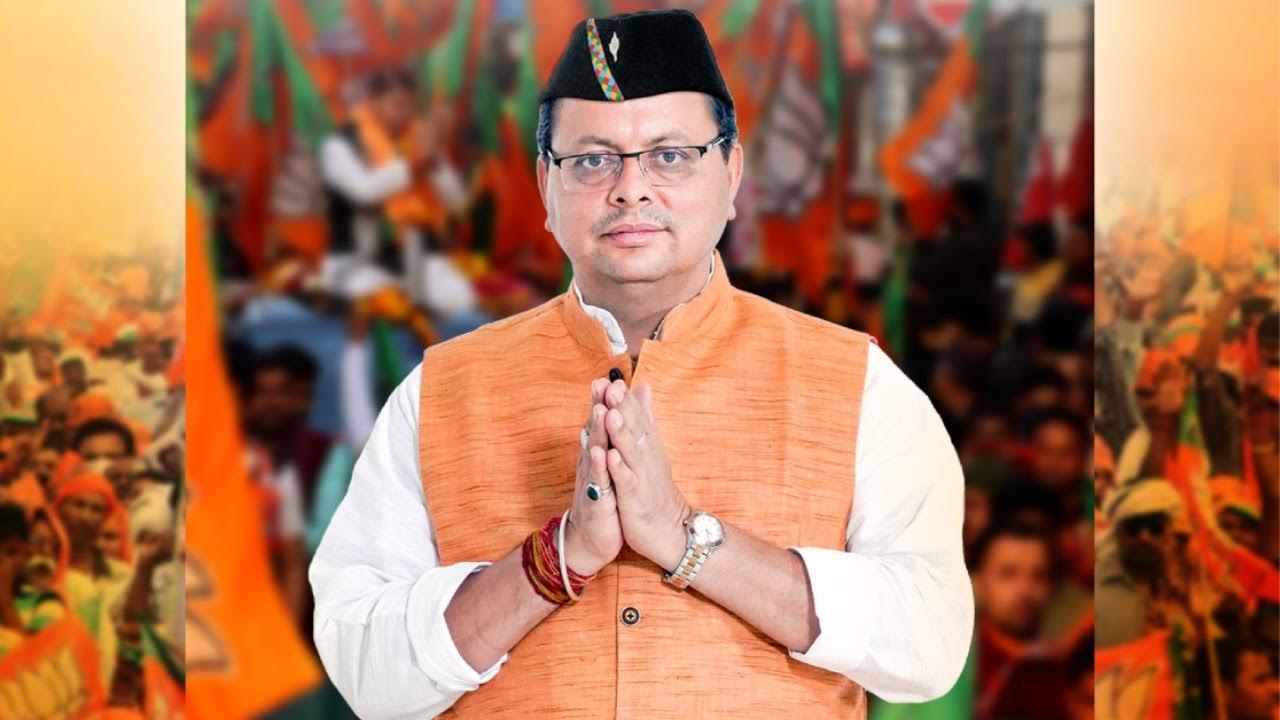
अधिकारी केन्द्र के साथ समन्वय बनाकर योजनाओं का करें समयबद्ध क्रियान्वयन : मुख्यमंत्री श्री भजनलाल शर्मा

3-1-11.jpeg

जयपुर। मुख्यमंत्री श्री भजनलाल शर्मा ने कहा कि राज्य सरकार विकसित राजस्थान के संकल्प को साकार करने के लिए प्रतिबद्धता के साथ कार्य कर रही है। इसमें ऊर्जा एवं नगरीय विकास विभाग की अहम भूमिका है। मुख्यमंत्री ने कहा कि प्रदेश में बिजली तंत्र तथा शहरी बुनियादी ढांचे को सुदृढ़ करने के लिए केन्द्र सरकार से राज्य सरकार को भरपूर सहयोग प्राप्त हो रहा है। हमारी डबल इंजन की सरकार जनकल्याणकारी योजनाओं को सफलतापूर्वक धरातल पर उतार रही है, जिससे प्रदेश की 8 करोड़ जनता को लाभ मिल रहा हैं।

मुख्यमंत्री ने मंगलवार को मुख्यमंत्री आवास पर केन्द्रीय आवास, शहरी कार्य एवं विद्युत मंत्री श्री मनोहर लाल के साथ ऊर्जा एवं नगरीय विकास विभाग की राज्य स्तरीय समीक्षा बैठक ली। उन्होंने अधिकारियों को निर्देश दिए कि केन्द्र और राज्य सरकार की संयुक्त परियोजनाओं को केन्द्र के साथ समन्वय बनाते हुए समयबद्ध रूप से पूरा करें। श्री शर्मा ने ऊर्जा विभाग की समीक्षा के दौरान कहा कि हम राज्य के किसानों को वर्ष 2027 तक दिन में बिजली देने के लक्ष्य के साथ कार्य कर रहे है। इस लक्ष्य को हासिल करने में पीएम कुसुम योजना की महत्वपूर्ण भूमिका है। उन्होंने कहा कि इस योजना के तहत राज्य में कम समय में ही लगभग 800 मेगावाट के विकेन्द्रीकृत सौर ऊर्जा संयंत्र स्थापित हुए हैं। श्री शर्मा ने अधिकारियों को निर्देश दिए कि उपभोक्ताओं को पर्याप्त विद्युत आपूर्ति के लिए उत्पादन इकाइयों एवं प्रसारण तंत्रों का उचित रख-रखाव सुनिश्चित किया जाए।

*रबी सीजन के दौरान किसानों को हुई निर्बाध बिजली आपूर्ति*

मुख्यमंत्री ने कहा कि प्रदेश में बिजली तंत्र को सुदृढ़ करने के लिए केन्द्र सरकार द्वारा निरंतर सहयोग प्राप्त हो रहा है। पिछली राज्य सरकार की नीतियों की वजह से हमारी थर्मल इकाइयां कोयला आपूर्ति के संकट से जूझ रही थीं लेकिन केन्द्र सरकार के सहयोग से अब हमारे थर्मल बिजलीघरों के पास पर्याप्त मात्रा में कोयला उपलब्ध है। उन्होंने कहा कि रबी सीजन के दौरान राज्य सरकार ने प्रदेश के किसानों को निर्बाध बिजली आपूर्ति की है। साथ ही, फरवरी से अब तक की पीक डिमांड 19 हजार 165 मेगावाट को भी पूरा किया गया है। उन्होंने केंद्रीय विद्युत उत्पादन संयंत्रों के कॉमन पूल से प्रदेश को आवंटित अस्थायी विद्युत कोटे के रूप में पूरा सहयोग देने के लिए केन्द्र सरकार को धन्यवाद दिया। श्री शर्मा ने केन्द्रीय मंत्री से प्रदेश की पीक ऑवर्स में बिजली की मांग के अनुरूप बिजली के आवंटन में बढ़ोतरी का आग्रह किया। जिस पर केन्द्रीय मंत्री द्वारा सकारात्मक आश्वासन दिया गया।

*मुख्यमंत्री के नेतृत्व में राजस्थान छू रहा विकास की नई ऊंचाइयां*

केन्द्रीय मंत्री ने कहा कि मुख्यमंत्री श्री भजनलाल शर्मा के नेतृत्व में राजस्थान विकास की नई ऊंचाइयों को छू रहा है। उन्होंने कहा कि ऊर्जा के क्षेत्र में खासतौर से अक्षय ऊर्जा के क्षेत्र में राज्य में बेहतरीन कार्य किया जा रहा है। पीएम कुसुम योजना तथा पीएम सूर्य घर मुफ्त बिजली योजना में राज्य सरकार ने उल्लेखनीय प्रगति की है। केन्द्रीय मंत्री ने वित्तीय वर्ष 2024-25 में राजस्थान विद्युत प्रसारण निगम द्वारा दिसम्बर माह तक 355 करोड़ रूपये से अधिक का लाभ अर्जित करने पर प्रसन्नता व्यक्त की। उन्होंने कहा कि पीक ऑवर्स में उपभोक्ताओं को निर्बाध विद्युत आपूर्ति सुनिश्चित करने के लिए राज्य में पंप स्टोरेज एवं बैटरी स्टोरेज की क्षमता को तेजी से विकसित किया जाए।

*पीएम सूर्य घर योजना से जुड़ें अधिक से अधिक उपभोक्ता*

श्री मनोहर लाल ने कहा कि पीएम सूर्य घर मुफ्त बिजली योजना में राजस्थान देश के अग्रणी राज्यों में है। उन्होंने कहा कि इस योजना से प्रदूषण मुक्त एवं सस्ती ऊर्जा उपलब्ध हो रही है। बैठक में केन्द्रीय मंत्री को जानकारी दी गई कि राज्य बजट 2025-26 में मुख्यमंत्री निःशुल्क बिजली योजना के लाभान्वित परिवारों को पीएम सूर्य घर मुफ्त बिजली योजना से जोड़ते हुए 150 यूनिट बिजली निःशुल्क उपलब्ध कराने की घोषणा की गई है। केन्द्रीय विद्युत मंत्री ने अधिकारियों को निर्देश दिए कि योजना के तहत कार्यों में गति लाते हुए अधिक से अधिक परिवारों को जोड़ा जाएं। उन्होंने कहा कि राज्य के सरकारी विभागों सहित उपभोक्ताओं के आवास पर स्मार्ट प्री-पेड मीटर्स लगाने को प्राथमिकता दी जाए। इसमें केन्द्र सरकार द्वारा अंशदान भी दिया जाएगा।

*मुख्यमंत्री सद्भावना केन्द्र एक अच्छी पहल*

नगरीय विकास विभाग की समीक्षा के दौरान केन्द्रीय मंत्री ने कहा कि प्रत्येक नगर निकाय में सीवरेज अनिवार्य रूप से हो तथा आवश्यकतानुसार पुराने और जर्जर सीवरेज को बदलने तथा एलाइनमेंट ठीक करने के कार्य भी किए जाएं। उन्होंने राज्य सरकार द्वारा जरूरतमंद लोगों की मदद तथा अनुपयोगी वस्तुओं के पुनः उपयोग के लिए शुरू किये गए मुख्यमंत्री सद्भावना केन्द्र को अच्छी पहल बताते हुए इसकी सराहना की।

बैठक में पीएम ई-बस सेवा योजना की समीक्षा के दौरान बताया गया कि इस योजना के तहत राजस्थान को 675 बसों का प्रारम्भिक आवंटन हुआ था। राज्य सरकार के अनुरोध पर अब इसके लिए केन्द्र द्वारा अतिरिक्त 125 बसें भी दी जाएगी जिससे शहरी क्षेत्र में सार्वजनिक सेवा को मजबूती मिलेगी। इस दौरान जयपुर मेट्रो परियोजना, अमृत 2.0, प्रधानमंत्री आवास योजना (शहरी), स्वच्छ भारत मिशन (शहरी) सहित विभिन्न योजनाओं की राज्य में प्रगति की विस्तृत समीक्षा की गई।

बैठक में नगरीय विकास एवं स्वायत्त शासन राज्य मंत्री (स्वतंत्र प्रभार) श्री झाबर सिंह खर्रा, ऊर्जा राज्य मंत्री (स्वतंत्र प्रभार) श्री हीरालाल नागर सहित संबंधित विभागों के उच्चाधिकारी उपस्थित रहे।

The Myth of Modi as a Dictator: A Counterfactual Analysis

images-5.jpeg

The claim that Narendra Modi, India’s Prime Minister since 2014, is a dictator has been a recurring theme in certain sections of Indian and global media. Critics often point to his government’s policies, media dynamics, and handling of dissent as evidence of authoritarianism. Yet, the hyperbolic assertion that prominent journalists like Rajdeep Sardesai, Barkha Dutt, Ravish Kumar, and Dhruv Rathee would have been “looking at the stars during the day”—a euphemism for imprisonment or worse—under a dictatorial Modi regime demands scrutiny. This article explores the counterfactual scenario of Modi as a dictator, evaluates the state of Indian democracy under his leadership, and examines the freedom enjoyed by these journalists to argue that such claims are exaggerated and misaligned with reality.

Understanding the Dictator Archetype

A dictator typically consolidates power by dismantling democratic institutions, suppressing free speech, and eliminating opposition through force. Historical examples like North Korea’s Kim Jong-un or Syria’s Bashar al-Assad illustrate regimes where dissenters face imprisonment, torture, or execution. In such systems, independent journalism is virtually nonexistent, and critics are silenced through state-controlled mechanisms. If Modi were a dictator, India would resemble these models: elections would be rigged or absent, the judiciary would be a state puppet, and media would be a government mouthpiece. Let’s test this hypothesis against India’s reality.

Modi’s Governance: Authoritarian or Democratic?

Since assuming office, Modi’s government has implemented policies that critics label as authoritarian, such as the abrogation of Article 370, the Citizenship Amendment Act (CAA), and the use of laws like the Unlawful Activities (Prevention) Act (UAPA). These moves have sparked debates about civil liberties. However, India’s democratic framework remains intact. Elections are held regularly, with the Election Commission overseeing fiercely contested polls. The 2019 and 2024 general elections saw robust opposition campaigns, with voter turnouts of 67% and 66%, respectively, per Election Commission data. The opposition, including the Indian National Congress and regional parties, continues to challenge the Bharatiya Janata Party (BJP) in state and national elections.

The judiciary, while facing accusations of delays or bias, retains independence. Landmark rulings, such as the 2018 decriminalization of homosexuality and the 2023 affirmation of same-sex marriage rights, demonstrate judicial autonomy. The Supreme Court has also questioned the government on issues like electoral bonds and the CAA, contradicting the notion of a wholly subservient judiciary.

Media freedom, a key indicator of democracy, is contentious. India ranks 161 out of 180 in the 2024 World Press Freedom Index, reflecting challenges like journalist harassment and media ownership consolidation. Yet, the same media ecosystem allows vocal critics like Sardesai, Dutt, Kumar, and Rathee to thrive. A dictator would unlikely tolerate their sustained criticism, which ranges from primetime TV debates to viral YouTube videos.

The Journalists in Question

Let’s examine the four journalists mentioned:

Rajdeep Sardesai: A veteran journalist with India Today, Sardesai has consistently critiqued Modi’s policies on issues like demonetization, CAA, and farmer protests. His primetime shows and columns pull no punches, yet he faces no imprisonment. Under a dictatorship, his public platform would be unimaginable—think of journalists in Putin’s Russia, where dissenters like Alexei Navalny faced poison or jail.

Barkha Dutt: Known for her coverage of the 2002 Gujarat riots, Dutt has been a vocal critic of Modi’s governance. Her digital platform, Mojo Story, and social media presence on X amplify her critiques of BJP’s policies. While she faces online trolling, a hallmark of polarized democracies, she operates freely. In a dictatorial regime, her investigative work would likely lead to exile or worse, as seen with journalists in Erdogan’s Turkey.

Ravish Kumar: Formerly with NDTV, Kumar’s incisive critiques of Modi’s government earned him the 2019 Ramon Magsaysay Award. His YouTube channel continues to dissect government policies. Kumar has spoken about pressures on NDTV, but he was never jailed or silenced. Compare this to China, where journalists like Zhang Zhan face years in prison for reporting on COVID-19.

Dhruv Rathee: A YouTuber with millions of subscribers, Rathee’s videos meticulously criticize Modi’s policies, from economic missteps to communal polarization. Operating from Germany, he faces no state censorship in India. In a dictatorship, his content would be blocked, and he’d risk arrest upon return, akin to dissidents in Belarus.

These journalists’ ability to critique Modi publicly, without facing daytime star-gazing, undermines the dictator narrative. Their platforms—mainstream media, digital channels, and social media—thrive in India’s noisy democracy.

Counterfactual: Modi as Dictator

Imagine Modi as a dictator. The Constitution would be suspended, elections canceled, and the judiciary replaced with loyalists. The media would be state-controlled, with no room for independent voices. Sardesai’s debates would be off-air, Dutt’s Mojo Story shut down, Kumar’s YouTube channel blocked, and Rathee’s videos banned. Prisons would house dissenters, and “looking at the stars during the day” would be literal—forced labor or worse.

This scenario doesn’t align with reality. India’s media, while imperfect, hosts fierce debates. X posts from 2024 show users debating Modi’s policies freely, with hashtags like #ModiDictator trending alongside #ModiWave. The government’s critics, including these journalists, face legal notices or trolling, but not systematic erasure. The UAPA and sedition laws are concerning, with 8,000 UAPA cases filed from 2014–2022 per Ministry of Home Affairs data, but their application hasn’t silenced high-profile critics like those named.

The Polarization Factor

The dictator narrative often stems from India’s polarized political landscape. Modi’s supporters view him as a transformative leader who ended decades of coalition chaos, while detractors see him as centralizing power. This divide fuels exaggerated rhetoric. For instance, critics cite the 2020–21 farmer protests or the 2019 Kashmir lockdown as dictatorial, yet these were debated extensively in media and courts. A dictator would not allow such public contestation.

Polarization also affects perceptions of media freedom. The government’s influence over some media houses is real—several outlets align with BJP narratives. However, the existence of critical voices like NDTV, The Wire, and Scroll.in, alongside the named journalists, shows a pluralistic media landscape. In a dictatorship, such diversity would be crushed, not tolerated.

Challenges to Democracy

This isn’t to say Modi’s tenure is flawless. Concerns about media intimidation, selective law enforcement, and communal rhetoric are valid. The 2024 Press Freedom Index highlights India’s “unofficial censorship” through online trolling and legal cases. Human Rights Watch noted 2023 arrests of activists under UAPA, raising questions about dissent. These are serious issues, but they fall short of dictatorial repression. Democracies can have flaws—look at the U.S. with its Patriot Act or Turkey’s media crackdowns—without being dictatorships.

The claim that Modi is a dictator, with journalists like Sardesai, Dutt, Kumar, and Rathee suffering dire consequences, doesn’t hold up. India’s elections, judiciary, and media, while strained, function vibrantly. These journalists criticize Modi openly, reaching millions without state retribution. A dictator would not permit such freedom; their studios would be shuttered, their voices silenced. India’s democracy faces challenges, but conflating them with dictatorship is a rhetorical overreach. The stars remain in the night sky, and these journalists keep speaking—proof that India, under Modi, is far from a totalitarian state.

क्या है अशोक श्रीवास्तव पर एफआईआर से जुड़ा पूरा मामला

3-19.jpeg

कल सुधीर पांडे नाम के एक पत्रकार ने यूपी के कुशीनगर के सहरोलिया गांव से एक ग्राउंड रिपोर्ट करते हुए यह आरोप लगाया (https://x.com/SKPandey1312/status/1916767718172406189?t=lUBVBVN-eZWdGY_pTnKz1w&s=08) कि वहां एक बड़ी जमीन सपा सरकार ने एक पत्रकार को दी थी।

श्री पांडेय के ट्वीट को वरिष्ठ पत्रकार अशोक श्रीवास्तव ने अपनी टिप्पणी के साथ कुछ ट्वीट किए। जिनमें से एक ट्वीट श्री श्रीवास्तव ने यूपी सरकार को भी टैग किया था कि इस मामले की जांच होनी चाहिए।

जब भारत समाचार से सहानुभूति रखने वाले लोगों ने सुधीर पांडे की रिपोर्ट के तथ्यों को लेकर सवाल उठाया तो अशोक श्रीवास्तव ने सुधीर पांडेय से उनकी खबर की प्रामाणिकता के संबंध में अपने एक मित्र के माध्यम से जानकारी हासिल की। सुधीर पांडे ने बताया कि उनकी खबर पक्की है। समाचार से जुड़े सभी दस्तावेज भी उनके पास हैं।

हुआ यह कि अपनी रिपोर्ट में सुधीर ने एक चैनल का नाम गलत बोल दिया है। इसे मानवीय भूल के अन्तर्गत रखा जा सकता है। इस तरह की गलती तथ्यों को लेकर पत्रकारिता में होती है। जिसे मीडिया में भूल सुधार के अन्तर्गत दुरुस्त करने की परंपरा भी है।

अशोक श्रीवास्तव को जैसे ही चैनल का नाम गलत जाने की जानकारी मिली, उन्होंने बिना देर किए ट्वीट डिलीट कर दिया लेकिन यूपी सरकार से मामले की जांच का उनका ट्वीट अभी भी कायम है।

दूसरी तरफ सिर्फ चैनल का नाम गलत हो जाने से सुधीर पांडे की पूरी रिपोर्ट को संदिग्ध नहीं बनाया जा सकता। वे भी अपनी बात पर कायम हैं और वे आज 30 अप्रैल को अपनी खबर की पुष्टि के पक्ष में सारे दस्तावेज उपलब्ध कराने वाले हैं। हो सकता है कि जब आप यह रिपोर्ट पढ़ रहे हों, सुधीर पांडेय वे सारे दस्तावेज सार्वजनिक कर चुके होंगे।

सुधीर पांडे अपनी खबर को लेकर अब भी कायम हैं। उन्होंने एफआईआर के बाद भी अपनी रिपोर्ट डिलीट नहीं की है। उनका दावा है कि कोर्ट में मामला जायेगा तो पत्रकारों को ज़मीने बांटने के कुछ और केस खुलेंगे लेकिन इस बीच कथित तौर पर उस चैनल ने अपने स्टिंगर और रिपोर्टर्स से यूपी के अलग अलग थानों में FIR लिखानी शुरू कर दी है।

ऐसा लगता है कि इस पूरे मामले आरोपी सुधीर पांडे को छोड़कर जानबूझकर अशोक श्रीवास्तव को निशाना बना रहे हैं। जाहिर सी बात है कि ‘इंडि—इको सिस्टम’ को अशोक श्रीवास्तव पर निशाना साधना ज्यादा मुफीद लगता है। ताकि वे डर जाएं। अब पूरा मामला सुधीर पांडेय द्वारा डॉक्यूमेंट्स सार्वजनिक करने पर निर्भर करता है।

Congress and the Question of Dalit-Savarna Unity

Badar-Congress-leaders-pic.jpg

Kumari Annapurna

The Indian National Congress, a pivotal force in India’s struggle for independence and its post-independence political landscape, has long been associated with the rhetoric of unity. Its emphasis on Hindu-Muslim unity during the freedom movement is well-documented, as it sought to forge a collective national identity against colonial rule. However, a critical examination reveals a significant gap in its approach: the lack of concerted effort to address Dalit-Savarna consciousness and foster unity within the Hindu social fabric. This raises a pertinent question—did Congress deliberately sidestep the issue of Dalit-Savarna unity, and in doing so, did it undermine the broader unity of Hindus? This article explores the historical, social, and political factors behind Congress’s approach, analyzing its priorities, limitations, and the implications of its choices.

Hindu-Muslim Unity: A Strategic Priority

The Congress’s focus on Hindu-Muslim unity was rooted in the political exigencies of the colonial era. The British policy of “divide and rule” exploited communal tensions, particularly between Hindus and Muslims, to weaken the nationalist movement. Events like the partition of Bengal in 1905 and the introduction of separate electorates under the Morley-Minto Reforms of 1909 deepened communal divides. Congress, under leaders like Mahatma Gandhi, Jawaharlal Nehru, and Maulana Azad, recognized that a united front was essential to challenge British hegemony. Initiatives like the Khilafat Movement (1919–1924) and Gandhi’s emphasis on communal harmony were strategic efforts to bridge the Hindu-Muslim divide and consolidate anti-colonial sentiment.

This focus was not merely ideological but pragmatic. Muslims constituted a significant portion of India’s population, and their alienation could have fractured the nationalist movement. Congress’s alliances with Muslim leaders and organizations, such as the All-India Muslim League (before its shift toward separatism), were aimed at presenting a unified resistance. However, this singular focus on Hindu-Muslim unity often overshadowed other social cleavages, particularly the deep-seated caste hierarchies within Hindu society.

The Dalit-Savarna Divide: A Neglected Fault Line

The caste system, with its rigid hierarchies, has been a defining feature of Hindu society for centuries. Dalits, historically relegated to the margins as “untouchables,” faced systemic exclusion, economic exploitation, and social stigma. While Congress championed the cause of national unity, its engagement with the Dalit question was inconsistent and often superficial. The party’s failure to prioritize Dalit-Savarna consciousness—i.e., fostering mutual understanding and equality between Dalits and upper-caste (Savarna) Hindus—reflected both ideological blind spots and political calculations.

One reason for this neglect was the composition of Congress’s leadership. Dominated by upper-caste elites, including Brahmins and other Savarna groups, the party’s worldview was shaped by their social milieu. Leaders like Gandhi, despite their commitment to social reform, often approached the caste question through a paternalistic lens. Gandhi’s campaigns against untouchability, such as the Harijan upliftment movement, focused on moral persuasion rather than structural change. His insistence on reforming the caste system from within, rather than dismantling it, alienated radical Dalit leaders like B.R. Ambedkar, who sought systemic transformation.

Ambedkar’s critique of Congress is particularly revealing. He argued that the party’s commitment to Hindu unity was inherently Savarna-centric, prioritizing the interests of upper castes while marginalizing Dalits. The Poona Pact of 1932, which replaced separate electorates for Dalits with reserved seats, is a case in point. While Gandhi framed it as a victory for Hindu unity, Ambedkar saw it as a compromise that diluted Dalit political autonomy. Congress’s reluctance to embrace Ambedkar’s vision of caste annihilation reflected its fear of alienating its Savarna base, which wielded significant social and economic influence.

Political Expediency Over Social Justice

Congress’s approach to the Dalit question was also shaped by electoral and political considerations. In pre-independence India, the party relied heavily on the support of landed elites and upper-caste communities, who formed the backbone of its organizational structure. Addressing the Dalit-Savarna divide head-on risked antagonizing these groups, many of whom upheld caste hierarchies. Congress’s strategy was to maintain a broad coalition, avoiding issues that could fracture its support base.

Post-independence, this pattern continued. While the Constitution, drafted under Ambedkar’s leadership, enshrined principles of equality and affirmative action, Congress’s implementation of these measures was often half-hearted. Reservation policies and anti-discrimination laws were introduced, but their enforcement was weak, particularly in rural areas where caste oppression was most entrenched. Congress governments frequently prioritized economic development and secularism over social justice, assuming that caste inequalities would gradually dissolve with modernization. This assumption proved flawed, as caste continued to shape social and political dynamics.

The party’s engagement with Dalit issues was often reactive, driven by the rise of Dalit movements rather than proactive policy. For instance, the emergence of the Dalit Panthers in the 1970s and the Bahujan Samaj Party in the 1980s forced Congress to address Dalit concerns, but these efforts were often limited to co-opting Dalit leaders or offering symbolic gestures. The lack of a sustained program to foster Dalit-Savarna consciousness—through education, social campaigns, or policy interventions—underscored Congress’s reluctance to confront caste head-on.

Did Congress Undermine Hindu Unity?

The question of whether Congress avoided maintaining the unity of Hindus is complex. On one hand, the party’s focus on Hindu-Muslim unity was a deliberate attempt to strengthen the nationalist movement, which included Hindus as a broad category. Gandhi’s concept of “Ram Rajya” and his emphasis on Hindu scriptures were meant to appeal to Hindu sentiments while promoting inclusivity. However, by sidelining the Dalit-Savarna divide, Congress inadvertently perpetuated a fractured Hindu identity. The exclusion of Dalits from the mainstream Hindu fold, both socially and politically, created a sense of alienation that persists to this day.

Critics argue that Congress’s approach reinforced a hierarchical Hindu unity, one that privileged Savarna interests while marginalizing Dalits. This selective unity was evident in the party’s reluctance to challenge practices like untouchability with the same vigor it applied to communal harmony. By avoiding the Dalit-Savarna question, Congress missed an opportunity to forge a more inclusive Hindu identity, one that transcended caste and embraced social equality.

On the other hand, Congress’s defenders contend that the party faced immense challenges in balancing multiple social and political demands. The urgency of Hindu-Muslim unity in the face of colonial divide-and-rule tactics and the looming threat of partition left little room for addressing intra-Hindu divisions. Moreover, the caste question was deeply entrenched, requiring long-term structural changes that could not be achieved overnight. Congress’s gradualist approach, while flawed, was an attempt to maintain stability while pursuing incremental reforms.

Implications and Contemporary Relevance

The legacy of Congress’s approach continues to shape India’s social and political landscape. The rise of Dalit political parties and movements reflects the unmet aspirations of Dalit communities, who feel betrayed by Congress’s failure to address their concerns. At the same time, the party’s emphasis on secularism and communal harmony has been criticized by some as a form of “pseudo-secularism” that ignores the internal contradictions within Hindu society.

In contemporary India, the question of Dalit-Savarna unity remains as relevant as ever. The persistence of caste-based discrimination, violence, and inequality underscores the need for a concerted effort to foster mutual understanding and equality. Political parties, including Congress, must move beyond tokenism and address the structural roots of caste oppression. This requires not only policy interventions but also a cultural shift that challenges Savarna privilege and promotes inclusive narratives of Hindu identity.

The Indian National Congress’s emphasis on Hindu-Muslim unity was a strategic necessity during the freedom struggle, but its neglect of Dalit-Savarna consciousness reveals a critical blind spot. Shaped by its upper-caste leadership, political expediency, and a gradualist approach to social reform, Congress failed to address the deep-seated caste divide within Hindu society. While it sought to unite Hindus under a broad nationalist banner, its reluctance to confront caste hierarchies undermined the possibility of a truly inclusive Hindu unity. The consequences of this failure continue to resonate, highlighting the need for a renewed commitment to social justice and equality in India’s political discourse.

scroll to top