Nearly 100 film works submitted for CNFF-25

unnamed-4.jpg

Nava Thakuria

Guwahati: As the 9th Chalachitram National Film Festival 2025 (CNFF-25) sets for 25 & 26 October next at Jyoti Chitraban film studio premises in Kahilipara, nearly 100 film works have reached the organizing committee till 15 August from various parts of northeast Bharat and also outside the region. The two-day annual festival, initiated for fostering nationalism through cinemas and paying homage to the country’s thousands of years old civilization, culture and heritage, is made open for short features and documentaries (produced between 1 November 2024 and 15 September 2025) with a time frame of maximum 25 minutes.

Organised by Chalachitram (www.chalachitram.in), a subsidiary of Vishwa Samvad Kendra Assam, CNFF-25 with the central theme ‘Our Heritage, Our Pride’, is dedicated for providing a dignified space for the serious film-makers, cine workers, appreciators and general audience. The entries for both the competition (confined to northeastern film makers) and only screening categories (from the rest of India) have been received through FilmFreeway and other digital & non-digital communication facilities, where a few more entries are expected by 20 September next.

The awards include Best Short Feature, Best Documentary, Best Director, Best Screenplay, Best Cinematography and Best Editing under Northeast category and Best Short Feature & Best Documentary in the national category. The winners will be honoured with trophies, certificates, and cash prizes, informed CNFF-25 secretary Bhagwat Pritam Dutta, adding that a high power review committee and a jury board have already formed.

The entries with various sub-themes like Indian heritage, indigenous society, heroes of the freedom movement, epics & mythology, national integration & solidarity, arts & artisans, manuscripts & paintings, museums, wood carving, indigenous festivals, ethnic groups, monuments & heritage sites, traditional sports, women empowerment, tradition & family values, yoga & Ayurveda, cultural nationalism, human rights, tourism potential, etc have been acknowledged, said VSK Assam secretary Kishor Shivam.

म्यूचुअल फंड्स में निवेश – सही विकल्प कैसे चुनें?

SEO_Mutual-Funds-1.png

मुंबई : म्यूचुअल फंड्स में निवेश शेयर बाजार में धन सृजन का एक लोकप्रिय तरीका है, लेकिन विभिन्न प्रकार के फंड्स के बीच अंतर को समझना निवेशकों के लिए महत्वपूर्ण है। स्मॉल कैप, मिड कैप, लार्ज कैप, मल्टी कैप और फ्लेक्सी कैप फंड्स बाजार पूंजीकरण (मार्केट कैपिटलाइजेशन) के आधार पर कंपनियों में निवेश करते हैं, और प्रत्येक की जोखिम-रिटर्न प्रोफाइल अलग होती है। आइए इनके बीच अंतर और निवेशकों के लिए उनकी उपयुक्तता को समझें, साथ ही एक न्यूज रिपोर्ट के माध्यम से इसे विस्तार से देखें।स्मॉल कैप, मिड कैप, लार्ज कैप, मल्टी कैप और फ्लेक्सी कैप फंड्स में अंतर

लार्ज कैप फंड्स: ये फंड्स मुख्य रूप से उन कंपनियों में निवेश करते हैं, जिनका मार्केट कैपिटलाइजेशन 20,000 करोड़ रुपये से अधिक होता है, जैसे रिलायंस, टीसीएस, और एचडीएफसी बैंक। ये कंपनियां स्थिर, अच्छी तरह स्थापित, और कम अस्थिर होती हैं। लार्ज कैप फंड्स कम जोखिम और स्थिर रिटर्न प्रदान करते हैं, लेकिन विकास की संभावना सीमित हो सकती है।

मिड कैप फंड्स: मिड कैप फंड्स 5,000 करोड़ से 20,000 करोड़ रुपये के मार्केट कैप वाली कंपनियों (रैंक 101-250) में निवेश करते हैं। ये कंपनियां स्थिरता और विकास के बीच संतुलन प्रदान करती हैं, जो लार्ज कैप से अधिक रिटर्न लेकिन स्मॉल कैप से कम जोखिम देती हैं।
स्मॉल कैप फंड्स: ये फंड्स 5,000 करोड़ रुपये से कम मार्केट कैप वाली कंपनियों (रैंक 251 और उससे अधिक) में निवेश करते हैं। इनमें उच्च विकास की संभावना होती है, लेकिन ये अत्यधिक अस्थिर और जोखिम भरे होते हैं।

मल्टी कैप फंड्स: मल्टी कैप फंड्स लार्ज, मिड और स्मॉल कैप कंपनियों में निवेश करते हैं, जिसमें SEBI के दिशानिर्देशों के अनुसार कम से कम 25% निवेश प्रत्येक श्रेणी में होना चाहिए। ये फंड्स विविधीकरण और जोखिम-रिटर्न संतुलन प्रदान करते हैं।
फ्लेक्सी कैप फंड्स: फ्लेक्सी कैप फंड्स में फंड मैनेजर को किसी भी मार्केट कैप में निवेश की स्वतंत्रता होती है, बिना किसी न्यूनतम आवंटन की बाध्यता। यह लचीलापन बाजार की स्थितियों के आधार पर रणनीति बदलने की अनुमति देता है।

निवेशकों के लिए उपयुक्तता

लार्ज कैप फंड्स: कम जोखिम लेने वाले निवेशकों, विशेष रूप से नौसिखियों या रिटायरमेंट के करीब के निवेशकों के लिए उपयुक्त। ये स्थिर रिटर्न और पूंजी संरक्षण चाहने वालों के लिए आदर्श हैं।

मिड कैप फंड्स: मध्यम जोखिम सहनशीलता वाले निवेशकों के लिए, जो स्थिरता और विकास दोनों चाहते हैं। ये 5-7 साल के निवेश क्षितिज वाले निवेशकों के लिए अच्छे हैं।

स्मॉल कैप फंड्स: उच्च जोखिम सहन करने वाले युवा निवेशकों के लिए, जो 7-10 साल के लिए निवेश कर सकते हैं और उच्च रिटर्न की उम्मीद करते हैं।

मल्टी कैप फंड्स: जो निवेशक विविधीकरण चाहते हैं और सभी मार्केट कैप में संतुलित निवेश की तलाश में हैं, उनके लिए उपयुक्त। ये मध्यम से उच्च जोखिम सहनशीलता वाले निवेशकों के लिए अच्छे हैं।

फ्लेक्सी कैप फंड्स: लचीले निवेश की चाह रखने वाले और फंड मैनेजर की विशेषज्ञता पर भरोसा करने वाले निवेशकों के लिए। ये मध्यम जोखिम और लंबी अवधि के रिटर्न के लिए उपयुक्त हैं।

शेयर बाजार में म्यूचुअल फंड्स निवेशकों के बीच तेजी से लोकप्रिय हो रहे हैं, लेकिन स्मॉल कैप, मिड कैप, लार्ज कैप, मल्टी कैप और फ्लेक्सी कैप फंड्स के बीच सही विकल्प चुनना चुनौतीपूर्ण हो सकता है। प्रत्येक फंड की अपनी विशेषताएं, जोखिम और रिटर्न प्रोफाइल हैं, जो निवेशकों की वित्तीय जरूरतों और जोखिम सहनशीलता पर निर्भर करते हैं।

लार्ज कैप फंड्स, जैसे निप्पॉन इंडिया लार्ज कैप फंड, उन निवेशकों के लिए आदर्श हैं जो स्थिरता और कम जोखिम चाहते हैं। ये फंड्स देश की शीर्ष 100 कंपनियों, जैसे रिलायंस और इन्फोसिस, में निवेश करते हैं, जो बाजार के उतार-चढ़ाव से कम प्रभावित होती हैं। पिछले पांच वर्षों में इस फंड ने 18-20% का औसत रिटर्न दिया है, जो इसे रूढ़िगत निवेशकों के लिए उपयुक्त बनाता है।

मिड कैप फंड्स, जैसे मोतीलाल ओसवाल मिडकैप फंड, मध्यम जोखिम और उच्च रिटर्न का संतुलन प्रदान करते हैं। ये फंड्स 101-250 रैंक वाली कंपनियों में निवेश करते हैं, जो स्थिरता के साथ विकास की संभावना रखती हैं। इस फंड ने पिछले पांच वर्षों में 25-30% का रिटर्न दिया है, जो मध्यम अवधि के निवेशकों के लिए आकर्षक है।

स्मॉल कैप फंड्स, जैसे क्वांट स्मॉल कैप फंड, उच्च जोखिम सहन करने वाले निवेशकों के लिए हैं। ये फंड्स छोटी कंपनियों में निवेश करते हैं, जिनमें विकास की संभावना अधिक होती है, लेकिन अस्थिरता भी ज्यादा होती है। क्वांट स्मॉल कैप ने पिछले पांच वर्षों में 32% से अधिक रिटर्न दिया है, जो इसे दीर्घकालिक निवेशकों के लिए आकर्षक बनाता है।
मल्टी कैप फंड्स, जैसे एचडीएफसी मल्टी कैप फंड, सभी मार्केट कैप में विविधीकरण प्रदान करते हैं। SEBI के दिशानिर्देशों के अनुसार, ये फंड्स लार्ज, मिड और स्मॉल कैप में न्यूनतम 25% निवेश करते हैं, जो जोखिम और रिटर्न का संतुलन बनाए रखते हैं। यह फंड मध्यम जोखिम लेने वाले निवेशकों के लिए उपयुक्त है, जो विविध पोर्टफोलियो चाहते हैं।
फ्लेक्सी कैप फंड्स, जैसे पैराग पारिख फ्लेक्सी कैप फंड, फंड मैनेजर को बाजार की स्थितियों के आधार पर किसी भी मार्केट कैप में निवेश की स्वतंत्रता देते हैं। पिछले एक वर्ष में इस फंड ने 43% तक रिटर्न दिया है, जो इसे लचीले और दीर्घकालिक निवेशकों के लिए आकर्षक बनाता है।
निवेश विशेषज्ञों का कहना है कि निवेशकों को अपने वित्तीय लक्ष्यों, जोखिम सहनशीलता और निवेश अवधि के आधार पर फंड चुनना चाहिए। उदाहरण के लिए, 7-10 साल की अवधि के लिए स्मॉल कैप फंड्स उपयुक्त हो सकते हैं, जबकि रिटायरमेंट के करीब के निवेशकों को लार्ज कैप फंड्स चुनना चाहिए। मल्टी कैप और फ्लेक्सी कैप फंड्स उन लोगों के लिए बेहतर हैं जो विविधीकरण और लचीलापन चाहते हैं।
(म्यूचुअल फंड्स में निवेश से पहले अपने वित्तीय सलाहकार से परामर्श करें और बाजार जोखिमों को समझें। सही फंड का चयन आपकी वित्तीय यात्रा को सफल बना सकता है।)

(Disclaimer: This story is for educational purposes only. The views and recommendations made above are those of individual analysts or broking companies, and not of Media Scan. We advise investors to check with certified experts before making any investment decisions.)

National Seminar on Religion and Literature Inaugurated at IIAS

2-41.jpeg

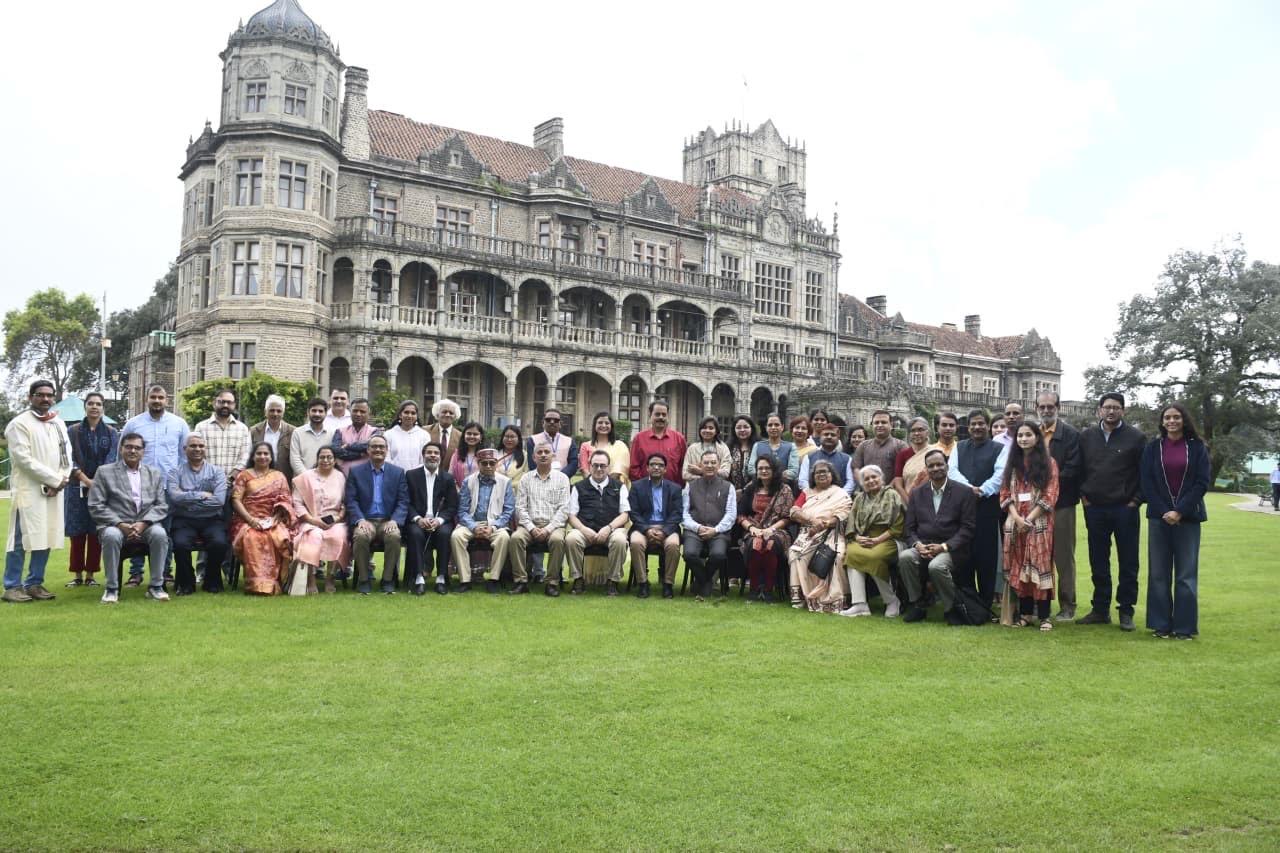
Shimla- The Indian Institute of Advanced Study (IIAS), Shimla inaugurated a two-day national seminar today titled “Revisiting the Intersectionality of Religion and Literature in Indian Intellectual Tradition”, which seeks to re-examine the deep linkages between spiritual narratives and literary traditions in India’s epistemological history.

The ceremonial lighting of the lamp was performed by Prof. Balaganapathi Devarakonda (Convener, University of Delhi), Prof. Sanjeev Kumar H.M. (Co-convener), and other dignitaries.

In the welcome address, Prof. Devarakonda emphasized the need to revisit religious texts and literary expressions in a framework that honors Indian epistemologies and resists homogenizing colonial interpretations. He called for reclaiming the richness of the Indian narrative traditions that integrate ethics, aesthetics, and spirituality.

Prof. Sanjeev Kumar H.M., in his thematic introduction, underlined that religion in the Indian context is not merely a doctrine but a way of life that finds articulation through literary forms. He proposed a shift in scholarship that recognizes this lived interface and moves toward a decolonised, structurational approach to knowledge.

Delivering the keynote address virtually, Prof. Siddharth Singh, Vice-Chancellor of Nava Nalanda Mahavihara, Bihar, traced the history of religious literature from the time of ancient Buddhist and Brahmanical texts to contemporary readings. He articulated how sacred narratives in India were carriers of both individual enlightenment and social cohesion.

Prof. Shashiprabha Kumar, Chairperson of IIAS and former Vice-Chancellor of Sanchi University, delivered the presidential address online. She emphasized that Indian philosophical thought inherently resisted the secular-sacred binary found in Western Enlightenment discourse, and that the dharmic worldview organically integrates metaphysical insight with literary aesthetics.

The vote of thanks was delivered by Shri Mehar Chand Negi, Secretary of IIAS, followed by the National Anthem and a group photograph. Akhilesh Pathak, PRO of IIAS moderated the inaugural session. A tea break marked the end of the inaugural proceedings.

The academic sessions that followed included papers on Bhakti literature, epic reinterpretation, decolonial textuality, and regional religious aesthetics, continuing the conversation set forth in the morning’s inaugural session.

दैनिक पत्र द हिंदू के नाम खुला पत्र: सर्वे की खबरों में पारदर्शिता और सच्चाई की मांग

2-1-30.jpeg

प्रिय संपादक,
अपने पाठकों से माफी मांगिए। 17 अगस्त की सुबह, आपने (
@the_hindu) लोकनीति-सीएसडीएस (@LoknitiCSDS) के सर्वे के नतीजे छापे, जिसमें जोर-शोर से दावा किया गया कि भारतीयों का चुनाव आयोग पर ‘विश्वास’ कम हो रहा है। संयोग देखिए, उसी दिन
@RahulGandhi

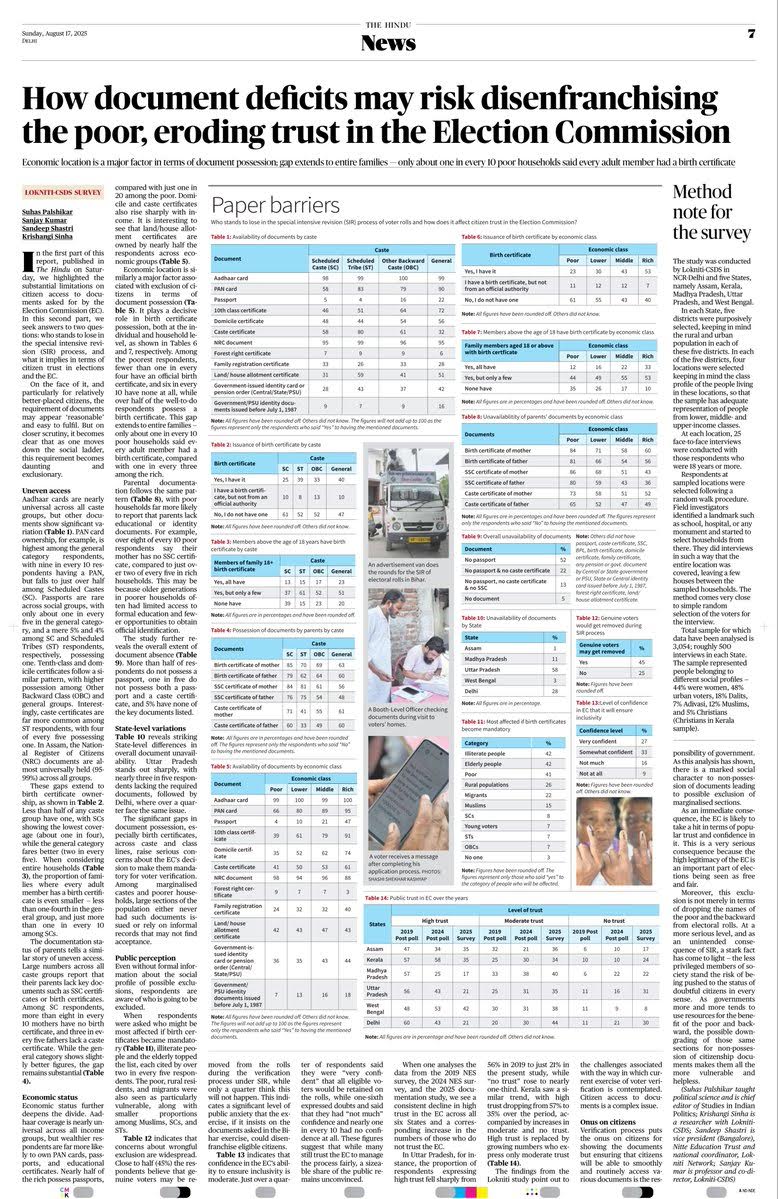
ने अपनी बिहार यात्रा शुरू की और ‘वोट चोरी’ का आरोप लगाया। लेकिन आपने सर्वे के सबसे बुनियादी तथ्यों की जांच तक नहीं की। यह सर्वे पूरे भारत का नहीं था; इसमें सिर्फ छह राज्य-असम, पश्चिम बंगाल, केरल, उत्तर प्रदेश, मध्य प्रदेश और दिल्ली-शामिल थे, प्रत्येक से 500 लोगों के जवाब लिए गए। यह जानकारी छोटे अक्षरों में छिपी थी, जिसे शायद ही कोई पढ़ता हो। असम और उत्तर प्रदेश को सर्वे में बराबर का महत्व दिया गया! सोचिए, कितनी गलत पद्धति थी। फिर भी, हिंदू ने इस निष्कर्ष को ऐसे छापा जैसे यह पूरे देश की राय हो।


आपने सीएसडीएस से यह सवाल नहीं किया कि ये छह राज्य ही क्यों चुने गए। आपने पाठकों को यह भी नहीं बताया कि इनमें से चार राज्यों-असम (40%), पश्चिम बंगाल (35%), केरल (27%), और उत्तर प्रदेश (19%)- में मुस्लिम आबादी काफी ज्यादा है। संजय कुमार ने करण थापर के साथ साक्षात्कार में असम और पश्चिम बंगाल के आंकड़े स्वीकार किए, लेकिन आपने इसे नजरअंदाज कर दिया। इतना ही नहीं, हिंदू ने अपने ही डेटा टेबल को अनदेखा किया। टेबल 10 दिखाता है कि असम में 99% और पश्चिम बंगाल में 97% लोगों के पास प्रस्तावित SIR के लिए जरूरी 11 दस्तावेज पहले से थे (यह सर्वे आधार के फैसले से पहले का है)। लेकिन टेबल 11 कहता है कि 45% लोग अभी भी डरते हैं कि “उनका वोट कट जाएगा!” कोई भी जिम्मेदार अखबार यह सवाल उठाता: अगर लगभग सभी के पास दस्तावेज हैं, तो आधे लोग वोट कटने का डर क्यों जता रहे हैं? इस विरोधाभास की जांच होनी चाहिए थी, लेकिन हिंदू ने बिना सोचे-समझे दावा छाप दिया।
सीएसडीएस से पारदर्शिता की मांग न करके—कोई कच्चा डेटा नहीं, नमूना डिजाइन की कोई व्याख्या नहीं,  बेतरतीब चयन से जुड़ी कोई जानकारी नहीं—हिंदू ने खुद को एक अखबार से कुछ और बना लिया। पाठकों को सनसनीखेज सुर्खियां तो मिलीं, लेकिन विश्वसनीयता समझने के लिए जरूरी संदर्भ नहीं। यह अच्छी पत्रकारिता नहीं है। आप अभी भी सबसे भरोसेमंद मंचों में से एक हैं, और मैं हर सुबह हिंदू पढ़ता हूं। हिंदू को यह करना चाहिए:

  • सीएसडीएस से कच्चा डेटा मांगें, बिना सोचे-समझे कुछ भी न छापें।
  • अपनी जांच खुद करें।
  • सिर्फ डाकिया न बनें; जो परोसा जाए, उसे परखे बिना न छापें।
  • विरोधाभासों पर सवाल उठाएं, जैसे कि अगर दस्तावेज सबके पास हैं, तो डर इतना क्यों है?
  • अपने पाठकों के लिए रिकॉर्ड सुधारें।

सादर,

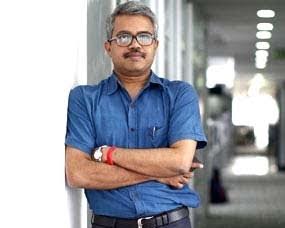
दिलीप मंडल
(श्री मंडल के पत्र का अंग्रेजी से हिन्दी अनुवाद मीडिया स्कैन ने किया है)

scroll to top