दिल्ली में पहला अंतरराष्ट्रीय फिल्म महोत्सव: कला और संस्कृति को नई पहचान

2-3-13.jpeg

नई दिल्ली: दिल्ली में पहली बार अंतरराष्ट्रीय फिल्म महोत्सव के आयोजन की तैयारियां जोरों पर हैं। दिल्ली सरकार के मंत्री कपिल मिश्रा ने इस महोत्सव को सिनेमा का ऐतिहासिक उत्सव करार देते हुए कहा कि यह आयोजन वैश्विक मानचित्र पर दिल्ली को कला और संस्कृति के क्षेत्र में एक नई पहचान दिलाएगा। शुक्रवार को मिश्रा ने इस मेगा इवेंट की तैयारियों को लेकर वरिष्ठ अधिकारियों के साथ एक उच्चस्तरीय बैठक की, जिसमें आयोजन की रूपरेखा और व्यवस्थाओं पर विस्तृत चर्चा हुई।

यह फिल्म महोत्सव दिल्ली को वैश्विक सिनेमा के केंद्र के रूप में स्थापित करने की दिशा में एक महत्वपूर्ण कदम है। इसमें अंतरराष्ट्रीय स्तर के प्रसिद्ध निर्देशकों, निर्माताओं, और कलाकारों को विशेष रूप से आमंत्रित किया जाएगा। मिश्रा ने बताया कि यह आयोजन न केवल सिनेमा प्रेमियों के लिए एक दृश्य-श्रव्य अनुभव होगा, बल्कि यह भारतीय और वैश्विक सिनेमा के बीच एक सेतु भी बनेगा।

महोत्सव में विभिन्न देशों की उत्कृष्ट फिल्मों का प्रदर्शन, कार्यशालाएं, और पैनल चर्चाएं आयोजित की जाएंगी, जो युवा फिल्म निर्माताओं को प्रेरणा देंगी। साथ ही, यह दिल्ली के पर्यटन और सांस्कृतिक विरासत को भी बढ़ावा देगा। आयोजन की तारीख और अन्य विवरण जल्द ही घोषित किए जाएंगे। मिश्रा ने विश्वास जताया कि यह महोत्सव दिल्ली को वैश्विक कला मंच पर एक नया मुकाम दिलाएगा।

Rising Voter Numbers in West Bengal: A Cause for Concern

postal-ballot-vote-counting-220406171-16x9.jpg.webp

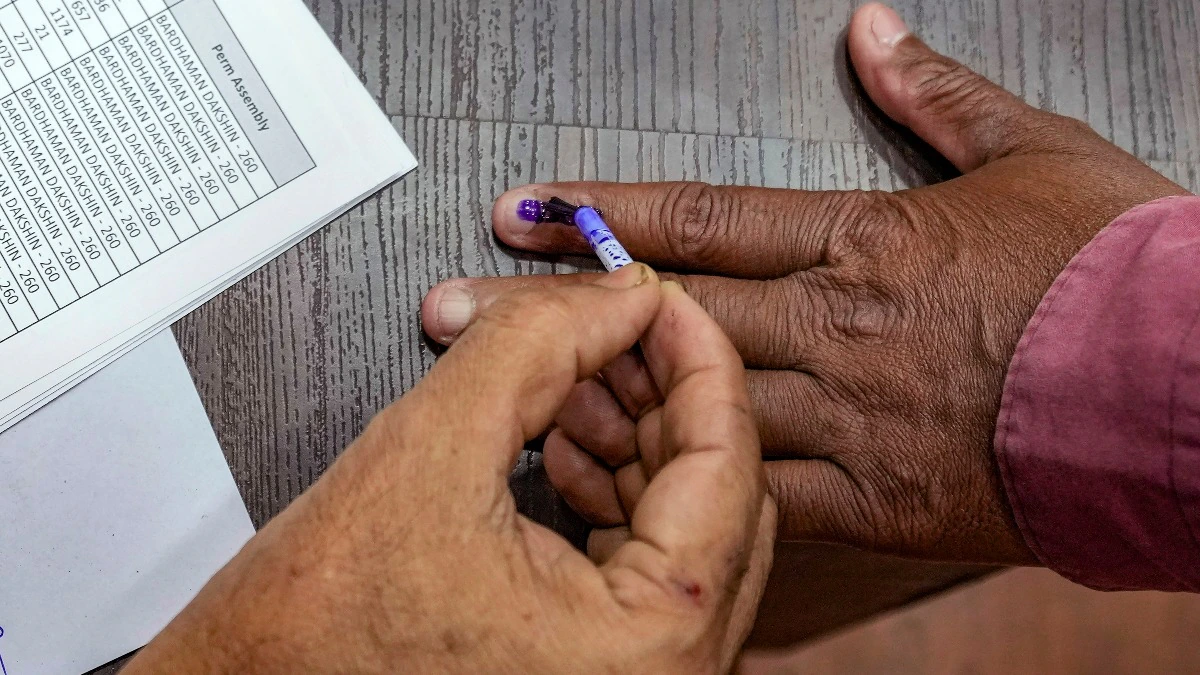
As of August 2025, West Bengal’s electoral landscape has come under intense scrutiny following reports of an alarming surge in voter registrations. The Election Commission of India (ECI) has noted a staggering increase in voter IDs, with some areas witnessing a rise of up to 600 percent. This unprecedented growth, particularly in border regions, has raised serious questions about the integrity of the electoral roll and sparked widespread debate. A demographic reconstruction research article published in Swarajya by Vidhu Shekhar, Assistant Professor of Finance and Accounting at SPJIMR, highlights that West Bengal may have 1.04 crore excess voters, underscoring the magnitude of the issue.

The Scale of the Surge
The rapid increase in voter numbers is not uniform across the state but is most pronounced in border districts such as Cooch Behar, North 24 Parganas, and Malda, which share boundaries with Bangladesh. Reports suggest that this spike cannot be attributed to natural population growth alone, as no region globally sustains such a dramatic rise in voter rolls. The ECI has acknowledged discrepancies, with some constituencies showing voter numbers exceeding their total population, a statistical anomaly that demands immediate investigation.

Border Areas: A Red Flag
The situation in border regions is particularly troubling. Proximity to international boundaries has historically been linked to illegal migration, and the current voter surge has fueled speculation of unauthorized inclusions in the electoral rolls. Local leaders and citizens have voiced concerns that lax verification processes may have allowed ineligible individuals to register, potentially undermining the democratic process. The ECI must prioritize a thorough audit of these areas, cross-verifying voter data with census figures and residency records.

Election Commission’s Response
The ECI has taken initial steps to address the issue, issuing clarifications and promising a detailed review of the voter list. In a recent statement, the commission attributed some discrepancies to clerical errors and duplicate entries, assuring the public of corrective measures. However, critics argue that these explanations fall short, given the scale of the anomaly. The commission has also initiated special drives to update voter lists, but the effectiveness of these efforts remains to be seen.

Potential Causes and Concerns
Several factors could explain this abnormal growth. Allegations of political manipulation, including the registration of non-residents or undocumented migrants to sway election outcomes, have surfaced on social media platforms like X. Additionally, inefficiencies in the voter registration process, such as inadequate identity verification or reliance on outdated data, may have contributed. The ECI must investigate whether political parties have exploited these loopholes and ensure stringent checks to prevent future irregularities.

Steps Forward
To restore public trust, the ECI should implement a multi-pronged strategy. First, a comprehensive door-to-door verification campaign should be launched, especially in border constituencies, to validate voter identities. Second, advanced technology, such as biometric authentication and Aadhaar linkage (where legally permissible), could enhance the accuracy of the electoral roll. Third, the commission should collaborate with border security agencies to monitor demographic changes and flag suspicious patterns. Regular public disclosure of audit findings will also be crucial to maintain transparency.

The Broader Implications
This voter surge threatens the credibility of elections in West Bengal, a state with a politically charged history. If left unaddressed, it could set a precedent for similar issues in other states, eroding faith in India’s democratic institutions. The ECI’s proactive engagement with stakeholders, including political parties and civil society, will be essential to devise a long-term solution.
The dramatic rise in West Bengal’s voter numbers, particularly in border areas, is a pressing concern that requires urgent attention. While the ECI has begun addressing the issue, a more robust and transparent approach is needed to safeguard the electoral process. As the 2026 Assembly elections approach, ensuring the integrity of the voter list will be paramount. The commission’s actions in the coming months will determine whether this anomaly remains a temporary glitch or evolves into a systemic challenge for Indian democracy.

Unveiling a Potential Conspiracy: Yogendra Yadav, CSDS, and the Bangladesh Connection

yogendra.jpeg.avif

New Delhi – A web of intrigue is emerging around Yogendra Yadav, a prominent Indian activist and psephologist, and his alleged ties to a broader conspiracy involving foreign-funded NGOs, the opposition INDIA alliance, and Bangladesh’s interim leader Muhammad Yunus. Speculation is rife that Yadav’s long-standing association with the Centre for the Study of Developing Societies (CSDS) and his recent statements about reshaping India along the lines of Bangladesh signal a coordinated effort to destabilize the nation’s political landscape.

Yadav, a Senior Fellow at CSDS from 2004 to 2016 and founder of its Lokniti program, has been vocal about political reforms in India. His recent remarks, hinting at a Bangladesh-style transformation for India, have raised eyebrows, especially given the timing of Bangladesh’s political upheaval under Muhammad Yunus, the Nobel laureate who heads the interim government following Sheikh Hasina’s ouster in August 2024. Yunus, founder of Grameen Bank and the Grameen Foundation, has faced accusations of leveraging his organizations for political influence, with critics pointing to his rapid consolidation of power in Bangladesh as evidence of external backing.

Sources allege that Yadav’s rhetoric aligns suspiciously with the interests of certain NGOs, some of which are reportedly linked to the Grameen Foundation and funded by Western donor agencies. These NGOs, critics claim, have a history of influencing political narratives in India, as seen during the anti-Vajpayee campaigns of the early 2000s, where Yadav was a key figure in the World Social Forum alongside other activists like Aruna Roy. The Forum, backed by foreign funds, aimed to oppose economic liberalization and was accused of undermining the NDA government, paving the way for the UPA’s rise in 2004.

The INDIA alliance, a coalition of opposition parties, is now under scrutiny for allegedly collaborating with such NGOs to destabilize the current government. Yadav’s past association with the Aam Aadmi Party (AAP) and his expulsion in 2015 for “anti-party activities” suggest a pattern of aligning with anti-establishment forces. His recent involvement in the Bharat Jodo Yatra and his advocacy for regional languages over English in education hint at a broader agenda to reshape India’s socio-political fabric.

Meanwhile, Yunus’s Grameen Foundation, established in 1997, has been criticized for securing permits and tax exemptions for its affiliates since Yunus assumed power, raising conflict-of-interest concerns. Some speculate that these moves mirror strategies employed by NGOs in India to influence policy and public opinion. While no concrete evidence ties Yadav directly to Yunus, their shared history of NGO-driven activism and foreign funding raises questions about a coordinated effort.

As India heads toward crucial elections, the alleged nexus between Yadav, CSDS, the INDIA alliance, and Yunus’s Grameen network demands investigation. Are these mere coincidences, or is a larger conspiracy afoot to mirror Bangladesh’s unrest in India? The nation watches closely as these questions unfold

निष्पक्षता का महाकुंभ

2-2-23.jpeg

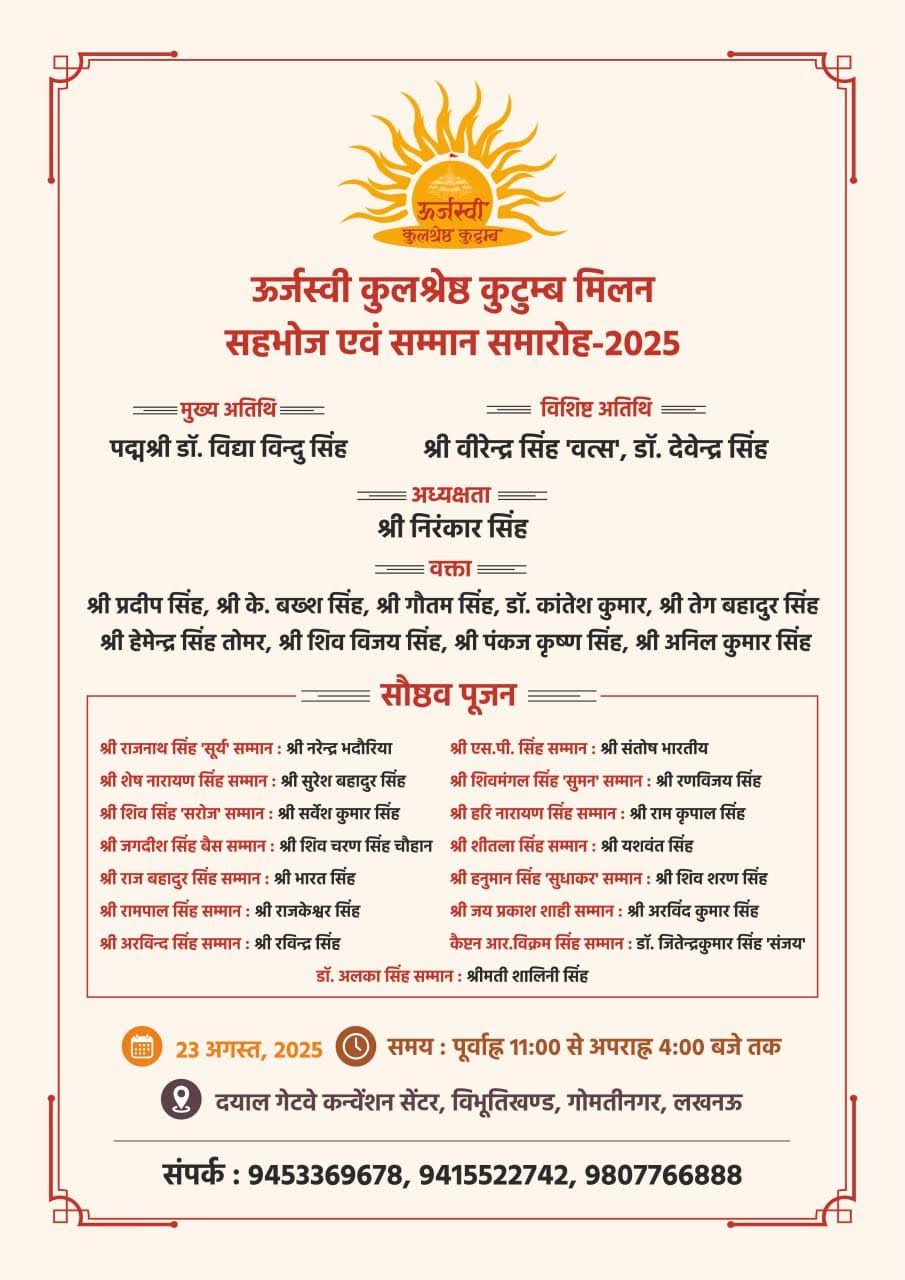
लखनऊ। ग्यारह अगस्त को एक अनोखा नजारा देखने को मिला, जब देश के तमाम “निष्पक्ष” पत्रकार एक मंच पर जुटे। ये वो महारथी हैं, जो हमेशा दावा करते हैं कि ना जाति, ना धर्म, ना पंथ—बस सत्य की सैर! लेकिन इस बार, एक खास जाति के पत्रकारों का जमावड़ा देखकर मन में एक सवाल उठा—क्या निष्पक्षता भी अब जातिगत रंग में रंग गई है?

ये पत्रकार, जो हर रोज टेलीविजन और ट्विटर पर “सबका साथ, सबका विश्वास” का झंडा बुलंद करते हैं, उस दिन एक खास समुदाय के गौरव में डूबे नजर आए। बिना अनुमति के नाम तो नहीं छपे होंगे, पर मंच पर चेहरों की चमक बता रही थी—यहां “निष्पक्षता” की परिभाषा कुछ अलग ही लिखी जा रही है।

कहते हैं पत्रकारिता का धर्म है बिना पक्षपात के सच दिखाना। लेकिन जब “निष्पक्ष” लोग एक खास बैनर तले इकट्ठा हों, तो क्या समझा जाए? क्या ये नया “निष्पक्षता का सिद्धांत” है, जहां एकजुटता का आधार जाति हो? खैर, इस महाकुंभ को बधाई! आखिर, निष्पक्षता का तमगा लिए अपनी जड़ों का गौरव गाना भी तो कला है।

बस एक सुझाव—अगली बार ऐसे आयोजन में सभी जातियों के पत्रकारों को बुलाएं। तब शायद निष्पक्षता का असली रंग दिखे। कार्यक्रम की सफलता के लिए शुभकामनाएं, पर सच का दर्पण थोड़ा और साफ हो, तो बेहतर!

scroll to top