Savita Bhabhi: A Lens into Indian Pop Culture, Sexuality, and Societal Norms

3-4-2.png

Manisha

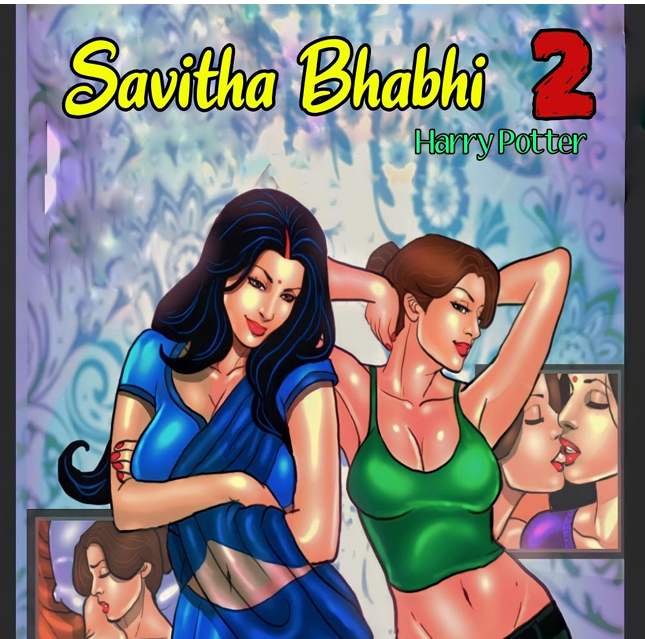
In the vibrant and complex tapestry of Indian pop culture, few phenomena have stirred as much controversy and fascination as Savita Bhabhi, a pornographic comic character who has become a cultural lightning rod since her debut in 2008. Created by Kirtu Comics, Savita Bhabhi is a fictional Indian housewife whose explicit adventures challenge traditional norms of sexuality, gender, and morality in a country known for its conservative social fabric. This article delves into three scholarly works that analyze Savita Bhabhi’s cultural significance: Rethinking Gujarati Identity through the Image of Savita Bhabhi by Anannya Bohidar, Law, Desire and Pop Culture; Savita Bhabhi’s Sexuality by Manvendra Gaur (2016), and Transgressions in Toonland: Savita Bhabhi, Velamma and the Indian Adult Comic (2019). Through these lenses, we explore how Savita Bhabhi reflects and reshapes Indian pop culture, sexuality, and societal norms, offering insights into a nation grappling with modernity, tradition, and taboo.

The Cultural Context of Savita Bhabhi

India’s cultural landscape is a paradox of progress and restraint. While Bollywood films, television serials, and digital media celebrate modernity, they often operate within the boundaries of societal expectations around family, gender roles, and morality. Savita Bhabhi, however, subverts these norms by presenting a hyper-sexualized Indian housewife who engages in extramarital affairs with unabashed agency. Her popularity, despite censorship attempts, underscores a latent desire for narratives that challenge the status quo.Anannya Bohidar’s Rethinking Gujarati Identity through the Image of Savita Bhabhi situates the character within the context of Gujarati identity, a community often stereotyped as entrepreneurial and family-oriented. Bohidar argues that Savita Bhabhi “is a product of the socio-cultural milieu of Gujarat, reflecting both the region’s economic vibrancy and its conservative undercurrents” (Bohidar, n.d.). The comic’s setting-a middle-class Indian household-mirrors the joint family dynamics prevalent in Gujarati culture, yet its explicit content disrupts the idealized image of the dutiful bhabhi (sister-in-law), a revered figure in Indian households. Bohidar suggests that Savita’s character draws from “the everyday realities of Gujarati lifestyle, where modernity and tradition coexist uneasily” (Bohidar, n.d.), positioning her as a satirical commentary on societal hypocrisy.Manvendra Gaur’s Law, Desire and Pop Culture; Savita Bhabhi’s Sexuality (2016) takes a broader view, framing Savita Bhabhi as a critique of India’s patriarchal structures. Gaur notes that “Savita Bhabhi’s sexuality is a rebellion against the societal constructs that confine women to roles of chastity and domesticity” (Gaur, 2016). By comparing her to historical texts like the Kamasutra and contemporary Bollywood narratives, Gaur highlights how Savita’s overt sexual agency challenges the sanitized depictions of female desire in mainstream media. The paper argues that her popularity reflects “a growing undercurrent of sexual liberation in a society bound by rigid moral codes” (Gaur, 2016).The 2019 paper, Transgressions in Toonland: Savita Bhabhi, Velamma and the Indian Adult Comic, further contextualizes Savita within India’s underground comic culture.
The authors describe Savita Bhabhi and her counterpart Velamma as “sticky objects-cultural artifacts that attract and repel, embodying societal tensions around sexuality, class, and gender” (2019). Unlike mainstream media, these comics thrive in the digital realm, evading censorship through internet distribution. The paper emphasizes that “the Indian adult comic offers a space for fantasies that are otherwise suppressed in public discourse” (2019), making Savita a symbol of resistance against moral policing.

Savita Bhabhi and Indian Pop Culture

Indian pop culture is a dynamic interplay of tradition and modernity, where media like Bollywood, television serials, and now digital platforms shape societal narratives. Savita Bhabhi, as a digital comic, occupies a unique niche. Unlike Bollywood’s veiled sensuality or television’s family-centric dramas, Savita’s stories are unapologetically explicit, catering to a growing online audience seeking alternative narratives. Bohidar observes that “Savita Bhabhi’s popularity stems from her ability to juxtapose the familiar tropes of Indian daily soaps—joint families, domestic settings—with subversive sexual narratives” (Bohidar, n.d.). This blending of the familiar with the taboo makes her a compelling figure in pop culture.The comic’s aesthetic draws heavily from Indian visual culture. Savita’s saree-clad image, a nod to traditional Indian femininity, contrasts sharply with her sexual escapades, creating a provocative dichotomy. Bohidar notes that “the visual representation of Savita Bhabhi borrows from the iconography of Indian cinema and advertising, where women are often objectified yet idealized” (Bohidar, n.d.). This duality allows the comic to resonate with audiences familiar with Bollywood’s sensuous item numbers while pushing boundaries further.

Gaur’s analysis situates Savita within a lineage of Indian cultural texts that explore sexuality, from the Kamasutra to contemporary erotica. He argues that “Savita Bhabhi is not an anomaly but part of a continuum of Indian narratives that negotiate desire within societal constraints” (Gaur, 2016).

Unlike the Kamasutra, which was a scholarly treatise, or Bollywood’s coy depictions of romance, Savita’s stories are accessible and populist, reflecting the democratization of sexual discourse in the digital age. Gaur highlights that “her appeal lies in her relatability-a middle-class woman navigating desire in a familiar Indian setting” (Gaur, 2016).The Transgressions in Toonland paper underscores the role of digital platforms in amplifying Savita’s reach. The authors note that “the internet has allowed Indian adult comics to bypass traditional censorship, creating a parallel pop culture that thrives on transgression” (2019). This digital rebellion mirrors broader trends in Indian pop culture, where platforms like Netflix and YouTube offer content that challenges conventional norms. Savita Bhabhi, alongside Velamma, represents a countercultural movement that speaks to a digitally savvy audience seeking unfiltered expressions of desire.

Sexuality and Gender Dynamics

Savita Bhabhi’s overt sexuality is central to her cultural significance. In a society where female sexuality is often policed, her character embodies a radical departure from the norm. Gaur argues that “Savita Bhabhi’s unapologetic pursuit of pleasure challenges the patriarchal notion that women’s sexuality must be confined to marriage and procreation” (Gaur, 2016). Her affairs with neighbors, colleagues, and even relatives subvert the sanctity of the Indian family, a cornerstone of societal norms. Yet, her portrayal as a desirable, middle-class housewife makes her rebellion palatable to audiences who might otherwise reject such narratives.

Bohidar’s analysis highlights the gendered implications of Savita’s character within the Gujarati context. She notes that “Savita Bhabhi’s depiction as a Gujarati housewife taps into stereotypes of the community’s women as both alluring and dutiful, creating a tension that fuels her appeal” (Bohidar, n.d.). This tension reflects broader societal debates about women’s roles in modern India, where economic empowerment and education coexist with expectations of domesticity. Savita’s ability to navigate these roles—housewife by day, seductress by choice—makes her a complex figure in the discourse on gender.

The Transgressions in Toonland paper explores how Savita and Velamma challenge class and gender hierarchies. The authors argue that “these comics depict women who wield sexual power across social strata, from servants to elites, disrupting traditional power dynamics” (2019). Unlike mainstream media, which often reinforces class and gender norms, these comics offer fantasies where women exercise agency, albeit within a problematic framework of objectification. The paper notes that “Savita’s interactions with lower-class characters, like servants, highlight a class fluidity that is rare in Indian pop culture” (2019).

However, Savita’s portrayal is not without critique. Gaur points out that “while Savita Bhabhi empowers female sexuality, she is still a product of the male gaze, crafted primarily for male consumption” (Gaur, 2016). This paradox—empowerment within objectification—mirrors broader tensions in Indian society, where women’s liberation is often framed within patriarchal structures. The comic’s reliance on stereotypes, such as the hyper-sexualized housewife, raises questions about whether it truly subverts norms or reinforces them in a new guise.

Societal Norms and Censorship

Savita Bhabhi’s existence is a direct challenge to India’s conservative societal norms. The comic’s explicit content led to its ban in India in 2009 under the Information Technology Act, citing obscenity. Yet, its continued popularity through VPNs and mirror sites underscores the limits of censorship in the digital age. The Transgressions in Toonland paper argues that “Savita Bhabhi’s resilience against censorship reflects a broader societal shift toward embracing suppressed desires” (2019). The internet, as a decentralized platform, has enabled creators to evade moral policing, creating a space for alternative narratives.

Gaur’s paper situates this censorship within India’s legal and cultural framework. He notes that “India’s laws on obscenity, rooted in colonial-era morality, struggle to regulate digital content that transcends borders” (Gaur, 2016). Savita Bhabhi’s ban, he argues, is less about her content and more about the threat she poses to patriarchal control over sexuality. Gaur connects her censorship to broader debates about sexual rights, noting that “the same legal system that bans Savita Bhabhi has gradually recognized rights for homosexuals and third-gender individuals, revealing a society in flux” (Gaur, 2016).

Bohidar’s analysis frames the censorship debate within the Gujarati context, where community pride and moral conservatism are strong. She observes that “Savita Bhabhi’s portrayal as a Gujarati woman provoked outrage among community leaders, who saw it as an affront to their cultural identity” (Bohidar, n.d.). Yet, her popularity among Gujarati readers suggests a disconnect between public morality and private desires. This hypocrisy, Bohidar argues, is central to Savita’s appeal: “She exposes the contradictions of a society that outwardly condemns sexuality but privately consumes it” (Bohidar, n.d.).

Comparative Insights and Broader Implications

The three papers collectively paint Savita Bhabhi as a multifaceted cultural artifact. Bohidar’s focus on Gujarati identity highlights how regional stereotypes shape and are shaped by pop culture. Gaur’s legal and feminist perspective underscores the comic’s role in challenging patriarchal norms, while the Transgressions in Toonland paper emphasizes its digital subversion of censorship and class boundaries. Together, they reveal Savita Bhabhi as a mirror to India’s evolving relationship with sexuality, gender, and modernity.

In comparison to other Indian media, Savita Bhabhi stands out for its explicitness and accessibility. Bollywood films, while increasingly bold, remain bound by censor board restrictions. Television serials, with their focus on family values, rarely explore female desire. Digital platforms like Netflix offer more freedom, but their content is often aimed at urban elites. Savita Bhabhi, by contrast, is a grassroots phenomenon, accessible to anyone with an internet connection. As the Transgressions in Toonland paper notes, “the Indian adult comic fills a gap left by mainstream media, offering a space for fantasies that are both local and transgressive” (2019).

The character also reflects broader global trends in digital pop culture. Like Western adult comics or Japanese hentai, Savita Bhabhi leverages the internet to reach niche audiences. However, her Indian context—rooted in specific cultural, regional, and legal dynamics—makes her unique. Gaur argues that “Savita Bhabhi is a global product with a distinctly Indian flavor, blending universal desires with local sensibilities” (Gaur, 2016).

Savita Bhabhi is more than a pornographic comic; she is a cultural phenomenon that encapsulates India’s complex relationship with sexuality, gender, and societal norms. As Bohidar, Gaur, and the Transgressions in Toonland authors demonstrate, she is a lens through which to view the tensions between tradition and modernity, public morality and private desire, and censorship and freedom. Her enduring popularity, despite legal bans, speaks to a society navigating rapid social change. By challenging patriarchal norms, exposing cultural hypocrisies, and thriving in the digital underground, Savita Bhabhi has carved out a space in Indian pop culture that is as provocative as it is revealing. As India continues to grapple with its sexual and cultural identity, Savita remains a bold, if controversial, symbol of liberation and transgression.

Also read this story related to Savita Bhabhi

The Rise of Savita Bhabhi in the Social Media Age and the Potential of the Adult Comics Industry

The Rise of Savita Bhabhi in the Social Media Age and the Potential of the Adult Comics Industry
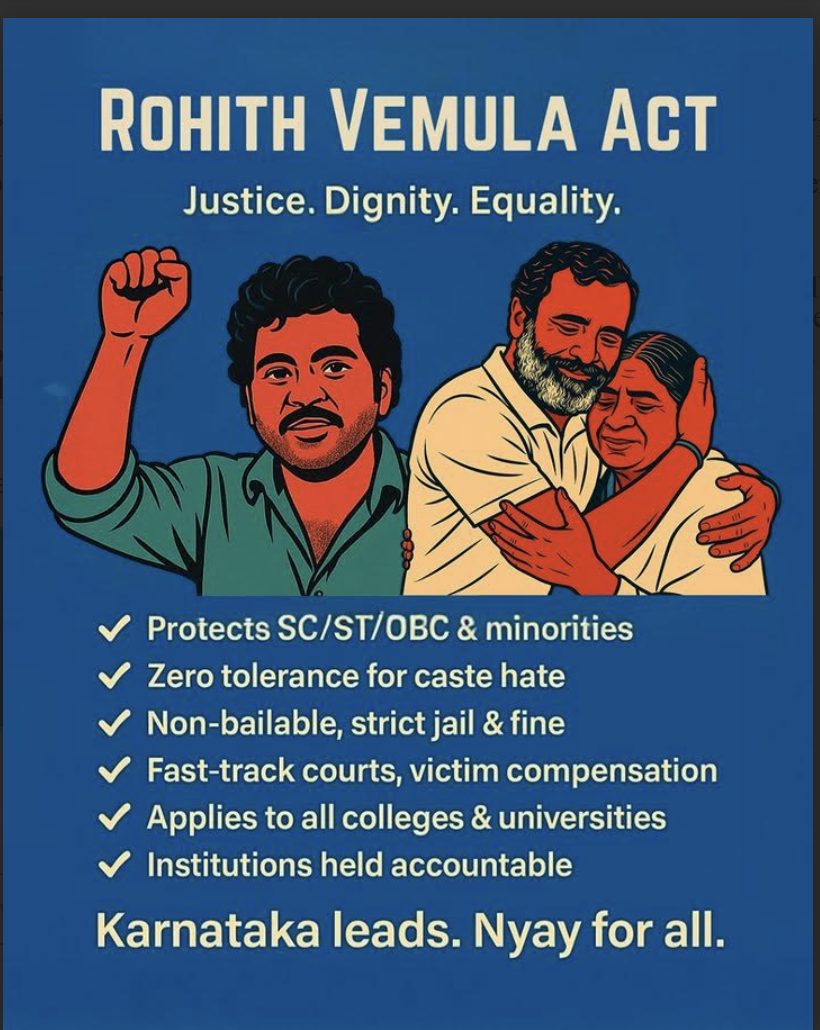
The Rohith Vemula Act: A Legal Misstep Destined for Supreme Court Scrutiny

Screenshot-2025-07-17-at-5.49.46-PM.png

The Rohith Vemula Act, aimed at addressing discrimination in educational institutions, raises several constitutional concerns that could lead to its invalidation if challenged in the Supreme Court of India.

Delhi : The proposed Rohith Vemula Act, aimed at addressing discrimination in educational institutions, particularly against Dalit, Adivasi, OBC, and minority students, has sparked heated debate. While its intent to curb systemic prejudice is noble, the Act’s provisions, as discussed in recent public discourse, raise serious constitutional concerns that make it vulnerable to being struck down if challenged in the Supreme Court. Nationalist activists and lawyers must step forward to scrutinize this legislation, ensuring it aligns with India’s constitutional framework.

The Act, reportedly backed by Congress-led state governments in Karnataka, Telangana, and Himachal Pradesh, introduces stringent measures like non-bailable and cognizable offenses, allowing arrests without preliminary inquiries. It also imposes college liability, bystander punishment, and pre-conviction payouts of ₹1 lakh. These provisions, while designed to deter discrimination, risk violating fundamental principles of justice, particularly the right to due process enshrined in Article 21 of the Constitution. The Supreme Court has consistently struck down laws that undermine procedural fairness, as seen in cases like Maneka Gandhi v. Union of India (1978), which emphasized the need for laws to be just, fair, and reasonable.

The Act’s broad scope, extending to OBCs and minorities alongside SC/ST communities, overlaps with the existing SC/ST (Prevention of Atrocities) Act, creating redundancy and potential misuse. Social media discussions, particularly on platforms like X, highlight concerns that the Act institutionalizes bias under the guise of justice, potentially discriminating against general-category individuals. Such provisions could infringe on Article 14’s guarantee of equality before the law, as they risk creating unequal treatment based on caste or community. The Supreme Court’s ruling in Gambirdhan Gadhvi v. State of Gujarat (2022) underscores that laws violating union supremacy on concurrent list subjects, like education, are constitutionally suspect, further weakening the Act’s legal standing.

Moreover, the Act’s punitive measures, such as pre-conviction payouts and bystander liability, may contravene the principle of “innocent until proven guilty,” a cornerstone of Indian jurisprudence. The Court’s history of invalidating draconian laws, like portions of the UAPA or PMLA when deemed excessive, suggests that these provisions may not withstand judicial review. The Act’s vague definitions of discrimination could also lead to arbitrary enforcement, inviting challenges under Article 19 for restricting free speech and association.

Nationalist activists and lawyers must challenge this Act in the Supreme Court to safeguard constitutional principles. By ensuring laws balance justice with fairness, they can prevent well-intentioned but flawed legislation from fostering division or injustice. The judiciary’s role as a constitutional check demands such vigilance to uphold India’s legal integrity.

Below is a detailed explanation of these concerns, rooted in constitutional principles and judicial precedents:

Bullet Points :

Violation of Article 21 (Right to Life and Personal Liberty):
The Act’s provisions, such as non-bailable and cognizable offenses allowing arrests without preliminary inquiries, risk undermining due process. Article 21 guarantees that no person shall be deprived of life or personal liberty except through a procedure established by law, which must be just, fair, and reasonable, as established in Maneka Gandhi v. Union of India (1978). The Act’s pre-conviction payouts and bystander liability provisions could be seen as punitive without adequate proof of guilt, violating the principle of “innocent until proven guilty.” The Supreme Court has struck down laws or provisions that bypass procedural fairness, as seen in cases like Kartar Singh v. State of Punjab (1994), where excessive police powers were curtailed.
Violation of Article 14 (Right to Equality):
The Act’s expansive scope, covering SC/ST, OBC, and minority students, may create unequal treatment by implicitly excluding general-category individuals from similar protections. Article 14 mandates equality before the law and equal protection of laws. Laws that create differential treatment without a reasonable classification or nexus to the objective risk being struck down, as seen in State of West Bengal v. Anwar Ali Sarkar (1952). Social media discussions on platforms like X suggest the Act could be perceived as institutionalizing bias against certain groups, further weakening its constitutional validity.
Overlap with Existing Laws and Federal Structure Concerns:
The Act overlaps with the SC/ST (Prevention of Atrocities) Act, 1989, which already addresses caste-based discrimination. This redundancy raises questions about its necessity and risks overreach into Union legislative powers, as education is a concurrent list subject under the Seventh Schedule. The Supreme Court, in Gambirdhan Gadhvi v. State of Gujarat (2022), emphasized that state laws encroaching on Union supremacy in concurrent subjects are vulnerable. The Act’s state-driven approach may conflict with central laws, inviting judicial scrutiny.
Potential Infringement on Article 19 (Fundamental Freedoms):
The Act’s vague definitions of discrimination could restrict freedom of speech and association under Article 19(1)(a) and (c). For instance, broad interpretations of discriminatory acts might penalize legitimate academic or social interactions, chilling free expression. The Supreme Court, in Shreya Singhal v. Union of India (2015), struck down Section 66A of the IT Act for vagueness, setting a precedent for invalidating ambiguous laws that curb fundamental rights.
Excessive and Arbitrary Provisions:
Provisions like college liability and bystander punishment may be deemed disproportionate, failing the test of reasonableness under Article 14 and 21. The Supreme Court has invalidated overly harsh measures, such as in Puttaswamy v. Union of India (2017), where privacy-invasive laws were curtailed. The Act’s pre-conviction payouts lack judicial oversight, risking arbitrary enforcement and misuse, which the Court has historically opposed.
The Rohith Vemula Act’s provisions clash with constitutional guarantees of due process, equality, and fundamental freedoms, while its overlap with existing laws and potential federal overreach further weaken its legal standing. These concerns make it ripe for challenge in the Supreme Court, where judicial precedents favor striking down laws that fail to balance justice with constitutional integrity. Nationalist activists and lawyers should scrutinize these issues to ensure the Act aligns with India’s constitutional framework.

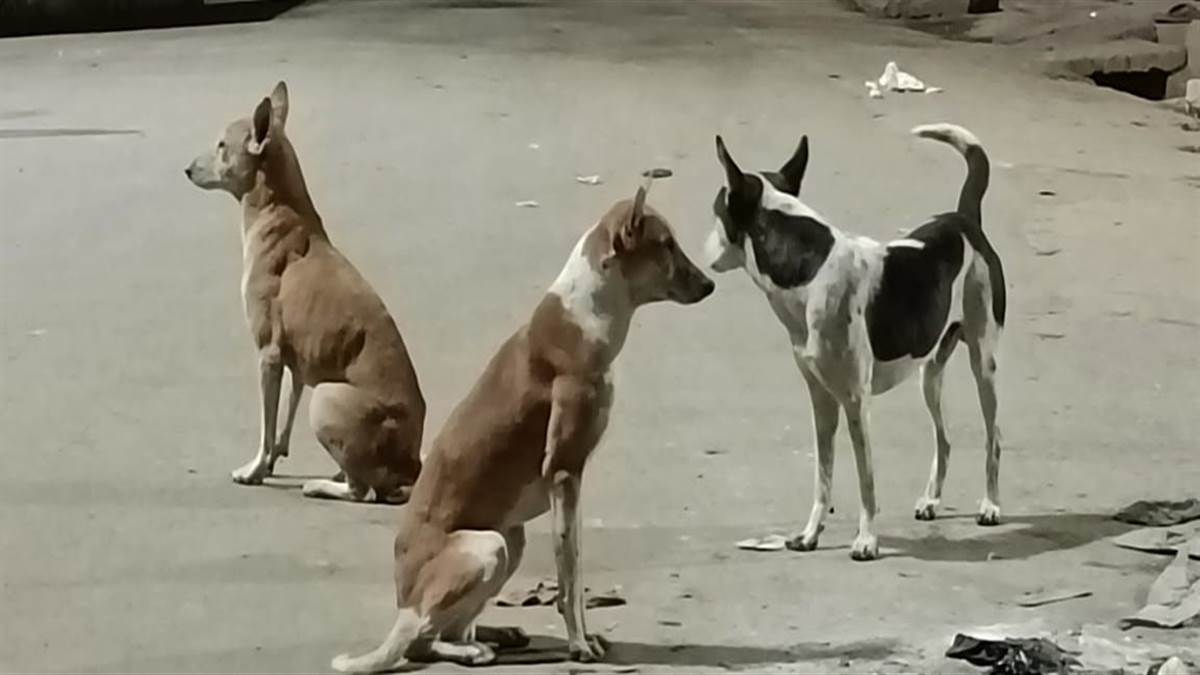
मटन भात के महाभोज में तो नहीं कट गए, मुंगेर से गायब एक हजार कुत्ते

21_11_2022-muner_god_23218217.jpg

मटन भात के महाभोज में मुंगेर के कुत्ते और जदयू-भाजपा गठबंधन की सियासत ने चुनावी रंग को बिहार में थोड़ा गाढ़ा कर दिया है। बिहार की सियासत में हमेशा कुछ न कुछ नया मसाला मिलता है, और इस बार मटन भात के महाभोज के साथ मुंगेर के एक हजार कुत्तों का गायब होना चर्चा का केंद्र बन गया है।

जदयू और भाजपा का गठबंधन बिहार विधानसभा चुनाव 2025 की तैयारियों में जुटा है, लेकिन इस ‘महाभोज’ ने सियासी हलकों में नई अटकलों को जन्म दिया है। क्या यह गठबंधन इतना मजबूत है कि हर तूफान को झेल ले, या फिर यह ‘कुत्तों की गुमशुदगी’ गठबंधन में दरार डाल सकती है?

जदयू और भाजपा का गठबंधन बिहार की राजनीति में लंबे समय से एक मजबूत साझेदारी रहा है। नीतीश कुमार के नेतृत्व में जदयू ने 2005 और 2010 के विधानसभा चुनावों में भाजपा के साथ मिलकर शानदार जीत हासिल की थी। 2019 के लोकसभा चुनाव में भी इस गठबंधन ने बिहार की 40 में से 39 सीटें जीतकर अपनी ताकत दिखाई।

हालांकि, 2014 में नीतीश कुमार ने नरेंद्र मोदी के नेतृत्व के विरोध में गठबंधन तोड़ दिया था, लेकिन बाद में फिर से एनडीए में शामिल हो गए। यह गठबंधन बिहार की जटिल जातीय समीकरणों और नीतीश की सुशासन की छवि पर टिका है। लेकिन मुंगेर जैसे क्षेत्रों में स्थानीय नेताओं की महत्वाकांक्षाएं और जदयू के भीतर ललन सिंह जैसे नेताओं की राजद के प्रति पुरानी नजदीकी गठबंधन की राह में कांटे बिछा सकती है।

ललन सिंह, जो जदयू के राष्ट्रीय अध्यक्ष रह चुके हैं और मुंगेर से सांसद हैं, नीतीश के करीबी माने जाते हैं। लेकिन उनकी राजद के प्रति नरम भावनाएं कोई रहस्य नहीं। अगर मटन भात के इस ‘महाभोज’ में तेजस्वी यादव, उनकी पत्नी रेचल गोडिन्हो, या चर्चित यूट्यूबर अजीत अंजुम को न्योता दिया जाता, तो शायद यह सावन को ना मानने वालों का मिलन बनता। लेकिन इनकी अनुपस्थिति ने सवाल उठाए हैं कि क्या जदयू बिहार में राजद की राह पर चल पड़ा है? मुंगेर में कुत्तों की गुमशुदगी का रहस्य भले ही स्थानीय स्तर का मजाक बन गया हो, लेकिन यह सियासी तौर पर गठबंधन की एकता पर सवाल उठा रहा है।

तेजस्वी यादव की राजद इस समय महागठबंधन के साथ मिलकर बिहार में अपनी जमीन मजबूत करने में जुटी है। तेजस्वी का ‘मुस्लिम-यादव’ समीकरण और युवा मतदाताओं पर फोकस जदयू-भाजपा के लिए चुनौती है। नीतीश कुमार की रणनीति अब महिला वोटरों और गैर-यादव ओबीसी समुदायों को साधने पर केंद्रित है। लेकिन अगर जदयू के भीतर नेताओं की निष्ठा पर सवाल उठते हैं, तो गठबंधन की राह मुश्किल हो सकती है।

मुंगेर का यह ‘महाभोज’ और कुत्तों की गुमशुदगी भले ही हल्का-फुल्का किस्सा लगे, लेकिन बिहार की सियासत में छोटी घटनाएं भी बड़े बदलाव का संकेत देती हैं। गठबंधन टूटेगा या नहीं, यह तो वक्त बताएगा, लेकिन फिलहाल नीतीश और भाजपा को इस महाभोज के स्वाद पर हो रही राजनीति को संभालने की जरूरत है।

सूत्र, मूत्र और गोदी की गपशप

3-3-2.png

पटना।  बिहार के पूर्व डिप्टी सीएम तेजस्वी यादव ने जब ‘सूत्र को मूत्र’ कहकर चुनाव आयोग और टीवी न्यूज चैनलों पर तंज कसा, तो हंगामा मचना ही था। उनके इस बयान ने न सिर्फ सियासी गलियारों में हलचल मचाई, बल्कि पत्रकारों की दुनिया में भी तूफान खड़ा कर दिया। वरिष्ठ टीवी पत्रकार संजय सिन्हा ने इस मौके को लपकते हुए भड़ास फॉर मीडिया पर एक ऐसा लेख ठोका कि पढ़ने वाला हंसते-हंसते लोटपोट हो जाए। मैं संजय सिन्हा को निजी तौर पर नहीं जानता, लेकिन उनका ये लेख पढ़कर लगा कि किसी ने तो हिम्मत दिखाई और मीडिया की नब्ज को उलट-पुलट कर देख लिया। तो आइए, इस कहानी को मेरे अंदाज में, थोड़ा चुटीला, थोड़ा चटपटा, और बिल्कुल देसी ढंग से सुनाते हैं।

तेजस्वी यादव ने जब ‘सूत्र को मूत्र’ कहा, तो मानो उन्होंने पत्रकारों की पूरी जमात को एक ही तीर से निशाना बना लिया। उनका कहना था कि चुनाव आयोग ‘सूत्रों’ के हवाले से खबरें प्लांट करवाता है, ताकि सियासी खेल खेल सके। ये वही ‘सूत्र’ हैं, जिन्होंने ऑपरेशन सिंदूर के दौरान इस्लामाबाद, लाहौर और कराची पर कब्जा कर लिया था—कम से कम खबरों में तो! तेजस्वी ने इन सूत्रों को ‘मूत्र’ यानी अपशिष्ट पदार्थ करार दिया, जो दुर्गंध फैलाता है। अब भाई, ये बात तो माननी पड़ेगी कि तेजस्वी का ये तंज बड़ा रसीला था, लेकिन इसने पत्रकारों की टोली को भी कटघरे में खड़ा कर दिया।

संजय सिन्हा ने इस मौके को भुनाया और अपनी लेखनी से नेताओं और पत्रकारों के उस अनोखे रिश्ते को उधेड़ दिया, जो कभी गोदी में बैठकर अठखेलियां करता है, तो कभी पालने में झूलता है। उन्होंने लिखा कि कुछ पत्रकार तो ऐसे हैं, जो नेताओं की गोद में बैठकर लड्डू खाते हैं। और सिर्फ तेजस्वी या लालू यादव ही नहीं, कई और नेता भी हैं, जो पत्रकारों को पालने में झुलाने के लिए मशहूर रहे हैं। लालू प्रसाद अलग हैं, क्योंकि वे पालने में झुलाने में नहीं, सीधा पत्रकारों को पालने में ही यकिन करते थे।

 नाम लेने की बात आई, तो संजय सिन्हा ने बिना हिचक कुछ नेताओं के नाम गिनाए, जिनके साथ पत्रकारों की खास ‘जुगलबंदी’ रही है। अब मजेदार बात ये है कि जो पत्रकार यूपीए की पिछली केंद्र सरकार में पालने में झूल रहे थे, वही आज “गोदी मीडिया” का राग अलापते फिर रहे हैं।

और मौजूदा सरकार? वो तो कुछ पत्रकारों को डिज्नी लैंड की सैर करा रही है, और ये पत्रकार बड़े गर्व से अपनी कहानियां सोशल मीडिया पर बांचते हैं। लेकिन संजय सिन्हा का कहना है कि 80-90% पत्रकार तो इस गोदी-पालने की दौड़ से कोसों दूर हैं। ये बेचारे बस अपना असाइनमेंट पूरा करने में जुटे रहते हैं। उनके सवालों को अगर कोई नेता सत्ता का सवाल समझकर नाक-भौं सिकोड़ ले, तो ये उनकी नासमझी है।

सवाल पूछना तो पत्रकार का धर्म है। अगर कोई नेता इन सवालों से चिढ़ जाता है, तो वो अपनी कमजोरी उजागर कर रहा है। संजय सिन्हा की मानें, तो ऐसे सवाल नेताओं के लिए सुनहरा मौका हैं। क्यों? क्योंकि जनता, जो विपक्ष के नरेटिव पर यकीन करती है, वो इन्हीं सवालों के जवाब सुनना चाहती है। अगर आप सवाल सुनकर भड़क गए, असंसदीय भाषा में ‘मूत्र’ जैसे शब्द उछालने लगे, तो जनता को लगता है, “अरे, इनकी दुखती रग तो यही है!” और अगर सवाल पसंद नहीं, तो थोड़ा व्यंग्य, थोड़ा हास्य, थोड़ी चतुराई से जवाब दो भाई! मूत्र-सूत्र की बहस में क्यों पड़ना?

नेता, चाहे सत्ता में हों या सत्ता से बाहर, उनका अहंकार तो बनता है। सत्ता में बैठे लोग सोचते हैं, “हम हैं तो सब कुछ है,” और जो बाहर हैं, वो कहते हैं, “हम फिर आएंगे और दिखा देंगे!” लेकिन पत्रकार? बेचारा पत्रकार तो सबसे निरीह प्राणी है। वो न तो सत्ता का हिस्सा है, न ही विपक्ष का, बस खबरों की दुनिया में भटकता रहता है। ऐसे में पत्रकारों को चाहिए कि वो उन लोगों का पर्दाफाश करें, जो ‘गोदी मीडिया’ का तमगा दूसरों को बांटते हैं। नाम लेकर, सबूत के साथ, उनकी कहानियां दुनिया के सामने लानी चाहिए। आखिर, सास भी कभी बहू थी, और गोदी में बैठने वाले भी कभी सवाल पूछने वाले निरीह पत्रकार ही थे और जो गोदी मीडिया का तमगा आज बांट रहे हैं, वे पिछली यूपीए की केन्द्र सरकार में अपने अपने नेताजी के गोद में बैठ कर मलाई खा रहे थे। माफ कीजिएगा कुछ पत्रकार नेताजी के खर्चे पर मटन, भात खा रहे थे और रेड लेबल पी रहे थे। उनकी कहानियों की पूरी श्रृंखल हो सकती है। कई की तो रिकॉर्डिंग सामने आ गई थी नीरा राडिया टेप में।

अब बात 80-90% पत्रकारों की। ये वो लोग हैं, जो न तो किसी की गोद में बैठते हैं, न ही किसी के पालने में झूलते हैं। ये बस अपनी ड्यूटी निभाते हैं-सवाल पूछते हैं, खबरें बनाते हैं, और सच को सामने लाने की कोशिश करते हैं। लेकिन नेताओं को लगता है कि हर सवाल उनके खिलाफ साजिश है। अरे भाई, अगर सवाल कड़वा है, तो जवाब में चाशनी डाल दो!

असंसदीय भाषा का सहारा लेकर आप सिर्फ अपनी कमजोरी दिखाते हैं। और हां, तेजस्वी के ‘मूत्र’ वाले बयान पर अगर हंगामा हो रहा है, तो इसमें पत्रकारों का क्या दोष? वो तो बस खबर दिखा रहे हैं।

संजय सिन्हा ने अपने लेख में एक जरूरी बात कही-पत्रकारों को चाहिए कि वो इस गोदी-पालने की गपशप को उजागर करें। जिन्होंने कभी गोद में बैठकर लड्डू खाए, वो आज दूसरों को गोदी मीडिया बता रहे हैं। ऐसे में सच को सामने लाना जरूरी है। और जो 80-90% पत्रकार इस दौड़ से बाहर हैं, उन्हें तो बस अपना काम ईमानदारी से करना है। बाकी, जो गोदी में हैं, वो आपस में निपट लें। जनता तो बस सच जानना चाहती है, और सच वही है, जो न तो गोद में बैठता है, न ही पालने में झूलता है। तो तेजस्वी जी, अगली बार सवाल आए, तो ‘मूत्र’ की जगह थोड़ा ‘अमृत’ बरसाइए। जनता को जवाब चाहिए, न कि तंज। 

scroll to top