भारत और चीन को एकजुट होकर ट्रम्प की हथियार बिक्री की विभाजनकारी नीति का मुकाबला करना चाहिए

Donald-Trump-16.jpg.webp

गुवाहाटी । जब दक्षिण एशिया की सियासी ज़मीन डोनाल्ड ट्रम्प की बेतुकी और खुदगर्ज़ नीतियों से हिल रही है—कभी कश्मीर पर मध्यस्थता के झूठे दावे, तो कभी युद्धविराम की आड़ में हथियारों की बिक्री का सौदा—तो भारत और चीन को अब आपसी तनातनी छोड़कर साझा डिप्लोमेसी यानी सहयोग आधारित कूटनीति की राह पर बढ़ना चाहिए।
ट्रम्प का लेन-देन पर आधारित (transactional) रवैया, जिसमें टैरिफ और संरक्षणवादी मांगें शामिल हैं, दक्षिण एशिया को फायदे के लिए जंग का मैदान बना सकता है। पाकिस्तान और चीन पर उनकी लगातार बदलती बयानबाज़ी ने पहले ही तनाव की आग को हवा दी है।

नई दिल्ली और बीजिंग को चाहिए कि वे $135 बिलियन डॉलर के व्यापारिक रिश्तों और इलाके में अमन व स्थिरता की साझा दिलचस्पी को मज़बूत बनाकर बाहरी ताकतों की दखलअंदाज़ी को रोकें। आतंकवाद के खिलाफ साझा कार्यनीति, इंफ्रास्ट्रक्चर विकास, और व्यापार में सहयोग जैसे कदम अमेरिकी दखल और फूट डालो, राज करो की साजिश को बेअसर कर सकते हैं।

पब्लिक टिप्पणीकार प्रोफेसर पारस नाथ चौधरी कहते हैं, “भारत-चीन के बीच सीमा विवाद, खासकर LAC (Line of Actual Control) पर, आज भी आपसी संबंधों में एक सीरियस जख्म की तरह मौजूद है। 1962, 1967, डोकलाम और 2020 के गलवान संघर्ष जैसी घटनाएं बताती हैं कि लंबे समय तक टकराव किसी के हक़ में नहीं है। सीमा विवाद का शांति पूर्ण समाधान ही इलाके में पायदार अमन और बाहरी हस्तक्षेप से आज़ादी की राह खोल सकता है—खासकर अमेरिका जैसी ताक़तों से, जो क्षेत्रीय अस्थिरता से अपने फायदे के रास्ते तलाशती हैं।”

सेना के पूर्व अधिकारी लेफ्टिनेंट कर्नल (डॉ.) राजेश चौहान, जो कई सैन्य अभियानों में अहम भूमिका निभा चुके हैं, कहते हैं, “भारत और चीन के बीच पूर्ण युद्ध दोनों मुल्कों के लिए तबाही का पैग़ाम होगा। भारत जो वैश्विक शक्ति बनने की राह पर है, वो रास्ता पटरी से उतर जाएगा। चीन, जिसकी आर्थिक और सैन्य ताकत मज़बूत है, वह भी ताइवान जैसे मुद्दों और पड़ोसी मुल्कों से टकरावों के चलते खुद मुश्किल में है। जंग सिर्फ इंसानी जानें ही नहीं लेगी, बल्कि मुल्कों की तरक्की को दशकों पीछे धकेल देगी।”

राजनीतिक विश्लेषक वेंक सुब्रमण्यम चेताते हैं, “यूक्रेन-रूस युद्ध से सबक लेना चाहिए। पश्चिमी वादों के भरोसे यूक्रेन ने अपने हाथ जलाए और आज बर्बादी के अंधेरे में है। अगर भारत को भी बाहरी ताकतें चीन से टकराने को उकसाएं, तो क्या होगा—दो एशियाई ताक़तें एक-दूसरे को तबाह करती रहेंगी, और अमेरिका अपनी हथियार इंडस्ट्री के मुनाफे गिनता रहेगा।”

एक इंटरव्यू में डॉ. चौहान ने कहा, “अमेरिका को चीन के उदय से खतरा है, खासकर इंडो-पैसिफिक में जहां दक्षिण चीन सागर और ताइवान का मुद्दा बेहद संवेदनशील है। भारत को चीन के खिलाफ भड़काकर अमेरिका प्रॉक्सी वॉर की पटकथा लिख सकता है, जैसा उसने यूक्रेन में किया। अमेरिका हथियार देगा, जानकारी बांटेगा, लेकिन सीधे युद्ध में नहीं उतरेगा। नतीजा? भारत पर युद्ध का पूरा बोझ।”

हाल ही में चीन की यात्रा पर गए भारत के रक्षा मंत्री राज नाथ सिंह ने भी माना कि LAC का निर्धारण वक्त की ज़रूरत है। यही सीमा विवाद भारत-चीन रिश्तों की सबसे बड़ी रुकावट है।

भारत ने 1967, डोकलाम और गलवान जैसी झड़पों में साहस दिखाया है, लेकिन स्थायी समाधान ही दीर्घकालिक हितों की रक्षा करेगा। एक मजबूत भारत-चीन रिश्ता अमेरिकी प्रभाव को संतुलित कर सकता है और एशिया को बहुध्रुवीय शक्ति संतुलन (multipolarity) की दिशा में ले जा सकता है।

चीन की सीमांकन पर अनिच्छा हैरान करती है। अगर राजनीतिक इच्छाशक्ति हो, तो यह मसला कुछ घंटों में बातचीत से सुलझाया जा सकता है। देरी से सिर्फ अविश्वास बढ़ता है और बाहरी ताक़तों को खेलने का मौका मिलता है।

प्रधानमंत्री नरेंद्र मोदी और राष्ट्रपति शी जिनपिंग के पास एक ऐतिहासिक मौका है—बाहरी उकसावे से ऊपर उठकर अमन का रास्ता चुनने का। सीमा विवाद का शांतिपूर्ण समाधान अब सिर्फ एक विकल्प नहीं, बल्कि रणनीतिक ज़रूरत बन चुका है, ताकि अमेरिका जैसी बाहरी शक्तियों को दूर रखा जा सके और दोनों मुल्कों के लिए एक उज्जवल भविष्य सुनिश्चित किया जा सके।
आगरा की सड़कों पर पार्किंग का तमाशा: क्या है इसका हल?

transport-1.jpg

आगरा । क्या आपने कभी आगरा की सड़कों पर गाड़ी पार्क करने की कोशिश की है और खुद को एक बदहाल व्यवस्था, भ्रष्टाचार और गुंडागर्दी के कुचक्र में फंसा पाया है? यदि हां, तो आप अकेले नहीं हैं। यह आज आगरा की पहचान बनती जा रही है—अव्यवस्थित, अराजक और आम नागरिकों की उपेक्षा करती हुई एक पार्किंग व्यवस्था।
पार्किंग का मसला: बदइंतजामी और बेलगाम वसूली का अड्डा आगरा का संजय प्लेस, जिसे कभी उत्तर भारत के प्रमुख व्यावसायिक केंद्रों में गिना जाता था, आज पार्किंग के मुद्दे को लेकर सुर्खियों में है। नगर निगम की अधिकृत पार्किंग में ठेकेदारों की मनमानी, जबरन वसूली, और कर्मचारियों की बदसलूकी ने व्यापारियों और आम जनता को उग्र कर दिया है। हाल ही में व्यापारियों ने अनिश्चितकालीन विरोध प्रदर्शन की चेतावनी दी, जिससे साफ जाहिर होता है कि जनाक्रोश गहराता जा रहा है। दस दिन हो गए, आगरा नगर निगम वैकल्पिक कार्य योजना, व्यवस्था की रूप रेखा नहीं बना पाया है।

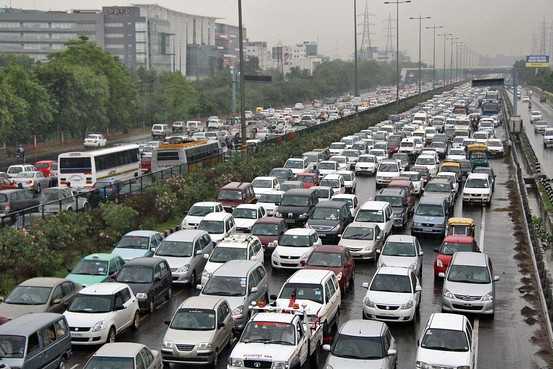
मामला केवल संजय प्लेस तक सीमित नहीं। राजा की मंडी, एमजी रोड, बल्केश्वर, कमला नगर और हॉस्पिटल रोड जैसे प्रमुख इलाकों में भी सड़कें गाड़ियों से अटी पड़ी हैं। आगरा में अब तक करीब 21 लाख पंजीकृत वाहन हैं, जिनमें दो-तिहाई दोपहिया वाहन हैं, लेकिन पार्किंग की व्यवस्था मानो 20 साल पुरानी जनसंख्या के लिए हो। हर साल लगभग 5-7% की दर से वाहनों की संख्या में इज़ाफा हो रहा है, पर पार्किंग स्पेस उसी अनुपात में नहीं बढ़ रहा।

गाड़ियों के फुटपाथों और सड़क किनारे अवैध कब्जे से न सिर्फ ट्रैफिक की रफ्तार थमती है, बल्कि पैदल यात्रियों, साइकिल चालकों और खासकर दिव्यांग जनों को भी भारी परेशानी होती है। संजय प्लेस के दुकानदार चतुर्भुज तिवारी बताते हैं, “कई बार एम्बुलेंस फंसी रह जाती हैं, पर ठेकेदारों को कोई फर्क नहीं पड़ता।”
सेंट पीटर्स कॉलेज के टीचर डॉ. अनुभव खंडेलवाल कहते हैं, “जब एक ड्राइवर पार्किंग खोजने में 15-20 मिनट तक वाहन को घुमाता है, तो यह सिर्फ ईंधन और समय की बर्बादी नहीं, बल्कि प्रदूषण और तनाव का भी कारण बनता है।”

2024 में एक स्थानीय सर्वे के अनुसार, 60% आगरा निवासियों को औसतन 10-15 मिनट सिर्फ पार्किंग की तलाश में लगते हैं, और 35% मानते हैं कि उन्होंने कहीं जाना सिर्फ इसलिए टाल दिया क्योंकि पार्किंग का झंझट था।

अधिवक्ता राजवीर का मानना है कि “पार्किंग ठेकों पर स्थानीय राजनीतिक संरक्षण प्राप्त गुर्गों का कब्जा है, जो पार्किंग शुल्क की मनमानी वसूली करते हैं और विरोध करने पर धमकी तक दे डालते हैं।”

नगर निगम और ट्रैफिक पुलिस कभी-कभार मुहिम चलाकर मीडिया में फोटो खिंचवा लेते हैं, लेकिन नतीजा कुछ नहीं निकलता। अवैध पार्किंग, अतिक्रमण और वाहनों की अनियंत्रित वृद्धि ने शहर को एक असहनीय स्थिति में ला खड़ा किया है।

समाधान आसान नहीं है, लेकिन असंभव भी नहीं है। कुछ सुझाव इस प्रकार हैं:
1. शहर में मल्टी-लेवल पार्किंग का निर्माण: एमजी रोड, बल्केश्वर, और दयालबाग में मल्टी-लेवल पार्किंग बनाने की परियोजनाएं वर्षों से अटकी हुई हैं। उन्हें पुनर्जीवित करना होगा।
2. डिजिटल पार्किंग ऐप: दिल्ली और मुंबई की तर्ज पर एक स्मार्ट पार्किंग ऐप विकसित किया जाए जिससे रियल-टाइम पार्किंग डेटा मिले।
3. पार्किंग नीति में पारदर्शिता: ठेकेदारी व्यवस्था की समीक्षा हो, और आरटीआई के तहत जनता को जानकारी दी जाए कि वसूली कैसे हो रही है और पैसे कहाँ जा रहे हैं।
4. सार्वजनिक परिवहन को बढ़ावा: बीआरटी, ई-रिक्शा और साइकिल लेन जैसी योजनाओं को प्राथमिकता मिले ताकि निजी वाहनों पर निर्भरता कम हो।
5. लोगों को जागरूक करना: “मेरी गाड़ी, मेरी जिम्मेदारी” जैसे अभियान चलाकर नागरिकों में जिम्मेदारी का भाव जगाना होगा।
पर्यावरणविद डॉ देवाशीष भट्टाचार्य के मुताबिक, “अगर आगरा को स्मार्ट सिटी, पर्यटन नगरी और विश्व धरोहर शहर के रूप में स्थापित करना है, तो सड़कों पर गाड़ियों की बेतरतीब भीड़ को हटाना होगा।”
सोशल एक्टिविस्ट पद्मिनी अय्यर कहती हैं, “यह सिर्फ एक ट्रैफिक या पार्किंग का मसला नहीं है—यह नागरिक संस्कृति, प्रशासनिक जिम्मेदारी और शहरी नियोजन की असल परीक्षा है।”

India’s Infrastructure Oddities: 7 More Bizarre Engineering Feats Sparking Debate

3-5.png

Bhopal : Following the viral controversies surrounding Bhopal’s 90-degree flyover and Indore’s Z-shaped railway overbridge, India’s infrastructure landscape is no stranger to peculiar designs that raise eyebrows and safety concerns. These projects, often marred by bureaucratic conflicts, land constraints, or questionable planning, have become fodder for public criticism and social media memes. Below are seven additional examples of engineering missteps or unconventional designs in India that have ignited debates, much like the Bhopal and Indore bridges. Each case highlights the challenges of balancing urban development, safety, and practicality in a rapidly growing nation.

1.    Andhra Pradesh’s ‘Temple Run’ Flyover (Venkatreddy Palle)
Located near Vasudevapuram on State Highway 57, this flyover gained notoriety for its three sharp 90-degree turns, drawing comparisons to Bhopal’s infamous bridge. Shared widely on social media, with Congress Kerala’s X post mockingly stating, “Bhopal made a 90° flyover. Andhra: ‘Hold my chai,’” the structure baffled commuters and engineers alike. Critics labeled it a “Temple Run” highway, likening its zigzagging path to the twists of a video game. The design, attributed to land constraints, sparked concerns about accident risks, especially for heavy vehicles. Authorities have yet to announce redesign plans, but the flyover’s viral fame has fueled calls for stricter oversight in infrastructure planning.

2.    Subhash Nagar’s ‘Snake-Like’ Bridge (Bhopal)
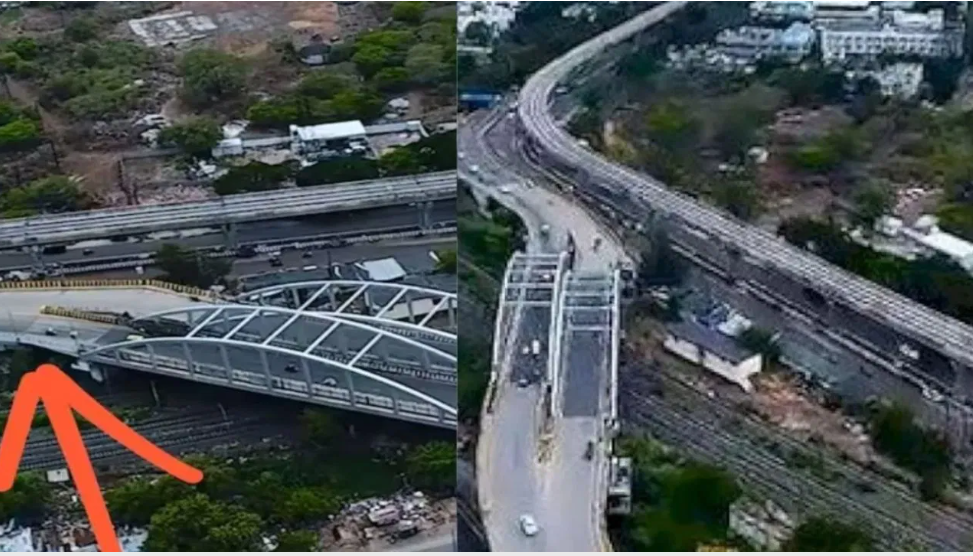
Just weeks after Bhopal’s Aishbagh bridge controversy, the Subhash Nagar Railway Over Bridge (ROB), operational for two years, came under scrutiny for its serpentine design and poorly placed dividers. Costing ₹40 crore, the bridge connects Maida Mill to Prabhat Petrol Pump but reported two accidents within eight hours due to its sharp curves. Structural engineer Prakhar Pagaria criticized such designs as inherently risky unless unavoidable, urging better oversight. Social media users dubbed it a “snake-like” structure, questioning why safety was compromised despite its aim to ease congestion for commuters heading to Bhopal Railway Station.

3.    Mumbai’s Misaligned Overbridge (Andheri)
In 2023, a railway overbridge in Mumbai’s Andheri suburb became a national embarrassment when its two sections, built by separate agencies, missed connecting by six feet. Intended to ease traffic between Andheri East and West, the misalignment was discovered during final inspections, delaying the project and sparking public outrage. Social media posts lampooned the error, with one user joking, “Did they forget to use a ruler?” The incident, reported by The Times, highlighted coordination failures between the Mumbai Metropolitan Region Development Authority and the Railways, requiring costly corrections and fueling distrust in urban planning.

4.    Bihar’s Collapsing Ganges Bridge (Bhagalpur)
In 2023, a bridge under construction over the Ganges in Bhagalpur, Bihar, collapsed before its ninth completion deadline, raising questions about engineering competence and corruption. Costing ₹1,710 crore, the project was meant to connect Bhagalpur and Khagaria but faced repeated delays due to design flaws and contractor disputes. Videos of the collapse went viral, with X users calling it a “monument to mismanagement.” An official inquiry cited poor quality control, leading to the blacklisting of the construction firm. The incident underscored systemic issues in Bihar’s infrastructure projects.

5.    Delhi’s Signature Bridge Missteps
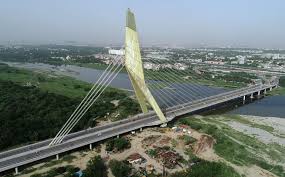
Inaugurated in 2018, Delhi’s Signature Bridge over the Yamuna River faced criticism for its wobbly structure during high winds, alarming commuters. Costing ₹1,594 crore, the cable-stayed bridge was hailed as a tourism landmark but drew flak for inadequate wind resistance testing. Social media users shared videos of the bridge swaying, with one commenting, “Looks like a thrill ride, not a road.” Engineers later reinforced the structure, but the controversy highlighted rushed planning in high-profile projects. The bridge remains a polarizing symbol of ambition versus practicality.

6.    Chennai’s Flood-Prone Flyover (Kathipara)
The Kathipara Flyover in Chennai, one of India’s largest cloverleaf interchanges, was designed to streamline traffic but became infamous for severe waterlogging during monsoons. Built at a cost of ₹450 crore, the flyover’s poor drainage system led to vehicles wading through knee-deep water, stranding commuters for hours. Social media posts showed cars floating, with captions like “Chennai’s new aquatic highway.” Despite repeated promises of retrofitting, the issue persists, exposing flaws in urban infrastructure planning in flood-prone cities.

7.    Kolkata’s Curved Flyover (Maa Flyover)
Kolkata’s Maa Flyover, extended in 2015 to ease traffic, features an unusually tight curve near Park Circus that has caused multiple accidents. The ₹500-crore structure’s sharp bend, attributed to land acquisition issues, confused drivers navigating at moderate speeds. X users shared images of crashed vehicles, with one quipping, “This flyover is a geometry exam nobody asked for.” The Kolkata Metropolitan Development Authority promised speed breakers and signage, but critics argue the design flaw demands a complete overhaul to ensure safety.

Lessons from the Blunders
These examples, like Bhopal’s 90-degree flyover and Indore’s Z-shaped bridge, reflect recurring challenges in India’s infrastructure development: land scarcity, inter-agency disputes, and inadequate safety assessments. The Bhopal bridge, costing ₹18 crore, was redesigned after public outcry and NHAI’s safety concerns, with Railways providing additional land to soften its sharp turn. Similarly, Indore’s Z-shaped ROB, with its two 90-degree turns, is under review for safety improvements following public and political backlash.

These projects often start with ambitious goals—easing congestion, improving connectivity—but falter due to compromised designs or rushed execution. Social media amplifies these issues, turning engineering errors into viral sensations and forcing authorities to act. For instance, Bhopal’s bridge led to the suspension of seven engineers and blacklisting of two firms, while Indore’s design is being reassessed after truck drivers warned of accident risks.

To prevent such debacles, India’s urban planners must prioritize rigorous design reviews, inter-agency coordination, and public consultation. While land constraints and budget pressures are real, safety cannot be an afterthought. These bizarre structures serve as cautionary tales, reminding us that infrastructure must balance innovation with functionality to avoid becoming national laughingstocks.

Follow-up : The Shadow of a Deepfake

3-3.png

Dibrugarh (Assam) : In the quiet town of Dibrugarh, Assam, Archita Phukan lived a simple, private life, happily married and far removed from the chaos of social media. Unbeknownst to her, a storm was brewing online, orchestrated by her ex-boyfriend, Pratim Bora, who harbored a grudge that would shatter her peace. Driven by vengeance, Bora used artificial intelligence to craft a digital doppelgänger of Archita, a persona known as Babydoll Archi, who exploded into internet fame.

The fake Archita, a creation of AI-generated videos and edited photos, captivated social media with bold, provocative content. A viral photo alongside adult actress Kendra Lust and a transformation reel set to the Spanish track Dame Un Gurr propelled Babydoll Archi to stardom. Media outlets, deceived by the lifelike deepfakes, spun tales of her “struggles,” painting her as a survivor of a fabricated past involving six years of forced prostitution. The public lapped it up, unaware that every post, every story, was a lie born from Bora’s malice.

Archita remained oblivious until friends alerted her to the viral images tarnishing her name. Shocked, she learned of the fake profile that had amassed followers and headlines. Her brother filed a complaint, triggering a cyber investigation by the Dibrugarh police. The probe unraveled Bora’s scheme: he had used accessible AI tools to create convincing deepfakes, aiming to humiliate Archita. The police arrested him, charging him with cybercrime, identity theft, and online harassment.

The revelation sent ripples through Assam and beyond. If a scorned ex could wield AI to fool an entire nation, what could a skilled malicious actor achieve? The case exposed the chilling reality of deepfake technology, no longer a distant threat but a present danger. Mainstream media, once complicit in amplifying the fake persona, now faced scrutiny for failing to verify their stories. Archita, a private citizen, became an unwitting symbol of a broader crisis.

As authorities launched a deeper probe into AI misuse, the Babydoll Archi saga underscored an urgent need for regulation. The line between reality and fabrication had blurred, leaving reputations and identities vulnerable. Archita’s story was a wake-up call: in an age where anyone could wield AI’s power, no one was safe from becoming a shadow of a deepfake.

scroll to top