Waiting for CNFF-2025, an endeavour for nationalism

34be3664-ed6b-4e0b-83f4-469c63f50c0f-1024x683-1.webp

Guwahati: Come 29 and 30 November 2025, the film buffs, cine critics and movie producer-directors of eastern India will have an unique opportunity to encounter film-works, dedicated to foster nationalism and paying homage to Bharat’s thousands years old civilization, culture and heritage, as the 9th edition of Chalachitram National Film Festival (CNFF) unfolds a package of around 30 selected short duration films. A number of entries passionately narrate the stories revolving around the human race, its struggle to keep their legacy alive in a sustained environment on Earth. Many of the accepted entries tell stories of young people who find it difficult to cope up with the constant changes in their psychological needs and finally isolate themselves from other family members and even nearby friends. After rediscovering the unconditional love and affection from nearest ones, they energize themselves to go ahead pursuing studies and future careers with the sense of responsibility and belongingness in the society in general.

The slow learners and differently-able children in some entries may expose a different world to the audience, many of whom have little idea about the painful and emotional moments surrounding those minors. The picked up films also revolve around the traditional love, now overshadowed by growing misunderstanding and no trust among the family members which finally triumph in the time of distress with a true sense of empathy and forgiveness shown by everyone. Loneliness of aged professionals living in urban localities and deserving help and supports from their well-wishers, some take solace on folk tales & songs adoring marriage and other rituals to overcome the anguish, eroding family values where almost everybody suffers in different phases of life, the caste-ridden society and its implications on under privileged individuals while accessing a dignified life and living overcoming the challenges with a determination to defy the prejudices also being featured in some listed entries.
The matriarchal society, where men traditionally leave their own family to adopt a new one after marriage thus putting those fathers in isolation, ancient practices of magic that amuse the young people and help them fantasize to achieve the impossible , the surviving traditional Assamese string puppetry, thousands of years of old textile industry across Bharat and their legacy facing the turmoil of modern technology and lifestyle adopted by most of the people, tales embracing the malevolent spirit once listened and consumed by everyone in the rural world, human bonds with land, tree and nature, a creator’s legacy on finer works revolving around life, culture and legacy, abandoned national prides in different parts of Bharat with sagas waiting to be redefined for the new generation should attract the film appreciators.

India today witnesses a number of intriguing national film festivals across the country of over 140 crores in different time slots. The CNFF has been pursuing the voyage for nearly a decade and joining the elite clubs comprising MAMI Mumbai Film Festival, Great Indian Film and Literature Festival, Asia Livelihood Documentary Festival, Alpavirama South Asian Short & Documentary Film-fest, Bangalore Queer Film-fest, Brahmaputra Valley Film-fest, Cinemela Film-fest, Flashpoint Human Rights Film-fest, Golden Jury Film-fest, Hyderabad Bengali Film-fest, Indogma Film-fest, Jagran Film-fest, Jeevika Film-fest, Kalakari Film-fest, Madhubani Film-fest, New Delhi Film-fest, National Science Film-fest, Cinefan Festival of Asian and Arab Cinema, Patna Film-fest, Rajasthan Film-fest, Tigerland India Film-fest, Verite Film-fest, Vibgyor Film-fest, etc.

With a moderate beginning in 2016 with conceptualizing a society named Chalachitram with the primary aim of bringing film-works closer to the common people and also engaging the creative pieces as the weapon to create awareness of Indian culture and heritage, the CNFF for documentaries and short features has arrived on its ninth year. The inaugural edition was organised as Guwahati Film Festival (GFF) in 2017 at Rabindra Bhawan, Textile Institute, and Cotton University’s mass communication department, but in 2019 the unique festival was renamed. Gracing the GFF-2017, the then Assam chief minister Sarbananda Sonowal, opined ‘cinema reflects the philosophy of life, reality and expectations of society, and it plays an important role in transforming society’ recalling the contributions of pioneer filmmakers like Jyotiprasad Agarwalla, Bhupen Hazarika, Bhabendra Nath Saikia, Jahnu Baruah, Manju Bora, etc to the Assamese film world.

The GFF-2018, shifted to Jyoti Chitraban film studio premise in Kahilipara, was attended by noted writer Manmohan G Vaidya, award winning film director Santwana Bardoloi with others. Since its third edition (CNFF-2019), the distinctive film-fest continues to showcase creative works on celluloid (now digital outlets) at the premise dedicated to the auspicious memory of Assam’s pioneer film-maker Rupkonwar Jyotiprasad. Organised by Chalachitram, a subsidiary of Vishwa Samvad Kendra- Assam, under the mentorship of Bharatiya Chitra Sadhna, the film-fest with the central theme of ‘Our Heritage Our Pride’ invites distinguished film personalities from different parts of India to grace the occasions every year.

The distinctive festival encompasses various issues like Indian heritage, indigenous society, heroes of the freedom movement, epics & mythology, national integration & solidarity, arts & artisans, manuscripts & paintings, tradition and family values, cultural nationalism, women empowerment, environment, land & people, tourism, arts, handicrafts & textiles, wood carving, manuscript & manuscript paintings, painting & woodcarving, music and musicians, indigenous festivals, traditional sports, monuments & heritage sites, social reformers & pioneers, tea and oil industries, etc. A jury board consisting of artistes, critics, film-makers, writers and other professionals select the award winning films, where they are honoured with trophies, certificates, and cash prizes in the presence of distinguished film personalities and cine-goers.
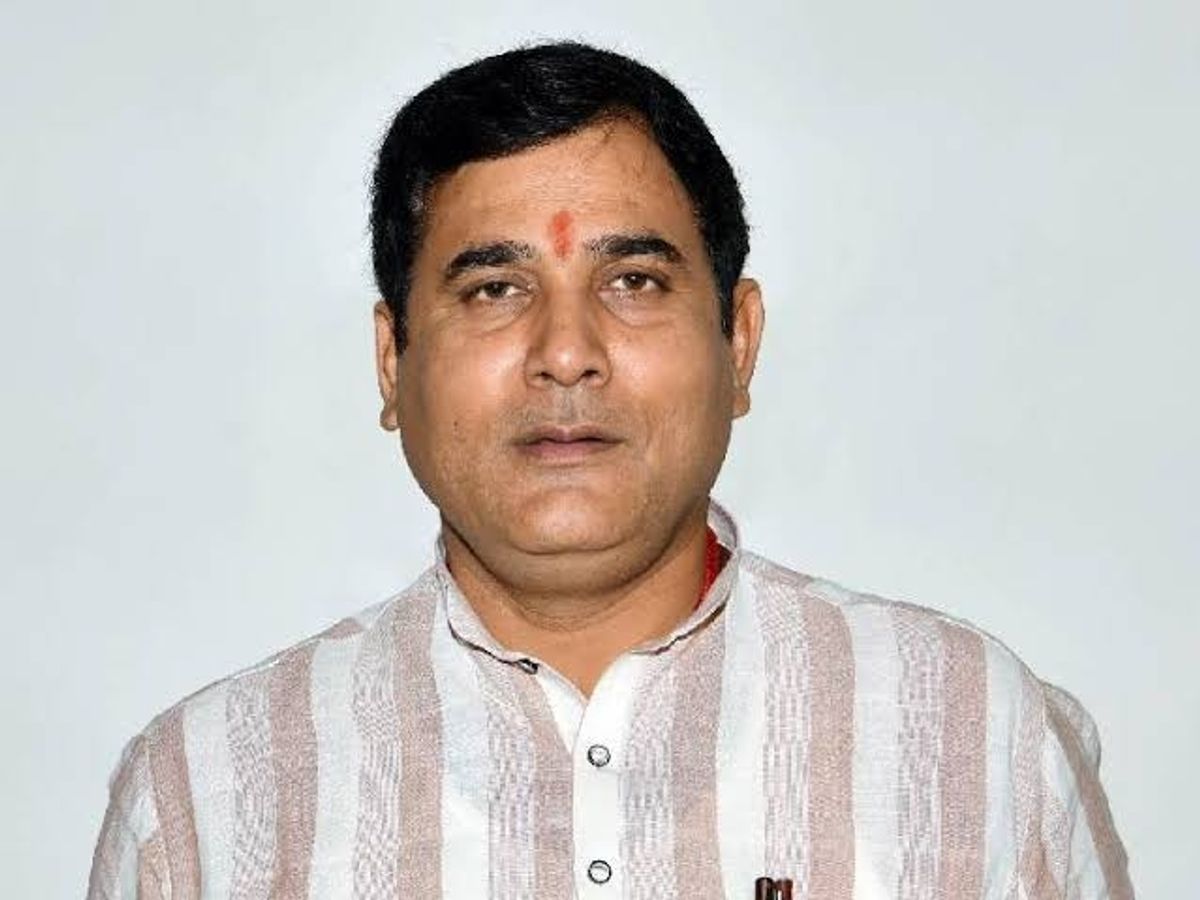
IAS संतोष वर्मा के खिलाफ रासुका के तहत दर्ज हो मुकदमा – विधायक नंदकिशोर गुर्जर

9b3a2508-72f7-4cfd-8484-92ad4cf02cba_1727168675873.jpg

मेरठ: लोनी विधायक नंदकिशोर गुर्जर ने एमपी के आईएएस एवं अजाक्स के प्रांतीय अध्यक्ष संतोष वर्मा द्वारा एक कार्यक्रम में ब्राह्मण समाज की बेटियों पर की गई अपमानजनक टिप्पणी पर लोनी विधायक नंदकिशोर गुर्जर ने कहा की बेटियों के प्रति अभद्र एवं अमर्यादित टिप्पणी न केवल एक समाज, बल्कि पूरे देश की बेटियों का अपमान है। भारतीय संस्कृति का मूल भाव “यत्र नार्यस्तु पूज्यन्ते, रमन्ते तत्र देवता” रहा है—जहां नारी का सम्मान नहीं, वहां किसी सभ्यता का अस्तित्व संभव नहीं। वहीं लोनी विधायक नंदकिशोर गुर्जर ने इस मामले में लोनी कोतवाली में मुकदमा दर्ज करने के लिए तहरीर भी दी है।

विधायक नंदकिशोर गुर्जर ने कहा कि नारी के सम्मान पर प्रहार कर जातीय विद्वेष फैलाने और देश में अराजकता पैदा करने की कोशिश किसी भी स्थिति में बर्दाश्त नहीं की जाएगी। यह व्यक्ति पूर्व में भी जालसाजी एवं महिलाओं से संबंधित अपराधों में शामिल रहा है। यह केवल एक व्यक्ति की सोच नहीं लगती—इसके पीछे कौन-सा नेटवर्क सक्रिय है और कौन लोग ऐसे तत्वों को फंडिंग या संरक्षण दे रहे हैं, इसकी उच्चस्तरीय जांच आवश्यक है।
विधायक नंदकिशोर गुर्जर ने बताया कि उन्होंने ऐसे असामाजिक तत्व के विरुद्ध रासुका सहित कठोर धाराओं में तत्काल मुकदमा दर्ज करते हुए कड़ी कार्रवाई करने हेतु तहरीर दी है, ताकि भविष्य में कोई भी व्यक्ति देश की बेटियों के सम्मान को ठेस पहुँचाने का दुस्साहस न कर सके।

बिहार के भूमिहार : एकता की राजनीति का अनुपम मॉडल

3-4-3.jpeg

पटना। बिहार की राजनीति को समझने वाला हर व्यक्ति जानता है कि यहाँ जाति ही सबसे बड़ा राजनीतिक ब्रांड है। लेकिन अधिकांश जातियाँ जब अपनी राजनीति करती हैं तो अंतर्कलह, गुटबाजी और एक-दूसरे को काटने-खसोटने में इतनी व्यस्त हो जाती हैं कि सत्ता के खेल में पीछे छूट जाती हैं। ठीक इसके उलट बिहार का भूमिहार समाज एक ऐसा उदाहरण पेश करता है जहाँ जातीय एकता और आपसी प्रेम ने उन्हें लगातार सत्ता के शिखर पर बनाए रखा है। दूसरे समाजों और दूसरे प्रदेशों के नेताओं को इसी से सबक लेना चाहिए।

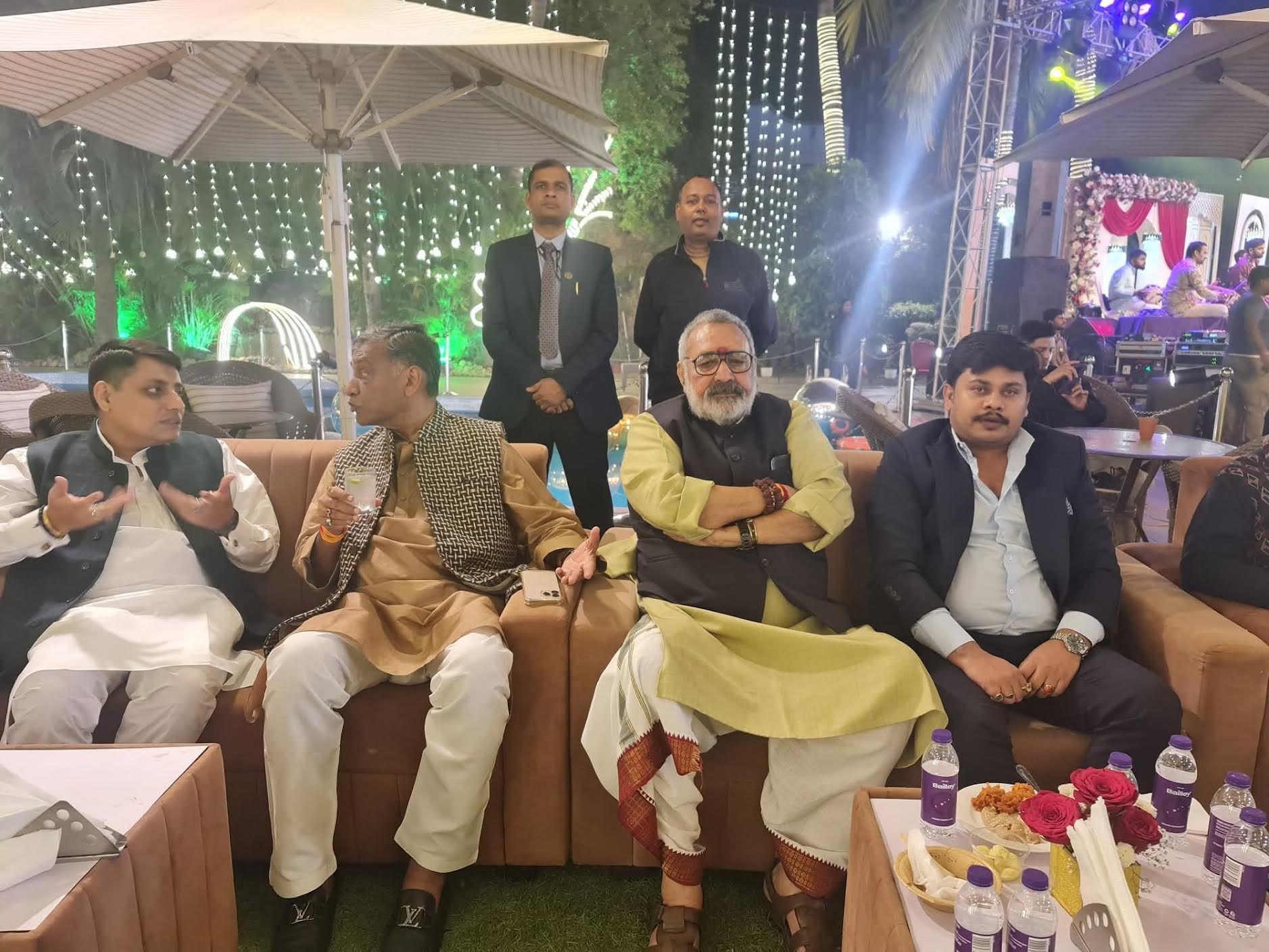
एक निजी कार्यक्रम की तस्वीर ही काफी है बिहार के भूमिहार पॉलिटिक्स को समझने के लिए। उस तस्वीर में केंद्रीय मंत्री और भाजपा के फायरब्रांड नेता गिरिराज सिंह मुस्कुराते हुए खड़े हैं। उनके बगल में हैं कांग्रेस के राज्यसभा सांसद डॉ. अखिलेश प्रसाद सिंह। पास में जहानाबाद से नवनिर्वाचित राजद विधायक राहुल शर्मा और डॉ. अखिलेश सिंह के पुत्र, महाराजगंज से कांग्रेस टिकट पर चुनाव लड़ चुके युवा नेता आकाश सिंह। अलग-अलग पार्टियाँ-भाजपा, कांग्रेस, राजद और एक युवा चेहरा—लेकिन सब एक फ्रेम में, बिना किसी बनावटी मुस्कान के। यही तस्वीर बिहार के भूमिहार समाज की असली ताकत है : वैचारिक मतभेद के बावजूद निजी और सामुदायिक स्तर पर अटूट एकता।

आज बिहार की सत्ता में भूमिहार समाज की स्थिति देखिए। केंद्र में गिरिराज सिंह और राजद कोटे से केंद्रीय मंत्री राजीव रंजन सिंह उर्फ ललन सिंह, राज्य में उपमुख्यमंत्री विजय कुमार सिन्हा, मंत्री विजय चौधरी, कांग्रेस में डॉ. अखिलेश प्रसाद सिंह, चिराग पासवान की पार्टी में हुलास पांडेय—हर बड़े गठबंधन में प्रभावशाली चेहरे मौजूद हैं। यह संयोग नहीं, सोची-समझी रणनीति का नतीजा है। यहाँ कोई बड़ा नेता किसी नए या उभरते हुए नेता का पाँव नहीं खींचता। उल्टे, हर कोई अगली पीढ़ी को आगे बढ़ाने में लगा रहता है। आकाश सिंह, अभिराज सिंह, अभय कुशवाहा, शानवी सिंह जैसे युवा चेहरों को विभिन्न पार्टियों में लगातार मौका मिल रहा है।

सोशल मीडिया पर भी यही नजारा है। जहाँ दूसरी जातियों के लोग एक-दूसरे को गाली देने और नीचा दिखाने में व्यस्त रहते हैं, वहीं भूमिहार समाज के युवा सिर्फ और सिर्फ अपने समाज को संगठित करने, अपनी बात रखने और एक-दूसरे को सपोर्ट करने में लगे रहते हैं। नफरत की राजनीति नहीं, एकता की राजनीति चलती है। यही कारण है कि बिहार में आज भी पावर के लिहाज से भूमिहार समाज नंबर एक की कुर्सी पर काबिज है, जबकि कई बड़ी आबादी वाली जातियाँ आपसी फूट के कारण हाशिए पर हैं।
दूसरे समाजों को समझना चाहिए कि जाति आधारित राजनीति में भी अगर आप एकजुट रहेंगे, एक-दूसरे के युवाओं को आगे बढ़ने देंगे और वैचारिक मतभेद को निजी संबंधों पर हावी नहीं होने देंगे, तो सत्ता से कोई विस्थापित नहीं कर सकता। बिहार का भूमिहार समाज इसका जीता-जागता सबूत है। एकता ही स्थायी सत्ता की गारंटी है-बिहार के भूमिहार इसे साबित कर चुके हैं।

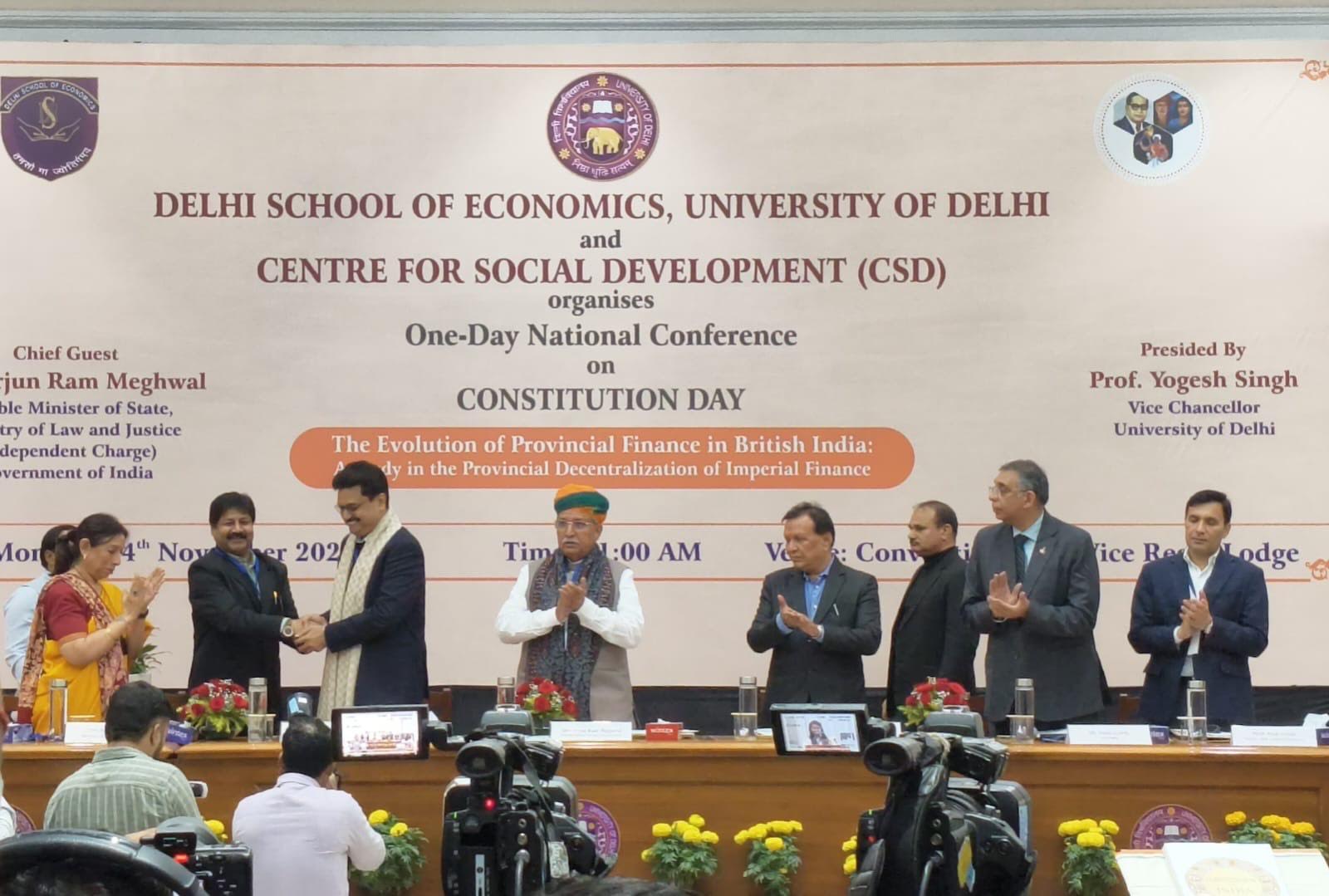
Constitution Day Celebrated at the University of Delhi

3-3-3.jpeg

Delhi: A one-day national seminar was organised at the Vice-Regal Lodge, Convention Hall, under the joint auspices of the Delhi School of Economics and the Centre for Social Development, University of Delhi, to mark the occasion of Constitution Day. The program began with the ceremonial lighting of the lamp and the Kulgeet of the University of Delhi. The event was graced by Hon’ble Shri Arjun Ram Meghwal, Minister ofLaw and Justice, Government of India, as the Chief Guest and Keynote Speaker. Also present on the dais were Prof. Yogesh Singh, Vice Chancellor, University of Delhi; Prof. Balaram Pani, Dean of Colleges; Prof. Rajni Abbi, Director, South Campus; Dr. Vikas Gupta, Registrar, University of Delhi; Prof. Ram Singh, Director, Delhi School of Economics; and Dr. Rajkumar Falwariya, Associate Professor, SPM College & Chairperson (CSD). The seminar was attended by several Principals of various colleges, Heads of Departments, faculty members, and research scholars of the University.

Academic Tribute to Dr. B.R. Ambedkar by Prof. Ram Singh

Initiating the seminar’s academic theme, Prof. Ram Singh, Director of Delhi School of Economics, offered a scholarly tribute to Dr Bhimrao Ramji Ambedkar, emphasising the critical need to recognise Ambedkar’s contributions within Indian economic and political history. He stated that Ambedkar’s seminal work on federal finance and constitutional reforms must continue to receive attention in contemporary scholarship.

Highlighting Articles 270 to 280 of the Indian Constitution, Prof. Singh explained Ambedkar’s role in rationalising fiscal relations between the Centre and the States, building a balanced structure that strengthened cooperative and fiscal federalism. He asserted that these provisions portray Ambedkar not merely as a social reformer but also as an economic historian, who integrated economics, politics, and governance into a comprehensive developmental framework.

Prof. Singh further examined Ambedkar’s 1925 thesis and subsequent works, which laid foundational principles of a modern state, ensuring financial autonomy and political accountability. His academic writings on municipal administration, public finance, and urban development demonstrate that economic growth is closely linked toinstitutional capacity and state-level empowerment. He concluded by stressing the need for future research, policy engagement, and broader public recognition of Ambedkar’s economic contributions to shaping India’s constitutional and developmental trajectory. Prof. Yogesh Singh, Vice Chancellor of Delhi University, began his address by shedding light on the broader meaning of Ambedkar. He stated that the term “Ambedkar” is not confined merely to reservation or scholarships; rather, it symbolises sacrifice, austerity, vision, and struggle. He explained that Dr B.R. Ambedkar believed in either opposition or cooperation, depending on the necessities of the time. He is regarded as a true and farsighted thinker of economic systems. Prof. Singh emphasised that if there was anyone who had the courage to call truth as truth, it was Babasaheb Ambedkar. Prof. Singh also mentioned that Babasaheb supported the concept of urbanisation and had strongly advocated for the establishment of equality even before India attained independence. In his address, he said that  “Babasaheb was omniscient” and possessed profound knowledge of both Indian and global intellectual traditions. He also discussed the concepts of ‘Sukhmay MoolamDharmaḥ’ and ‘Dharma Moolam Arthaḥ’. He further stated that Babasaheb’s contribution and economic insights in the establishment of the Reserve Bank of India (RBI) can never be forgotten. Concluding his address, he encouraged scholars to undertake extensive research and study on Babasaheb’s seminal doctoral work, “The Evolution of Provincial Finance in British India,” and motivated everyone to delve further into it.

Keynote Address by Hon’ble Minister Shri Arjun Ram Meghwal

Delivering the keynote address as the Chief Guest, Hon’ble Minister Shri Arjun Ram Meghwal (Ministry of Law & Justice, Independent Charge, Government of India) emphasized that Constitution Day is not merely a day of remembrance, but a significant occasion to understand the democratic ethos, civic consciousness, and accountable governance of India.

Discussing historical developments leading to the framing of the Constitution, he highlighted major events of Indian history. He explained that the Battle of Plassey (1757) laid the foundation of British rule in India, which gradually expanded under the East India Company. He also noted how Indian scholars and writers drew revolutionary inspiration from the Revolt of 1857, marking the emergence of nationalist consciousness. According to him, the British Crown’s rule in 1858 marked the beginning of direct colonial imperialism, bringing about widespread social, political, and economic changes.

Reflecting on India’s march toward freedom, Shri Meghwal elaborated on the role of the Home Rule Movement and called the Government of India Act of 1935 a crucial step in restructuring India’s administrative apparatus for democratic governance. He asserted that the continuous struggles of the freedom movement finally paved the way for the adoption of the Constitution on 26 January 1950, and the 1952 First Lok Sabha Elections gave concrete shape to parliamentary democracy in India.

The Minister further highlighted the core constitutional values—Liberty, Justice, Equality, Fraternity, and Rule of Law—stating that the Constitution is not merely a legal document but a powerful foundation guiding India’s democracy. He stressed that not only framing the Constitution but its continuous implementation is equally vital. Constitution Day serves as a reminder of both the rights and the duties of citizens. He recognised the resilience and adaptability of the Indian democracy as a model appreciated globally. The session concluded with a vote of thanks and a collective reaffirmation by participants to uphold constitutional principles.

Vote of Thanks

The seminar concluded with Dr Rajkumar Falwariyapresenting the vote of thanks. He summarised key academic insights of the session and expressed gratitude to all distinguished guests, faculty members, participants, and organisers whose contributions made the event a success.

scroll to top