महाशक्तियों का हस्तक्षेप, सत्ता परिवर्तन और इतिहास का प्रतिफल

images-10.jpeg

दिल्ली । मेरा मानना है कि 1980 के दशक में सोवियत संघ में शुरू हुई उथल-पुथल और 1991 में उसके विघटन को केवल एक कारण से नहीं समझा जा सकता। इसके पीछे आंतरिक परिस्थितियाँ भी थीं और अंतरराष्ट्रीय राजनीति के दबाव भी। वेनेजुएला, अफगानिस्तान, म्यांमार, श्रीलंका और नेपाल के घटनाक्रमों को देखते हुए मेरे मन में एक प्रश्न उठता है—क्या इन सबके पीछे कहीं न कहीं महाशक्तियों के रणनीतिक हित और तथाकथित डीप स्टेट की भूमिका भी हो सकती है?

मुझे ऐसा प्रतीत होता है कि जो देश या नेतृत्व अमेरिका के रणनीतिक हितों के अनुरूप नहीं चलता, उसके विरुद्ध दबाव बनाने की नीति अंतरराष्ट्रीय राजनीति में दिखाई देती रही है। हालाँकि, प्रत्येक घटना के कारणों और बाहरी हस्तक्षेप की भूमिका की स्वतंत्र जाँच आवश्यक है। भारत में CJP की गतिविधियों को भी इसी व्यापक संदर्भ में देखना और उनके वास्तविक स्वरूप को तथ्यों के आधार पर समझना उचित होगा।

किसी भी देश की राजनीतिक अस्थिरता और विनाश अंततः उसके नागरिकों को प्रभावित करता है। भारतीय दर्शन का सिद्धांत है—जैसा करोगे, वैसा भरोगे। इतिहास में कोई भी शक्ति स्थायी नहीं रही। कौन जानता है कि दस-पंद्रह वर्ष बाद अमेरिका स्वयं ऐसी आंतरिक परिस्थितियों का सामना करे, जो कभी सोवियत संघ के विघटन का कारण बनी थीं? इतिहास की यही अनिश्चितता सत्ता और शक्ति के अहंकार के लिए एक गंभीर चेतावनी है।
इस समय जब राष्ट्र विरोधी ताक़तों को बाह्य शक्ति, संसाधन एवं षड्यंत्र को इम्प्लीमेंट करने के तरीकों की पकी पकाई जहरीली रोटी मिल रही है तब हमारा भी कर्तव्य है कि राष्ट्र हित में एकजुटता दिखायें । राष्ट्र को विघटन से बचाने के अपनी प्रतिबद्धता व सामर्थ्य से अधिक कुछ करें ।
Connaught Place was empty, the Press Club was full, and the real question was still hanging in the air

2-17.jpeg
 
Delhi : It was such a silence in the afternoon at Connaught Place that it seemed as if someone had sent the protesters a message saying “today is a holiday.” The ground was empty, and the policemen were smiling at one another—there was no work, so they detained a couple of cameramen so that when the boss asked for accounts in the evening, they could say: “We caught four today, sir.”
Where did the protesters go? Everyone followed Neha Bora and headed towards R.K. Ashram. On the ground, there was a ratio of one protester to three journalists. The moment the police picked someone up, forty cameramen would come running. The scene was dramatic—as if the purpose was not ground reporting, but making videos of people being arrested.
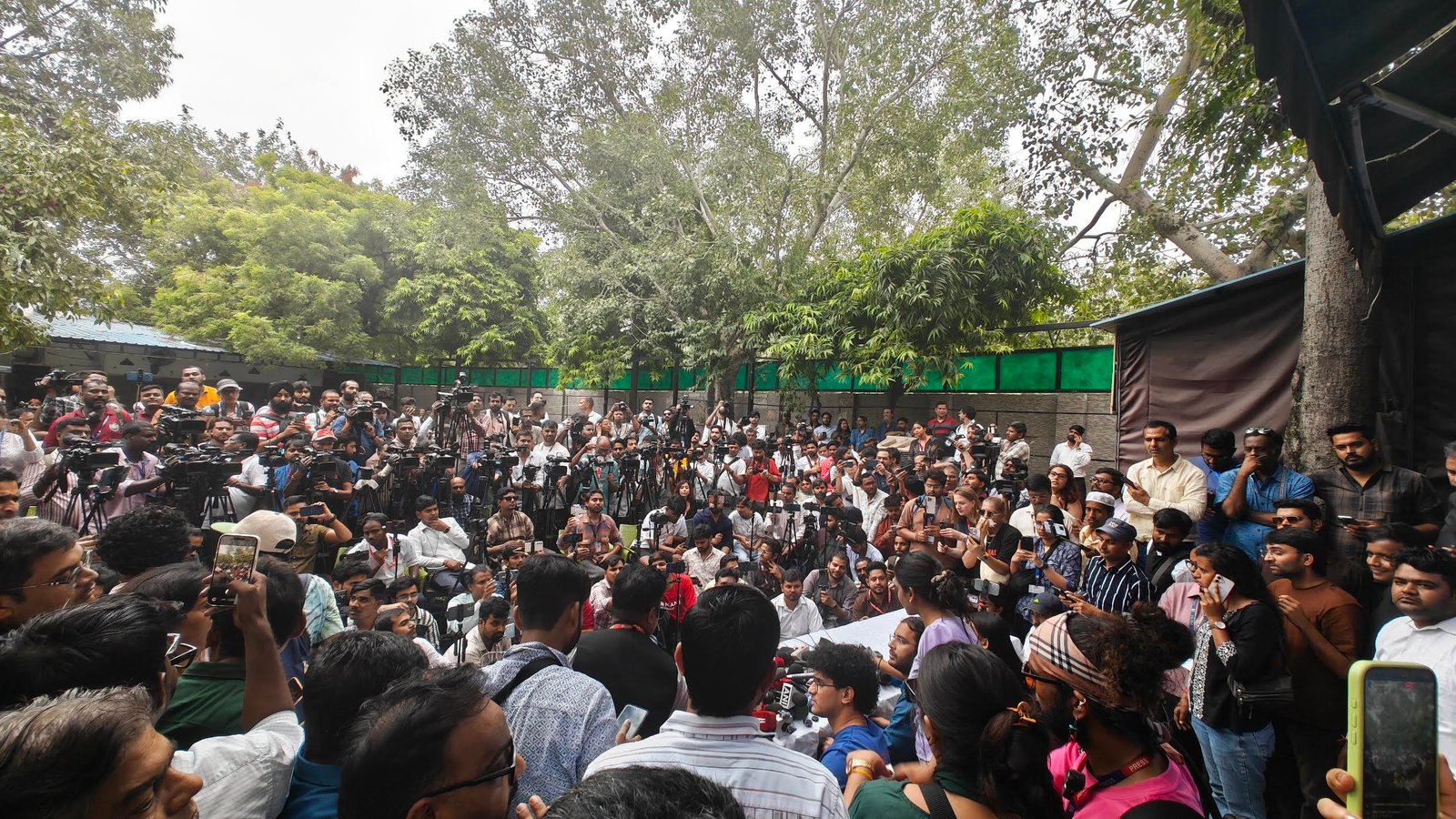
Meanwhile, at the Press Club of India, a press conference by Ashutosh Ranka, Ratna Singh and Saurabh Das was packed with journalists. All the cockerroach-supporting journalists had gathered there. Connaught Place was deserted because the real “coverage” was happening at the Press Club. Those who were detained today were not journalists, but activists.
Those whose reporting shows that they are journalists—like Comrade Srinivasan Jain. A couple of people around him were picked up, but no one laid a hand on Jain. The people with Ajit Anjum did not get protection, but when it almost came to him being beaten in Connaught Place two days earlier, the security forces saved him. He did not mention this in any video.
And the most amusing part: At today’s press conference, all the courtiers of the Gandhi family had been invited. Not a single journalist had the courage there to ask Saurabh Das about his company “Climate Action Front” and its foreign funding.
Questions were raining down at the press conference, but all the questions were further authenticating the hatred of the people present there towards PM Modi. But the question that is actually called a question—the one any journalist should ask—was not there.
Why would content creators who themselves are beneficiaries of this so-called movement ask questions? They must have gathered there to ask for their next assignment.

Bengaluru Police Snatch Cameras, Manhandle Journalists During Anti-SIR Protest – Selective Silence Follows

2-6-2.jpeg

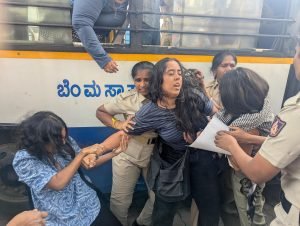
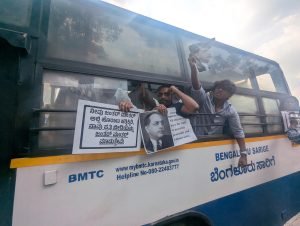
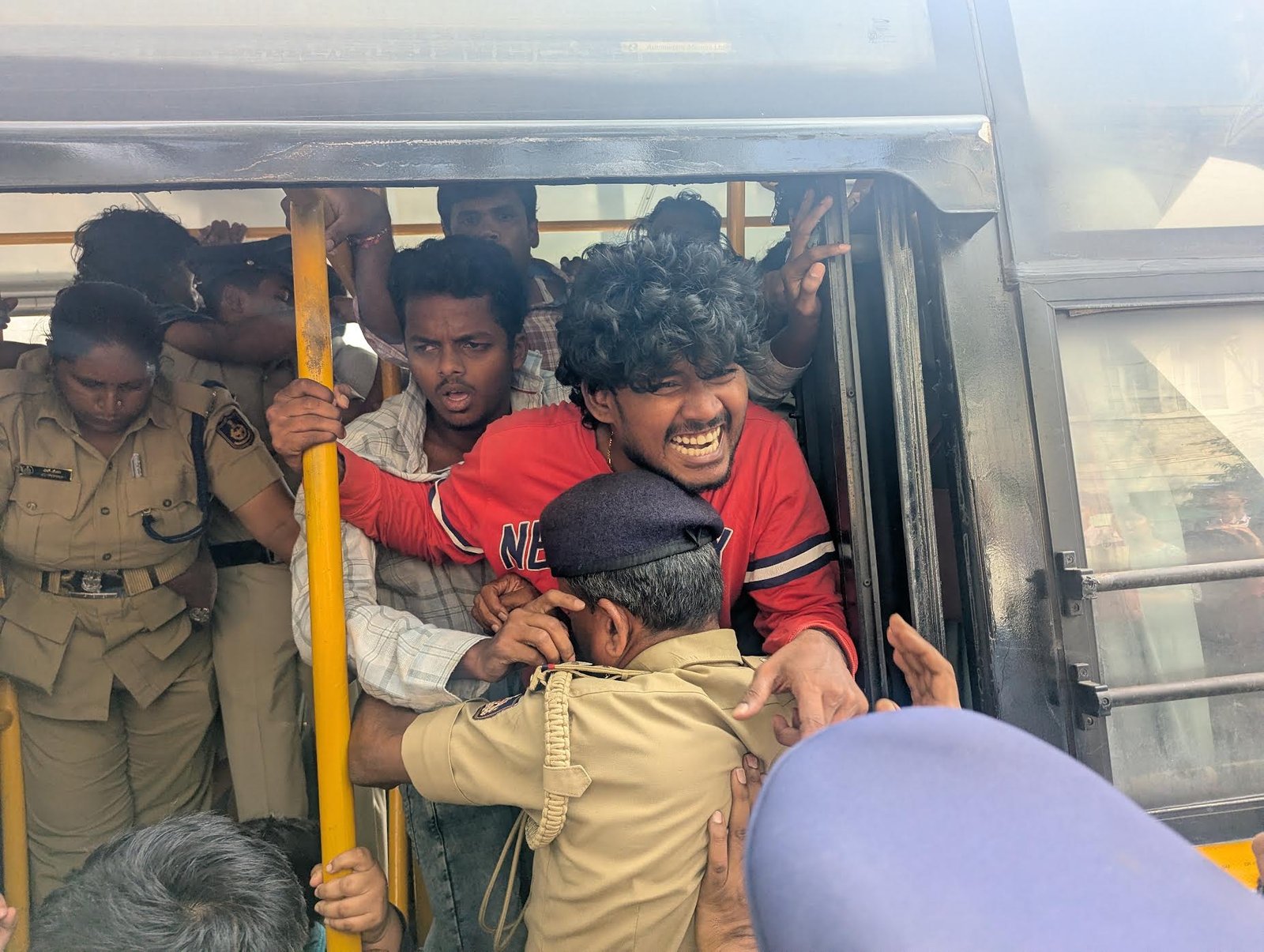
Bengaluru : In Congress-ruled Karnataka, Bengaluru police detained dozens of protesters opposing the Special Intensive Revision (SIR) of electoral rolls and the Election Commission of India on Monday. The action took place outside SJP College, opposite the Chief Electoral Officer’s office and less than a kilometre from Freedom Park – the city’s designated protest site. Police invoked a technical restriction that demonstrations are permitted only inside Freedom Park.
Plainclothes personnel were seen pushing, dragging and forcibly loading protesters into buses. Among those detained and later released were activist-author Aakar Patel, members of the All India Lawyers’ Association for Justice, and activists from the “My Vote, My Right” coalition. Advocate Vinay Sreenivasa said force was used and several people were taken to the City Armed Reserve grounds. Clifton Rozario, national general secretary of AILAJ, was assaulted. Reports also described police pulling at the clothes of women protesters while few women officers were present.
Photojournalists covering the detention faced direct action. One was beaten by four personnel. Three others were manhandled. Cameras and mobile phones were snatched and damaged. A photographer who continued filming was ordered to delete footage; an officer threatened him with jail after he was pushed to the ground, pulled by the collar and hit on the leg. Journalists had been documenting police handling of women protesters. A senior officer later said the matter would be inquired into.
The same day, Karnataka Chief Minister D.K. Shivakumar was in Delhi protesting against the Delhi Police. The contrast was immediate: a Congress chief minister publicly criticising police action in a BJP-ruled city while his own administration’s police were detaining anti-SIR demonstrators and interfering with journalists in Bengaluru. The protesters had demanded that the SIR exercise be scrapped and that Chief Election Commissioner Gyanesh Kumar resign, citing risks of mass disenfranchisement. Police maintained that the gathering lacked permission and that those who refused to shift to Freedom Park were taken into preventive custody and released.
The episode has drawn criticism on social media, including from individuals whose family members were detained and who tagged Congress leaders. Yet the wider media response has been muted compared with similar incidents involving central agencies or police in BJP-ruled areas. When cameras are seized or journalists are obstructed in Delhi or other opposition-ruled narratives, several television anchors, independent journalists and content creators quickly frame the events as an assault on press freedom or an “Emergency.” Equivalent footage from Bengaluru has produced far less sustained coverage or rhetorical escalation.
This pattern is not new. Coverage of police conduct frequently appears calibrated to the political colour of the government in power. When the ruling party is viewed as an adversary, restraint becomes “fascism”; when it is aligned, the same methods are described as routine law-and-order measures. Photojournalists in Bengaluru attempting to record the use of force against students and women protesters received little of the solidarity that would likely have been extended had the same sequence occurred outside a BJP chief minister’s office.
Journalism’s core function is scrutiny of power, not selective amplification according to partisan alignment. When outlets and creators treat identical tactics as existential threats in one capital and routine enforcement in another, the resulting credibility deficit is self-inflicted. Bengaluru’s journalists, whose equipment was seized and whose footage was demanded for deletion, are left to note that the volume of outrage often tracks the political assignment more closely than the facts on the ground.

कमला ट्रस्ट की ‘कमला विद बिहार’ पहल: निदर्शना गोवानी ने मुख्यमंत्री सम्राट चौधरी से की मुलाकात, राहत कोष में दिया सहयोग

2-2-8.jpeg

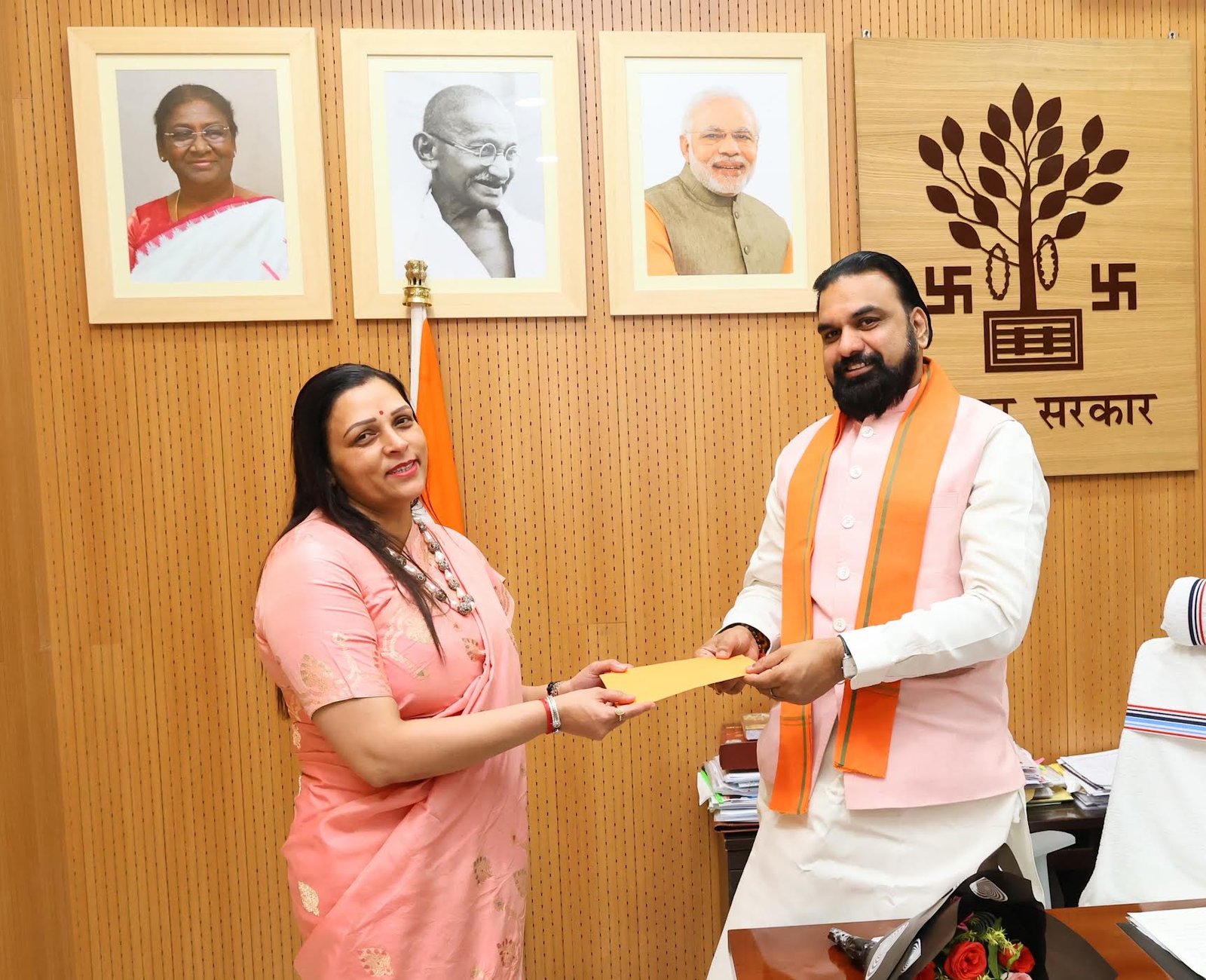
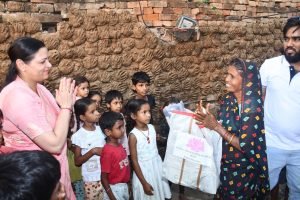
पटना (बिहार): कमला अंकिबाई घमंडीराम गोवानी ट्रस्ट ने बिहार के बाढ़ प्रभावित परिवारों की सहायता के लिए अपनी पहल ‘कमला विद बिहार’ के अंतर्गत राहत एवं सेवा कार्य किए। इसी क्रम में ट्रस्ट की ट्रस्टी निदर्शना गोवानी ने बिहार के माननीय मुख्यमंत्री श्री सम्राट चौधरी जी से मुलाकात की और उन्हें ट्रस्ट द्वारा किए जा रहे राहत कार्यों की जानकारी दी। इस अवसर पर उन्होंने बिहार में बाढ़ प्रभावित परिवारों की सहायता के लिए मुख्यमंत्री राहत कोष में आर्थिक सहयोग हेतु चेक भी प्रदान किया। मुख्यमंत्री जी ने ट्रस्ट के सेवा कार्यों की सराहना की।

बिहार के बाढ़ प्रभावित परिवारों तक पहुँची राहत

‘कमला विद बिहार’ अभियान के अंतर्गत ट्रस्ट की टीम ने बिहार के दो क्षेत्रों में भोजन एवं राहत सहायता पहुँचाई। वैशाली जिले के नवानगर स्थित सतियारा घाट में लगभग 2,000 परिवारों तथा आरा जिले के पीपराटी गाँव में लगभग 2,000 परिवारों को भोजन उपलब्ध कराया गया। इसके साथ ही प्रभावित परिवारों के बीच राहत सामग्री का वितरण भी किया गया।

इस पहल का उद्देश्य बाढ़ से प्रभावित परिवारों को कठिन परिस्थितियों में आवश्यक सहायता उपलब्ध कराना और संकट की घड़ी में उनके साथ खड़े रहना है।

महाराष्ट्र से असम और अब बिहार तक सेवा की निरंतर यात्रा

कमला अंकिबाई घमंडीराम गोवानी ट्रस्ट वर्ष 1969 से स्वास्थ्य, शिक्षा, महिला सशक्तिकरण, मानवीय सहायता एवं सामाजिक कल्याण के विभिन्न क्षेत्रों में कार्यरत है।

प्राकृतिक आपदाओं के समय जरूरतमंद परिवारों की सहायता की इसी प्रतिबद्धता के तहत ट्रस्ट ने महाराष्ट्र में राहत एवं सेवा कार्य किए। इसके बाद ‘कमला विद असम’ अभियान के अंतर्गत असम के बाढ़ प्रभावित जोरहाट और शिवसागर क्षेत्रों में राहत कार्य किए गए। वहाँ प्रभावित परिवारों के बीच आवश्यक राहत सामग्री एवं घरेलू उपयोग की वस्तुओं का वितरण किया गया, ताकि उन्हें दैनिक जीवन की जरूरी आवश्यकताओं में सहयोग मिल सके।

इसी सेवा-यात्रा को आगे बढ़ाते हुए ट्रस्ट ने बिहार में ‘कमला विद बिहार’ अभियान के माध्यम से राहत एवं भोजन सहायता पहुँचाई है।

बिहार में आगे भी जारी रहेंगे सेवा कार्य

मुख्यमंत्री श्री सम्राट चौधरी जी से मुलाकात के दौरान निदर्शना गोवानी ने बिहार में किए गए राहत कार्यों की जानकारी साझा की। ट्रस्ट का उद्देश्य तत्काल राहत पहुँचाने के साथ-साथ आवश्यकता के अनुसार आगे भी प्रभावित परिवारों के लिए सहयोग के अवसर तलाशना है।

कमला ट्रस्ट ने बिहार में सामाजिक कल्याण, मानवीय सहायता, राहत एवं पुनर्वास से जुड़े कार्यों में अपनी भूमिका आगे भी जारी रखने की प्रतिबद्धता व्यक्त की है। ट्रस्ट का प्रयास रहेगा कि जरूरतमंद परिवारों की आवश्यकताओं के अनुरूप उन्हें यथासंभव सहायता उपलब्ध कराई जाए।

कमला ट्रस्ट का मानना है कि आपदा के समय सरकार, प्रशासन, सामाजिक संस्थाओं और समाज के सामूहिक प्रयासों से प्रभावित परिवारों को बेहतर सहायता मिल सकती है। इसी भावना के साथ ट्रस्ट अपनी सेवा गतिविधियों को निरंतर आगे बढ़ाने के लिए प्रतिबद्ध है।

scroll to top