India’s AI Ascent Must Remain Above Partisan Disruption: A Collective Academic Appeal

AI_541731.jpg

Delhi : The India AI Impact Summit marked a defining national and civilizational moment. It was India’s clear declaration to the world that India has emerged as a serious and sovereign technological power in the era of the Fourth Industrial Revolution.

The recent protest by the Indian Youth Congress at the India AI Impact Summit is profoundly regrettable and ill-conceived. This was neither a partisan platform nor a venue for domestic political propaganda. It was an international forum where India was presenting its technological capabilities, strategic vision and national potential before the world. Converting such a moment into an occasion for political demonstration reflects a serious lack of judgment and an inability to distinguish between legitimate democratic dissent and the imperative of safeguarding national prestige on a global stage.

Let us look at the scale and substance of what the world witnessed at the India AI Impact Summit. As many as 644 AI technologies were showcased, reflecting the depth and diversity of innovation emerging from India and its global partners. 41 CEOs of global technology giants were present in person, signaling top-tier international confidence in India’s AI ecosystem. The summit hosted 326 exhibitors from 37 countries and drew nearly 5 lakh visitors, making it one of the largest technology gatherings of its kind. Most significantly, the event resulted in investment commitments worth $250 billion, underlining tangible global trust in India’s technological future. The unveiling of 3 indigenous Large Language Models (LLMs) further marked a decisive shift; India is no longer just adopting global AI frameworks but building its own foundational capabilities. This was not symbolism; it was structural capacity on display. India demonstrated that it is not merely consuming technology, it is architecting it.

According to the 2025 Global AI Vibrancy Index published by Stanford University, India is now ranked 3rd globally in artificial intelligence, behind only the United States and China, reflecting substantial progress in research output, talent development and infrastructure. Notably, India is the first Global South nation to enter this top tier. Such advancement is the result of sustained national effort and strategic planning and it has implications that extend far beyond domestic politics.

The protest associated with Rahul Gandhi conveyed an unfortunate impression at a time when global investors and technology leaders were assessing India’s credibility as a long-term partner in AI and advanced technologies. As a Member of Parliament, there exists a constitutional responsibility to distinguish between constructive democratic critique and actions that may inadvertently weaken India’s international standing.

It is also concerning that the approach adopted by the Indian National Congress did not adequately reflect the broader national interest during such a significant global engagement. At a time when adversarial countries such as China and Pakistan publicly questioned or sought to diminish the importance of the summit, any domestic political conduct that appears to reinforce those narratives invites serious scrutiny.

India’s progress in AI is the collective outcome of its scientists, engineers, entrepreneurs, institutions, universities and policy frameworks. The summit was a clear articulation of India’s technological confidence and long-term ambition to develop indigenous foundational models, attract global capital, shape ethical governance frameworks and emerge as a decisive voice in Industry 4.0. At a time when AI is reshaping global power structures, India demonstrated resolve and capability. The international community’s presence and investment commitments affirmed that recognition. This summit will be remembered as a significant milestone in India’s technological evolution and global positioning.

Signedby:


S No. Name Designation Organisation’s Name
1 SantishreeDhulipudi Pandit Vice  Chancellor Jawaharlal Nehru University
2 Nimit Chowdhary Vice  Chancellor Rajasthan Technical University, Kota
3 Prof Diwan S Rawat Vice  Chancellor Kumaun University Nainital
4 Dr. Sanjeev Jain Vice  Chancellor Central University Jammu
5 Prof PM Luthra Vice  Chancellor Gurukul Kangri deemed to be University, Haridwar
6 Prof Dilip Kumar Patnaik Vice  Chancellor Medicaps university, Indore
7 Professor Parimal H  Vyas Vice  Chancellor AURO University Surat Gujarat
8 Professor Bhalchandra Bhanage Vice  Chancellor The Maharaja Sayajirao University of Baroda
9 Murlimanohar Pathak Vice  Chancellor SLBS National Sanskrit University,New Delhi
10 B S Satyanarayana Vice  Chancellor Dayananda Sagar University
11 Manali Kshirsagar Vice  Chancellor RTM Nagpur University
12 R D Kulkarni Vice  Chancellor University of Mumbai
13 Niteen Patio Vice  Chancellor Maharashtra Animal and Fisheries Sciences University
14 M.Madan Gopal Chairman VNIT Nagpur & IISER Pune
15 Binod Kumar Kanaujia Director NIT Jalandhar
16 Kamal Kishore Pant / K K Pant Director Indian Institute of Technology Roorkee
17 PROF VenkappayyA R dEsAi Director IIT DHARWAD, KARNATAKA
18 Nagarajan Ramamoorthy Founding Director IIM Amritsar
19 Avinash Kumar Agarwal Director IIT Jodhpur
20 Amarnath Pathak Vice President Hansa Research Group Pvt Ltd
21 Prof. Dr. Harikumar Pallathadka Chancellor Manipur International University
22 Prof. Pratap k Mohanty Former Vice Chancellor Dharanidhar University, Odisha
23 Professor KMLPathak Former Vice Chancellor DUVASU Mathura
24 Prof V C JHA Former Vice Chancellor TMB U
25 Prof. Sunaina Singh Former Vice Chancellor Nalanda University
26 Prof Sushma Yadav Former Vice Chancellor Global Village Foundation
27 Ganga Prasad Prasain Former Vice Chancellor Manipur University
28 P.Kolandaivel Former vice chancellor Periyar University
29 Selvam Marudhamuthu Former Vice Chancellor Bharathidasan University
30 P.Kolandaivel Former Vice Chancellor Periyar University
31 Professor Ganapati D. Yadav Former Vice Chancellor Institute of Chemical Technology, Mumbai
32 Dr Vishesh Gupta Ex Chairman UPSCPCR
33 Binay Kumar Singh Director Dr. Shyama Prasad Mookerjee Research Foundation
34 Prof. Ajay Pratap Singh Director General National Library of India
35 Prof K K Singh Director Pt.DDU Shodh Pith, MG Kashi Vidyapith,Varanasi
36 Dr. Pankaj Misra Chairperson Bhagat Phool Singh Mahila Vishwavidyalaya
37 Prof. Rajender Parsad Garg Former Dean Education, HoD, Phy. Edu, Director Sport’s and Olympic Cat. Referee MDU, Rohtak & United World Wrestling
38 Karam Tej S. Sarao Former Professor and Head of the Department Delhi University
39 Somanath S Chancellor Chanakya University
40 Rohit Misra Director DoT (Retd.) DoT, GoI
41 Prof. Bhimsen Singh Former Principal Kirorimal College Delhi University
42 Dr. V.Suresh Deputy Director Centre for Distance and Online Education Bharathiar University
43 Dr Roshni Sengupta Professor IILM University Gurugram
44 Sanjay Singh Baghel Professor Delhi University
45 Dr Virender Khurana Professor Vaish College Rohtak
46 Shivkumar M Belli Professor Central University of Karnataka
47 Rakesh K Upadhyay Professor IIMC
48 Varsha Baweja Professor Deshbandhu College, University of Delhi
49 Prof Suresh Kumar Professor Kurukshetra University Kurukshetra
50 Sanjeev Kumar Professor MDU Rohtak
51 Ankush Ambardar Professor Central University of Haryana
52 Dr Ruby Mishra Professor Bhagini Nivedita College University of Delhi
53 Prof. Shubha Tiwari Professor APS University
54 Dr Anand K Singh Professor DSEU Dwarka Delhi
55 PROF. INDER SINGH THAKUR Professor Central University of Himachal Pradesh
56 Jagdeep Singla Professor BPSMV
57 Kuldeep Professor MDU
58 Prof Vivek Kumar Mishra Professor Jamia Millia Islamia New Delhi
59 Prof. Bharat Bhushan Professor Central university of jammu
60 G. GIRISH VARMA Professor Centurion University of Technology & Management, Orisaa
61 Ravinder Solanki Professor Health University Rohtak
62 Yashwant Pathak Professor Univ of South Florida
63 RM Bharadwaj Professor DDU College, DU
64 Dr Samuvel Kuttiappan Professor Hindusthan College of Engineering and Technology
65 Dr Pavnesh Kumar Professor IGNOU New Delhi
66 Dr Mritunjay Kumar Singh Professor IIT(ISM) Dhanbad
67 Rajiv Aggarwal Professor Sri Aurobindo College, University of Delhi
68 Dr Mohit Sahni Professor Sharda University
69 Ravinder Thakur Professor Government Post Graduate College,Solan (H.P.)
70 Seema Singh Professor Delhi University
71 Parveen Professor swami shradhanand college du
72 Krishna Kumar Professor University of Delhi -MLNC
73 A K Bhagi Professor Dyal Singh College
74 Sunil Kumar Professor Ramjas College University of Delhi
75 Sanjay Kumar Bhardwaj Professor Jawaharlal Nehru University
76 Harendra Nath Tiwari Professor Shri Ram College of Commerce
77 Laxmi Kant Sharma Professor Central University of Rajasthan
78 Pradeep Kumar Govt. Officer. Ministry of Home Affairs
79 Prof.(Dr.)Sushil Kumar Mishra Principal Lakshay College
80 Rohit Dutt Principal GMN College Ambala Cantt
81 Pratima Principal Allahabad Public school
82 Sharad Deshpande Agriculture Scientist Silvia Trade Inc
83 Vaithyanathan  R Finance Controller Software AG
84 Nikhil Yaduvanshi Assistant Program Manager Mamta HIMC
85 Devansh Pandey Assistant Program Manager (APM) MAMTA HIMC
86 Dr Narayanasa Pawar Ayurveda Doctor Amrutham hospital
87 Ramesh chandra Asthana Retired Managing Director Uttar Pradesh Jal Nigam
88 Arvind Misra Retired Geologist GSI
89 Dr Manoj Kumar Associate Professor MDU Rohtak
90 Dr Yogesh Kumar Associate Professor ARSD College
91 Dr. Amit Singh Associate Professor SCNSS/JNU
92 J Jeganaathan Associate Professor Jawaharlal Nehru University
93 Gunjan Malik Associate professor Maharshi Dayanand University Rohtak
94 Dr. Suresh Kumar Sharma Associate Professor DAV College, Abohar
95 Prof A.Seshachalam Associate Professor IFIM College (Autonomous)
96 Anupam Varshney Sharma Associate Professor University of Delhi
97 Dr.Kamakhya Narain Tiwary Associate Professor Delhi University
98 Dr. Shree Bhagwan Associate Professor MDU Rohtak
99 Devendra Kumar Rana Associate Professor University of Delhi
100 Abhishek Tandon Associate Professor DU
101 Manu kataria Associate professor Bhaskaracharya college of applied sciences University of Delhi
102 Dr Yogesh Kumar Associate Professor ARSD College
103 Dr. Satya Prakash Singh Associate Professor University of Delhi
104 R Baskar Associate Professor Bharathiar University
105 Prof. Lokesh Jindal Associate Professor JNU
106 Sunil Sharma Associate Professor University of Delhi
107 Dr. Abhishek Malhotra Assistant Professor University of Delhi
108 Swadesh Singh Assistant Professor Delhi University
109 Vinay Pandey Assistant Professor Sri Aurobindo College Evening
110 Anupam Pandey Assistant Professor Sri Aurobindo College (Evening), University of Delhi
111 Dr. Anamika Singh Assistant professor SPM college for women, delhi university
112  Dr Prashant Arwey Assistant Professor Ramjas College , University of Delhi
113 Dr. Niranjan B Poojar Assistant Professor Central University of Karnataka
114 Anil Kumar Gupta Assistant Professor Kalka Institute for Research and Advanced Studies GGSIPU
115 Dr. Kamni Kumari Assistant Professor HRIT University Ghaziabad
116 Dr Keshav Patel Assistant Professor University of Delhi
117 Sudhir Kumar Gupta Assistant Professor Lakshmibai College, University of Delhi
118 Dr Rohitash Kumar Assistant Professor University of Delhi
119 Ram Assistant Professor CUH
120 Ajay Assistant Professor Central University of Jammu
121 Dr Sangita Rani Assistant professor Maharshi Dayanand university Rohtak
122 Dr. Hawa Singh Assistant Professor Gurugram University Gurugram
123 Dr. Yogesh Kumar Assistant Professor MDU Rohtak
124 Satish Kumar Assistant Professor DLCSUPVA Rohtak
125 Kanta Assistant Professor AIJHM College
126 Vyomendra Assistant professor Motherhood university
127 Dr Vivek Choudhary Assistant professor AND college , Delhi University
128 Dr Anupam Pathak Assistant Professor Ramjas College, University of Delhi
129 Dr Azadvir Bhadana Assistant Professor Daulat Ram College
130 Devesh Kumar Tandon Assistant Professor NAS college Meerut
131 Bhashkar Mishra Assistant Professor Sri Aurobindo College Eve
132 Abhishek Tripathi Assistant professor Delhi School of Journalism
133 Dr Jaipal Assistant Professor SRS Govt College Sampla
134 Atmoja Bose Assistant Professor University of Delhi
135 Vimal Kishore Assistant Professor Central university of Karnataka
136 Maneesh upadhyay Assistant Professor Ramjas College
137 Dr Raghavender M Assistant Professor Shyam Lal College
138 Durgesh Mishra Assistant Professor Hindu College
139 Sachin Singh Assistant Professor Delhi University
140 Dr Ram Sarik Gupta Assistant Professor Kalindi College, University of Delhi
141 Dr. Vimal Nayan Pandey Assistant Professor University of Delhi
142 Amod Kumar Assistant Professor University of Delhi
143 Dr. Sandip Satpati Assistant Professor Shaheed Bhagat Singh College
144 Sandipani Dash Assistant Professor DU
145 Dr Vandana Sharma Assistant Professor SGTB Khalsa college University of Delhi
146 Padmanabhan B Assistant Professor Bharathiar University
147 Dr.P.Prabu Assistant professor Pachaiyappas college for men
148 Dr Vikesh Ram Tripathi Assistant Professor Faculty of Law University of Delhi
149 Ashish Kumar Jha Assistant Professor College of Vocational Studies, University of Delhi
150 Mukhan Dagar Assistant professor MDU Rohtak
151 Pradeep Kumar Singh Assistant professor Delhi University
152 Dr Chandni Sengupta Assistant Professor Sri Aurobindo College (Morning), University of Delhi
153 Anoop Kumar Assistant Professor PhD
154 Dr Pushp Deep Dagar Assistant Professor Higher Education Haryana
155 DR. AMIT KUMAR Assistant Professor Central University of Haryana
156 Mahesh Kumar Assistant Professor DTHM, Kurukshetra University
157 Dr Ravi Prabhat Assistant professor Maharshi Dayanand University ,rohtak
158 Dr. Bhardwaj Shukla Assistant Professor School of Open Learning, University of Delhi
159 Dr ramshankar Assistant professor IIMT College of Management
160 Dr. Avanish Kumar Assistant Professor JAIN University, Benagluru

कथा कैफ़ी आज़मी के रिवाल्वर लाइसेंस और रिश्वत न देने के नतीज़े की

sabana-kaifi-azmi.jpg

दयानंद पांडेय

जिन ज़ख़्मों को वक़्त भर चला है

तुम क्यूँ उन्हें छेड़े जा रहे हो

– कैफ़ी आज़मी

लेकिन जाने क्यों यह वाकया बताने को मन कर रहा है।

लखनऊ : सत्तर के दशक में मशहूर शायर और फ़िल्म गीतकार कैफ़ी आज़मी को लगा कि वह आजमगढ़ स्थित अपने गांव मिजवां के लिए भी कुछ करें। मुंबई में तमाम शोहरत और दौलत कमाने के बाद उन का मूल नाम अख़्तर हुसैन रिज़वी शायद उन के भीतर ठाट मारने लगा था। वह अपने गांव आने-जाने लगे। आज़मगढ़ से उन के गांव जाने के लिए लेकिन कोई सड़क नहीं थी। तो दिक़्क़त होती थी। वह उत्तर प्रदेश के तत्कालीन मुख्य मंत्री राम नरेश यादव से लखनऊ में मिले , गांव तक सड़क बनाने की फ़रियाद ले कर। रामनरेश यादव भी आजमगढ़ के रहने वाले थे। कैफ़ी की कैफ़ियत और उन की शोहरत से वाकिफ़ थे। सहर्ष तैयार हो गए। पर काफी समय बीत जाने पर भी जब सड़क पर काम नहीं शुरु हुआ तो कैफ़ी फिर लखनऊ आए। मिले रामनरेश यादव से। अपनी शिकायत दर्ज करवाई कि सड़क पर अभी तक तो कोई काम शुरु ही नहीं हुआ है। राम नरेश यादव कैफ़ी पर कुपित होते हुए बोले , आप मेरे ख़िलाफ़ चुनाव लड़ने के लिए ज़मीन बना रहे हैं और चाहते हैं कि आप की मदद भी करुं ? नहीं हो सकता। रामनरेश यादव की इस तंगदिली के बाबत कोलकाता से तब प्रकाशित पत्रिका रविवार में एक लंबे इंटरव्यू में कैफ़ी आज़मी ने बहुत डिटेल में बात की थी। कैफ़ी ने इस इंटरव्यू में कहा था कि रामनरेश यादव को इस के लिए वह कभी माफ़ नहीं कर पाएंगे। हुआ यह था कि कैफ़ी आज़मी भारतीय कम्युनिस्ट पार्टी के कार्यकर्ता थे। पार्टी के कार्ड होल्डर थे। तो किसी ने रामनरेश यादव के कान भर दिए कि कैफ़ी चुनाव लड़ने की तैयारी कर रहे थे। कैफ़ी ने रामनरेश यादव को सफाई भी दी थी कि वह कोई चुनाव , कहीं से भी नहीं लड़ने जा रहे। कभी लड़ने का इरादा भी नहीं है। अपने लिखने-पढ़ने की दुनिया में खुश हूं। पर रामनरेश यादव ने उन की एक न सुनी। सड़क नहीं बनवाई तो नहीं बनवाई। फूलपुर पवई विधान सभा क्षेत्र में आता है कैफ़ी का गांव मिजवां।

लेकिन कैफ़ी ने रामनरेश यादव की इस तंगदिली से हार नहीं मानी। लौटे मुंबई। फ़िल्म इंडस्ट्री के लोगों में अपने गांव मिजवां तक सड़क बनवाने के लिए मदद करने की अपील की। लोगों ने दिल खोल कर मदद की। पर्याप्त पैसा मिल जाने के बाद कैफ़ी ने आजमगढ़ से मिजवां तक श्रमदान के रास्ते सड़क भी बनवा दिया। फ़िल्म इंडस्ट्री की तरह क्षेत्र के लोगों ने भी खुल कर मदद की। अब जब सड़क बन गई तो कैफ़ी अपने गांव अकसर आने-जाने लगे। गांव में लड़कियों के लिए स्कूल भी खुलवाया। पोस्ट आफिस खुलवाया। बैंक भी खुल गया। अपने रहने के लिए बढ़िया सा घर भी बनवा लिया कैफ़ी आज़मी ने। अब पत्नी शौक़त कैफ़ी और शबाना आज़मी को भी गांव लाने लगे। शबाना आज़मी उन दिनों स्टार थीं। कैफ़ी की क़ैफ़ियत अब उन के गांव की तरक़्क़ी से भी वाबस्ता हो गई। कैफ़ी ने धीरे-धीरे अपने घर को और बढ़िया बनवा दिया। बड़ा बना दिया। लेकिन गांव में मुसलसल नहीं रहते थे। कभी-कभार आते थे। अब गांव में उन के पट्टीदार ही उन के घर की देखरेख करते थे। पर देखरेख करते-करते पट्टीदार लोग उन के घर पर काबिज होने लगे। कैफ़ी जब कभी गांव जाते तो अपने ही घर में शरणार्थी हो जाते। पट्टीदार लोग इतना परेशान कर देते ताकि कैफ़ी फिर दुबारा गांव न आएं। पट्टीदार लोग कहते कि जो करना था , गांव के लिए , आप कर चुके। अब मुंबई में ही रहिए। क्या करने यहां चले आते हैं। बात तू-तू , मैं-मैं से होते हुए हाथापाई पर आने लगी। कैफ़ी आज़मी परेशान हो गए।

रिवाल्वर के लाइसेंस के लिए एप्लिकेशन दे दी। जांच के लिए पुलिस का दारोग़ा आया। रवायत के मुताबिक़ उस ने कैफ़ी आज़मी से पक्ष में रिपोर्ट लगाने के लिए पांच सौ रुपए की रिश्वत मांग ली। अब कैफ़ी आज़मी ख़फ़ा हो गए , दारोग़ा पर। भड़कते हुए बोले , तुम्हारी हिम्मत कैसे हुई मुझ से रिश्वत मांगने की। तुम्हारी नौकरी खा जाऊंगा। आदि-इत्यादि। मैं यह हूं , वह हूं के विवरण भी दिए। दारोग़ा , बदस्तूर बेशर्म था। बोला , जब इतने बड़े आदमी हैं , इतनी बड़ी हीरोइन के अब्बा हैं तो आप पांच सौ क्या , पांच हज़ार दे दीजिए। आप को क्या फ़र्क़ पड़ता है। लेकिन कैफ़ी आज़मी को अपने ऊपर विशवास बहुत था। एक पैसा दारोग़ा को नहीं दिया। डांट-डपट कर दारोग़ा को भगा दिया। कुछ समय बाद वह फिर जब मुंबई से गांव लौटे तो पट्टीदारों ने फिर मुश्किलें खड़ी कीं। परेशान करना शुरु किया। हार कर , रिवाल्वर के अप्लीकेशन के बाबत पता किया तो पता चला कि दारोग़ा ने उन के ख़िलाफ़ रिपोर्ट लगा दी है। अब कैफ़ी आज़मी सीधे गोरखपुर पहुंचे। डी आई जी अहमद हसन से दारोग़ा की शिक़ायत करने। साथ में शबाना आज़मी को भी ले गए। अहमद हसन मुसलमान थे सो उन्हों ने उन्हीं से मिलना ठीक समझा। साथ में बेटी शबाना को लिया ताकि श्योर शॉट हो जाए। यह 1987-1988 का समय था। आजमगढ़ तब छोटा शहर था। अब तो कमिश्नरी है। पर तब गोरखपुर कमिश्नरी में आता था। पुलिस का परिक्षेत्र भी गोरखपुर में था तब।

अहमद हसन को जब उन के स्टॉफ ने ख़बर दी की शबाना आज़मी आई हैं , मिलने तो वह ख़ुद शबाना के इस्तक़बाल के लिए भाग कर बाहर आ गए। आए तो पाया कि कैफ़ी आज़मी भी हैं साथ। दोनों को वह घर के भीतर ले गए। चाय , नाश्ते के बाद पूछा अहमद हसन ने कि कैसे आना हुआ ? तो कैफ़ी आज़मी ने अपने रिवाल्वर के लाइसेंस की पूरी दास्तान और पट्टीदारी की फ़ज़ीहत बता दी। दारोग़ा के ख़िलाफ़ कार्रवाई की भी गुज़ारिश की। अहमद हसन ने कहा , बिलकुल करता हूं। अहमद हसन ने तुरंत आज़मगढ़ के एस पी को फ़ोन लगवाया। बात की। पूरी बात की। एस पी से दारोग़ा की रिपोर्ट भी फैक्स करने को कहा। थोड़ी देर में दारोग़ा की रिपोर्ट के साथ एस पी , आज़मगढ़ की आख्या फैक्स से आ गई। आख्या और रिपोर्ट देखते ही अहमद हसन ढीले पड़ गए। एक नज़र कैफ़ी आज़मी को पूरी तरह देखा और कहा कि , माफ़ कीजिए कैफ़ी साहब , दारोग़ा के ख़िलाफ़ हम कोई कार्रवाई नहीं कर सकते। लाइसेंस भी नहीं मिल सकता।

कैफ़ी ने पूछा , क्यों ?

अहमद हसन ने फैक्स उन के सामने रख दिया। दारोग़ा ने रिपोर्ट में लिखा था कि कैफ़ी आज़मी की देह का एक हिस्सा फालिज का शिकार है। छड़ी ले कर खड़े होते हैं। चलते हैं। बिना छड़ी या सहारे के लिए उन का खड़ा होना मुश्किल है। इस लिए वह कोई हथियार नहीं संभाल सकते। अगर इन को लाइसेंस दिया जाएगा तो कोई दूसरा व्यक्ति ही उस हथियार का इस्तेमाल करेगा। यह रिपोर्ट पढ़ कर कैफ़ी थोड़ी देर चुप रहे। फिर बोले , यह रिपोर्ट फाड़ कर फेंक दीजिए। दूसरी रिपोर्ट बनवा दीजिए। शबाना आज़मी ने भी कैफ़ी के सुर में सुर मिलाया। कहा कि अब यह हमारी प्रेस्टीज का सवाल है। लाइसेंस नहीं मिला तो गांव में बड़ी बेईज्ज़ती होगी। अहमद हसन ने हाथ जोड़ लिया। बोले , उस दारोगा ने ज़रुर इस रिपोर्ट की फ़ोटो कॉपी भी रख ली होगी। कई जगह फ़ाइल घूमी है। आप मशहूर आदमी हैं। रिपोर्ट बदलने से लाइसेंस तो मिल जाएगा पर भेद खुल जाने पर बड़ी फ़ज़ीहत होगी। मत लीजिए लाइसेंस। आप को पूरी सुरक्षा हम दे देते हैं। गांव में आप के घर पर पूरी गारत तैनात करवा देते हैं। आप जब भी कभी मुंबई से आएंगे , इंफार्म कर दिया कीजिए , गारत लगवाने का आदेश जारी करवा देते हैं। घर की सुरक्षा के लिए भी सिपाही लगा देंगे। कोई कब्जा नहीं कर पाएगा।

कैफ़ी और शबाना बहुत कहते रहे लेकिन अहमद हसन जो हर किसी का काम कर ख़ुद को उपकृत समझते थे , इस मामले में हाथ खड़े कर बैठे। हाथ जोड़ कर मना करते रहे। अभी कल अहमद हसन का निधन हुआ तो सहसा यह घटना याद आ गई। कि कोई मदद करने वाला आदमी , कभी-कभार चाह कर भी मदद नहीं कर पाता। और कि गांव की पट्टीदारी का दंश , कैफ़ी आज़मी और शबाना आज़मी जैसों को भी रुला देता है। और वह बेबस हो कर देखते रह जाते हैं। गांव से जुड़े लोग यह बात बेहतर समझ सकते हैं। संयोग ही है कि गोरखपुर में अहमद हसन से मेरी भी मुलाक़ात पट्टीदारी से विवाद के बाबत ही हुई थी। तत्कालीन मुख्य मंत्री वीर बहादुर सिंह के निर्देश के बाद अहमद हसन ने मेरी ज़बरदस्त मदद की थी। अहमद हसन वीर बहादुर सिंह के प्रिय अफसरों में थे भी। लेकिन सोचिए कि पट्टीदारी के विवाद में मुझे मुख्य मंत्री तक तब जाना पड़ा था। वही दिन थे जब कैफ़ी आज़मी अहमद हसन से अपनी पट्टीदारी की व्यथा बता रहे थे। तभी यह क़िस्सा जान पाया। बहुत कम लोग इस क़िस्से से परिचित हैं।

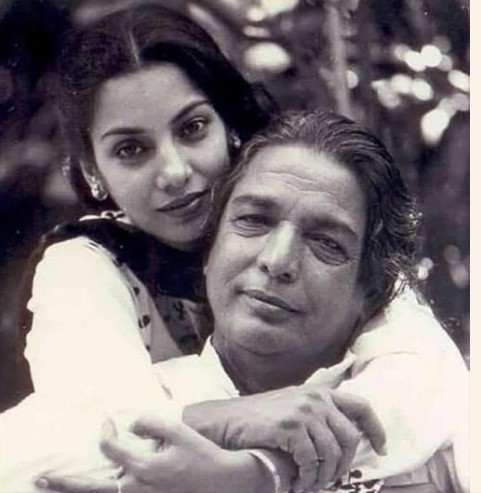
बहरहाल , अच्छी बात यह है कि कैफ़ी आज़मी के विदा होने के बाद भी शबाना आज़मी और उन की मां शौक़त कैफ़ी के गांव मिजवां जाते रहे हैं। बीते 2019 में शबाना आज़मी की मां शौक़त का भी निधन हो गया। तो भी शबाना आज़मी अपने पिता कैफ़ी के गांव को भूली नहीं हैं। अभी दो-तीन महीने पहले कैफ़ी के मिजवां गांव में किसी चैनल की एक रिपोर्ट में शबाना आज़मी आई हुई दिखी थीं। सुना है , वह अकसर पिता के गांव आती रहती हैं और उन की विरासत को , उन के काम को आगे बढ़ाती रहती हैं। यह बहुत अच्छी बात है। बाक़ी कैफ़ी आज़मी की एक ग़ज़ल है :

हाथ आ कर लगा गया कोई

मेरा छप्पर उठा गया कोई

लग गया इक मशीन में मैं भी

शहर में ले के आ गया कोई

मैं खड़ा था कि पीठ पर मेरी

इश्तिहार इक लगा गया कोई

ये सदी धूप को तरसती है

जैसे सूरज को खा गया कोई

ऐसी महँगाई है कि चेहरा भी

बेच के अपना खा गया कोई

अब वो अरमान हैं न वो सपने

सब कबूतर उड़ा गया कोई

वो गए जब से ऐसा लगता है

छोटा मोटा ख़ुदा गया कोई

मेरा बचपन भी साथ ले आया

गाँव से जब भी आ गया कोई

अच्छा है कि शबाना आज़मी कैफ़ी आज़मी का बचपन खोजने मिजवां जाती रहती हैं। मिजवां वेलफेयर सोसाइटी बना कर लड़कियों और महिलाओं को आत्मनिर्भर बनाने के लिए सिलाई-कढ़ाई एवं कंप्यूटर सेंटर स्थापित किया है। और भी कई सारे काम वह करती रहती हैं , मिजवां जा कर। पिता के जलाए दिए को बुझने नहीं दिया है , शबाना आज़मी ने। कैफ़ी आज़मी से मेरी भी दोस्ती थी कभी। इस लिए और भी अच्छा लगता है। एक समय था कि कैफ़ी आज़मी जब भी लखनऊ आते थे तो मुझे फ़ोन कर बताते कि लखनऊ आ गया हूं। फ़ुरसत से आइए। वह अमूमन अमीनाबाद के गुलमर्ग होटल में ठहरते थे। ख़ूब बढ़िया मुगलई मटन-चिकन खिलवाते। बहुत सी बातें और यादें हैं , लखनऊ में कैफ़ी आज़मी के साथ की। पर यह एक वाकया गोरखपुर का भी है।

(साभार)

भाजपा के केंद्रीय नेतृत्व में राजनीतिक सत्ता के केंद्रीकरण के दुष्प्रभाव

bjp.jpg

बक्सर : भेदभावपूर्ण यूजीसी विनियमन 2026 के पीछे का इरादा भाजपा नेतृत्व की बेलगाम शक्ति का एक ऐसा उदाहरण है, जिसके तहत वे जनता और पार्टी के व्यापक हित में परिणामों का आकलन किए बिना मनमाने ढंग से राजनीतिक निर्णय लेते हैं। इतिहास में शायद यह एक अनूठी सरकार है जो अपने उन मूल मतदाताओं के खिलाफ काम कर रही है जिन्होंने उसे सत्ता दी है।

भारतीय जनता पार्टी के भीतर सत्ता के केंद्रीकरण और भारतीय लोकतंत्र पर इसके प्रभाव को लेकर चिंताएं अक्सर कई प्रमुख क्षेत्रों पर केंद्रित होती हैं, जिनमें संस्थागत नियंत्रणों का कमजोर होना और सत्ता का केंद्रीकरण शामिल है। पार्टी के भीतर आंतरिक असहमति को संभालने में बढ़ती अक्षमता की खबरें आ रही हैं, और आलोचक नेतृत्व में “घबराहट” और “अहंकार” का आरोप लगा रहे हैं, खासकर बदलते माहौल के मद्देनजर। आलोचकों का तर्क है कि “सत्तावादी नवउदारवाद” ने ऐसी नीतियों को जन्म दिया है जो बड़े व्यापारिक घरानों के पक्ष में हैं, जिसके परिणामस्वरूप उच्च आय असमानता और अनौपचारिक क्षेत्र का हाशिए पर जाना हुआ है। तथाकथित दलित, वंचित और पिछड़े वर्ग के पक्ष में बयानबाजी में तीव्र वृद्धि हुई है, जो सामान्य वर्ग के खिलाफ “दशक भर के दुष्प्रचार” की ओर इशारा करती है, और यह तुष्टीकरण भाजपा के वोट बैंक के विश्वास और समर्थन को कमजोर कर रहा है।

यूजीसी विनियमन 2026 और एपिस्टीन फाइलों जैसे संकटों से निपटने में सरकार के सुस्त रवैये की आलोचना हो रही है, क्योंकि सरकार कोई ठोस कदम नहीं उठा रही है और नैतिक जिम्मेदारी नहीं निभा रही है। इस संदर्भ में कांग्रेस को नैतिक जिम्मेदारी निभाने के मामले में बेहतर माना जा रहा है, क्योंकि घोटालों और आरोपों के सामने आने पर कई बार कांग्रेस मंत्रियों को इस्तीफा देने के लिए कहा गया था। लोग स्पष्ट कारणों से धर्मेंद्र प्रधान और हरदीप पुरी के इस्तीफे की उम्मीद कर रहे थे, लेकिन सरकार नैतिक जिम्मेदारी निभाने में विफल रही। ये मुद्दे एक ऐसे रुझान को दर्शाते हैं जहां राजनीतिक सत्ता के केंद्रीकरण के परिणामस्वरूप द्वितीय पंक्ति के नेतृत्व की भूमिका कम हो गई है, नैतिक व्यवस्था कमजोर हो गई है और सामाजिक ध्रुवीकरण बढ़ गया है।

कांग्रेस के पास खुश होने के सभी कारण हैं और भाजपा द्वारा अचानक किए गए राजनीतिक दांव-पेच को देखकर उसे राहत मिली है। कांग्रेस अपने कामकाज और शैली में निरंकुश थी और अब भाजपा आगे बढ़ रही है क्योंकि भाजपा का कोई भी नेता उन अन्यायपूर्ण नियमों का विरोध नहीं कर रहा है, जिनमें यह मान लिया गया था कि केवल सामान्य वर्ग के छात्र ही आदतन अपराधी हैं।

रोमन साम्राज्य के अनुभव ने दिखाया कि सत्ता का लंबे समय तक निर्बाध रूप से बने रहना—या यह विश्वास कि किसी राजवंश को योग्यता की परवाह किए बिना शासन करना चाहिए—एक कमजोर व्यवस्था का निर्माण करता है। प्रारंभिक साम्राज्य की “सफलता”, जो एक “अच्छे” सम्राट पर निर्भर थी, उसके पतन का कारण तब बनी जब वह व्यवस्था एक सक्षम नेता पैदा करने में विफल रही, जिससे एक सदी तक पतन, महामारी और आक्रमणों का दौर चला। भारत में वर्तमान सरकार के बने रहने के साथ-साथ इस बात पर भी चर्चा हो रही है कि कैसे केंद्रीय नेतृत्व की बेलगाम शक्ति, अपनी पसंद की विरासत को आगे बढ़ाने के लिए सौम्य राजनेताओं की भर्ती कर रही है।

भाजपा ने अधिक सौम्य राजनेताओं को शामिल किया है जो केंद्र सरकार और भाजपा शासित राज्यों में राजनीतिक मामलों की बागडोर संभाले हुए हैं। ओबीसी के नाम पर तुष्टीकरण की नीति भाजपा को आगे चलकर भारी कीमत चुकानी पड़ेगी। भेदभावपूर्ण यूजीसी विनियमन के पीछे का इरादा भाजपा नेतृत्व की बेलगाम शक्ति का एक ऐसा ही उदाहरण है, जिसके तहत वे जनता और पार्टी के व्यापक हित में परिणामों का आकलन किए बिना मनमाने ढंग से राजनीतिक निर्णय लेते हैं।

भाजपा की तुष्टीकरण नीति के गंभीर राजनीतिक परिणाम होंगे, जिससे आम वर्ग के बीच भाजपा का समर्थन कमज़ोर हो सकता है, खासकर उत्तर प्रदेश में आगामी चुनावों को देखते हुए। अनुसूचित जाति/अनुसूचित जनजाति/अन्य पिछड़ा वर्ग के बीच पार्टी की छवि सुधारने के उद्देश्य से अपनाई गई इस नीति ने एक महत्वपूर्ण मतदाता वर्ग को नाराज़ कर दिया है। ऐसा लगता है कि भाजपा ने आम वर्ग की आबादी के प्रति उदासीनता का रवैया एक सोची-समझी राजनीतिक रणनीति के तहत अपनाया है और कुछ राजनीतिक विश्लेषकों का मानना है कि यह पार्टी के आधार को जानबूझकर कमज़ोर करने की रणनीति है, ताकि सत्ता में आने वाले अगले उत्तराधिकारियों को इस समस्या का सामना करना पड़े।

भारतीय जनता पार्टी (भाजपा) राजनीतिक तुष्टीकरण की अवधारणा को स्पष्ट रूप से खारिज करती है और “सभी के लिए न्याय, किसी का तुष्टीकरण नहीं” की नीति का समर्थन करती है। पार्टी विपक्षी दलों, विशेष रूप से कांग्रेस पर, विभाजनकारी और वोट बैंक की राजनीति में लिप्त होने का आरोप लगाती है और दावा करती है कि भाजपा विकास और राष्ट्रीय एकता पर ध्यान केंद्रित करती है। भाजपा अपनी विचारधारा को “सकारात्मक धर्मनिरपेक्षता” (सर्व धर्म समभाव) और मूल्य आधारित राजनीति के रूप में प्रचारित करती है। इसके विपरीत, भाजपा अनुसूचित जाति, अनुसूचित जनजाति और अन्य पिछड़ा वर्ग को खुश करने में कांग्रेस से कहीं आगे निकल चुकी है। भेदभावपूर्ण यूजीसी विनियमन 2026 इसका प्रमाण है।

भाजपा परंपरागत रूप से धर्म आधारित आरक्षण का विरोध करती रही है, इसे असंवैधानिक और तुष्टीकरण का एक रूप बताती है, और अक्सर अल्पसंख्यकों के लिए धार्मिक पहचान के बजाय आर्थिक, सामाजिक और शैक्षिक विकास पर ध्यान केंद्रित करने की वकालत करती है। हाल के वर्षों में, भाजपा ने मुस्लिम समुदाय के सामाजिक और शैक्षिक रूप से पिछड़े वर्गों, पसमांदा मुसलमानों तक पहुँचने के लिए विशेष प्रयास किए हैं। इस पहल को एक “चुनावी प्रयोग” के रूप में वर्णित किया गया है, जिसका उद्देश्य मौजूदा सरकारी कल्याणकारी योजनाओं को उजागर करके और उनके सामाजिक-आर्थिक उत्थान पर ध्यान केंद्रित करके इस बड़े वर्ग (अनुमानित मुस्लिम आबादी का 70-80%) को पार्टी के साथ जोड़ना है। कई मुस्लिम समुदाय (जातियाँ) केंद्रीय या राज्य ओबीसी सूचियों में शामिल हैं, जिसका अर्थ है कि वे यूजीसी के इस सुरक्षात्मक, समानता-केंद्रित विनियमन के अंतर्गत आते हैं।

POJK Resolution Day – An Unbreakable Resolve for India’s Integrity

2-1-14.jpeg

The Historic Significance of 22 February

Delhi : 22 February holds a special place in India’s history as POJK Resolution Day. On this day in 1994, the Indian Parliament unanimously passed a historic resolution declaring that Jammu and Kashmir is an integral and indivisible part of India—it has been, and it will remain so. The resolution demanded that Pakistan immediately vacate the territories it has illegally occupied and expressed firm determination to oppose any separatist or divisive attempt by all necessary means.

This resolution is not merely a political document; it is a living symbol of the nation’s unity, sovereignty, and territorial integrity. It reminds us that India’s borders are inviolable and no external force can fragment them.

The 1947 Invasion and the Background of Accession

In 1947, immediately after the accession of the princely state of Jammu and Kashmir to India, Pakistani forces launched a large-scale armed invasion in October. Maharaja Hari Singh signed the Instrument of Accession on 26 October, following which the Indian Army liberated key areas including the Srinagar Valley. However, due to the ceasefire resolution of the United Nations Security Council, further military advance was halted. As a result, significant territories such as Mirpur and Poonch in the Jammu division, Muzaffarabad in the Kashmir division, and Gilgit-Baltistan remained under Pakistan’s illegal occupation. This occupation continues to this day and remains the deepest wound on India’s territorial integrity.

Current Classification and Geographical Status of Occupied Territories

Today, these illegally occupied areas are officially classified into three major parts:

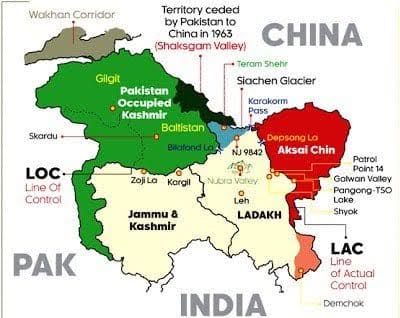
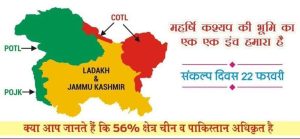
Pakistan Occupied Jammu & Kashmir (POJK) – Primarily the Mirpur and Muzaffarabad regions, with an area of approximately 13,297 sq km.
Pakistan Occupied Ladakh (POTL) – Gilgit-Baltistan region, approximately 67,791 sq km.
China Occupied Ladakh (COTL) – Aksai Chin, Shaksgam Valley, and other parts, totaling 42,735 sq km.
Out of the original 2,22,236 sq km area of the Jammu and Kashmir princely state, nearly 54.4% of the land (about 1,21,000 sq km) remains under illegal control of Pakistan and China. On 31 October 2019, the Government of India released a new official map clearly depicting these territories as integral parts of India—a revolutionary departure from the earlier ambiguous lines. The central government now officially uses the term “Pakistan Occupied Jammu & Kashmir” (POJK), reinforcing the region’s rightful identity.

The Massacres of 1947–48: Atrocities on the Hindu-Sikh Community

During the invasion, the Hindu and Sikh communities in POJK areas faced unprecedented brutality. In the Muzaffarabad massacre, thousands of innocent people were killed and over 1,600 women and girls were abducted. In Mirpur, more than 20,000 Hindus and Sikhs were slaughtered, and thousands of women were sold in markets across Pakistan, Afghanistan, and Arab countries. Similar horrific massacres took place in Baramulla, Kotli, Rajouri, Bhimber, and the Ali Beg Gurudwara camp. In Rajouri, on the day of Diwali, women and children chose jauhar-like sacrifice to avoid falling into enemy hands.

These events displaced millions. Today, more than 12 lakh victims of this tragedy survive-most of them resettled in Jammu, with others scattered across more than 70 cities in the rest of the country. These displaced people are India’s foremost stakeholders, still reliving the pain of partition. Delhi’s Mirpur Balidan Bhawan stands as a living memorial to these tragedies.

Destruction of Cultural Heritage

Sacred sites of faith and culture in POJK were also targeted. Sharada Peeth (seat of the Goddess of Knowledge), Raghunath Temple (Mirpur), Devi Gali (Poonch), Mandhol Sun Temple, and Kirtan Garh Gurudwara (Ali Beg) have been reduced to ruins. These are direct assaults on the roots of Indian civilization and stand as evidence of attempts to erase India’s cultural heritage.Pakistan’s Current Activities and Exploitation in POJK

Today, Pakistan runs terrorist training camps in POJK and openly exploits local resources such as world-famous marble, gold, iron ore, and uranium. Gilgit-Baltistan is treated as a colony where human rights violations are routine—restrictions on protests, abductions, killings, and denial of basic facilities are common. In recent years (2025–2026), political repression, suppression of demonstrations, education crises, and economic weakening have intensified under Pakistan’s policies.

The Message of Resolution Day: The Dream of Akhand Bharat

The resolution of 22 February 1994 is India’s collective resolve against all these injustices. This day reminds us that the dream of complete liberation of Jammu & Kashmir and an undivided India remains unfulfilled. The suffering of POJK displaced persons, the sacrifice of martyrs, and the resolve of Parliament together send a firm message: “Vacate the illegally occupied territories-India will remain indivisible.”

This resolve inspires us that through public awakening and resolute policy, the day will surely come when POJK will be fully integrated into the mainstream of India.

scroll to top