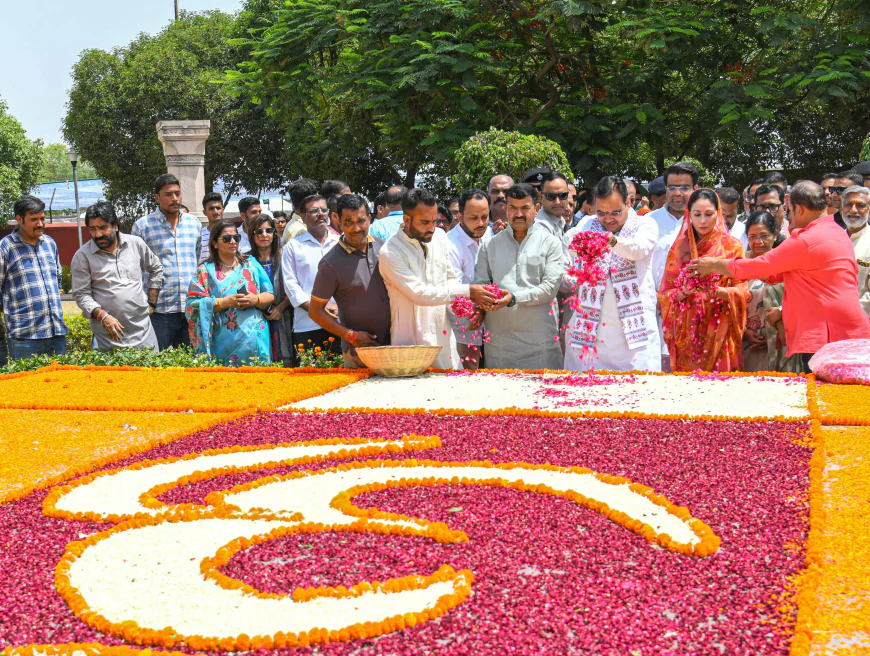
स्व. श्री भैरोंसिंह शेखावत की पुण्यतिथि पर मुख्यमंत्री भजनलाल शर्मा ने पुष्पांजलि अर्पित की

image_870x_6825b25cd4485.webp

जयपुर। मुख्यमंत्री श्री भजनलाल शर्मा गुरुवार सुबह विद्याधर नगर स्थित पूर्व उपराष्ट्रपति स्व. श्री भैरोंसिंह शेखावत के स्मृति स्थल पहुंचे। उन्होंने श्री शेखावत स्मृति स्थल पर पुष्पांजलि अर्पित की।

इस अवसर पर मुख्यमंत्री ने कहा कि पूर्व उपराष्ट्रपति का राजस्थान ही नहीं बल्कि पूरे देश के विकास में अहम योगदान रहा। उन्होंने पं. दीनदयाल उपाध्याय तथा डॉ. बी.आर. अम्बेडकर के मूल्यों के अनुरूप कार्य किए। स्व. शेखावत जी ने गरीब, किसान और पिछड़ा वर्ग के लिए अंत्योदय जैसी महती योजना राजस्थान में लागू की, जो कि बाद में पूरे देश में लागू की गई।

श्री शर्मा ने कहा कि स्व. शेखावत का जीवन हम सबके लिए प्रेरणास्त्रोत है। उन्होंने प्रदेशवासियों से आह्वान किया कि उनकी पुण्यतिथि पर हमें सशक्त और समृद्ध राजस्थान बनाने का दृढ़ संकल्प लेना चाहिए।

इस अवसर पर उपमुख्यमंत्री दिया कुमारी, संसदीय कार्यमंत्री श्री जोगाराम पटेल, सांसद डॉ. मंजू शर्मा सहित बड़ी संख्या में आमजन ने भी स्मृति स्थल पर श्रद्धासुमन अर्पित किए।

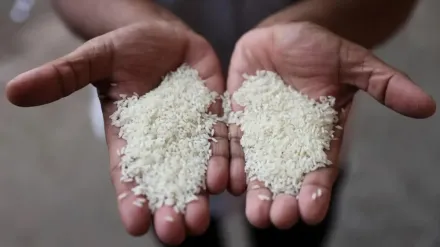
जीनोम संपादित चावल: भारत सरकार की प्राकृतिक खेती योजना के लिए चुनौती

Rice.ruters.jpg.webp

निलेश देसाई

भारत में चावल की जीनोम संपादित (Genome Edited) किस्मों को मंजूरी देने की दिशा में बढ़ते कदम ने कृषि क्षेत्र में एक नई बहस को जन्म दिया है। यह तकनीक फसल सुधार और उत्पादन वृद्धि की संभावनाएं प्रस्तुत करती है, लेकिन भारत सरकार द्वारा संचालित परंपरागत कृषि विकास योजना (प्राकृतिक खेती) के सिद्धांतों के लिए गंभीर चुनौतियां भी खड़ी करती है। यह लेख भारत सरकार की प्राकृतिक खेती योजना के दृष्टिकोण से बीज संप्रभुता, देशी बीजों की शुद्धता, और जैव विविधता जैसे महत्वपूर्ण मुद्दों पर इन चुनौतियों का विश्लेषण करता है।

भारत सरकार की प्राकृतिक खेती योजना

भारत सरकार ने परंपरागत कृषि विकास योजना (PKVY) और अन्य पहलों के माध्यम से प्राकृतिक खेती को बढ़ावा देने के लिए महत्वपूर्ण कदम उठाए हैं। प्राकृतिक खेती रासायनिक उर्वरकों और कीटनाशकों के उपयोग के बिना टिकाऊ और पर्यावरण-अनुकूल कृषि पद्धतियों पर जोर देती है। यह योजना देशी बीजों के उपयोग, मिट्टी के स्वास्थ्य, और जैव विविधता के संरक्षण को प्राथमिकता देती है ताकि किसानों की आत्मनिर्भरता बढ़े और ग्रामीण अर्थव्यवस्था मजबूत हो। देशी बीज, जो स्थानीय जलवायु और मिट्टी के लिए अनुकूलित हैं, इस योजना की रीढ़ हैं, क्योंकि वे रोग प्रतिरोधक क्षमता और पोषण मूल्य प्रदान करते हैं।

जीनोम संपादन: प्राकृतिक खेती के लिए चुनौतियां

जीनोम संपादन तकनीक, जो डीएनए में सटीक परिवर्तन कर फसलों की विशेषताओं को बदलती है, प्राकृतिक खेती योजना के लक्ष्यों के लिए कई स्तरों पर चुनौती पेश करती है:

1. बीज संप्रभुता पर खतरा

प्राकृतिक खेती योजना का एक प्रमुख उद्देश्य किसानों को बीज संप्रभुता प्रदान करना है, जिसके तहत वे अपने बीजों का उत्पादन, संरक्षण, और आदान-प्रदान स्वतंत्र रूप से कर सकें। हालांकि, जीनोम संपादित बीजों का विकास और व्यावसायीकरण अक्सर बड़ी कृषि जैव प्रौद्योगिकी कंपनियों द्वारा नियंत्रित होता है, जो इन बीजों पर बौद्धिक संपदा अधिकार (IPR) जैसे पेटेंट लागू करती हैं। इससे किसानों को हर फसल चक्र के लिए नए बीज खरीदने पड़ सकते हैं, जो उनकी स्वायत्तता को कमजोर करता है।
प्राकृतिक खेती योजना के तहत सरकार द्वारा समर्थित बीज संरक्षण और सामुदायिक बीज बैंकों के प्रयास इस व्यावसायिक मॉडल के सामने कमजोर पड़ सकते हैं। जीनोम संपादित बीजों पर निर्भरता न केवल किसानों की लागत बढ़ाती है, बल्कि उन्हें बाजार की ताकतों के प्रति अधिक संवेदनशील बनाती है, जो प्राकृतिक खेती के आत्मनिर्भरता के सिद्धांत के विपरीत है।

2. देशी बीजों की शुद्धता पर संकट

जीनोम संपादित चावल की खेती से देशी चावल की किस्मों में आनुवंशिक प्रदूषण का खतरा बढ़ जाता है। परागण के माध्यम से, संपादित बीजों के जीन अनजाने में पड़ोसी खेतों की देशी किस्मों में स्थानांतरित हो सकते हैं। यह देशी बीजों की आनुवंशिक शुद्धता को खतरे में डालता है, जो प्राकृतिक खेती योजना के लिए महत्वपूर्ण है।

प्राकृतिक खेती में बीजों की शुद्धता मिट्टी के सूक्ष्मजीवों और अन्य जैविक घटकों के साथ उनके जटिल अंतःक्रिया को बनाए रखने के लिए आवश्यक है। यदि देशी बीजों की आनुवंशिक संरचना बदलती है, तो यह प्राकृतिक खेती के पारिस्थितिकी तंत्र को बाधित कर सकता है। इसके अलावा, प्राकृतिक खेती योजना के तहत जैविक प्रमाणीकरण के लिए गैर-जीएमओ स्थिति अनिवार्य है, और जीन प्रवाह इस प्रमाणीकरण को खतरे में डाल सकता है, जिससे जैविक उत्पादों का बाजार प्रभावित हो सकता है।

3. जैव विविधता का नुकसान

भारत चावल की समृद्ध जैव विविधता का केंद्र है, जिसमें हजारों देशी किस्में शामिल हैं जो विभिन्न कृषि-जलवायु क्षेत्रों के लिए अनुकूलित हैं। प्राकृतिक खेती योजना इन किस्मों के संरक्षण और उपयोग को प्रोत्साहित करती है ताकि कृषि पारिस्थितिकी तंत्र लचीला और टिकाऊ बना रहे। हालांकि, यदि जीनोम संपादित उच्च उपज वाली किस्में व्यापक रूप से अपनाई जाती हैं, तो किसान इन व्यावसायिक बीजों की ओर आकर्षित हो सकते हैं, जिससे देशी किस्मों की खेती कम हो सकती है।

जैव विविधता का नुकसान फसलों को बीमारियों, कीटों, और जलवायु परिवर्तन के प्रति अधिक संवेदनशील बनाता है, जो प्राकृतिक खेती योजना के दीर्घकालिक लक्ष्यों को कमजोर करता है। योजना के तहत जैव विविधता को बढ़ावा देना मिट्टी के स्वास्थ्य, कीट नियंत्रण, और पारिस्थितिकी तंत्र के संतुलन के लिए आवश्यक है, और देशी बीज इस जैव विविधता का आधार हैं।

निष्कर्ष

चावल की जीनोम संपादित किस्में खाद्य सुरक्षा और फसल सुधार के लिए नई संभावनाएं खोलती हैं, लेकिन ये भारत सरकार की प्राकृतिक खेती योजना के सिद्धांतों के साथ गहरे विरोधाभास में हैं। बीज संप्रभुता का क्षरण, देशी बीजों की आनुवंशिक शुद्धता पर खतरा, और जैव विविधता का नुकसान ऐसे गंभीर मुद्दे हैं जिन पर नीति निर्माताओं, वैज्ञानिकों, और किसानों को मिलकर विचार करना होगा।
प्राकृतिक खेती योजना के लक्ष्यों को प्राप्त करने के लिए ऐसी नीतियां आवश्यक हैं जो उत्पादन वृद्धि के साथ-साथ किसानों की स्वायत्तता, देशी बीजों के संरक्षण, और जैव विविधता की सुरक्षा को प्राथमिकता दें। जीनोम संपादन जैसी तकनीकों का मूल्यांकन सावधानीपूर्वक और समग्र दृष्टिकोण के साथ किया जाना चाहिए, जिसमें प्राकृतिक खेती के महत्व और भारत की समृद्ध कृषि विरासत को प्राथमिकता दी जाए। एक टिकाऊ और समावेशी कृषि भविष्य के लिए हमें नवाचार और स्थिरता के बीच संतुलन बनाना होगा, ताकि किसान सशक्त हों और हमारी कृषि परंपराएं सुरक्षित रहें।

Nehru’s Historic Misjudgment and Modi’s Strategic Correction: Why Ending the Indus Waters Treaty Is Long Overdue

Screenshot-2025-05-17-at-6.25.35 PM.png

The history of independent India is filled with moments of idealism — some inspiring, others costly. Among the most consequential of these was Prime Minister Jawaharlal Nehru’s decision in 1960 to sign the Indus Waters Treaty with Pakistan. It was hailed at the time as a diplomatic achievement, but in hindsight, it stands as one of the gravest strategic compromises India ever made — a decision that surrendered water, sovereignty, and leverage, all at once.

The Indus Waters Treaty handed over full control of three major rivers — Indus, Jhelum, and Chenab — to Pakistan, even though all three originate in India (Article II). Worse still, India agreed to pay over £62 million (British Pound) to Pakistan to help it construct the dams, canals, and infrastructure needed to utilize those rivers (Article V(1)). This was not a peace treaty signed after war, nor was it demanded by a victorious adversary. It was a voluntary act of submission, driven by Nehru’s desire to be seen as a statesman of peace rather than a guardian of India’s long-term interests.

That a newly independent India, still reeling from Partition and refugee crises, chose to financially and hydrologically empower a country that had just invaded Kashmir in 1947, is baffling. It was not a peace treaty — it was a one-sided surrender disguised as diplomacy. In Nehru’s own words, it was done “in the interest of peace.” But what peace has Pakistan ever honored?

Since 1960, India has received nothing in return for its generosity. Instead, it has been met with three full-scale wars, the Kargil intrusion, decades of cross-border terrorism, and ongoing attempts to internationalize Kashmir. And yet, India faithfully upheld its side of the Treaty — even when Pakistan continued to bleed India by a thousand cuts.

The recent terror attack in Pahalgam may have served as the immediate trigger for India’s decision to withdraw from the treaty, but it must be clearly stated: the treaty was historically indefensible from the very beginning. Its flaw was not just in how Pakistan exploited it, but in how India, under Nehru’s leadership, willingly signed away a strategic resource without securing either parity or peace.

One of the treaty’s most shocking features is that it contains no exit or termination clause. This was likely inserted to ensure that India could never unilaterally assert itself. But here lies the irony: the absence of an exit clause does not bind India — it frees it. No sovereign democracy can be permanently enslaved to an agreement that restricts its development, rewards a hostile actor, and offers no mechanism for withdrawal, even in the face of repeated betrayal. Modern international law recognizes the right of nations to withdraw from such agreements under principles like material breach and fundamental change of circumstances.

In the wake of the recent terror attack in Pahalgam, the Modi government’s decision to pull out of the Indus Waters Treaty is not just a reaction — it is a historic correction. It marks the first time India has confronted Pakistan not just on the border or diplomatically, but through the very system that once rewarded Pakistan for its aggression. This is a moment of strategic clarity and constitutional courage. It sends a clear signal: India will no longer fund its enemies, empower their economy, or abide by colonial-era frameworks designed to restrict its future.

India’s exit sets a powerful precedent not just regionally, but globally. No international order can demand that peace-loving nations remain tied to treaties that are routinely dishonored in spirit by the other party. This is not abandonment of responsibility; it is assertion of rights. Just as India revoked Article 370 despite decades of political inertia, it has now begun the process of reclaiming its rivers, its leverage, and its pride.

History will remember Jawaharlal Nehru’s blunder — not merely for what it gave away, but for what it failed to anticipate. The Indus Waters Treaty was less about diplomacy and more about denial — denial of the realities of a hostile neighbor, and denial of India’s long-term strategic needs.
But history will also remember Narendra Modi’s correction — an act not of revenge, but of rebalancing. A nation that has stayed patient for 65 years is finally telling the world: our waters are not free, and our silence is not permanent.

In walking out of the Indus Waters Treaty, India has walked into a new era — where sovereignty is not sacrificed for symbolism, and where peace is no longer paid for with weakness.

IFFCO Joins Hand With Foundation for Development of Rural Value Chains (FDRVC) to Empower FPOs with Next-Generation Nano Fertilisers and Sustainable Agri-Inputs.

3-18.jpeg

Delhi: A Joint initiative of the Ministry of Rural Development set up as a not-for-profit company to support the promotion of professionally managed and producer-owned collective enterprises(PE)

· IFFCO will supply innovative Nano Fertilisers, Bio-stimulants, Specialty Fertilisers, and organic inputs such as Bio-fertilisers and Bio-decomposers to FPOs associated with FDRVC.

· It will Impact more than 800 FPOs and 10 lakh farmers across the country.

*New Delhi, 15th May; 2025:* World’s Largest Processed Fertiliser Cooperative, Indian Farmers Fertiliser Cooperative Limited (IFFCO), a global leader in manufacturing and marketing of Agri-Inputs has entered into a strategic Memorandum of Understanding (MoU) with the Foundation for Development of Rural Value Chains (FDRVC), a joint initiative of the Ministry of Rural Development set up as a not-for-profit company to support the promotion of professionally managed and producer-owned collective enterprises(PE). This partnership aims to empower Farmer Producer Organizations (FPOs) across India by enhancing access to innovative, sustainable, and high-quality agricultural inputs. It will Impact more than 800 FPOs and 10 lakh farmers across the country.

The MoU was officially signed by Shri Yogendra Kumar, Marketing Director, IFFCO, and Shri Bipin Bihari, CEO, FDRVC.

As part of the collaboration, IFFCO will supply innovative Nano Fertilisers, Bio-stimulants, Specialty Fertilisers, and organic inputs such as Bio-fertilisers and Bio-decomposers to FPOs associated with FDRVC. This initiative will not only improve agricultural productivity and profitability but also support the government’s mission of promoting sustainable and climate-smart agriculture through collective farming.

Shri Yogendra Kumar said that IFFCO is committed to the farmers in the country and continuously revolutionising Indian agriculture through advanced technologies and farmer-centric solutions. This MoU will extend the reach of IFFCO’s Nano Fertilisers and Specialty Products to the remotest parts of country, ensuring the reach of world-class agri-inputs at affordable prices through the local FPOs to small farmers.

FDRVC, with its expansive network of FPOs across diverse geographies, will facilitate last-mile outreach, farmer education, and promotion of these inputs through community-led mechanisms. The partnership will also help build institutional capacities of FPOs and equip them to become self-sustaining rural enterprises.

This collaboration is a significant step forward in driving inclusive growth in India’s agri-sector by fostering innovation, improving input accessibility, and promoting resilience among small and marginal farmers.

scroll to top