New Year festivity begins in India, Bangladesh, Myanmar, Thailand

IMG-20250416-WA0037.jpg.webp

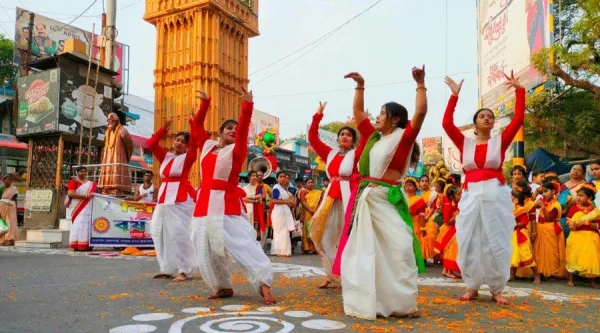
Guwahati: New Year festivity grips  Bangladesh, many parts of Bharat, Myanmar and other southeast Asian nations since the middle of  April in the Gregorian calendar, where the inhabitants celebrate the first day with traditional rituals, colourful events and marry-making  activities.  The people of Bangladesh celebrate New Year 1432 with a joyous Pohela Boishakh (first day of  Nababarsha that falls on 14 April). The Muslim majority south Asian nation hosts a series of  colourful processions, where the participants in traditional  attires adore music and visual artifacts to march on the streets, and other events greeting every dweller with good wishes. As usual a traditional procession (renamed  as Barshabaran Ananda Shobhajatra) came out from the campus of Dhaka University in the capital city of Dhaka on the occasion of Nababarsha. It was followed by a number of cultural programs organized at Bangladesh Shilpakala Academy, Bangla Academy, Bangladesh Folk Art & Crafts Foundation premises and several other public places across the country.

Even though Bangladesh has standardized  14 April as the first day of Bengali Nababarsha, the people of West Bengal (and many other parts of Bharat) observe the day (Poila Boishakh) mostly on the next day. The Assamese people observed seven-day Bohag (Rongali) Bihu to welcome the same new year 1432 (first day of Assamese new year falling on 15 April) following the Bhaskarabda era calendar). The era reflects the date of ascension of Bhaskara Barman, the seventh-century ruler of the giant Kamrup kingdom. The State government recognized Bhaskarabda (a lunisolar chart)  along with Saka and English calendars.

President Droupadi Murmu and  Prime Minister Narendra Modi greeted the people on the occasion of Bohag Bihu, Vaisakhi, Vishu, Poila Boishakh, Meshadi, Vaishakhadi and Puthandu Pirapu. Assam Governor Lakshman Prasad Acharya and State chief minister Himanta Biswa Sarma also wished the people on Goru Bihu that symbolises the importance of farming in the life of the people of the State. “Today, Assam observes one of its most sacred and meaningful traditions — Goru Bihu, the first and most spiritually significant day of the Rongali Bihu celebrations. This day is dedicated to the worship of the cow (Gomata), who holds a divine place in Sanatan Hindu Dharma as the eternal nurturer, a symbol of motherhood, sustenance, and purity,” said Guv Acharya.

India’s another neighbour Myanmar celebrates its five-day new year Thingyan festival from 13 April, where 17 April marks the beginning of new year 1386 in the Arakanese (Rakhine) calendar. The festival witnesses water-splashing rituals among young men and women as well as community distribution of  flowers with fragrance and  illumination of pagodas and monasteries across the Buddhist majority nation. However, the civil war and disaster-torn Myanmar has celebrated the festival with melancholy this time while paying respect to all the victims of circumstances. The people of Thailand celebrate Songkran to welcome Buddhist calendar year 2568. Also known as  Thai Water Festival , always falls on 13 to 15 April,  the festival has legends connecting Hindu God Indra, who is believed to come to earth for  bathing Lord Buddha during the period.  Similar vibrant festivals are organized in Laos, Cambodia and some areas of China.

On the eve of Nababarsha, Professor Muhammad Yunus, chief adviser to the interim government in Dhaka, called upon countrymen to work together for creating a discrimination-free Bangladesh, where every citizen remains  happy, peaceful and progressive. The lone Nobel laureate of Bangladesh, Prof Yunus sent a video message wishing everyone a joyous Pohela Boishakh and commented that the festival remains a day of harmony and great reunion. It helps the entire nation, irrespective of their religions, castes or creeds, to revitalize with a new spirit and commitment. Despite differences in beliefs and customs, the Hindus, Muslims, Buddhists, Christians, and the various communities living on the mountains, valleys and plans of Bangladesh are all part of one family, stated the octogenarian gentleman asserting that all citizens are united by a rich diversity of language, culture, and traditions.

भारतीय के संविधान 75 साल, जारी है संस्थापकों के दृष्टिकोण और मूल्यों का प्रतिनिधित्व

3-6-1.jpeg

शौनक मुखर्जी

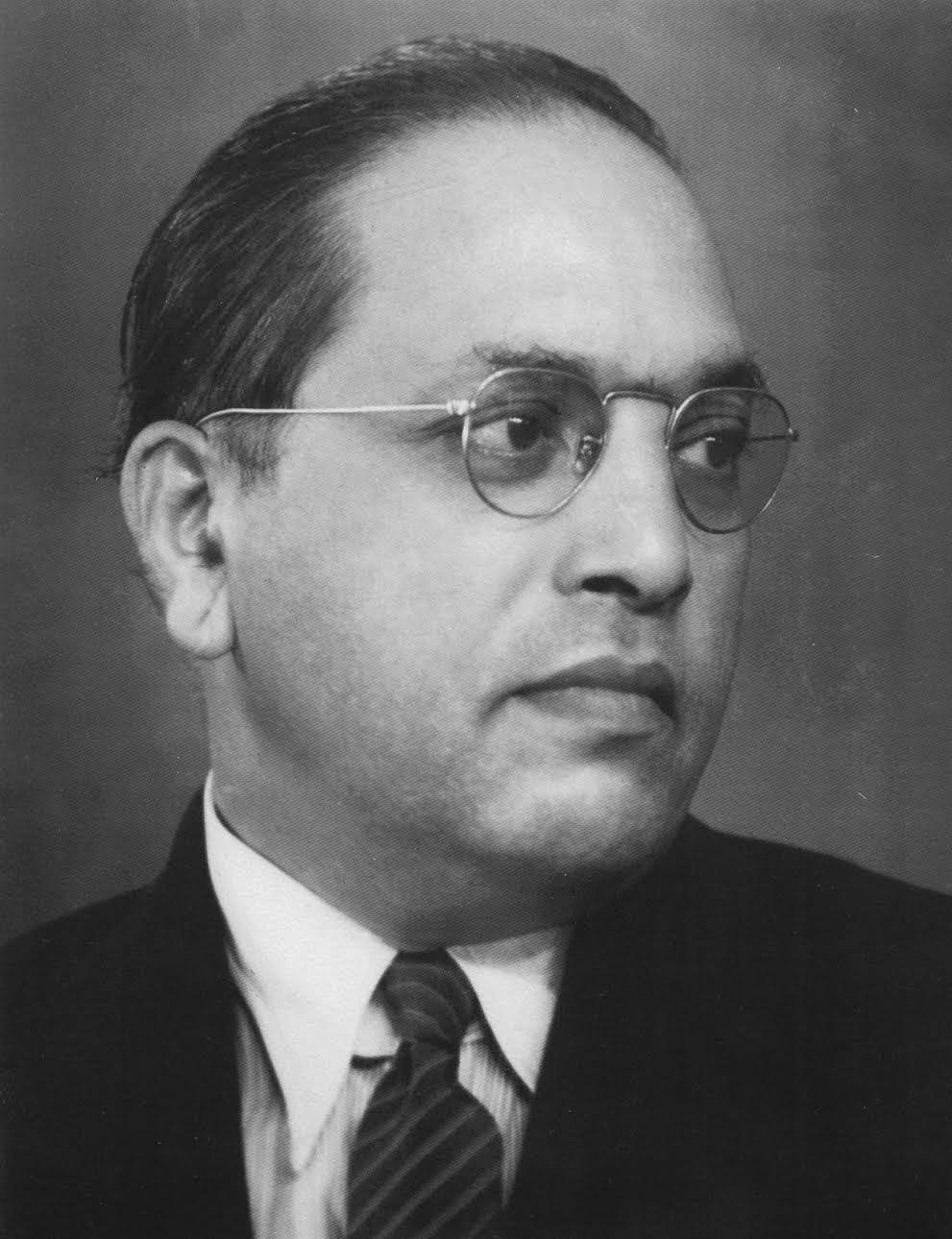
चेन्नई : आज जब हम भारतीय विधिवेत्ता, समाज सुधारक, अर्थशास्त्री और राजनीतिक नेता डॉ. बी.आर. अंबेडकर की 134वीं जयंती मना रहे हैं, तो हमारे लिए भारत जैसे नए स्वतंत्र देश के निर्माण में उनके द्वारा किए गए योगदान को फिर से याद करना बहुत ज़रूरी है। एक विद्वान होने के नाते, डॉ. अंबेडकर को उन मुद्दों में गहरी दिलचस्पी थी जो देश की प्रगति में बाधा डाल रहे थे। हम उन्हें 1947 में गठित संविधान सभा की मसौदा समिति के अध्यक्ष के रूप में आसानी से पहचान सकते हैं, जिसका लक्ष्य संविधान का अंतिम मसौदा प्रस्तुत करना था। 29 अगस्त, 1947 को अपनी स्थापना के बाद से, मसौदा समिति ने भारत के संविधान का मसौदा तैयार करने में महत्वपूर्ण भूमिका निभाई।

भारत के लोगों द्वारा बनाया गया और खुद को दिया गया पहला संविधान 26 नवंबर 1949 को संविधान सभा द्वारा अपनाया गया था। 26 जनवरी, 1950 को इसका पूर्ण संचालन शुरू हुआ। यह एक ऐसा अवसर था जिसके दौरान हमारे देश ने उन सरकारी संरचनाओं के लिए मूलभूत ढाँचा स्थापित किया जो हमें नियंत्रित करेंगे। इसने राज्य के तीन मुख्य अंगों का निर्माण किया: विधायिका, कार्यपालिका और न्यायपालिका। यह उनकी क्षमताओं को निर्दिष्ट करता है, उनकी ज़िम्मेदारियों को रेखांकित करता है, और एक दूसरे के साथ और जनता के साथ उनके संबंधों को नियंत्रित करता है। इसकी खूबियों के बावजूद, कई लोग इस मानसिकता के हैं कि संविधान एक अप्रासंगिक दस्तावेज़ है जिसे केवल इसकी बौद्धिक सामग्री के लिए सराहा जाना चाहिए और यह नागरिकों को कवितापूर्ण सामान्य बातों और भव्यता के वाक्यांशों के अलावा कुछ भी नहीं देता है।

इस संदर्भ में, कई जाने-माने राजनीतिक प्रबंधन विशेषज्ञों ने कड़ी आपत्ति जताते हुए दावा किया कि किसी देश के संविधान को सिर्फ़ एक निष्क्रिय दस्तावेज़ के रूप में देखना गलत है। ऐसा इसलिए है क्योंकि संविधान सिर्फ़ शब्दों से कहीं ज़्यादा होता है। संविधान एक जीवित इकाई है जो कार्यात्मक संस्थाओं से बना होता है। यह हमेशा विस्तार और विकास कर रहा होता है। हर संविधान को अर्थ और विषय-वस्तु सिर्फ़ इस बात से मिलती है कि इसे किस तरह और किन लोगों द्वारा संचालित किया जाता है, इसे कैसे संचालित किया जाता है, इसके प्रभाव, देश की अदालतों द्वारा इसकी व्याख्या कैसे की जाती है, और इसके काम करने की वास्तविक प्रक्रिया में इसके इर्द-गिर्द विकसित होने वाली परंपराएँ और प्रथाएँ – ‘चाहे वह वैचारिक “वादों” का एक अमूर्त टुकड़ा हो या देश की प्रगति/विकास का रोडमैप बनाने वाला एक स्पंदित दस्तावेज़, एक संविधान निश्चित है।’

यह अन्य स्थापित राष्ट्रों या राज्य संविधानों से प्रभावित था। इसमें एकात्मक संघीय प्रारूप का एक सुंदर मिश्रण है – देश का विशाल आकार और धर्म, भाषा, क्षेत्र, संस्कृति आदि के कारण होने वाली असंख्य विविधताएँ। आयरिश संविधान में विभिन्न नीतिगत ढाँचे हैं जिन्हें राज्य समाज के लाभ के लिए लागू कर सकता है। इसे ‘राज्य नीति के निर्देशक सिद्धांत’ के रूप में जाना जाता है, जिसके तहत राज्य सामाजिक-आर्थिक लाभ प्राप्त करने के लिए कानून बना सकता है। हालाँकि, इन मार्गदर्शक सिद्धांतों को कानून द्वारा लागू नहीं किया जा सकता है; वे केवल राष्ट्र के प्रशासन में सरकार का मार्गदर्शन करने का काम करते हैं। एक सिद्धांतकार के अनुसार, ‘वे राज्य के सामने संस्थापक पिताओं द्वारा रखे गए आदर्शों की प्रकृति में हैं, और राज्य के सभी अंगों को उन्हें प्राप्त करने के लिए काम करना चाहिए।’

इस संबंध में डॉ. बी.आर. अंबेडकर के राज्य नीति के निर्देशक सिद्धांत, जो संविधान के चौथे भाग में दिखाई देते हैं, एक महत्वपूर्ण योगदान थे। वे विशिष्ट और दिलचस्प हैं क्योंकि वे संविधान के संस्थापकों की आशाओं और आकांक्षाओं को दर्शाते हैं। कहा गया कि ये खंड किसी भी अदालत में लागू करने योग्य नहीं हैं, लेकिन वे देश की सरकार के लिए महत्वपूर्ण हैं, और कानून बनाते समय इन सिद्धांतों को लागू करना राज्य की जिम्मेदारी है।

डॉ. भीमराव रामजी अंबेडकर के अनुसार, निर्देशक सिद्धांत केवल निर्देशों के साधनों का दूसरा नाम है। वे विधायिका और कार्यपालिका के लिए निर्देश हैं। सत्ता में बैठे किसी भी व्यक्ति को उनका सम्मान करना चाहिए।

हमारा संविधान सबसे लंबा है। यह इसलिए लंबा है क्योंकि यह अत्यंत व्यापक है और इसमें राष्ट्र के शासन के लिए उपयुक्त विस्तृत विषय शामिल हैं। ऐसा इसलिए है क्योंकि संविधान के प्रारूपकार नहीं चाहते थे कि कुछ मामले विवाद और चर्चा के विषय बनें। शासन से संबंधित अधिकांश चीजों को स्पष्ट और पारदर्शी बनाने की आवश्यकता ने भारतीय संविधान को संपूर्ण बना दिया है। भारतीय स्थिति के आकार, जटिलताओं और विविधताओं ने देश के कुछ क्षेत्रों या वर्गों के देश के लिए कई विशेष, अस्थायी, संक्रमणकालीन और विविध प्रावधानों की भी आवश्यकता जताई।

डॉ. अंबेडकर ने हमेशा विनम्रता बनाए रखी, जब उन्हें उनके असाधारण और अद्वितीय श्रम के लिए सराहा गया। उन्होंने अक्सर कहा कि भारत को स्वतंत्रता मिलने से सदियों पहले संसद या संसदीय प्रक्रियाओं के बारे में पता था। बौद्ध भिक्षु संघों के एक अध्ययन से पता चला है कि न केवल संसदें अस्तित्व में थीं, बल्कि संघ आधुनिक समय में ज्ञात संसदीय प्रक्रिया के सभी मानदंडों से अच्छी तरह वाकिफ थे और उनका पालन करते थे। उनके पास बैठने की व्यवस्था, प्रस्ताव, संकल्प, कोरम, मतगणना और मतपत्र मतदान के अलावा अन्य चीजों के लिए नियम थे। ऐसा कहा जाता है कि, जबकि बुद्ध ने संसदीय प्रक्रिया के उपर्युक्त सिद्धांतों को संघ की बैठकों में अपनाया, उन्होंने ऐसा उस समय देश की राजनीतिक विधानसभाओं के नियमों से उधार लेकर किया।

निष्कर्ष रूप में, अपनी स्थापना के 75 वर्ष बाद भी, भारतीय संविधान अपने संस्थापकों के दृष्टिकोण और आदर्शों को मूर्त रूप दे रहा है, क्योंकि यह लोगों के सामाजिक, राजनीतिक और आर्थिक चरित्र, धर्म और महत्वाकांक्षाओं पर आधारित है।

बिना किसी फैक्ट चेक के चलता है, मीडिया वेबसाइट का ‘झूठ का कारोबार’

3-12.jpeg

कवि चौ. मदन मोहन समर

यह कैसा दौर आ गया है आज इस जमाने में।
शर्म नहीं आती लाशों पर भी लाइक कमाने में।

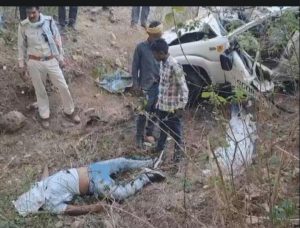
जबलपुर : यह घटना इस तरह की नहीं है जैसी टीआरपी के लिए घटिया मजाक के रूप में परोसी जा रही है। ताज्जुब है इतनी भीषण दुर्घटना पर लोग क्या मजाक कर रहे हैं। असल में एक परिवार के छह लोग अच्छी फसल की मन्नत के लिए जबलपुर के ग्रामीण क्षेत्र भेड़ाघाट थाने के चारगांव से नरसिंहपुर जिले के दूल्हादेव मंदिर दर्शन को गए थे। मंदिर पहुंचकर उन्होंने परम्परा अनुसार प्रतीकात्मक बलि के रूप में कोई फल या पेठा काटा जाता है जो उन्होंने भी काटा था। प्रसाद बनाया और गांव में वही प्रसाद वितरित करने हेतु रखा था। साथ में एक बकरा था जिसे मारा नहीं गया था। ऐसा होता है जब स्थानीय मान्यता के अनुसार पशु को अर्पित कर जीवित छोड़ देते हैं।

वे मंदिर से लौट रहे थे लेकिन बीच में यह हृदय विदारक घटना हो गई जिसमें परिवार के चार सदस्य असमय काल कवलित हो गए। लेकिन मजाक बनाने वालों की बदतमीजी देखिए कि वे प्रसारित कर रहे हैं, ”बकरा लेकर बलि देने जा रहे थे घटना में चार मरे बकरा बचा।”

यह घटना ऐसी है कि पत्थर दिल व्यक्ति भी आंसू नहीं रोक सकता। लेकिन हमारे समाज को न जाने क्या हो गया है कि संवेदना नाम की चीज बची ही नहीं है। इस घटना पर कपोलकल्पित इस तरह की बात से उस परिवार पर क्या बीत रही होगी? इसका शायद अंदाज नहीं है इन गंदे दिमाग के क्रिएटर के पास। देखिए दुर्घटना की फोटो भी कैसे क्रिएट की गई है? क्या किसी दुर्घटना का दृश्य ऐसा हो सकता है? मैं साथ में इस दुर्घटना के वास्तविक फोटो शेयर कर रहा हूं। आश्चर्य तो यह है कि कोई न्यूज चैनल इसे गलत तरीके से पेश कर रहा है। चार मौतों पर ऐसी प्रतिक्रिया तो नहीं की जा सकती।

UNESCO-Backed CIFEJ Elects Indian Filmmaker Jitendra Mishra as President

3-3-2.jpeg

New Delhi: Acclaimed Indian filmmaker Jitendra Mishra has been elected President of the UNESCO-backed International Centre of Films for Children and Young People (CIFEJ) for the 2025–2027 term. Jitendra’s unanimous, unopposed victory marks a rare and significant endorsement from over 50 active members across 40 countries.

Jitendra has also been the Festival Director of the Smile International Film Festival for Children and Youth (SIFFCY), an initiative of Smile Foundation. SIFFCY promotes the use of meaningful cinema to engage, educate, and inspire young audiences. It focuses on using film as a tool for awareness and social impact.

Established in 1955 under the auspices of UNESCO, CIFEJ is a global organization dedicated to promoting culturally relevant, educational content for children and youth. Jitendra’s re-election reflects his continued efforts to build a stronger global platform for youth-focused cinema. Initially established in Brussels, Belgium, the organization is now headquartered in Athens, Greece, hosted by the Hellenic Film and Audiovisual Centre – Creative Greece S.A., under Creative Hub GR.

The elected board members under Jitendra’s leadership include Ms. Pamela Bisson (Canada), Mr. Doros Demetriou (Cyprus), Mr. Huang Jun (China), Mr. Anis Lassoued (Tunisia), Ms. Emma Pendiuc (Romania), Ms. Elham Shrivani (Iran), and Mr. Mitsuo Tahira (Japan). Additionally, Mr. Vassilis Karamitsanis from Greece has been nominated as Secretary General, while Ms. Irene Andriopoulou, also from Greece, will serve as Executive Director.

Mr. Santanu Mishra, Chairman of SIFFCY, Producer of I Am Kalam, and Co-Founder of Smile Foundation said, “I believe that audio-visual medium, especially good cinema, has the power to stimulate discussion and contemplation in young minds about personal, emotional, societal and moral duties. Thus, it can enable young global citizens to become better, stronger and empathetic individuals. Our support and good wishes are there for CIFEJ to help bring positive societal change that begins with the young minds.”

Secretary General of CIFEJ, Mr. Vassilis Karamitsanis from Greece added, “We aspire for the transfer of the CIFEJ headquarters in Athens, through EKOME, to mark the beginning of a new era for the organization and to strengthen high-quality children’s audio-visual content in Greece as well. The new CIFEJ President and Board do hold great credentials to this direction.”

Jitendra Mishra, said, “I am deeply honoured and grateful for the trust and support of my fellow members at CIFEJ. This unanimous success is not just a personal achievement but a testament to our shared vision of empowering young minds through meaningful cinema. I am also sincerely thankful to the management of Smile Foundation for their unwavering support and commitment towards this. Together, we will continue to champion films and related activities that inspire, educate, and celebrate cultural diversity for children and youth worldwide”.

scroll to top