अनंत सोनी
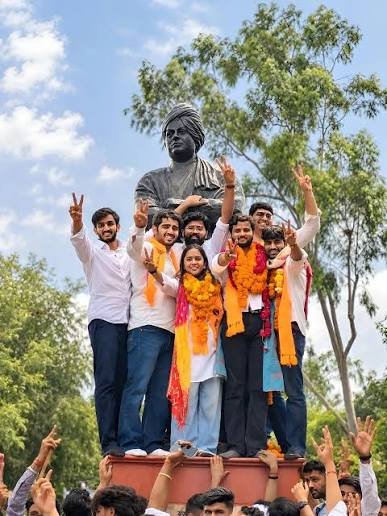
दिल्ली । दिल्ली विश्वविद्यालय छात्रसंघ चुनाव के परिणाम केवल एक विश्वविद्यालय के चुनावी नतीजे नहीं हैं, बल्कि वे देश के युवाओं की सोच, उनकी प्राथमिकताओं और छात्र राजनीति के प्रति उनके दृष्टिकोण को भी अभिव्यक्त करते हैं। वास्तव में ये जीत राष्ट्रीयता के मंत्र की जीत है। ये जीत भारत के मूल विचार की जीत है। ये विभाजन के विरुद्ध सृजन की जीत है। ये जीत दिल्ली विश्वविद्यालय छात्रसंघ में विजय प्राप्त करने वाले अध्यक्ष पद के प्रत्याशी यश दबास, सचिव पद की प्रत्याशी रिया छाबड़ा, सह सचिव तथा समस्त अखिल भारतीय विद्यार्थी परिषद के कार्यकर्ताओं की विजय।
पिछले कुछ समय से यह चर्चा लगातार चल रही थी कि युवाओं की सोच बदल रही है? तथाकथित “Gen Z” के नाम पर अनेक मंचों पर यह दावा किया जा रहा था कि नई पीढ़ी राष्ट्रीय विचारों और सकारात्मक छात्र राजनीति से दूर हो रही है। विभिन्न नकारात्मक आंदोलनों और सार्वजनिक विमर्शों के माध्यम से भी ऐसा वातावरण बनाने का प्रयास किया गया कि देश का युवा एक अलग वैचारिक दिशा में आगे बढ़ रहा है। किंतु दिल्ली विश्वविद्यालय के चुनाव परिणामों ने इन धारणाओं को ध्वस्त कर दिया है।
राष्ट्रीयता का शंखनाद हुआ है। टुकड़े-टुकड़े गैंग घुटनों पर आया है।
दरअसल, दिल्ली विश्वविद्यालय के विद्यार्थियों ने अपने मत के माध्यम से स्पष्ट संदेश दिया है कि वे केवल नारों और प्रचार से प्रभावित नहीं होते, बल्कि संगठन के कार्य, उसकी कार्यपद्धति और छात्र हित में किए गए प्रयासों के आधार पर निर्णय लेते हैं। विद्यार्थी परिषद ने वर्षों से छात्र समस्याओं के समाधान, शैक्षणिक सुधार, राष्ट्र निर्माण और सकारात्मक छात्र नेतृत्व के विकास के लिए जो कार्य किया है। अभाविप की इसी निष्ठा पर विद्यार्थियों ने एक बार फिर अपना विश्वास व्यक्त किया है।
युवाओं का यह विश्वास किसी एक चुनावी अभियान का परिणाम नहीं है। विद्यार्थियों को भली-भांति ज्ञात है कि – अखिल भारतीय विद्यार्थी परिषद केवल चुनाव के समय परिसर में दिखाई देने वाला संगठन नहीं है। बल्कि वर्ष के 365 दिन छात्र हितों और समाज जीवन के विभिन्न विषयों पर सक्रिय रहने वाला छात्र संगठन है। विद्यार्थी परिषद अपने विविध आयामों और गतिविधियों के माध्यम से विद्यार्थियों के बीच निरंतर कार्य करती है।
विद्यार्थी परिषद का स्टूडेंट्स फॉर डेवलपमेंट (SFD) आयाम जल, जंगल, जमीन, जन और पर्यावरण संरक्षण जैसे विषयों पर कार्य करता है। स्टूडेंट्स फॉर सेवा (SFS) समाज के वंचित और जरूरतमंद वर्गों तक सेवा गतिविधियों को पहुंचाने का कार्य करता है। कला मंच कला, साहित्य और सांस्कृतिक क्षेत्र से जुड़े विद्यार्थियों को मंच प्रदान करता है, जबकि खेलो भारत के माध्यम से खेल प्रतिभाओं को प्रोत्साहित करने और खेल संस्कृति को बढ़ावा देने का प्रयास किया जाता है।
इसके साथ ही विद्यार्थी परिषद केवल गतिविधियों तक सीमित नहीं रहती, बल्कि शिक्षा के मूलभूत प्रश्नों पर भी गंभीरता से कार्य करती है। परिषद पाठ्यक्रम सुधार, शिक्षा व्यवस्था में आवश्यक परिवर्तन, परीक्षा प्रणाली में सुधार, गुणवत्तापूर्ण शिक्षा, शोध एवं नवाचार को बढ़ावा देने जैसे विषयों पर लगातार आवाज उठाती रही है। विद्यार्थी परिषद एजुकेशन रिफॉर्म की बात करती है, एग्जामिनेशन रिफॉर्म की बात करती है, नई शिक्षा नीति के प्रभावी क्रियान्वयन की बात करती है और विद्यार्थियों को बेहतर शैक्षणिक वातावरण उपलब्ध कराने के लिए निरंतर प्रयास करती है। यही कारण है कि विद्यार्थी परिषद को विद्यार्थियों का समर्थन केवल चुनावी समय में नहीं, बल्कि पूरे वर्ष किए गए उसके निरंतर कार्यों के आधार पर प्राप्त होता है।
यह परिणाम केवल दिल्ली विश्वविद्यालय तक सीमित नहीं हैं। इससे पूर्व पंजाब विश्वविद्यालय सहित देश के अनेक शिक्षण संस्थानों में भी विद्यार्थियों ने विद्यार्थी परिषद को समर्थन दिया है। यह दर्शाता है कि देश का युवा रचनात्मक कार्य, संगठनात्मक प्रतिबद्धता और राष्ट्रहित से जुड़े मुद्दों को महत्व देता है। यह परिणाम इस बात का भी प्रमाण है कि भारतीय युवा आज भी अपने राष्ट्र, अपनी संस्कृति और समाज के प्रति उत्तरदायित्व की भावना रखता है।
आज आवश्यकता है कि छात्र राजनीति केवल विरोध तक सीमित न रहकर शिक्षा, शोध, नवाचार, रोजगार और राष्ट्र निर्माण जैसे विषयों पर केंद्रित हो। विद्यार्थी परिषद लंबे समय से इसी दिशा में कार्य करती आई है और यही कारण है कि विद्यार्थियों का विश्वास संगठन के प्रति लगातार बढ़ता दिखाई देता है। दिल्ली विश्वविद्यालय के चुनाव परिणाम यह संदेश देते हैं कि भारत का युवा जागरूक है, विचारवान है और राष्ट्र के प्रति अपनी जिम्मेदारियों को समझता है। यह विजय केवल एक चुनावी सफलता नहीं, बल्कि छात्र हित, सकारात्मक कार्यशैली और राष्ट्र निर्माण के प्रति समर्पित विचारों में विद्यार्थियों के विश्वास का प्रतीक है। यह विजय बता रही है कि – देश की युवा तरुणाई- संघ शक्ति के साथ है। राष्ट्रीय विचारों के साथ है। ये परिणाम केवल अभाविप की विजय का परिणाम नहीं है बल्कि अराजकता, उपद्रव और हिंसा की सोच के ख़िलाफ़ — भारत बोध का परिणाम है। अभाविप संकल्पित है कि हम परिसर-परिसर जाएंगे। भारत मां की जयकार लगाएंगे और हर विभाजन के विरुद्ध दीवार बनकर खड़े रहेंगे। ये परिणाम बता रहे हैं कि भारत की युवा शक्ति किसी बहकावे में नहीं आएगी। वो सृजन के साथ राष्ट्र निर्माण के पथ पर अग्रसर है। ये क्रम अबाध जारी रहेगा।
( लेखक अखिल भारतीय विद्यार्थी परिषद छत्तीसगढ़ के प्रदेश मंत्री हैं )