The Unfinished Flavors of Coimbatore – A Journey Left Deliciously Incomplete

2-3-2.jpeg

Chennai : The Coimbatore trip remained unfinished, but in that very incompleteness lies a new story waiting to unfold.

A while back, when I visited Coimbatore, I met my friend Anubhav Sapra from Delhi Food Walks. Anubhav is the person you’ve probably been watching on YouTube for the past eight years—roaming the country’s streets, capturing every corner’s street food, dhabas, and local flavors on camera. He’s like Vinod Dua, but for food—someone who “eats for the nation.”
I already knew his full journey from student leader to YouTuber. In Coimbatore, he had come as a seeker—for spiritual sadhana at Isha in Tamil Nadu, traveling from Delhi. In the middle of our conversation, he said with infectious enthusiasm, “Brother, if you’ve come to Coimbatore, don’t leave without eating the dosa at Annapoorna. If you miss that dosa, your trip will be considered incomplete.” His excitement was so contagious that I made up my mind right then: on the day of departure, we’d definitely stop at Annapoorna on the way to the airport. After all, who wants to return with an unfinished journey?

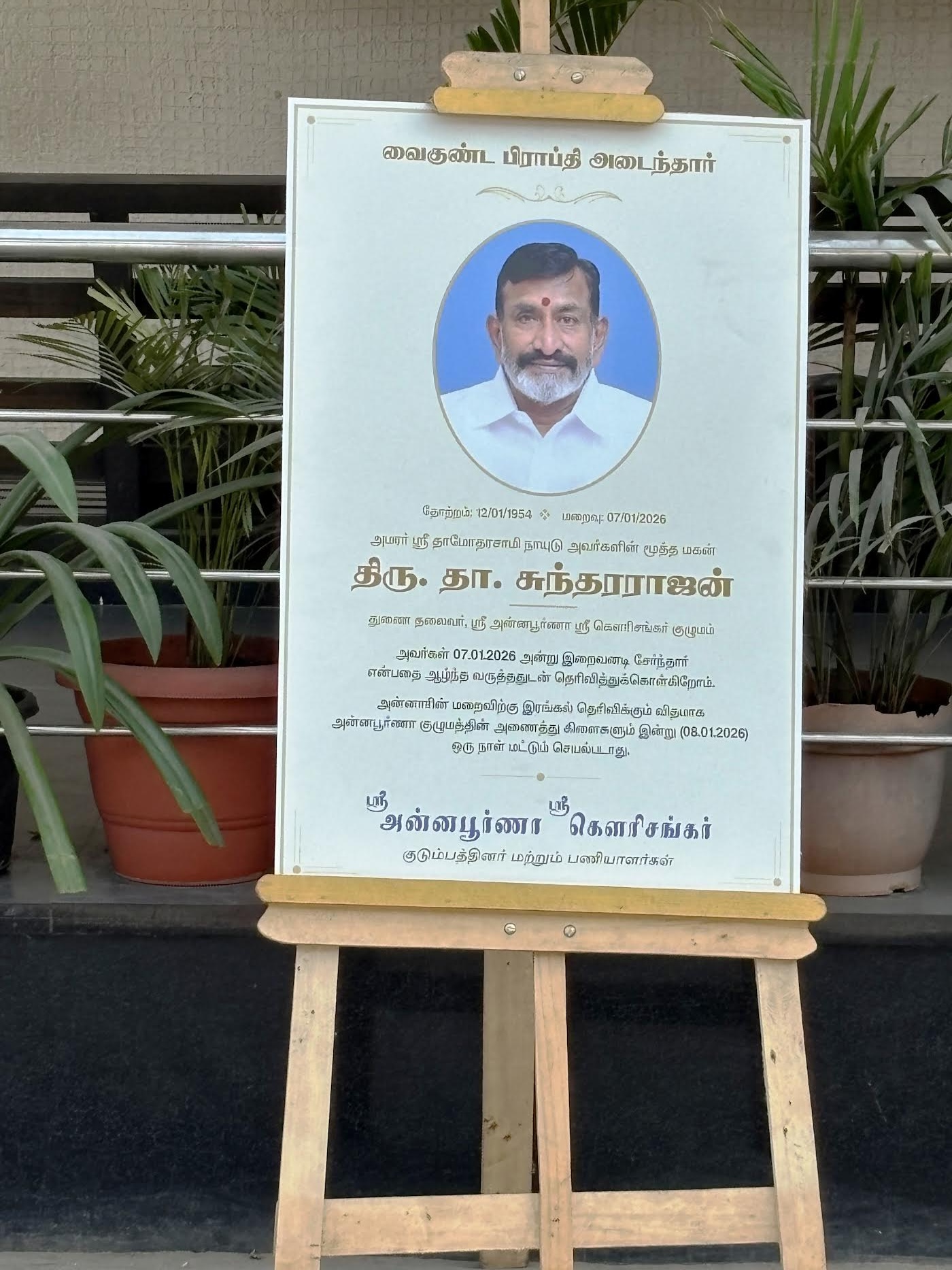
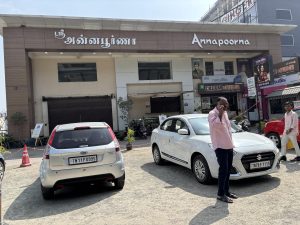
On the final day, we planned it perfectly—leave for the airport four hours early so we could savor Annapoorna’s famous ghee-laden dosa, its signature sambar, and a perfect filter coffee. But fate had other plans. As soon as we arrived, we saw all the outlets closed. We learned that the restaurant chain’s Vice Chairman had passed away, so the entire group was shut down for the day. My heart sank. That anticipation, that hunger—everything went cold in an instant.

Still, I refused to give up. We had already decided to visit the Perur Pateeswarar Temple. But a Banaras-based influencer friend pressured us to head straight to the airport—his flight was earlier, so he dragged me along from the Velliangiri Foothills. The Perur temple passed right by on the way, but we kept going. A short distance later, my friend got a message: his Indigo flight was canceled! Now what? Going back to the temple didn’t seem practical anymore.
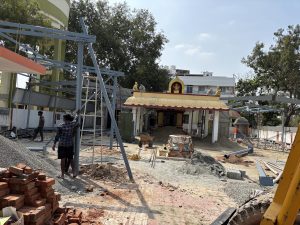
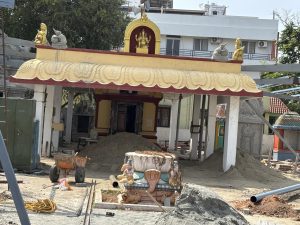
We decided to make the most of the remaining time and find a nearby temple. Checking the location, we spotted a Ganpati temple close by. When we reached, renovation work was underway—dust, scattered materials, everything in disarray.

That day, it felt like Coimbatore itself was whispering, “Not yet… stay a little longer.” The crispy dosa from Annapoorna, the ancient Shivling at Perur, the blessings at Ganpati—all postponed for next time.

Now I have plenty of reasons to return to Coimbatore soon. Anubhav’s words still echo in my ears. Next time I go, I’ll head first to Perur Pateeswarar Temple, then straight to Annapoorna—to complete that unfinished journey. And maybe that dosa will taste even better after such a long wait.
Sometimes, the journeys left incomplete become the most memorable ones. Do you have any such experience—where something special slipped away, but it only made you more determined to go back?

Jaipur BookMark 2026: Illuminating the Future of Publishing A Legacy of Literary Exchange and Innovation

images-3.jpeg

Delhi: BluOne Ink presents Jaipur BookMark 2026, South Asia’s premier B2B publishing conclave, celebrated its 13th edition from January 15 to 19, 2026, at Hotel Clarks Amer in Jaipur. Running concurrently with the 19th Jaipur Literature Festival, this vibrant platform has long served as a cornerstone for the Indian publishing ecosystem. Over the years, it has nurtured growth, resilience, and creativity while facilitating essential professional connections in the global book trade.

The conclave unites publishers, literary agents, editors, writers, translators, booksellers, and diverse stakeholders from India and abroad. It creates opportunities for enduring collaborations, meaningful dialogue, and fresh ideas that address the changing dynamics of publishing across languages, cultures, and markets. By bridging regional traditions with international perspectives, Jaipur BookMark reinforces its role as a vital hub for cultural and commercial exchange in South Asia.

The inaugural ceremony featured prominent voices from publishing, literature, and cultural leadership reflecting on the transforming landscapes of books and readership. Festival Producer Sammohan Mathodia introduced the programme, followed by the unveiling of the Translation Rights Catalogue by Festival Director Manisha Chaudhary, Norwegian Ambassador H.E. May Elin Stener, and team members. Ambassador Stener expressed delight in the event’s support for literary communities, stressing that freedom of expression remains a cornerstone of democratic societies like Norway and India. Sanjoy K. Roy, Managing Director of Teamwork Arts, highlighted the conclave’s expanding international reach. Co-director Namita Gokhale spoke of the rich literary exchanges that define Jaipur BookMark, while Dr. Pariksith Singh of BluOne Ink underscored the timeless value of language and storytelling. Keynote speaker Ranjit Hoskote emphasized that publishing transcends mere commerce—it must be viewed as a profound cultural practice.

Opening Dialogues: Translation, Design, and Emerging Trends

The opening sessions set an engaging tone for the edition. In “Illuminating Translations,” Deepa Bhasthi explored writing and translating for an international audience. She challenged rigid standards of “proper” English, celebrating the diversity, dialects, and nuances inherent in Indian English variations. Rejecting artificial benchmarks, she advocated for embracing linguistic richness. Following this, “Designed to Please” brought Gunjan Ahlawat and Ujan Dutta into conversation with Devangana Dash on the critical role of design, aesthetics, and visual appeal in captivating readers and enhancing book production.

On the second day, discussions turned toward the industry’s horizon. “Futurescape: Spotting Trends in the Publishing Industry” featured Emma House and Samir Patil in dialogue with Meru Gokhale, examining emerging technologies like generative AI and their transformative impact on publishing practices. Another highlight, “Hindi Literary Podcasts: Sahitya ke Naye Khojdeep,” convened Anjum Sharma, Anurag Minus Verma, and Arti Jain with Jai Prakash Pandey to explore how digital audio platforms invigorate Hindi literature and reach new audiences.

Now in its 13th year, Jaipur BookMark solidifies its status as a leading forum for professional and cultural engagement. By fostering conversations that cross linguistic, regional, and national divides, it remains indispensable to the evolving narrative of publishing in India and beyond. As the conclave continues to spotlight innovations, translations, and diverse voices—including focuses on Marathi literature and global partnerships—it inspires collaboration and forward-thinking in an ever-changing literary world.

JLF: A Melodic and Ceremonial Dawn

jlf_14.png

Delhi: The 19th Jaipur Literature Festival kicked off vibrantly on January 15, 2026, at Hotel Clarks Amer in Jaipur, drawing renowned voices from literature, politics, media, and culture worldwide. Presented by Vedanta and produced by Teamwork Arts, this celebrated event runs through January 19, 2026, upholding its tradition as a dynamic, inclusive platform for dialogue, debate, and the unrestricted exchange of ideas. The opening day delivered an inspiring mix of music, speeches, and sessions that tackled contemporary issues with depth and creativity.

The festival began with the serene Morning Music session, supported by the Infosys Foundation. Carnatic vocalist Aishwarya Vidya Raghunath and Rithvik Raja, joined by violinist Sayee Rakshith, mridangam player Praveen Sparsh, and ghatam artist Skanda Manjunath, performed a five-piece ensemble. Their blend of classical precision and imaginative subtlety set a meditative, welcoming atmosphere for the days ahead.

The formal inauguration featured a keynote by International Booker Prize 2025 winner Banu Mushtaq, whose collection Heart Lamp (translated by Deepa Bhasthi) highlights women’s lives and resistance in southern Indian Muslim communities. She spoke passionately about literature as an act of survival and resistance against inequality and erasure, viewing her recent accolade as a call to greater social responsibility. Her advice to aspiring writers was direct: “Don’t just plan writing, start writing. Write, write, and write.”

Inaugural remarks came from festival co-directors Namita Gokhale and William Dalrymple, along with producer Sanjoy K. Roy. A traditional lamp-lighting ceremony, attended by Rajasthan Chief Minister Bhajan Lal Sharma and Deputy Chief Ministers Diya Kumari and Prem Chand Bairwa, added auspicious energy. Roy traced the festival’s evolution from its origins at Diggi Palace to its current global reach across nine cities, noting its engagement with timely topics like artificial intelligence. Gokhale welcomed diverse writers from India and abroad, evoking the festive spirit of Magh month with kites symbolizing freedom and curiosity. Dalrymple highlighted the event’s massive growth, attracting up to half a million attendees annually for discussions on books and ideas.

Chief Minister Sharma praised the festival as “a celebration of ideas, a confluence of words, and a bridge of dialogue between cultures,” underscoring Rajasthan’s rich heritage.

Diverse Voices and Thought-Provoking Dialogues

The day’s sessions showcased a range of perspectives. In Javed Akhtar: Points of View, the legendary poet and lyricist conversed with Warisha Farasat about post-independence cultural shifts, the Indian middle class, and writers’ societal roles. He encouraged young audiences to seek inner inspiration rather than compete externally.

Coexistence: How Arabs and Jews Can Live Together brought historians Ussama Makdisi, Noa Avishag Schnall, and Avi Shlaim together with William Sieghart to explore memory, reconciliation, and shared futures.Booker Prize winner Kiran Desai discussed The Loneliness of Sonia and Sunny with Nandini Nair, delving into her creative process, discipline, and the emotional layers of loneliness in her fiction.
Gopalkrishna Gandhi, in The Undying Light: India’s Futures with Narayani Basu, reflected on his memoir, India’s moral imagination, democracy, and future path, sharing anecdotes about figures like M.S. Subbulakshmi and his commitment to truth.Several book launches added excitement: A Statesman and a Seeker: The Life and Legacy of Dr Karan Singh by Harbans Singh, launched by Gokhale, Dalrymple, and Roy, followed by a moderated conversation; The Art of Being Fabulous by Shalini Passi with Ruchika Mehta on creativity and self-expression; and Unplugged: Adventures from MTV to Timbuktu by Tom Freston with Saad Mohseni, recounting his media career, from the “I want my MTV” campaign to global ventures.
In The Seven Rules of Trust, Wikipedia founder Jimmy Wales and Anita Anand addressed trust, transparency, and digital-age challenges, with Wales noting algorithms’ role in amplifying hostility yet expressing optimism about fair systems enabling compromise.
The opening day’s blend of tradition, reflection, and bold ideas set an exhilarating tone. Upcoming sessions promise more inspiration, including chess grandmaster Viswanathan Anand and Stephen Fry, ensuring the Pink City remains a global hub for literary camaraderie and cultural connection.

पहले दैनिक सहारा बंद हुआ फिर आई सुब्रत सहारा के जाने की खबर

2-8.jpeg

किशन चौधरी

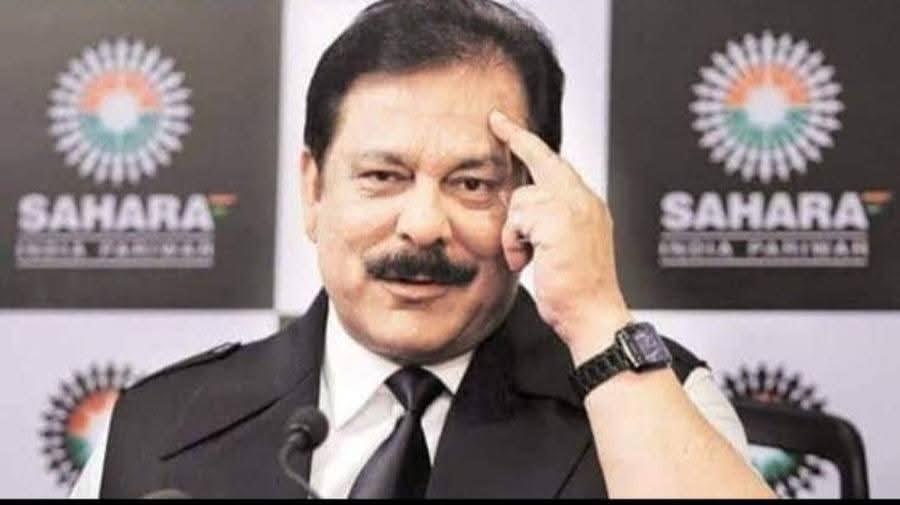
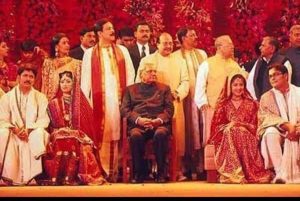
दिल्ली । जब सुब्रत रॉय सहारा के बेटे की शादी में सदी के महानायक अमिताभ बच्चन अपने पूरे परिवार के साथ बारात में नाच रहे थे, देश के प्रधानमंत्री घुटने ख़राब होने के बावजूद मंच पर चढ़ कर वरवधू को आशीर्वाद दे रहे थे। देश का कोई ऐसा व्यक्ति नहीं बचा था जिसकी गिनती देश के बड़े लोगों में होती हो और वो उस शादी में लखनऊ न पहुँचा हो, पच्चीसों मुख्यमंत्री पूरी केंद्र सरकार और यूपी सरकार वहाँ थी, लोकसभा, राज्यसभा और सभी राज्यों की विधानसभाओं के मेम्बर शायद ही कभी एकसाथ कहीं और जुटे हों।

कभी साइकिल पर घूम घूम कर नमकीन बिस्कुट बेचने वाले सहारा उस वक़्त, आज के अंबानी अड़ानी और टाटा से ज़्यादा शक्तिशाली दिखने लगे थे।

लेकिन अपने शक्ति और साम्राज्य विस्तार के एक कदम में सहारा ऐसे फँसे की अंत तक एकदम बेसहारा और लाचार हो गए और उसी लाचारी की स्थिति में कल वो इस दुनिया से विदा भी हो गए।

उन्होंने कभी सपने में भी नहीं सोचा रहा होगा कि रोशनलाल नाम का एक आदमी जो इंदौर का रहने वाला था वो उनकी जगमगाती हुई दुनिया को बेनूर और कम रोशन कर डालेगा।

क़िस्सा 2009 से शुरू हुआ, सहारा ने अपनी रियल स्टेट कंपनियों के नाम से बॉण्ड जारी किए, 3 करोड़ लोगों ने इन बाँड्स को सब्सक्राइब किया और क़रीब 24000 करोड़ रुपये इस समय सहारा ने इन बाँड्स से जुटाये। इन बाँड्स को जारी करने में सहारा ने सेबी द्वारा स्थापित नियम क़ानूनों की जम कर धज्जियाँ उड़ाईं।

फिर एक रोशनलाल नाम के व्यक्ति ने, सहारा की शिकायत नेशनल हाउसिंग बैंक कारपोरेशन को कर दी, नेशनल हाउसिंग बैंक ने सहारा को उस चिट्ठी के आधार पर नोटिस भेजा, तो सहारा ने बैंक को ये कहकर दुत्कार दिया, कि ये तुमसे रिलेटेड मामला नहीं है, अगर किसी को पूछने का हक़ बनता भी है तो वो सेबी है, तुम इसमें अपनी नाक मत घुसेड़ो। बैंक के अधिकारियों को ये बात बुरी लग गई, उन्होंने रोशनलाल की चिट्ठी और उस पर सहारा के जवाब को अपनी टिप्पणी और जाँच करने के आग्रह के साथ सेबी को भेज दिया।

फिर शुरू हुई सेबी की जाँच, हालाँकि सत्ता के शिखर के तमाम लोगों को अपने जेब में लेकर चलने का मुग़ालता पाले सुब्रत रॉय सहारा ने सेबी की जाँच को भी हल्के में लिया। सेबी ने जब उनसे इन बाँड्स के बारे में पूछताछ की तो सहारा ने 31669 कार्टन से भरे 127 ट्रक भरकर डॉक्यूमेंट्स सेबी के दफ़्तर भेज दिया, कि लो पढ़ लो और कर की जाँच। 127 ट्रकों को सेबी के सामने खड़ा करके सहारा ने ख़ुद को देश की सुर्ख़ियों में ला दिया, मुंबई में सेबी के दफ़्तर के सामने लगे ट्रैफिक जाम ने पूरी मीडिया का ध्यान इस मामले पर आकर्षित कर दिया। उस समय वित्त मंत्री प्रणव मुखर्जी थे, प्रणव मुखर्जी ने जाँच पूरी ईमानदारी से हो इस बात को सुनिश्चित करवाया, सेबी ने सहारा से ग़लत तरीक़े से जुटाये निवेशकों के पैसे को 15% ब्याज के साथ लौटने के लिए कहा, सहारा वो पैसा नहीं लौटा पाए। मामला सुप्रीम कोर्ट पहुँचा और सहारा जेल पहुँच गए, उसके बाद दिन ब दिन सहारा बेसहारा होते चले गये, और फिर जो हुआ हम सबने देखा ही है।

इसीलिए आप मेहनत क़िस्मत और तिकड़म के सहारे भले शिखर पर पहुँच जायें लेकिन दो बातें हमेशा याद रखिए, पहली, अहंकार मत करिए, दूसरी, शिखर पर पहुँचा जा सकता है, शिखर पर घर नहीं बनाया जा सकता, शिखर पर पहुँचने के बाद आपका बर्ताव तय करता है कि आप शिखर पर कितने समय रहेंगे।

स्वर्गीय सुब्रत राय सहारा की जिंदगी फिल्मों सी थी सत्तर के दशक में। बेहिसाब दौलत और बेशुमार ताकत। लखनऊ में नवाबी जाने के बाद उनका ही राज दरबार लगता था। राजसी आमोद प्रमोद तो था ही, निजी सेना जैसी सुरक्षा व्यवस्था भी थी। सन 94, 95 के उस दौर में कपूरथला अलीगंज लखनऊ का चमकदार शानदार कार्यालय, शनिवार का ड्रेस कोड, सहारा गान और लंबे लंबे कॉरपोरेट व्याख्यान नवाबों के शहर लखनऊ के लिए तो सब नया नया ही था। वो भारत के उद्योग जगत के पहले सुपर स्टार थे। एक दौर था, उनकी शोहरत का सूरज कभी अस्त नहीं होता था। राय ने जिस पर भी हाथ रख दिया वो दौलत, शोहरत और ताकत की बुलंदी पर होता था।

खुद और सियासत की नजर उतारने के लिए प्रिंट मीडिया के जमाने में उनका अखबार राष्ट्रीय सहारा अपने पथ पर दंभ के साथ अवस्थित रहा। उस दौरे वक्त अखबार की तूती बोल रही थी। उनके इशारों पर शासन सत्ता चलती थी। उनकी व्यक्तिगत जिंदगी की कहानियां किवदंती बनकर फैली हुई थीं। पूरा बॉलीवुड, क्रिकेट टीम, बड़े बड़े राजनेता और हर तबके के स्टार उनके दरबार में नतमस्तक ही रहा करते थे। सेक्रेटरी पद से रिटायर होने वाले ब्यूरोक्रेट की भी चाह होती थी कि आगे की जिंदगी सहारा की चाकरी में बीते।

(सोशल मीडिया से)

scroll to top