सरकारी नौकरी का इतना हौवा ठीक नहीं

Sarkari-Naukri.avif

राजीव मिश्रा

दुनिया में क्या हो रहा है यह समझना है तो पहली शर्त है कि देखें कि मेरी अपनी जिंदगी में क्या हो रहा है? 

मैं स्वयं मंडल कमीशन से पहले की पीढ़ी हूँ. लेकिन फर्स्ट ईयर में था तभी मंडल कमीशन आया था. तब मैं बेहद उत्तेजित हुआ था और उस आंदोलन में बढ़ चढ़ कर भाग लिया था. मैं और मेरे बड़े भैया सारे दिन लोगों को इकट्ठा करते थे, दीवारों पर पोस्टर लगाते थे और नारे लिखते थे, पेटीशन लिख कर, साइन करवा कर भेजते थे, जुलूस ऑर्गनाइज करते थे, ट्रेन रोकते थे. जेल जाने जाने की नौबत आ गई थी. दुर्गा पूजा के पंडाल में हमने अपने विरोध प्रदर्शन के लिए स्टॉल लगा दिया और आंदोलन के लिए फंड जुटाने के लिए जूते पॉलिश किए.

उस समय मुझे लगता था कि मंडल कमीशन लग गया तो मेरी दुनिया खत्म हो जाएगी, अनर्थ हो जाएगा, जीवन असम्भव हो जाएगा. और यह बात कुछ हद तक सही भी हुई होती अगर इसके बाद नरसिम्हा राव प्रधानमंत्री नहीं बने होते.

लेकिन मैं अपनी पीढ़ी में अपने भाइयों बहनों, कजिन्स में भी लगभग सबसे छोटा हूँ. मेरे सारे बड़े भाई मंडल कमीशन से पहले के हैं. हमने मंडल के पहले की दुनिया देखी है, जब उस पीढ़ी के ज्यादातर युवाओं का जीवन नौकरी खोजते, एम्प्लॉयमेंट न्यूज पढ़ते, फॉर्म भरते, एग्जाम देते बीत जाता था. सारी नौकरियां सिर्फ सरकारी थीं, और लोग एज निकलने तक एग्जाम देते रहते थे. किसी की बैंक, LIC, रेलवे और एसएससी में नौकरी लगी है तो उसका जीवन धन्य हो जाता था. पूरे देश की सारी एम्प्लॉयमेंट ऑपर्च्युनिटी एक सोलह पन्ने के साप्ताहिक अखबार में सिमटी होती थी. औसत चार छह साल की बेरोजगारी रूल था. बारहवीं के बाद इंजीनियरिंग में एडमिशन तो स्वर्ग का द्वार लगता था.

आज अगली पीढ़ी में मेरे परिवार में सारे बच्चे टेक्निकल कॉलेजों में एडमिशन ले रहे हैं, इंजीनियरिंग, लॉ, अकाउंटेंसी से लेकर क्या क्या नहीं पढ़ रहे. एक भी बच्चा कहीं थोड़े दिन भी बेरोजगार नहीं बैठा है. मैं अपने खानदान में सरकारी नौकरी करने वाला आखिरी और छोड़ने वाला पहला व्यक्ति हूँ. मेरे बाद किसी ने सरकारी नौकरी का फॉर्म तक नहीं भरा.

आज यूजीसी के विवाद को यूजीसी से निकाल कर रिजर्वेशन की ओर मोड़ दिया गया है. इसे यूजीसी तक सीमित रहने दिया जाता तो बात खत्म हो जानी थी. लेकिन लोगों की भावनाएं उसी दिशा में हैं जिस दिशा में मेरी 1990 में थीं. यह भावना भड़काई जा रही है जैसे संसार नष्ट हो जाएगा.. हम बर्बाद हो जाएंगे. समस्या के डिस्प्रोपोर्शनेट प्रतिक्रियाएं दी जा रही हैं. पर्सपेक्टिव ही समाप्त हो गया है.

मेरा अगली पीढ़ी से सिर्फ यह कहना है – अपनी लड़ाइयां सावधानी से चुनो. जैसे तुम रिजर्वेशन को लेकर भावनात्मक हो रहे हो, उधर भी कोई और इसे अपने अस्तित्व का प्रश्न माने बैठा है. लेकिन दुनिया जीरो-सम-गेम नहीं है. एक को मिलेगा तो वह दूसरे से छीन कर ही मिलेगा ऐसा नहीं है.

तुम्हारी समस्या का हल इस रिजर्वेशन से लड़ना नहीं है. तुम्हारी समस्या का हल आर्थिक प्रगति है, कैपिटलिज्म है, प्रोडक्शन है, फ्री मार्केट है. फ्री मार्केट एक अद्भुत अलादीन का चिराग है. यह इतना दे सकता है कि सबको पहले से अधिक मिल जाएगा. तुम अपनी दृष्टि इस अलादीन के चिराग पर केंद्रित करो. तुम फ्री मार्केट को बचाओ. तुम ऐसी सरकार चुनो जो फ्री मार्केट के लिए अधिक उपयुक्त हो. सरकारों से मांगना है तो तुम यह मांगो कि वह मार्केट को फ्री छोड़ दे.

रिजर्वेशन, और विक्टिमहुड नैरेटिव समाजवाद की बीमारियां हैं जहां संसाधन सीमित माने जाते हैं, जहां एक की प्रगति दूसरे के कॉस्ट पर हुई समझी जाती है, जहां असमानता का अर्थ भेदभाव और अन्याय समझा जाता है… इस बीमारी को पिछली पीढ़ी की बीमारी समझ कर इससे बाहर निकलो. रिजर्वेशन और इक्विटी के कीड़े सिर्फ पॉवर और वर्चस्व के रोग हैं. तुम्हारा उद्देश्य पॉवर और वर्चस्व नहीं, प्रॉस्पेरिटी है. और प्रॉस्पेरिटी सबको मिल सकती है. बस, मांगना सही चीज है.
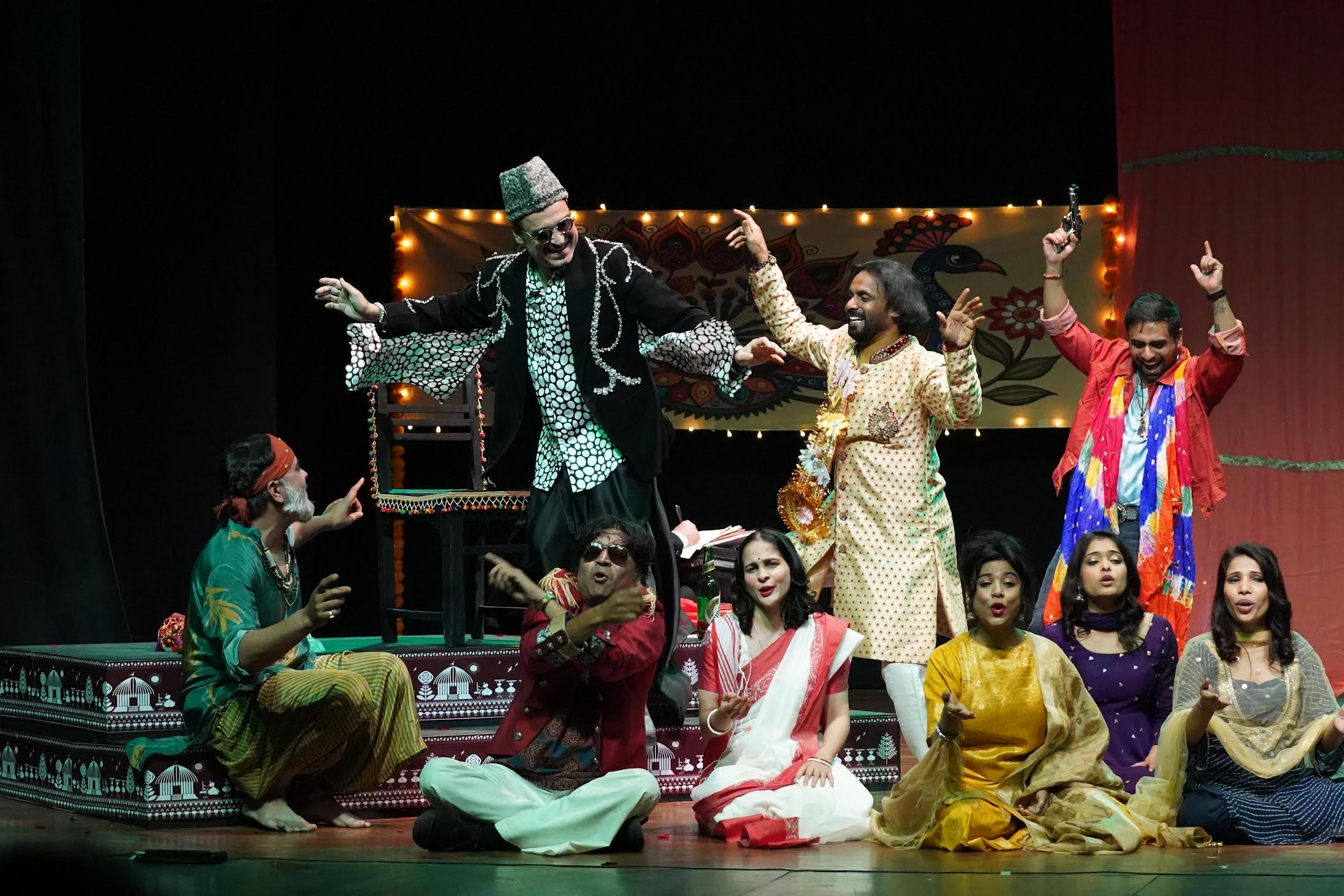
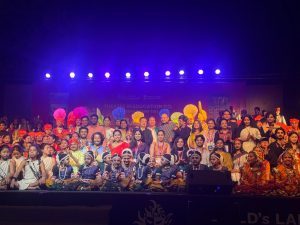
Star Voices, Folk Performances and Multilingual Performances Steal the Spotlight at the 25th Bharat Rang Mahotsav

2-6-2.jpeg

Delhi: The 25th Bharat Rang Mahotsav (BRM) 2026, the world’s largest international theatre festival organised by the National School of Drama (NSD), witnessed a vibrant day filled with programmes for audiences as well as aspiring and budding theatre practitioners. The festival highlights included highly engaging talk shows with NSD alumni and noted film personalities such as Tigmanshu Dhulia and Pankaj Tripathi, along with wonderful performances by children, young students, and established theatre groups.

The day began with an insightful session by actor Pankaj Tripathi, who spoke candidly about his life, sharing how his experiences shaped him as an artist. He narrated engaging anecdotes and reflected on the constant support of his life partner, whom he described as an inseparable part of his journey and success.

Similarly, Tigmanshu Dhulia offered a glimpse into his creative evolution—from his involvement as a casting professional in Bandit Queen to his long association with the late actor Irrfan Khan. Fondly remembering their bond, Dhulia said that Irrfan was not only a remarkable actor but also a deeply creative individual who approached scripts with a holistic understanding that went far beyond his own lines.

The day also witnessed the graceful conclusion of Baal Sangam, a programme dedicated to folk performances by children from diverse states including Rajasthan, Gujarat, Odisha, Assam, Nagaland and Tripura, among others. The ceremony was graced by Shri Rajiv Velicheti, theatre academic and Associate Professor at the University of Hyderabad; Shri Marto Bagra, Assistant Resident Commissioner representing the State of Arunachal Pradesh; and Vaishali Singh, IAS (2019 batch), Administrator of HSVP, Gurugram.

The festival featured WYSIWYG, written and directed by Teertha Bhatt and performed by Pitara from Ahmedabad, Gujarat, in English, setting a witty and imaginative tone for young audiences.
This was followed by Sojan Badiar Ghat, written and directed by Goutam Halder with verses by Jasim Uddin and presented by Naye Natua from Kolkata, West Bengal, in Bengali.

The day further elevated with the visually rich Karna No Vesh – Bhavai, directed by P. S. Chari and performed by Triveni from Vadodara, Gujarat, in Hindi, celebrating the compelling vibrancy of traditional storytelling.

Also featured was Manduka Upakhyana, written by Ramesh Prasad Panigrahi and directed by Dolgovind Rath, presented by the RANGADHAARAAA Academy of Theatre Art & Repertoire from Odisha in Odia.
The energy continued with La Ilaaj, directed by Faiz Mohammed Khan and staged by Roopkatha Rangmanch from Mumbai in Hindi.

A special non-ticketed presentation, Veer Abhimanyu, directed by Hema Singh, showcased a spirited first-year Parsi demo by students.

Another highlight of the evening was a multimedia theatrical dance production, Sarees of India (Textile), written and directed by Jayalakshmi Eshwar and performed by the Abhinaya Group from Delhi in English, offering a visually captivating narrative of textile heritage.

The festival also hosted the internationally collaborative production Life Is a Dream, written by Pedro Calderón de la Barca and directed by Ignacio Garcia, presented by the Monica De La Fuente Company with artists from Spain, performed in Spanish, Hindi, and Malayalam.

On the sidelines of various insightful and entertaining activities during BRM 2026, NSD also commenced its Theatre Appreciation Course — a week-long learning journey designed to introduce participants to the essential elements of theatre. Through expert-led sessions, discussions on performance, design, music, and direction, along with curated screenings of significant plays, the course offered a rich and engaging experience for anyone seeking a deeper understanding of the art form.

इस वक्त बोलना होगा, ये चुप्पी ठीक नहीं है

153612418.jpg

आकृति

दिल्ली । हम यदि संख्या-बल या चुनाव आदि को ध्यान में रखकर अनुचित के विरोध में मुँह नहीं खोलेंगें तो समाज में ऐसी विभाजनकारी प्रवृत्तियाँ बढ़ेंगीं। इससे विभाजन की खाई और चौड़ी होगी। “सर्व समाज को लिए साथ में आगे है बढ़ते जाना – यही हमारा ध्येय होना चाहिए। जातीय घृणा की हर घटना हिंदू समाज, समरस हिंदू समाज को कमजोर करेगा। उस घृणा के शिकार अगड़े हों, पिछड़े हों, दलित हों, आदिवासी हों, सबके साथ न्याय हो, बराबर न्याय हो! सब अपने हैं, सहोदर हैं।

मुझे यह पोस्ट फेसबुक पर मिला, थोड़ा संतुलित है।

मुझे लगता है कि हमें ऐसी घटनाओं पर मौन रहने या इनकी उपेक्षा करने के स्थान पर इन्हें संबोधित करना चाहिए। अन्यथा क्रिया-प्रतिक्रिया होगी, पक्ष-विपक्ष बनेंगें और हिंदू समाज के विरोधी हमें और बाँटेंगें। समूह के सम्मानित सदस्यों के क्या मत हैं?

फेसबुक पोस्ट 👇

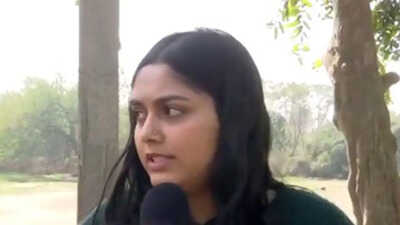
दिल्ली विश्वविद्यालय के परिसर में पत्रकार रुचि तिवारी के साथ जो हुआ, वह केवल एक शारीरिक हमला नहीं था, बल्कि वह उस नैरेटिव की जीत है जो “सामाजिक न्याय” के नाम पर प्रतिशोध और घृणा को पाल रहा है। जब भीड़ किसी लड़की को उसके उपनाम (सरनेम) और जाति के आधार पर निशाना बनाती है, उसके कपड़े फाड़ने की कोशिश करती है और अपमानजनक टिप्पणी करती है, तो यह स्पष्ट हो जाता है कि हम एक सभ्य समाज से पीछे हटकर ‘भीड़तंत्र’ की ओर बढ़ रहे हैं।

1. सुरक्षा का चश्मा और जातिगत भेदभाव
विडंबना देखिए कि आज के दौर में अपराध की गंभीरता अपराधी और पीड़ित की जाति देखकर तय की जा रही है। यदि पीड़ित ब्राह्मण या सामान्य वर्ग से है, तो अक्सर बौद्धिक गलियारों में सन्नाटा पसर जाता है। क्या किसी महिला की गरिमा उसकी जाति से तय होगी? UGC गाइडलाइंस पर सवाल पूछना एक पत्रकार का संवैधानिक अधिकार है, लेकिन बदले में उसे शारीरिक और यौन उत्पीड़न (Sex#ual Harassment) का सामना करना पड़े, यह लोकतंत्र के लिए शर्मनाक है।
2. क्या कानून में ‘जातिवादी घृणा’ केवल एक तरफा है?
लेख में उठाए गए कानूनी विकल्प के मुद्दे पर बात करें तो भारतीय दंड संहिता (अब भारतीय न्याय संहिता) और विशेष कानूनों के बीच एक बड़ी खाई दिखती है:

SC/ST एक्ट बनाम सामान्य कानून: जहाँ एक तरफ विशेष कानून सुरक्षा प्रदान करते हैं, वहीं सामान्य वर्ग की महिलाओं के पास केवल IPC/BNS की धाराएँ (जैसे छेड़छाड़ के लिए धारा 354) बचती हैं।

हृेट स्पीच और हेट क्राइम: यदि किसी को ‘ब्राह्मण’ होने के कारण निशाना बनाया गया, तो यह स्पष्ट रूप से ‘Targeted Violence’ है। अदालत में यह साबित करना चुनौतीपूर्ण हो सकता है क्योंकि हमारी कानूनी और सामाजिक व्यवस्था में यह मान लिया गया है कि “विशेषाधिकार प्राप्त” वर्ग पीड़ित नहीं हो सकता। यह सोच बदलनी होगी।

3. सत्ता की जवाबदेही और समाज की चुप्पी

जब राजनीति “एक हैं तो सेफ हैं” जैसे नारों के इर्द-गिर्द घूमती है, तो जमीनी हकीकत इन दावों की पोल खोल देती है। अगर राजधानी के सबसे प्रतिष्ठित विश्वविद्यालय में पुलिस के सामने एक बेटी सुरक्षित नहीं है, तो वह सुरक्षा का दावा खोखला है।
“अपराध का कोई धर्म या जाति नहीं होती, लेकिन जब अपराध का ‘कारण’ जातिगत घृणा बन जाए, तो शासन को कठोरतम कदम उठाने ही चाहिए ताकि यह संदेश जाए कि कोई भी वर्ग कानून से ऊपर नहीं है।”

निष्कर्ष: अब जागने का समय है

यह हमला केवल रुचि तिवारी पर नहीं, बल्कि हर उस व्यक्ति पर है जो अपनी योग्यता और पहचान के साथ सिर उठाकर जीना चाहता है। यदि आज समाज ने इस ‘जातिवादी कट्टरता’ के खिलाफ आवाज नहीं उठाई, तो कल यह आग हर घर तक पहुँचेगी। न्याय की मांग किसी एक जाति की नहीं, बल्कि मानवता और संविधान की रक्षा की मांग है,जेएनयू में हाल ही में कुछ छात्रों को रस्टिकेट किया गया, जो एक अच्छा उदाहरण है, पर आगे क्या? कैम्पस में एक छात्रा के कपड़े फाड़ने के प्रयास करने वाले को जेल होनी चाहिए।

आज रुचि तिवारी के पास कौन से विधिक विकल्प हैं? क्या वह कोर्ट में ‘जातिवादी घृणा’ का आधार बना सकती है? नहीं, क्योंकि वो जिस समाज से आती है, उसके पास ऐसा कोई विकल्प नहीं। उसे कोर्ट में यह बताना होगा कि उस पर हुए अपराध की जड़ में जातिवादी घृणा है, पर प्रतिवादी वकील कहेगा कि ब्राह्मणों के साथ कैसा जातिवाद?

यह विषाक्त वातावरण नरेन्द्र मोदी और भाजपा की ही देन है। नाम उसी का लिया जाएगा जो ई-रिक्शा से वंदे भारत तक हर उपलब्धि का क्रेडिट लेता है। यह क्रेडिट भी मोदी जी का ही है।

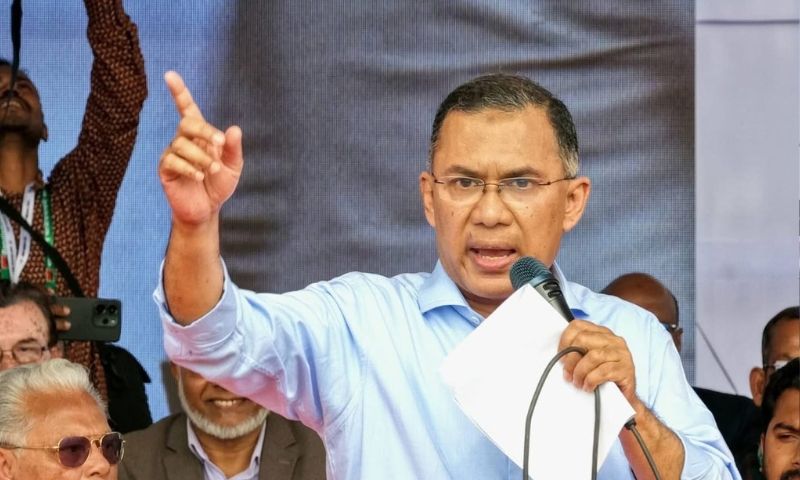
Tarique to become Bangladesh PM, Hasina’s fate hangs in the balance

high.jpeg

Nava Thakuria

Delhi : After meticulous preparations for a free & fair election, which turned into reality with a festive electoral exercise, Bangladesh went to polls on 12 February, where the Bangladesh Nationalist Party (BNP, led by Tarique Rahman) established a landslide victory. One of the oldest political parties in the south Asian nation, the BNP won over 200 constituencies in the 300-member national parliament (Jatiya Sansad), where Jamaat-e-Islami Bangladesh secured around 70 seats. The country’s pioneer political party Awami League was out of the race as its activities were banned by the interim government in Dhaka, as its chairperson and former premier Sheikh Hasina fled to India on 5 August 2024. The Muslim majority country of 170 million people was ruled by Nobel laureate Dr Muhammad Yunus since 8 August soon after Hasina’s sudden departure.
The 13th Jatiya Sansad polls, conducted amid tight security and improved technological monitoring, witnessed the voters’ turnout around 60% (out of 127 million electorates). The polling was largely peaceful and the registered voters exercised their franchise, which was otherwise unusual in Bangladesh as it continued witnessing controversial polls with very lower voter turnout. Nearly 2000 candidates belonging to 51 political parties as well as independent contestants were in the fray. For the first time in 35 years no one was killed in election-related violence on the polling day, even though seven people died around polling centers across the country because of natural causes. One polling officer collapsed while on duty in Brahmanbaria, a former BNP leader in Khulna and five voters died due to illness in Dhaka, Chittagong, Gaibandha, Kishoreganj and Manikganj.

Unaware of Bangladesh till the polling is over, many Indian news outlets have woken up to appreciate the Bangladeshi voters for their wise decision to prefer the relatively secular BNP than the Islamist hardliner Jamaat candidates.

Amazingly the National Citizen Party (NCP, formed by the youths who took the lead in the anti-Hasina movement during July-August 2024 mass uprising) had allied with the Jamaat for the polls and got limited to single digit outcome. Even the union government in New Delhi maintained a cordial relation with the seemingly ‘liberal and democratic’ party in Bangladesh. Even when Tarique Rahman’s mother and former prime minister Khaleda Zia was suffering from serious illness, Prime Minister Narendra Modi publicly expressed his concern and also offered necessary support. The BNP was quick to respond with sincere gratitude.

When Begum Zia passed away, New Delhi smartly sent foreign minister S Jaishankar to attend her funeral in Dhaka. During his brief visit Jaishankar also met the bereaved family and handed over Tarique Rahman a personal condolence letter from PM Modi. Later Modi became the first global leader to congratulate him for the convincing electoral victory and expressed interest to work with Dhaka to strengthen multifaceted relations between the two neighbouring countries. On the ground, Tarique Rahman also maintained a sober version against New Delhi and did not instigate any kinds of anti-India hate messages.

Critics argue that the election in Bangladesh was not inclusive as it prevented the participation of Awami League, a major political player before its independence in 1971, in the polls. But the last three general elections held in 2014, 2018, 2024 witnessed the boycotting of BNP leaders and also alleged rigging by Awami League workers, where the voter’s turnout was too low. Once an electoral ally to the BNP, Jamaat-e-Islami Bangladesh has now emerged as the prime opposition party in the Parliament, thus paving the way for Islamist forces to enter the mainstream political space.
Bangladesh Election Commission and the interim government led by Prof Yunus thanked the voters in particular and people in general for a peaceful election and referendum in a festive environment. Often criticized for mishandling many Bangladesh issues by pro-Hasina activists and sympathizers, Prof Yunus stated that spontaneous participation of voters, responsible conduct of political parties, restraint shown by candidates and professionalism of all institutions involved in the electoral process collectively demonstrated that the commitment to democracy in Bangladesh remains unwavering. As expected, the ousted premier Hasina denounced the election as a farce. She also demanded the resignation of Yunus-administration and to conduct a fresh polling in a free, fair and inclusive manner.

The Hindu majority India takes concern over the sharp demographic decline of religious minorities in the Muslim dominated country where the Sanatani Hindus constituted around 23 percent of the population in 1947. Now it has diminished to less than 8 % as relentless violence, forced conversions and other religious repercussions continue irrespective of the faces of rulers in Dhaka. Even during Hasina’s second tenure as the premier (2009 to 2024) could not prevent atrocities on Hindu families and their places of worship compelling many of them to gradually leave their country of birth. However, Hasina has successfully misled the larger Hindu population of India with a victim card, whereas the Hindus in Bangladesh were actual victims !

Modi’s congratulatory telephone call to the PM-in-waiting changed the perception about Bangladesh in India and it influenced the media fraternity of the largest democracy on the globe as well. Now for some time, it’s the moment for Tarique Rahman, who has a tremendous challenge to lead a country with full of anti-Hindu sentiments, and seemingly subdued coverage to Hasina, who has taken a temporary shelter in India and meanwhile faced a death sentence in her home country and subsequent extradition pressure, but continued making political statements overriding the essence of Modi’s goodwill gesture to the neighboring country’s government head in waiting. Is she a brave lady or reckless unwanted guest for Bharat, only time will define!

scroll to top