30 Youth Volunteers Complete 15-Day Campaign to Raise Awareness against Perverted Content

3-10.jpeg

New Delhi – The Save Culture Save Bharat Foundation has successfully concluded the first batch of its 15-day volunteer campaign, aimed at spreading awareness about the harmful effects of perverted content on individuals and society. The campaign culminated with the distribution of certificates to 30 young and dedicated volunteers who gave their time, energy, and voice to this important cause.

Over the span of two weeks, the volunteers worked both online and offline conducting awareness drives, engaging in thought-provoking discussions, and using digital platforms to highlight how perverted content is silently corroding the moral and cultural fabric of our society, especially among the youth.

This first batch wasn’t just a group of volunteers; it was a community of changemakers united by a shared concern for the future of our culture. Their commitment and sincerity turned this campaign into a movement, sparking meaningful conversations and inspiring others to reflect on the kind of content we consume and normalize.

As we honour their efforts with certificates, we also celebrate their courage to speak up, educate others, and stand for a cause that many shy away from. The Save Culture Save Bharat Foundation extends its heartfelt thanks to every volunteer and wishes them the very best in all their future endeavours. Their contribution is a powerful reminder that real change begins with awareness and a few determined individuals can make a big difference.

This is just the beginning. More batches will follow, and with them, a growing community of young minds committed to protecting the values that define us as a nation.

30 युवा स्वयंसेवकों ने पूरा किया 15 दिवसीय जागरूकता अभियान, विकृत कंटेंट के खिलाफ उठाई आवाज

3-10.jpeg

नई दिल्ली – सेव कल्चर सेव भारत फाउंडेशन ने अपने पहले 15-दिवसीय वालंटियर अभियान को सफलतापूर्वक पूरा किया है। इस अभियान का उद्देश्य लोगों को विकृत कंटेंट के दुष्प्रभावों के बारे में जागरूक करना था। अभियान के समापन में 30 युवा और समर्पित स्वयंसेवकों को उनके योगदान के लिए प्रमाण पत्र देकर सम्मानित किया गया।

पिछले दो हफ्तों के दौरान, इन स्वयंसेवकों ने ऑनलाइन और ऑफलाइन दोनों माध्यमों से जागरूकता फैलाने का काम किया। उन्होंने जागरूकता रैलियां निकालीं, विचारोत्तेजक चर्चाएं कीं, और डिजिटल प्लेटफॉर्म्स के माध्यम से यह बताया कि कैसे विकृत कंटेंट धीरे-धीरे हमारे समाज और विशेष रूप से युवाओं की सोच को प्रभावित कर रहा है।

यह सिर्फ एक वालंटियर बैच नहीं था, बल्कि एक ऐसा समूह था जो हमारे सांस्कृतिक मूल्यों को बचाने के लिए एकजुट हुआ। उनकी लगन और ईमानदारी ने इस अभियान को एक आंदोलन का रूप दे दिया, जिससे समाज में जरूरी बातचीत शुरू हुई और लोगों को सोचने पर मजबूर किया कि हम क्या देख रहे हैं और क्या सामान्य मान रहे हैं। फाउंडेशन के अनुसार, यह केवल एक अभियान नहीं, बल्कि एक सामाजिक आंदोलन की शुरुआत है, जिसमें युवा जागरूकता के जरिए समाज में बदलाव लाने के लिए जुटे हैं। स्वयंसेवकों ने न केवल अपने विचार रखे, बल्कि दूसरों को भी इस विषय पर सोचने और सजग होने के लिए प्रेरित किया।

फाउंडेशन ने सभी प्रतिभागियों के समर्पण की सराहना करते हुए कहा कि यह पहला बैच देशभर में जागरूकता की एक नई लहर की शुरुआत है।सेव कल्चर सेव भारत फाउंडेशन हर स्वयंसेवक को दिल से धन्यवाद देता है और उनके उज्ज्वल भविष्य की कामना करता है। उनका योगदान यह साबित करता है कि बदलाव की शुरुआत जागरूकता से होती है और कुछ संकल्पित लोग भी बड़ा बदलाव ला सकते हैं।

आने वाले समय में और भी युवाओं को इस अभियान से जोड़ा जाएगा, ताकि सांस्कृतिक मूल्यों की रक्षा और स्वस्थ सामाजिक वातावरण को बढ़ावा दिया जा सके।

डा. भीमराव अंबेडकर का आत्मनिर्भर भारत हेतु चिंतन एवं नई राष्ट्रीय शिक्षा नीति में उसका समावेश

images-2-1.jpeg

समीर कौशिक

डा. भीमराव अंबेडकर का संपूर्ण चिंतन समाज के हर वर्ग को आत्मनिर्भर बनाने की दिशा में था। वे शिक्षा, समानता और सामाजिक न्याय को भारत के विकास का मूल स्तंभ मानते थे। उनका मानना था कि जब तक समाज का हर वर्ग शिक्षित, जागरूक और आत्मनिर्भर नहीं होगा, तब तक भारत की असली स्वतंत्रता अधूरी रहेगी।

डा. अंबेडकर एक महान समाज सुधारक, विधिवेत्ता, अर्थशास्त्री एवं दूरदर्शी विचारक थे। उन्होंने भारतीय समाज की विषमताओं को दूर करने एवं आत्मनिर्भर भारत की नींव रखने हेतु अनेक विचार प्रस्तुत किए। डॉ. अंबेडकर का मानना था कि सशक्त राष्ट्र के लिए शिक्षा, समानता, सामाजिक न्याय और आर्थिक स्वतंत्रता आवश्यक हैं। आज जब भारत “आत्मनिर्भर भारत” की दिशा में अग्रसर है और “नई राष्ट्रीय शिक्षा नीति 2020” लागू हो रही है, तब डॉ. अंबेडकर के विचारों की प्रासंगिकता और भी बढ़ जाती है।

डा. अंबेडकर द्वारा आत्मनिर्भर भारत हेतु चिंतन शिक्षा के महत्व को समझाते हुए कहा था डा. “शिक्षा वह शस्त्र है जिससे व्यक्ति अपने जीवन को बदल सकता है।” वे शिक्षा को व्यक्ति के सामाजिक, आर्थिक और राजनीतिक सशक्तिकरण का माध्यम मानते थे। उन्होंने समान अवसरों की शिक्षा की वकालत की, जहाँ जाति, धर्म या वर्ग के आधार पर किसी के साथ भेदभाव न हो। कौशल विकास और व्यावसायिक शिक्षा आत्मनिर्भरता के लिए स्किल-बेस्ड शिक्षा पर बल। युवाओं को नौकरी नहीं, रोजगार देने वाला बनाने की दिशा में कदम।

डा. अंबेडकर ने शिक्षा को सामाजिक परिवर्तन और आत्मनिर्भरता का सबसे बड़ा साधन माना। उनका प्रसिद्ध उद्धरण “शिक्षित बनो, संगठित रहो और संघर्ष करो” यही दर्शाता है कि व्यक्ति को सबसे पहले आत्मनिर्भर बनने के लिए शिक्षित होना चाहिए।

उनका मानना था कि “प्राथमिक शिक्षा का सार्वभौमिकरण सर्वांगीण राष्ट्रीय प्रगति का आधार है। इसलिए अनिवार्य प्राथमिक शिक्षा के लिए एक कानून होना चाहिए।”

आर्थिक स्वतंत्रता के विषय मे उनका विचार था कि बिना आर्थिक स्वाधीनता के सामाजिक समानता संभव नहीं है। वे समावेशी विकास, भूमि सुधार और श्रम अधिकारों के पक्षधर थे।

सबको समान अवसर देने के पक्षधर डॉ. अंबेडकर प्रत्येक नागरिक को बराबरी का अवसर देने के पक्षधर थे, जिससे व्यक्ति अपनी योग्यता और प्रयासों के बल पर आत्मनिर्भर बन सके।

तकनीकी एवं व्यावसायिक शिक्षा पर बल देते हुए डा. अंबेडकर ने व्यावसायिक और तकनीकी शिक्षा को आत्मनिर्भरता की कुंजी माना, जिससे युवाओं को रोजगार के अवसर मिल सकें।

नई राष्ट्रीय शिक्षा नीति (2020) और अंबेडकरवादी दृष्टिकोण
नई राष्ट्रीय शिक्षा नीति (NEP 2020) में कई ऐसे प्रावधान हैं जो डा. अंबेडकर के विचारों से मेल खाते हैं जैसे समावेशी शिक्षा प्रणाली की सुविधा द्वारा NEP का उद्देश्य सभी वर्गों को गुणवत्तापूर्ण शिक्षा उपलब्ध कराना है। विशेष रूप से वंचित वर्गों, जैसे अनुसूचित जाति, अनुसूचित जनजाति और अन्य पिछड़े वर्गों के लिए स्कॉलरशिप, डिजिटल सामग्री और बहुभाषिक शिक्षा की सुविधा दी जा रही है।

भाषायी विविधता और मातृभाषा में शिक्षा डा. अंबेडकर ने भारतीय भाषाओं के महत्व को समझा था। उसी के अनुरूप NEP मातृभाषा में शिक्षा देने की वकालत करती है, जिससे शिक्षा अधिक प्रभावी और सबके लिए सुलभ हो सके। बहुभाषी शिक्षा और मातृभाषा पर जोर प्रारंभिक शिक्षा मातृभाषा में देने का प्रावधान डा. अंबेडकर के शिक्षा सुलभता के विचारों के साथ मेल खाता है।

शिक्षा का व्यावसायीकरण नहीं, व्यावसायिकता की बात करके डा. अंबेडकर ने शिक्षा को सामाजिक दायित्व माना था, न कि केवल रोजगार पाने का साधन। NEP में भी कौशल विकास, व्यावसायिक शिक्षा और स्टार्टअप कल्चर को बढ़ावा देकर युवाओं को आत्मनिर्भर बनने की दिशा में प्रोत्साहित किया गया है।

व्यावसायिक शिक्षा का समावेश कक्षा 6 से ही व्यावसायिक शिक्षा का आरंभ युवाओं को आत्मनिर्भर बनाने की दिशा में एक बड़ा कदम है।
गुणवत्ता और नवाचार पर बल उच्च शिक्षा में अनुसंधान, नवाचार, और डिजिटल तकनीकों के समावेश से शिक्षा को गुणवत्तापूर्ण और रोजगारपरक बनाया गया है।

लचीलापन और वैयक्तिक रुचियों का सम्मान करते हुए नई नीति में छात्रों को अपने रुचि के अनुसार विषय चुनने की स्वतंत्रता दी गई है, जिससे वे अपने कौशलों का विकास कर सकें। उन्होंने “राज्य समाजवाद” का समर्थन किया, जिसमें उत्पादन के साधनों पर राज्य का नियंत्रण हो। उन्होंने लघु उद्योगों, सहकारिता, और भूमि सुधारों की बात की।

लोकतांत्रिक शिक्षा व्यवस्था की पैरवी करते हुए डा. अंबेडकर ने लोकतंत्र को “समान अवसरों की व्यवस्था” कहा था। NEP में स्कूली शिक्षा से लेकर उच्च शिक्षा तक में समान अवसर सुनिश्चित करने का प्रयास किया गया है, जिससे सभी को आगे बढ़ने का समान अधिकार मिले। जो आज विभिन्न योजनाओं एवँ छात्रवृत्ति के माध्यम से NEP 2020 के माध्यम से किया जा रहा है ।

डा. अंबेडकर का चिंतन आज भी भारत के सामाजिक और शैक्षणिक विकास का पथप्रदर्शक है। आत्मनिर्भर भारत का सपना तभी साकार हो सकता है जब प्रत्येक व्यक्ति को समान अवसर, गुणवत्तापूर्ण शिक्षा और आर्थिक स्वतंत्रता मिले। नई राष्ट्रीय शिक्षा नीति में उनके विचारों की स्पष्ट झलक दिखाई देती है, जिससे यह उम्मीद की जा सकती है कि आने वाला भारत एक समतामूलक, सशक्त और आत्मनिर्भर राष्ट्र बनेगा।
डा. अंबेडकर का चिंतन आज भी उतना ही प्रासंगिक है, जितना उनके समय में था। नई राष्ट्रीय शिक्षा नीति में उनके विचारों की झलक मिलती है—शिक्षा के माध्यम से आत्मनिर्भर भारत का निर्माण। यदि नीति के प्रावधानों को जमीनी स्तर पर ईमानदारी से लागू किया जाए, तो यह डा. अंबेडकर के सपनों के भारत की ओर एक ठोस कदम हो सकता है।

Will India support Nepal’s pro-monarchy movement !

GettyImages-2208585666.jpg

Nava Thakuria

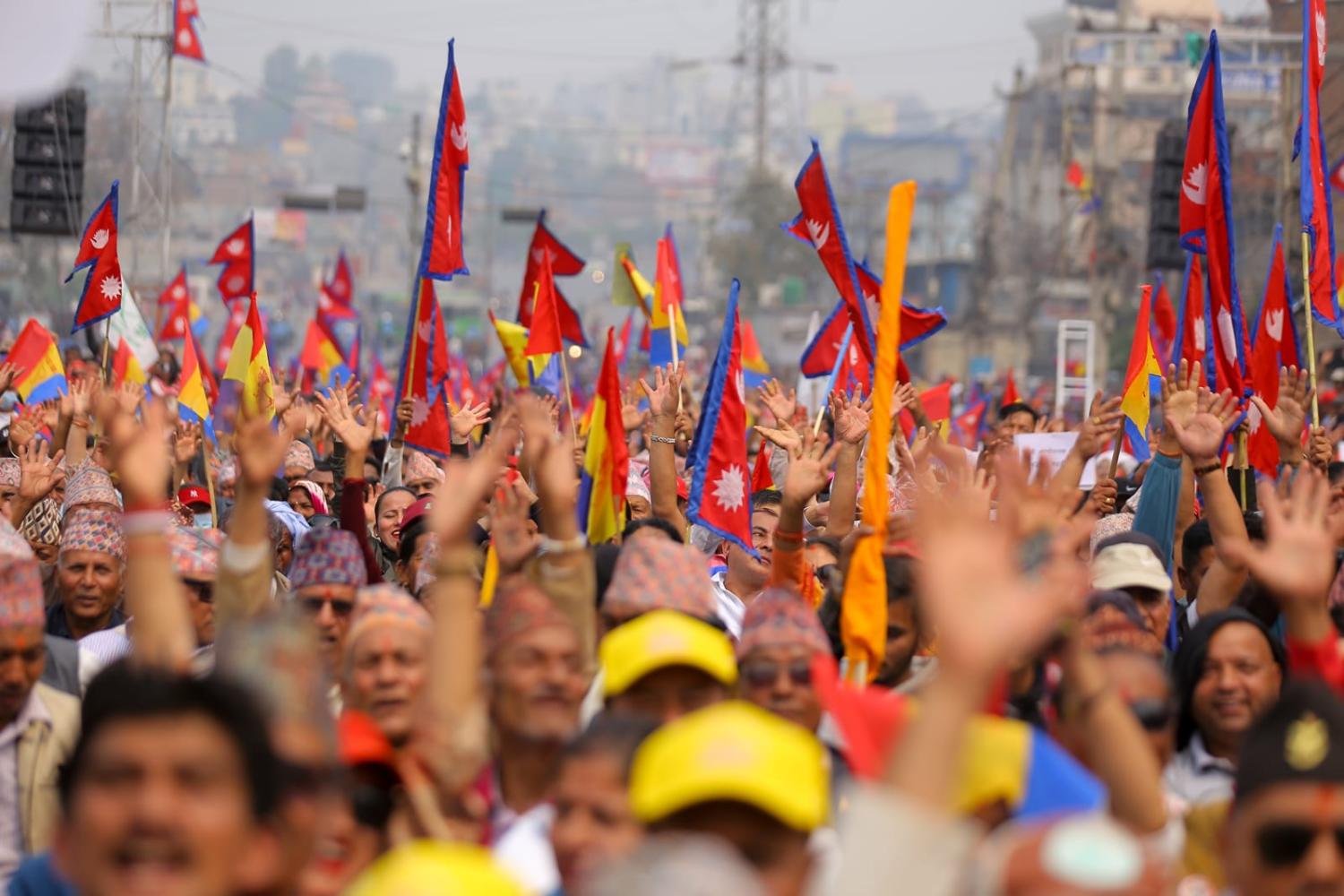
As the pro-monarchy movement in Nepal gains momentum, some political leaders start pointing fingers at India for lending inherent support to the agitation to restore former Nepal Nripati Gyanendra Shah in the historic Narayanhiti palace. The tiny Himalayan republic shares a border of over 1,850 kilometer with Uttarakhand, Uttar Pradesh, Bihar, West Bengal and Sikkim, where Assam supports a sizable Nepali speaking population, the ongoing turmoil has drawn a rapt attention from the people of northeast India as well.

Incidentally a royalist movement leader was picked up from Assam on 11 April and probably sent back to Kathmandu. Durga Prasai, who is accused of leading a violent protest in Kathmandu held on 28 March (killing three individuals including a Nepali television journalist) was arrested by the Nepali police from Jhapa district bordering India to avoid any complication from a non-functioning extradition treaty with Nepal. It’s assumed that the Assam police personnel detained Prasai from Guwahati and handed over to the Nepal police authority.

The Geneva-based global media safety & rights body Press Emblem Campaign (PEC) expressed shock over the killing of journalist Suresh Rajak and demanded a fair probe into the tragic incident that led to his death. PEC president Blaise Lempen, while expressing profound grief at his untimely demise of Rajak, urged the government to adequately compensate the bereaved family. He also revealed that Rajak was the first journalist to be killed in Nepal since 1 January 2025 where he is the 44th journalist killed globally this year.

The prolonged political instability in the government, rampant corruption and public sufferings in daily life & living have convinced the indigenous Nepali citizens that all political parties are fighting for their personal benefits only. Both the ruling and opposition leaders continue enjoying power in a rotational manner and in no way interested to address public grievances (or welfare to the common people). Taking advantage of the situation, the pro-royalist Rastriya Prajatantra Party denounced all the political entities and continued pursuing the return of Gyanendra Shah to the royal palace.

The KP Sarma Oli government in Kathmandu has already arrested hundreds of protesters who are demanding to bring back former king Gyanendra. Even the government accused him of inciting violence and lately decreased the number of security personnel (from 25 to 15) engaged with him. It has also planned to cancel the former king’s passport and the Kathmandu metropolitan authorities levied a cumulative penalty of Nepalese Rupees 793,000 against him. PM Oli even alleged that Gyanendra was inherently supported by Uttar Pradesh chief minister Yogi Adityanath.

Needless to mention that, a hardcore Hindu nationalist Adityanath publicly supported the reinstatement of Nepal’s Hindu identity. The Bharatiya Janata Party leader hosted many visits of Gyanendra to Lucknow. A politician, always seen in saffron attires with a shaved head adoring a sacred Tilak on his forehead and male ear Kundals, even addressed a public meeting in Kathmandu ten years back to propagate Nepal’s century old identity. In some protest programs, the agitators even carried Adityanath’s cut out along with the former king’s life size photograph.

However, a lead article in The Kathmandu Post newspaper elaborated ‘why monarchy is unlikely to return’ in Nepal. The piece insisted that Nepal’s future lies in addressing present challenges, not reviving the past. Gyanendra’s hopes still rests on a political mobilisation he has yet to undertake. The crown remains a relic—its restoration as improbable as conjuring a feast from the ether. Nonetheless, Nepal must navigate the challenges of its republic listening to the agitators sincerely, it added.

Nepal remains an independent country, but it enjoys proximity to Indian culture and philosophy. Prime Minister Narendra Modi, while meeting with Nepal premier during the 6th BIMSTEC summit in Bangkok on 4 April reiterated that being the largest democracy across the globe, India will always prefer a democratic Nepal. However, a large number of Indian people expressed their annoyance when Nepal changed its identity from being the last Hindu kingdom in the world to a federal republic in 2008. Today, a large section of Nepali people realise that the monarchy is an outdated idea and its full restoration will be an impractical idea, but they insist on restoring the king at the royal palace to play the symbolic role as the Head of the State.

scroll to top