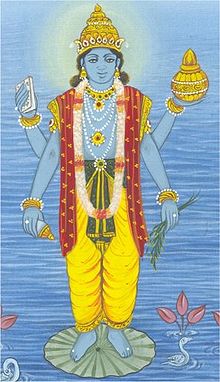
AGRA’S FAMOUS VAIDYA GALI Wears a deserted look on Dhanwantari jayanti

220px-Godofayurveda.jpg

Agra : In the neighbourhood of two world heritage monuments, the Taj Mahal and the Fort, Agra’s famous Vaidya Gali, has been a favourite of kings, politicians and the common man, for over a century and more, but these days the number of patrons has dwindled, as allopathy has come to dominate the health sector.

Agra, a city steeped in rich cultural heritage, Ayurveda has deep historical roots, particularly evident in the once-busy Vaidya Gali near Agra Fort.

Once a bustling hub for Ayurvedic practitioners and traditional medicines, Vaidya Gali now wears a deserted look, reflecting a shift in focus towards allopathy and modern healthcare practices.
“No where in India, even in Kerala, is there an exclusive market of Vaidyas practicing Ayurveda, but in Agra several generations of well known Vaidyas have had their shops or what may now be called clinics in one single lane, in the Rawat pada area close to Agra Fort,” recalls an old timer.
Once upon a time People from long distances made a bee line in the narrow lane since early morning, for consultation with one of the dozen Vaidyas, all coming from a single clan. “You could hear sounds from pounding of herbs or smell aromas from a distance,” Mukul bhai adds.

On Dhan Teras also known as Dhanvantari Divas, the area wore a festival look as special pujas were held for Dhanvantri, god of medicine. But today the once busy Vaidya gali has transformed into a wholesale market for consumer goods. The younger generation of vaidyas from the area has left for greener pastures. Many of them have taken to practising allopathy.

“Nowhere in India could you find so many famous and popular vaidyas (traditional doctors) practising ayurveda with dedication and strict adherence to the norms of the medical practice that were handed down across generations,” Kaushal Narayan Sharma, great-great grandson of the famous vaidya Ram Dutt Sharma, said.

Even Mahatma Gandhi once stayed in Agra in 1929, for 11 days, while under the treatment of a local vaidya. The house he lived in while under treatment is now the Gandhi Smarak adjacent to the Etmauddaula Tomb.

“My father told me that Gandhiji once had some infection. In Agra, he received mud and water treatment by a famous vaidya,” a priest of a famous Temple in Rawat Pada area said..

“We still have a few vaidyas in the area. The Kshetra Bajaja Samiti also runs an ayurvedic dispensary. The Rawatpara area, known as the spices mandi, also has numerous retail counters selling ayurvedic drugs, herbal concoctions, roots and skins, powders and ‘bhasm’. The demand has picked up after Baba Ram Dev’s Patanjali launched ayurvedic preparations in modern packaging, say the shop keepers.

While Kerala in south India has emerged as an important destination for Ayurvedic treatment, there are old-timers here who say that Agra Vaidyas though more knowledgeable and popular, failed to change with time and could not market their skills and products, resulting in loss of clientele.

Till 2000 there used to be around 20 Vaidyas but now the number has come down to just four.

Interestingly the names of all Vaidyas had the suffix Ram with their names, like Ram Bhushan, Ram Dutt, Ram Dinesh, Ram Adhaar, Ram Dhun, Ram Murti, etc.,

However, in 1937, Agra’s first X-ray unit was set up by Dr Ram Narayan, whose family now takes the name Narayan instead of Ram.

Though the extended family of these vaidyas owns more than 40 havelis and mansions in the heart of the city, around the famous Mankameshwar Temple, but the traditional profession of ‘vaidya-giri’ no longer attracts the younger generation.

“A heritage is on the verge of extinction,” lamented Rajiv Gupta, president Lok Swar.

Alternative therapies, particularly Ayurveda, have gained significant attention as spaces for holistic healing in modern health discussions. Ayurveda, a traditional Indian system of medicine, emphasizes balance between body, mind, and spirit, leveraging natural remedies and lifestyle practices for wellness. Revitalizing such traditional spaces is crucial for preserving Agra’s medicinal history while promoting the benefits of Ayurveda. Community awareness campaigns, workshops, and integration of Ayurveda into contemporary wellness programs can rekindle interest, enabling locals and visitors to explore these time-honored healing practices, thus fostering a blend of tradition and modern health consciousness.
Breaking Tradition: Widows Celebrate Diwali in Vrindavan

VRINDAVAN : In a significant departure from age-old customs, widows residing in Vrindavan rejoiced in the celebration of Diwali along the banks of the Yamuna River this past Tuesday.

Traditionally considered “inauspicious,” widows in India have long been excluded from participating in auspicious festivities, constrained by deep-rooted Hindu social norms.

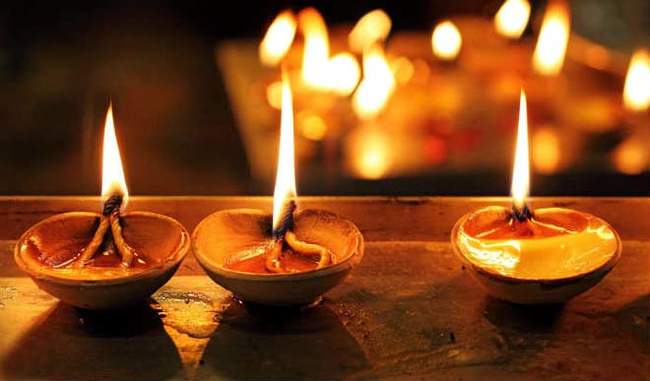
On this occasion, widow mothers from various shelter homes gathered at the historic KC Ghat to light vibrant diyas and partake in the Diwali festivities. The ghat was adorned with beautiful rangoli designs and illuminated by hundreds of earthen lamps. The women also chanted Krishna bhajans and danced in celebration.

Historically, Hindu tradition prohibited these widows from engaging in such rituals. To combat the societal stigma surrounding widowhood, noted social reformer the late Dr. Bindeshwar Pathak initiated a series of measures over a decade ago, including organizing Hindu celebrations like Diwali and Holi in Vrindavan. Sulabh has since held this special Diwali event each year.

Thousands of widows, predominantly from West Bengal, gathered to find joy and fellowship in these newly embraced traditions.
Breaking age old tradition Widows living in Vrindavan once again celebrated Deepawali on the bank of Yamuna in Vrindavan on Tuesday.

Usually,widows were treated as “inauspicious” and age old Hindu social system prevented them to take part in any auspicious occasion in India.

Widow mothers from various shelter homes gathered at historic KC ghat and lit colourful Diyas and celebrated Diwali . Widows decorated the ghat with rangoli and lit hundreds of earthen lamps. They also chanted Krishna bhajans and danced.

Earlier, as per Hindu tradition, these widows were not allowed to take part in any such rituals. To counter the social evil of Widowhood, noted Social reformer Late Dr. Bindeshwar Pathak initiated series of measures including organising Hindu rituals like Dipawali and Holi in Vrindavan about a decade ago. Since then Special Dipawali is being organised by Sulabh every year.

Thousands of widows, mostly from West Bengal, live in Vrindavan for decades and they were not allowed to take part in rituals, till social organisation Sulabh extended them a helping hand added Mrs Vinita verma, Vice President of Hope Foundation.

One of the widows Mrs Chabi Dasi says, “motivated by the series of revolutionary initiatives widows are now happy and enjoying stay in Vrindavan.”
Sulabh has been playing a leading role in adding mirth to the lives of the widows by organising other functions for from time to time.

On a routine basis, Sulabh provides them medical facilities and vocational training besides meeting their day-to-day needs so that they do not feel left out during the twilight years of their lives

घृणा की हद!

3-22.jpeg

गिरीश पंकज

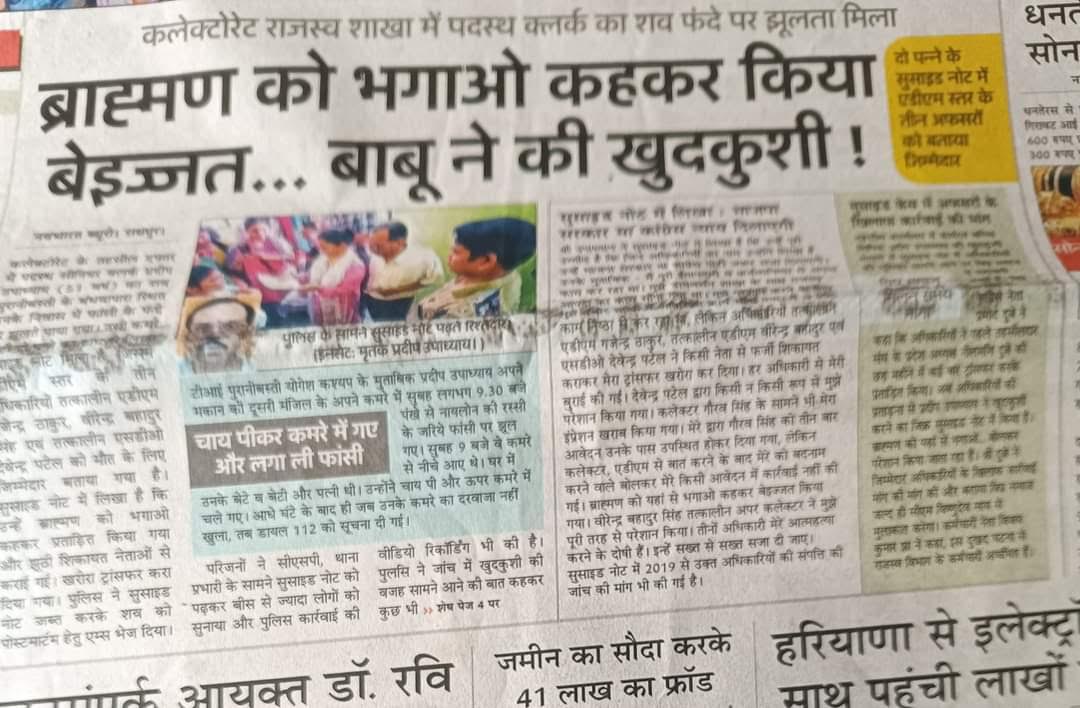
रायपुर में प्रदीप उपाध्याय नामक राजस्व विभाग के इक्यावन वर्षीय कर्मचारी ने आत्महत्या कर ली. उसने आत्महत्या के पहले जो पत्र लिखा, उसमें तीन अधिकारियों का नाम लेकर कहा है कि ये लोग मुझे निरंतर परेशान करते रहे हैं और ‘ब्राह्मण को यहाँ से भगाओ’ कहा करते हैं. कर्मचारी ने उच्च अधिकारियों से तीनों तिकड़ी के खिलाफ शिकायत की लेकिन कोई कार्रवाई न हुई तो अंततः दुखी होकर उसने आत्महत्या कर ली. मुझे क्या हर किसी को पता है कि हमारा सिस्टम इतना बेशर्म और पापी हो चुका है कि जिन-जिन लोगों के नाम सुसाइड नोट में लिखे गए हैं, उन पर कोई कार्रवाई नहीं होगी. कायदे से तो जिनके नाम सुसाइड नोट में लिखे हैं, उन पर आत्महत्या के लिए उकसाने का मामला दर्ज होना चाहिए. उन्हें निलंबित करना चाहिए.

गिरफ्तार करके जेल भेजा जाना चाहिए. अगर ऐसा कुछ हो सका तो यह अपने आप में चमत्कार होगा. इस घटना से आहत होकर पीयूष कांत नामक युवक ने आमरण अनशन की घोषणा कर दी. यह भावुकता में उठाया गया कदम है. उसे ऐसा नहीं करना चाहिए क्योंकि कोई परिणाम नहीं निकलेगा. आत्महत्या करने वाले प्रदीप उपाध्याय सज्जन व्यक्ति थे. उनकी सिधाई का सबसे बड़ा सबूत यही है कि मरने से पहले वह यह भरोसा कर गए कि उनकी आत्महत्या के जिम्मेदार लोगों पर सख्त कार्रवाई करेगी और उनकी संपत्ति की जांच भी की करेगी.

दीपावली की भावना को अपनाएँ: भौतिकवाद से परे बदलाव की आग जलाएँ

650x_2018110319224141.jpg

इस दिवाली, उत्सव की भावना को सकारात्मक बदलाव के लिए अपने जुनून को प्रज्वलित करने दें!

जब हम इस त्यौहार को मनाते हैं, तो हम सभी दोस्तों और दुश्मनों के लिए उनके जीवन में समृद्धि और खुशी की कामना करते हैं। अगर इच्छाएँ घोड़े होतीं, तो सभी दोस्तों और दुश्मनों को सद्भावना और रचनात्मक सक्रियता फैलाने के लिए इस उत्सव की भावना का उपयोग करना आसान होता।
हमारा समाज रचनात्मक नेतृत्व चाहता है जो लोगों को उच्च आदर्शों की ओर प्रेरित और उत्थान करने में सक्षम हो। जबकि भौतिकवाद की नियमित खोज वोट हासिल कर सकती है, वे समाज को सार्थक आध्यात्मिक और व्यक्तिगत विकास की ओर नहीं ले जा सकती हैं। याद रखें, मानवता, सिर्फ जीवित रहने मात्र से कहीं अधिक है।

वर्तमान में, एक नई पर्यावरण-चेतना की लहर उठी है, लेकिन इस तरह की पहलें अक्सर क्षणभंगुर होती हैं।

हमें बताया जा रहा है कि शोर रहित दिवाली के लिए हम पटाखे न फोड़ें। लेकिन यह दृष्टिकोण दिवाली सेलिब्रेशंस द्वारा लाए जाने वाले कैथार्टिक और परिवर्तनकारी आनंद को नजरअंदाज करने का जोखिम उठाता है, जो हमें क्रोध और आक्रामकता जैसी दबी हुई भावनाओं को व्यक्त करने की अनुमति देता है। पिछली पीढ़ियों के ज्ञान ने त्योहार की इस आवश्यक विशेषता को समझा था, और उस समझ में गहराई है। तो, इस दिवाली, त्योहार की भावना को अपने ऊपर हावी होने दें। जो लोग पटाखे फोड़ने का विरोध करते हैं, उनसे मैं कहता हूं: गहरे महत्व को समझें। पुराने समय के लोग जिन्होंने जीवन में निराशा और हिंसा की भारी खुराक दूर करने में दिवाली की जादुई विशेषता को पहचाना, वे मूर्ख नहीं थे। आक्रामकता और हिंसा मनुष्य में अंतर्निहित और बुनियादी हैं। सामान्य लोगों को भी गुस्सा आना चाहिए, हालांकि इस प्रवृत्ति की अभिव्यक्ति के चैनल मानसिकता और मौजूदा परिस्थितियों के अनुसार भिन्न हो सकते हैं। दिवाली के पटाखे हमें क्रोध की भाप और जानवरी प्रवृत्तियों को छोड़ने में मदद करते हैं। हर बार जब कोई पटाखा फूटता है, तो हमारे भीतर का दस या पचास ग्राम गुस्सा और हिंसा बाहर निकल जाती है, और हम बहुत राहत महसूस करते हैं। अंतरंग समन्वय के साथ पुरुषों और महिलाओं को खुशी से पटाखे फोड़ने और बच्चों की तरह नाचने गाने की गतिविधियों में भाग लेना चाहिए।

दिवाली, और उस मामले में सभी त्योहार, आराम करने का समय है। अपनी दबी हुई भावनाओं को बाहर निकालें। अगर आपके पास महंगे पटाखे खरीदने के लिए पैसे नहीं हैं, तो छत पर जाएँ और दूसरों को पर्यावरण को रंगीन, खुशनुमा बनाते हुए देखें और खुशी साझा करें। सब कुछ आपका है। अभाव में प्रचुरता का गुण महसूस करें और अपने आप में शांति महसूस करें। क्या फर्क पड़ता है कि पटाखे कौन फोड़ता है? यह ध्वनि और प्रकाश है जिसका आनंद लिया जाना चाहिए और साझा किया जाना चाहिए, और आप अपनी जेब खाली होने की चिंता किए बिना ऐसा कर सकते हैं। दिवाली वह समय है जब नकारात्मकता को खत्म किया जाना चाहिए जिसने आपके आंतरिक व्यक्तित्व को बर्बाद कर दिया है या उसे खिलने से रोक दिया है। बाहरी चमक को सौंदर्य प्रसाधनों से अस्थायी रूप से संवारा जा सकता है, लेकिन आंतरिक ज्ञान तब आएगा जब आप शांति के सहज अतिप्रवाह का अनुभव करेंगे।

इसलिए, इस अवसर का उपयोग अपने भीतर के बुद्ध को जगाने के लिए करें। अभी, हम नकारात्मकता और निराशावाद में डूबे हुए हैं; कुछ लोग शून्यवाद की ओर आकर्षित हुए हैं। ये आत्म-विनाशकारी वायरस हैं जिन्हें एंटीबायोटिक्स नहीं मार सकते। अगर दिवाली रोशनी से जगमगा सकती है और उच्च शोर स्तर आपकी आंतरिक आकाशगंगा को जगा सकता है, तो आपके लिए दुनिया बदल जाएगी। जीवन में खुशी छोटी-छोटी चीजों से आती है, न कि धन और भौतिक समृद्धि के अधिग्रहण से। यह ज्ञान हमें सदियों से ऋषियों और दार्शनिकों द्वारा दिया गया है। अगर संतुष्टि इतनी सस्ती मिल रही है और बिना किसी अतिरिक्त लागत के मिल सकती है, तो हमें इसे अपनाना चाहिए। “इसलिए मेरे साथ बूढ़े हों। सबसे अच्छा वक्त तो अभी आना बाकी है।”

scroll to top