Jyotish Peeth Shankaracharya Controversy: A Complex Battle of Tradition, Law, and Recognition

2-2-9.jpeg

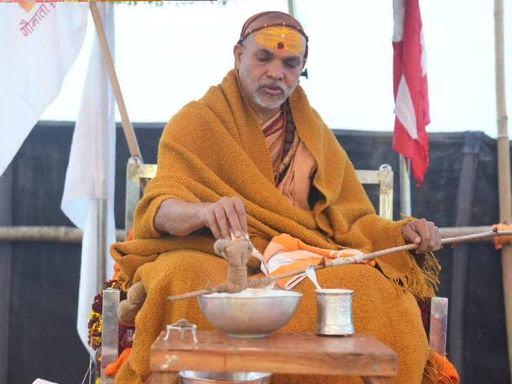
The dispute involving Swami Avimukteshwaranand Saraswati of Jyotish Peeth (Jyotirmath) during the Mauni Amavasya bath at the Magh Mela has once again brought the long-standing controversy over the Shankaracharya position at Jyotish Peeth—one of the major institutions of Sanatana Dharma—into the headlines. A notice issued by the Mela administration, citing a Supreme Court order and asking Swami ji to clarify the legitimacy of using the ‘Shankaracharya’ title, has made this issue even more serious. This is not merely the dispute of one individual but is connected to the tradition of the four principal peeths established by Adi Shankaracharya, legal processes, and institutional recognition.

The Four Principal Peeths Established by Adi Shankaracharya

In the 8th century, Adi Shankaracharya established four peeths in the four directions of India to unify Hinduism and preserve Advaita Vedanta:

North Direction: Jyotish Peeth (Jyotirmath) — Located near Badrinath in Chamoli district, Uttarakhand. This peeth represents the spiritual heritage of North India.

West Direction: Dwarka Sharada Peeth — Located in Dwarka, Gujarat. This peeth is dedicated to Sharada (Goddess Saraswati, deity of knowledge) and provides spiritual education and service. Its current Shankaracharya is Swami Sadanand Saraswati, appointed in 2022 after the demise of Swami Swaroopanand Saraswati.

East Direction: Govardhan Peeth — Located in Puri, Odisha. It promotes the principles of Advaita Vedanta. Its current Shankaracharya is Swami Nischalanand Saraswati, appointed in 1992.

South Direction: Sringeri Sharada Peeth — Located on the banks of the Tunga River in Chikkamagaluru district, Karnataka. Also known as Sringeri Sharada Peetham. Its current Shankaracharya is Swami Bharati Tirtha, who has been in position since 1989.

These four peeths are interconnected according to Adi Shankaracharya’s Mathamnaya Mahanushasana tradition. The appointment of a Shankaracharya requires the consent and qualification approval from the other peeths.

The Root of the Jyotish Peeth Dispute

The controversy at Jyotish Peeth is decades old, but the current crisis began after the demise of Swami Swaroopanand Saraswati (who held the Shankaracharya positions of both Jyotish Peeth and Dwarka Peeth) in September 2022. Swami Avimukteshwaranand, his disciple and close associate, declared himself the Shankaracharya of Jyotish Peeth based on an alleged will. However, this declaration has been contentious because:
Swami Swaroopanand never clearly appointed a successor during his lifetime. In 2020, he refused to nominate one.

The Akhil Bharatiya Akhada Parishad and many sannyasi akhadas have called it contrary to tradition. Appointment should be through consensus and qualification, not a will.

The Shankaracharyas of the other three peeths-Swami Sadanand Saraswati (Dwarka), Swami Nischalanand Saraswati (Puri), and Swami Bharati Tirtha (Sringeri)—have not recognized it.

Pending Supreme Court Case and Orders

In the case Swami Vasudevanand Saraswati vs. Others (Case 3010/2020), the dispute over the legitimate successor to Jyotish Peeth is ongoing. In October 2022, the Supreme Court stayed the pattabhishek (coronation) of Swami Avimukteshwaranand. The court clarified that no one can be treated as Shankaracharya or given protocol at the disputed peeth until a final decision is reached. The Shankaracharya of Puri Govardhan Peeth filed an affidavit stating he did not support the appointment.

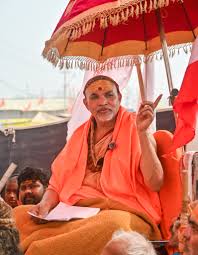
During the Magh Mela 2026, the administration issued a notice citing this very order. The notice stated that Swami Avimukteshwaranand is not considered the Shankaracharya of Jyotish Peeth and asked him to prove its legitimacy within 24 hours. Since 2022, he has never received Shankaracharya protocol at melas—he has attended as an ordinary saint.

Role of the Akhil Bharatiya Akhada Parishad

The Akhil Bharatiya Akhada Parishad is the supreme body representing the 13-14 akhadas of the sannyasi community. Its role is crucial in Shankaracharya appointments, as the akhadas are linked to Adi Shankaracharya’s tradition. In 2022, the Parishad declared Swami Avimukteshwaranand’s appointment invalid. Its president, Mahant Ravindrapuri, stated that appointment to the position must occur in the presence and with the consent of the akhadas, not through a will.

Current Situation

When his palanquin was stopped at the mela, Swami Avimukteshwaranand staged a dharna and accused the authorities of insult. However, the administration followed the Supreme Court order. The Congress and Samajwadi Party called it an “insult to a saint,” while the administration insists that following the law is mandatory.

This dispute is one of tradition versus personal claims. Swami Avimukteshwaranand describes himself as the (self-declared) Shankaracharya of both Jyotish Peeth and Dwarka Peeth, but he lacks institutional recognition. The Supreme Court’s final verdict will be decisive. Until then, questions over Jyotish Peeth’s legitimacy will persist, posing a challenge to the unity of
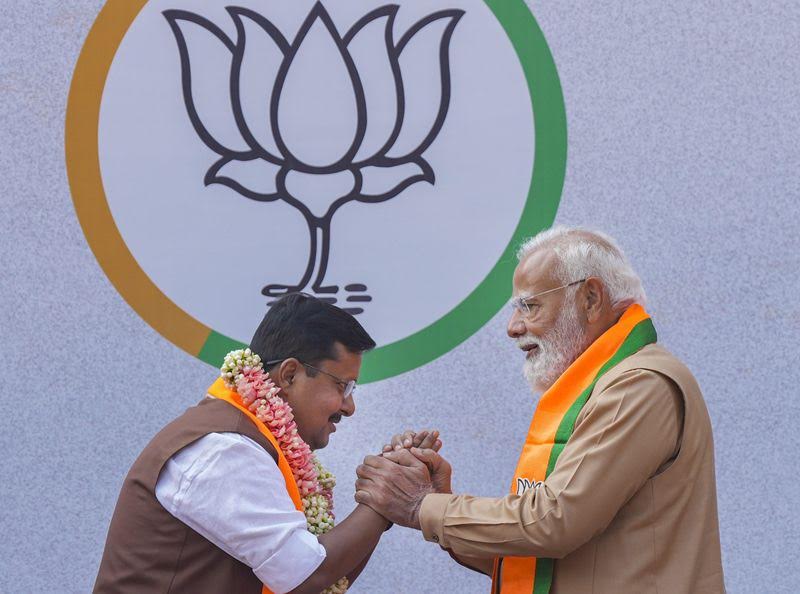
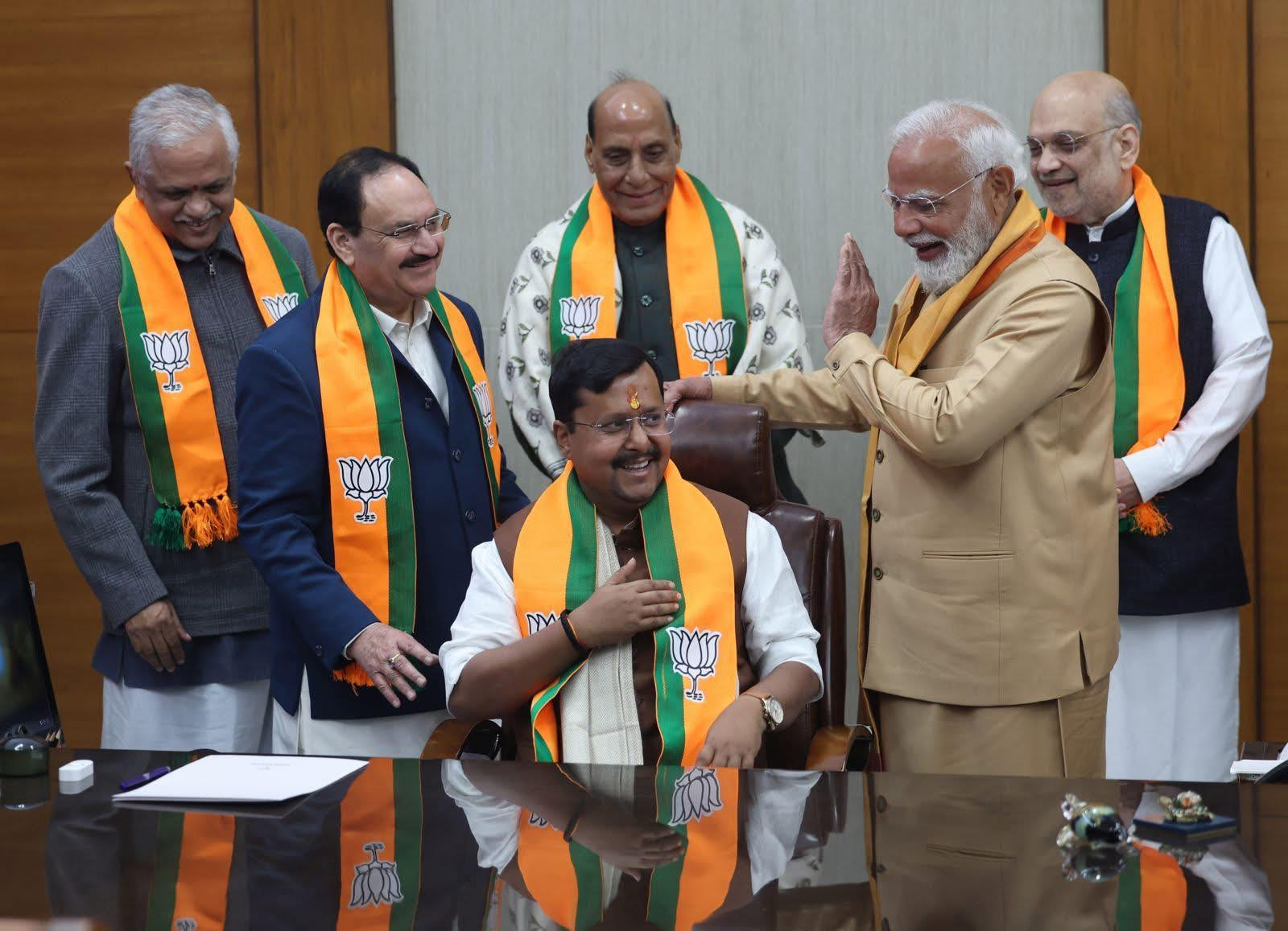
भाजपा अध्यक्ष Nitin Nabin ने अपने कार्यकर्ताओं कुछ इस तरह किया संबोधित

2-1-12.jpeg

दिल्ली। भारतीय जनता पार्टी में संगठन केवल एक व्यवस्था नहीं, बल्कि एक संस्कार है। आज @BJP4India के राष्ट्रीय अध्यक्ष के रूप में मेरा निर्वाचन एक साधारण कार्यकर्ता की असाधारण यात्रा को मिला सम्मान है और सेवा का दृढ़ संकल्प है।

इस नई जिम्मेदारी के लिए मैं माननीय प्रधानमंत्री श्री @narendramodi जी तथा पूर्व राष्ट्रीय अध्यक्ष माननीय श्री @JPNadda जी के प्रति अपनी कृतज्ञता व्यक्त करता हूँ। मैं उन सभी प्रदेशों और पार्टी के वरिष्ठ नेताओं का भी हृदय से आभार व्यक्त करता हूँ, जिन्होंने इस पद के लिए मेरा नाम प्रस्तावित किया।प्रधानमंत्री श्री नरेन्द्र मोदी जी ने देश को विकसित भारत बनाने का जो संकल्प दिया है, उसे साकार करने के लिए हम सभी पूर्ण एकजुटता और प्रतिबद्धता के साथ निरंतर कार्यरत रहेंगे।

मैं पूरे आदर और सम्मान के साथ श्री जे. पी. नड्डा जी के नेतृत्व के लिए उनका हार्दिक आभार प्रकट करता हूँ। उनके नेतृत्व में संगठन ने अभूतपूर्व विस्तार देखा, और कार्यकर्ता-आधारित राजनीति तथा सेवा की संस्कृति और अधिक सुदृढ़ हुई। उसी संगठनात्मक परंपरा को आगे बढ़ाना मेरा साझा संकल्प है।
भाजपा देश की एकमात्र ऐसी पार्टी है जहाँ बड़े पदों और बड़ी जिम्मेदारियों के लिए किसी विशेष परिवार से होना आवश्यक नहीं। यहाँ साधारण कार्यकर्ता होना ही सबसे बड़ी योग्यता है। इसी संगठन में एक सामान्य परिवार का व्यक्ति देश का प्रधानमंत्री बन सकता है और एक साधारण कार्यकर्ता राष्ट्रीय अध्यक्ष जैसे दायित्व तक पहुँच सकता है।

एक कार्यकर्ता के रूप में संगठन में जमीनी स्तर से लेकर आज इस दायित्व तक पहुँचना, मेरे लिए सौभाग्य और जिम्मेदारी दोनों है। पार्टी के वरिष्ठजनों और करोड़ों कार्यकर्ताओं के अटूट विश्वास व अपार सहयोग से ही यह संभव हुआ है। यही भारतीय जनता पार्टी की आत्मा है, और यही उसे अन्य राजनीतिक दलों से मूल रूप से अलग बनाती है।

डॉ. श्यामा प्रसाद मुखर्जी के बलिदान से लेकर पं. दीनदयाल उपाध्याय के एकात्म मानववाद तक, अटल बिहारी वाजपेयी जी के आदर्शों से लेकर प्रधानमंत्री श्री नरेन्द्र मोदी जी के निर्णायक और दूरदर्शी नेतृत्व तक, भाजपा का हर कदम एक ही संकल्प से संचालित रहा है: राष्ट्र प्रथम।
भाजपा ने हमेशा युवा शक्ति पर भरोसा किया है और यह भरोसा केवल नारों तक सीमित नहीं रहा। यह संगठन की संरचना, निर्णय प्रक्रिया और नेतृत्व निर्माण में लगातार दिखाई देता है। राजनीति कोई 100 मीटर की रेस नहीं बल्कि मैराथन है। 100 मीटर की रेस में स्पीड का टेस्ट होता है वहीं मैराथन में स्टेमिना का टेस्ट होता है। इसलिए युवाओं को धैर्य के साथ राजनीति की पिच पर जमे रहने की जरूरत है।

सेवा, विस्तार और कार्यकर्ता सशक्तिकरण की यह संगठनात्मक यात्रा देश के यशस्वी प्रधानमंत्री श्री नरेन्द्र मोदी जी के नेतृत्व, रक्षामंत्री श्री @rajnathsingh जी, मा० केंद्रीय गृह मंत्री श्री @AmitShah जी, व केंद्रीय सड़क परिवहन एवं राजमार्ग मंत्री श्री @nitin_gadkari जी के संगठनात्मक मार्गदर्शन और देशभर के समर्पित कार्यकर्ताओं के निरंतर परिश्रम से आगे बढ़ी है, और आगे भी इसी सामूहिक शक्ति से आगे बढ़ेगी।
आज मैं देश के प्रत्येक भाजपा कार्यकर्ता से कहना चाहता हूँ: आप केवल कार्यकर्ता नहीं हैं, आप राष्ट्र निर्माण के सिपाही हैं। आपका संघर्ष, आपकी निष्ठा और आपका परिश्रम भारत के उज्ज्वल भविष्य की सबसे मजबूत नींव है।

हमारा लक्ष्य बिल्कुल स्पष्ट है: 2047 तक भारत को विकसित राष्ट्र बनाना और प्रधानमंत्री जी के संकल्प को सिद्ध करना। एक ऐसा भारत बनाना, जहाँ विकास और विरासत साथ-साथ आगे बढ़ें।

मुझे ज्ञात है कि यह यात्रा लंबी है और चुनौतियाँ भी आएँगी, लेकिन भाजपा का कार्यकर्ता कभी डगमगाता नहीं, क्योंकि वह सत्ता की नहीं, सेवा और संकल्प की राजनीति करता है।

मुझे गर्व है कि मैं इस महान संगठन का कार्यकर्ता हूँ। मुझे गर्व है कि मैं भाजपा परिवार का हिस्सा हूँ।

आप सभी के मार्गदर्शन, स्नेह और सहयोग की अपेक्षा है।

जय भाजपा। जय भारत!

PM Modi Hails Nitin Nabin as ‘My Boss’: Youngest BJP National President Takes Charge in Historic Shift

2-16.jpeg

Bihar Minister Nitin Nabin Appointed National President of BJP

Delhi : Bihar government minister and five-time MLA from Patna’s Bankipur assembly seat, Nitin Nabin, has been appointed as the national president of the party. This appointment not only signals a new wave of young leadership in the party but also demonstrates that any dedicated worker in the BJP can rise to the top position. At 45 years old, Nitin Nabin has now become the youngest executive president of the country’s largest political party. His appointment has created a stir in political circles, with discussions everywhere about the secret behind the BJP’s organizational strength.

Nitin Nabin was born in Patna into a political family. His father, the late Nabin Kishore Prasad Sinha, was a senior BJP leader and former MLA. After his father’s death in 2006, Nitin Nabin entered politics at the young age of 26. He won the by-election from Bankipur (then Patna West) seat and has since continuously won this seat in the 2010, 2015, 2020, and 2025 elections. This is proof of his deep grassroots connection and popularity among the people. From the beginning, Nitin Nabin established himself as a hardworking worker. Starting his student politics with the Akhil Bharatiya Vidyarthi Parishad (ABVP), Nitin played a significant role in the BJP Yuva Morcha (BJYM). He has served as the state president of Bihar BJYM and national general secretary. During this time, he made important contributions to connecting youth with the party.

Nitin Nabin’s political journey is built on strengthening the organization. He has worked as election in-charge in states like Sikkim and Chhattisgarh. Particularly, his role in the BJP’s decisive victory in the 2023 Chhattisgarh assembly elections was commendable. In Bihar too, he has been active in strengthening the party’s urban and booth-level organization. In the Bihar government, he currently serves as the Road Construction Minister and has previously handled the Law Ministry. Along with administrative experience, his simplicity and direct dialogue with workers set him apart. Prime Minister Narendra Modi, on his appointment, said that Nitin Nabin is a dedicated worker whose energy and loyalty will give new strength to the party. Home Minister Amit Shah also described it as an inspiration for young workers.

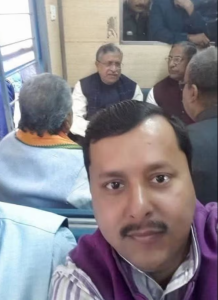
An old photo of Nitin Nabin is going viral on social media these days. In this photo, he is standing during a train journey, while senior leader late Sushil Kumar Modi and former state president Nand Kishore Yadav are seated behind him. Nitin Nabin is taking a selfie with both of them. This photo is from his early days when he was a young worker. It shows that Nitin Nabin never looked at the dignity of positions but always prioritized respect for seniors and service to the party. Such humility has brought him to this stature today. This photo is a symbol of the BJP’s culture, where the hard work of a worker is respected.

The biggest strength of the BJP is its organizational structure. The party’s policy has been that any ordinary worker, if dedicated and hardworking, can reach the top position. Nitin Nabin is a living example of this. He is neither from any big dynasty nor from Delhi’s power circles but has risen from the grassroots level. Looking at the party’s history, this tradition has been continuing since the time of Jan Sangh. From Lal Krishna Advani and Atal Bihari Vajpayee to Narendra Modi and Amit Shah—all started as workers. JP Nadda also became full president from working president. Now, Nitin Nabin’s appointment is carrying forward this tradition. It sends the message that in the BJP, it is not caste, region, or familyism that matters, but work and loyalty. This policy keeps the party young and energetic. Nitin Nabin’s appointment will encourage the new generation in the party. The rise of a young leader from a state like Bihar also strengthens the party’s national image.

Nitin Nabin’s appointment is a new chapter for the BJP. His youthful energy, organizational skill, and administrative experience will prepare the party for upcoming challenges. This proves that the BJP is a vibrant organization where an ordinary worker can also reach extraordinary heights. Nitin Nabin’s journey is an inspiration for millions of workers and a subject of praise for the BJP’s policy that gives the highest respect to hard work. In the future, under Nitin Nabin’s leadership, the BJP will surely become even stronger. His humility and dedication will take the party’s ideology to the new generation.

Indigo Flight Disruptions- December 2025: Findings, Enforcement Action and Systemic Reforms

Indigo-Airlines-Stalemate-Continue-1200x698-1.jpg

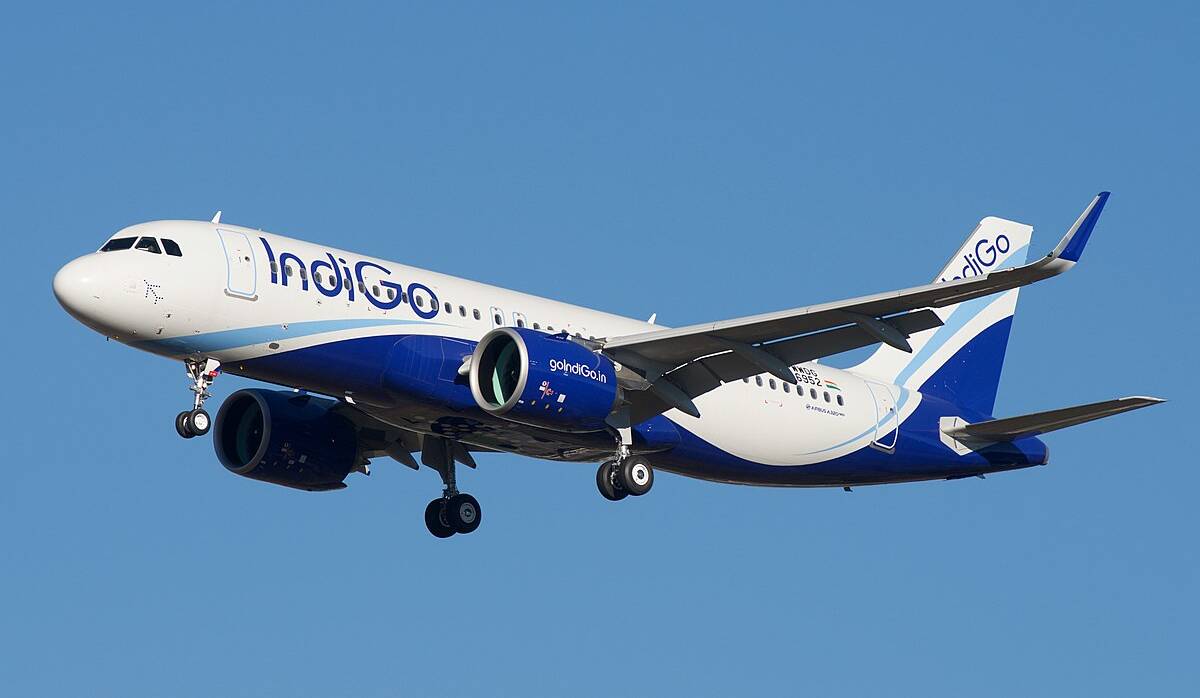
Delhi : Following the large-scale delays and cancellations reported by M/s IndiGo during the period from 3rd to 5th December 2025—resulting in the cancellation of 2,507 flights and delays of 1,852 flights and causing inconvenience to over three lakh passengers stranded at various airports, on the directions of MoCA, a four-member Committee was constituted by DGCA to undertake a comprehensive review and assessment of the circumstances leading to the operational disruptions of M/s IndiGo.

The Committee conducted a detailed inquiry and took statements of the relevant stakeholders and thoroughly studied the network planning, rostering and software being deployed by Indigo for the same.

The key findings of the Inquiry Committee were that

the primary causes for the disruption were over-optimisation of operations, inadequate regulatory preparedness along with deficiencies in system software support and shortcomings in management structure and operational control on the part of M/s IndiGo.

The Committee observed that the airline’s management failed to adequately identify planning deficiencies, maintain sufficient operational buffer, and effectively implement the revised Flight Duty Time Limitation (FDTL) provisions. These lapses resulted in widespread flight delays and large-scale cancellations, causing inconvenience to passengers.

The Inquiry further noted an overriding focus on maximising utilisation of crew, aircraft, and network resources, which significantly reduced roster buffer margins. Crew rosters were designed to maximise duty periods, with increased reliance on dead-heading, tail swaps, extended duty patterns, and minimal recovery margins. This approach compromised roster integrity and adversely impacted operational resilience. The inquiry also included within its purview long term reform measures addressing systemic issues so that such incidents do not occur in the future and passengers are not put to any inconvenience.

The findings underscore the need for balanced operational planning, robust regulatory preparedness, and effective management oversight to ensure sustainable operations and passenger safety and convenience.

The Committee’s findings and recommendations were forwarded to MoCA. After due deliberations, DGCA has undertaken the following enforcement actions:

Action against officials of Interglobe Aviation:

Caution to the CEO for inadequate overall oversight of flight operations and crisis management, Warning to the Accountable Manager (COO) for failure to assess the impact of Winter Schedule 2025 and the revised FDTL CAR leading to widespread disruptions and Warning to the Senior Vice President (OCC) with directions to relieve him of current operational responsibilities and not to assign any accountable position, for failure in systemic planning and timely implementation of revised FDTL provisions.

Additionally, Warnings have also been issued to Deputy Head–Flight Operations, AVP–Crew Resource Planning, and Director–Flight Operations for operational, supervisory, manpower planning, and roster management lapses. Further, M/s IndiGo has been directed to take appropriate action against any other personnel identified through its internal inquiry and submit a compliance report to DGCA.

In addition to individual enforcement actions, one time financial penalty is imposed on M/s Indigo Airlines for non-compliance with directions issued under Rule 133A of the Aircraft Rules, 1937, attracting penalties under the applicable statutory provisions as per following details:

Sl. No.
CAR Reference
Nature of Non-Compliance
Penalty Prescribed
1
CAR 7/J/III (FDTL CAR)
Failure to establish and effectively implement a scheme for compliance with limits of Flight Time, Flight Duty Period, Duty Period and Rest Periods; inadequate buffer margins in roster planning
₹30,00,000
2
CAR 7/J/III
Failure to strike balance between commercial imperatives and crew members’ ability to work effectively
₹30,00,000
3
CAR 8/O/VII – Part A (General)
Non-compliance with instructions outlining responsibilities of operations personnel pertaining to the conduct of flight operations
₹30,00,000
4
CAR 8/O/II – Para 3.1.4
Improper delegation and exercise of operational control responsibilities contrary to approved methods
₹30,00,000
5
CAR 3/C/II – Annexure III, Para 1
Failure of accountable management to ensure overall functioning, financing, and conduct of operations to DGCA standards
₹30,00,000
6
CAR 3/C/II – Annexure III, Para 2.4
Post holders failed to discharge duties with adequate understanding of aviation safety standards, CARs, and operational manuals
₹30,00,000

In addition for continued non-compliance with the provisions of CAR 7/J/III (Revised FDTL CAR) Para 3.11 and Para 6.1.4) for a period of 68 days, i.e., from 05 December 2025 to 10 February 2026 (both days inclusive).

Daily Penalty: ₹30,00,000
Total Days of Non-Compliance: 68 days
Total Penalty for Continued Non-Compliance:
68 × ₹30,00,000 = ₹20,40,00,000/-
(Rupees Twenty Crore Forty Lakh Only)

Component
Amount
One-time systemic penalties
₹1.80 crore
Continued non-compliance penalty
₹20.40 crore
Total Penalty Imposed
₹22.20 crore
(Rupees Twenty-Two Crore Twenty Lakh Only)

In addition to the above, Indigo has been ordered to pledge a bank guarantee of ₹ 50 crore in favour of DGCA, to ensure compliance with the directives and long term systemic correction. The Bank Guarantee–linked reform framework of ₹50 crore titled the IndiGo Systemic Reform Assurance Scheme (ISRAS) for IndiGo, under which phased release of the Bank Guarantee is strictly tied to DGCA-verified implementation of reforms across four pillars—leadership and governance (₹10 crore upon certification within 3 months), manpower planning, rostering and fatigue-risk management (₹15 crore linked to initial and sustained compliance over 6 months), digital systems and operational resilience (₹15 crore upon acceptance of upgrades and safeguards within 9 months), and board-level oversight with sustained compliance (₹10 crore after six months of continued adherence over a 9–15 month period). Release of the bank guarantee will be contingent upon independent verification and certification by DGCA at each stage. This has been undertaken to ensure that systemic reforms being undertaken are closely monitored by MoCA and DGCA in coordination with senior management of Indigo in the interest of aviation ecosystem improvement.

DGCA also recognizes that the turnaround achieved by M/s IndiGo was notably swift, and the airline was able to restore its operations to normal levels within a very short period of time. DGCA also recognises that apart from ensuring timely refunds and CAR compensation to the affected passengers, on the directions of MoCA Indigo has additionally extended a ‘Gesture of Care’ (GoC) voucher of ₹10,000 having a validity of 12 months for flights that were cancelled or delayed by more than 3 hours from 3rd to 5th December 2025.

Further, on the directions of MoCA, an internal inquiry is being undertaken to identify and implement systemic improvements within the DGCA.

DGCA reiterates that safety and regulatory compliance remains paramount, and that all enforcement actions are directed towards strengthening systemic resilience and ensuring sustained operational safety in civil aviation, ensuring that the legitimate interests and well-being of pilots, crew and other operational personnel are duly safeguarded.

scroll to top