भारत के पवित्र तीर्थ स्थलों की रूह: कंक्रीट और कारोबारी बाजार को भेंट

optimized-eodv-1200x900-1.jpg

बनारस: तीन दशक पहले मुरैना के 85 वर्षीय सीताराम एक ऐसी यात्रा पर निकले थे, जो आज की पीढ़ी के लिए लगभग कहानी बन चुकी है। नंगे पाँव बद्रीनाथ तक पैदल। न कोई टाइम-टेबल, न ऑनलाइन बुकिंग, न वीआईपी पास। हिमालय की पथरीली पगडंडियाँ, होंठों पर भजन, और तारों से ढकी रातों में साथ चलते अनजान लोग, यही उनकी दौलत थी। रास्ते में सब मिलकर सादी रोटियाँ खाते, एक सुर में “ॐ जय बद्रीनाथ-हरि” गाते। थकान होती थी, पर मन हल्का रहता था। लौटकर उन्होंने गोवर्धन की 21 किलोमीटर की परिक्रमा की। हर कदम भक्ति था। हर ठहराव एक कथा। बुज़ुर्गों से कृष्ण की लीलाएँ सुनते और भीतर कुछ बदलता हुआ महसूस करते।

आज सीताराम उस दौर को याद कर गहरी साँस लेते हैं। तीर्थयात्रा अब पैरों की नहीं, मशीनों की हो गई है। भजन की जगह हॉर्न हैं। कीर्तन पर मोबाइल की घंटियाँ भारी हैं। ठहरकर मनन करने की जगह जल्दबाज़ी है, सेल्फ़ी, रील, चेकलिस्ट। जो यात्रा कभी आत्मा को छूती थी, वह अब पर्यटन पैकेज बन गई है। सुविधाजनक है, तेज़ है, पर भीतर से ख़ाली। आस्था अब भी है, मगर सामूहिक अनुभूति और वह सुकून कहीं खो गया है। भारत के प्राचीन तीर्थ, जिन्हें सदियों तक साधना का केंद्र माना गया, आज सुनियोजित ढंग से बाज़ारू पर्यटन स्थलों में बदले जा रहे हैं। नतीजा, पर्यावरण की तबाही, संस्कृति का क्षरण और एक गहरा आध्यात्मिक संकट।

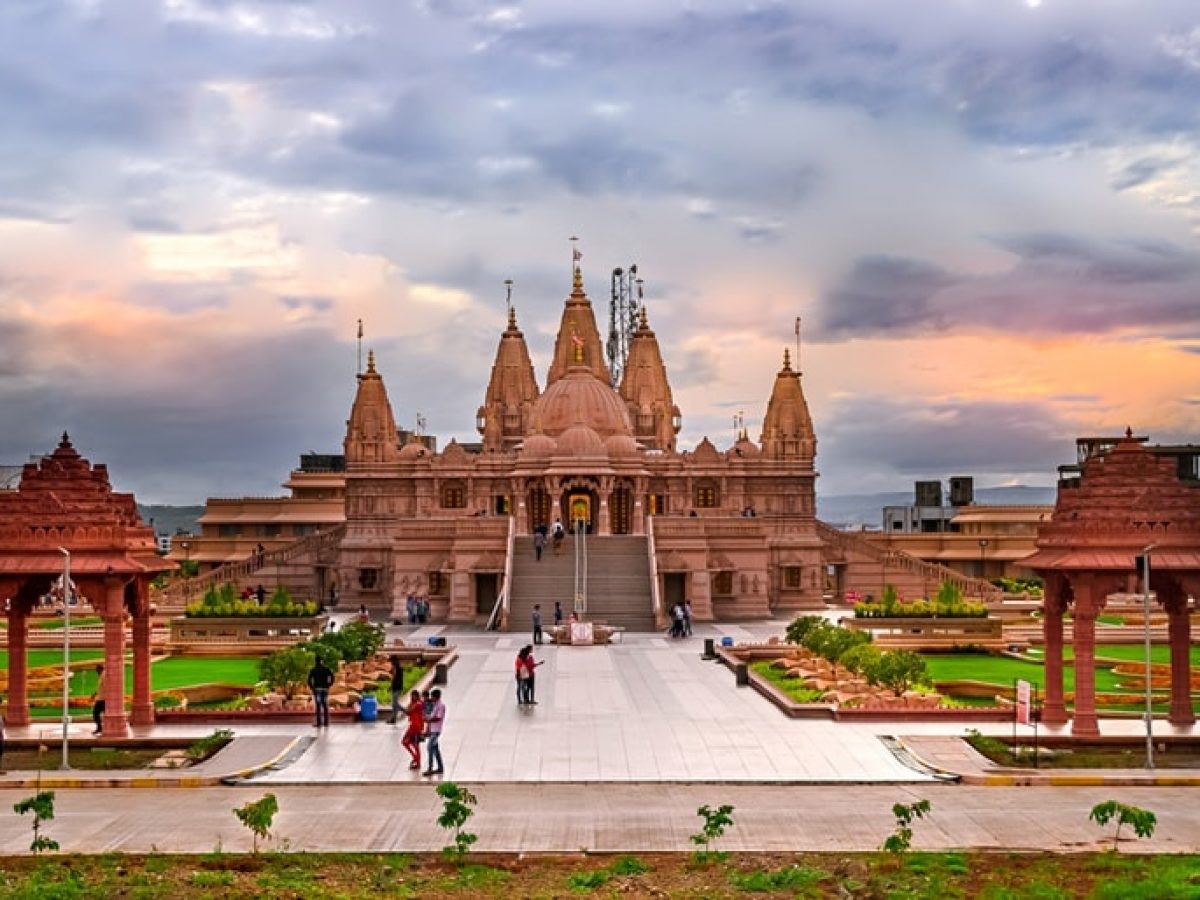
मैसूरु की चामुंडी पहाड़ियाँ इस बदलाव की साफ़ तस्वीर हैं। 1,058 मीटर ऊँची यह पहाड़ी देवी चामुंडेश्वरी का धाम है। कभी भक्त पुराने पत्थरों की सीढ़ियाँ चढ़ते थे। अब यहाँ “सौंदर्यीकरण” के नाम पर 45 करोड़ रुपये की योजना उतर आई है। PRASHAD योजना, जो तीर्थ सुविधाएँ बढ़ाने का दावा करती है, यहाँ चौड़ी सड़कें, रोपवे, एम्फ़ीथिएटर और दो हज़ार गाड़ियों की पार्किंग ले आई। यह सब एक नाज़ुक पारिस्थितिकी पर, जहाँ ज़रा-सी छेड़छाड़ भूस्खलन बुला सकती है। स्थानीय लोग, पर्यावरणविद्, मंदिर प्रबंधन, सबने पर्यावरण प्रभाव आकलन की माँग की। पर काम चलता रहा। जनवरी 2026 में विरोध भड़का, तब जाकर रुका। हाईकोर्ट ने भी चेताया, 200 से ज़्यादा वनस्पतियाँ और संकटग्रस्त काला हिरण ख़तरे में हैं। सवाल सीधा है: क्या राजनीति इस पवित्र पहाड़ी को कंक्रीट का जंगल बना देगी?

यह कहानी एक जगह की नहीं। वाराणसी का काशी विश्वनाथ कॉरिडोर भीड़ तो बढ़ाया है, पर गंगा को साफ़ नहीं कर पाया। हज़ारों करोड़ खर्च हुए, फिर भी नदी में गंदगी बह रही है। जो गंगा शुद्धि की प्रतीक थी, वह कई जगह ज़हरीली जीवनरेखा बन चुकी है। वृंदावन में यमुना और भी बदहाल है, अमोनिया, झाग, मरी हुई मछलियाँ। फिर भी करोड़ों श्रद्धालु आते हैं। ढाँचा चरमरा रहा है, नदी दम तोड़ रही है।

चारधाम परियोजना ने हिमालय को और असुरक्षित बना दिया। रास्ते चौड़े हुए, पहाड़ कटे, विस्फोट हुए। नतीजा, भूस्खलन, धँसते गाँव, जोशीमठ जैसा संकट। पहाड़ों में विकास का मतलब अगर बुलडोज़र है, तो यह विकास नहीं, निमंत्रण है आपदा को।

धीरे-धीरे साधना लेन-देन बन रही है। केदारनाथ में हेलिपैड, आश्रमों की जगह लग्ज़री रिसॉर्ट। दर्शन समयबद्ध। वैष्णो देवी में लोग कहते हैं, आध्यात्मिक माहौल कम हो गया है। दुआ से ज़्यादा ध्यान तस्वीरों पर है। शांति पर शोर हावी है।

आर्थिक दावे भी अधूरे सच हैं। अयोध्या जैसे प्रोजेक्ट्स में कमाई का बड़ा हिस्सा बाहरी ठेकेदारों के पास जाता है। स्थानीय लोगों को मिलती है महँगाई। किराए तीन गुना तक बढ़ते हैं। जंगल कटते हैं, प्लास्टिक जमा होता है। पवित्र इलाक़ों में शराब-मांस की दुकानें घुस आती हैं। पुजारी मैनेजर बन जाते हैं। दर्शन एक जल्दबाज़ी का दृश्य बन जाता है। भीतर की यात्रा बस टिक-मार्क।

यह संकट सिर्फ़ भारत का नहीं। मक्का, वेटिकन, बोधगया, हर जगह भीड़, कचरा, प्रदूषण और आध्यात्मिकता का पतलापन। ओवर-टूरिज़्म भक्ति की आत्मा को घिस देता है।

हल हैं, आगंतुक सीमा, इको-ज़ोन, पैदल क्षेत्र, ज़ीरो-प्लास्टिक नियम, और समुदाय के हाथ में प्रबंधन। पर राजनीतिक इच्छाशक्ति कमज़ोर है। तात्कालिक फ़ायदे भारी हैं।

कभी पहाड़ विनम्रता सिखाते थे। नदियाँ नवजीवन का गीत गाती थीं। आज वे चेतावनी दे रही हैं। अगर बुलडोज़र यूँ ही चलते रहे, तो हम सिर्फ़ प्रकृति और विरासत नहीं खोएँगे, हम आस्था की रूह को कंक्रीट और नीयॉन के नीचे दफ़्न कर देंगे। चुनाव हमारे हाथ में है, इन स्थलों को आत्मिक परिवर्तन का केंद्र बनाएँ, या उन्हें कारोबार के हवाले कर दें। यही तय करेगा कि भारत की पवित्र विरासत ज़िंदा रहेगी, या सिर्फ़ उनसे जुड़े कहानी किस्से, यादों में।
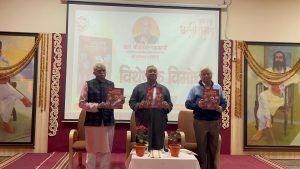
हर व्यक्ति के आचरण में हो सामाजिक समरसता : श्री रामदत्त चक्रधर

2-5-2.jpeg

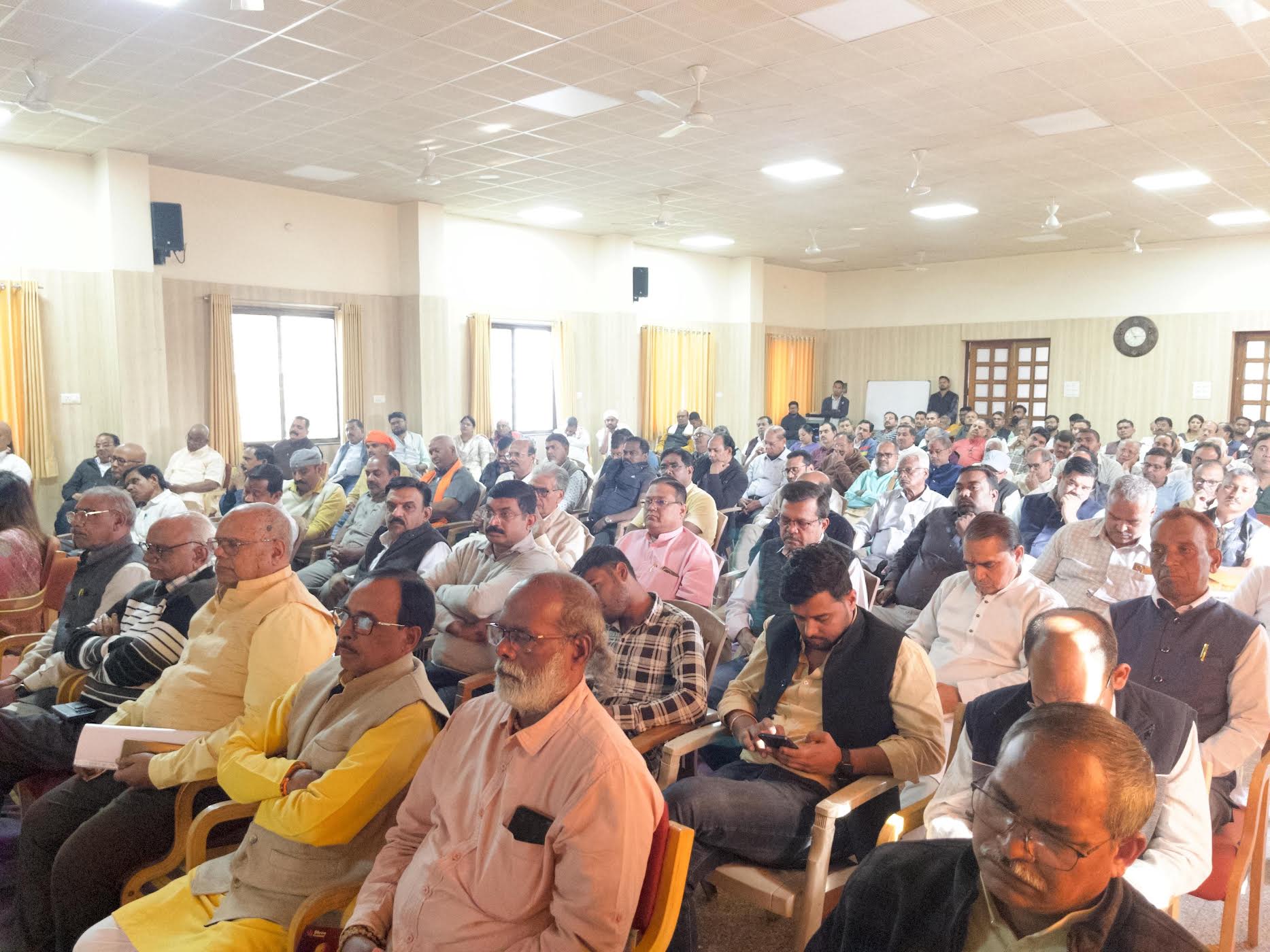
रायपुर | विश्व संवाद केंद्र छत्तीसगढ़ द्वारा प्रकाशित ‘समरस छत्तीसगढ़ विशेषांक’ का विमोचन राष्ट्रीय स्वयंसेवक संघ के प्रान्त कार्यालय जागृति मंडल में शनिवार को सम्पन्न हुआ. इस अवसर पर मुख्य अतिथि के रूप माननीय सह सरकार्यवाह श्री रामदत्त चक्रधर एवं कार्यक्रम की अध्यक्षता प्रान्त संघचालक माननीय डॉ टोपलाल वर्मा जी ने की.

विमोचन के अवसर पर श्री रामदत्त चक्रधर जी ने कहा, भारत वर्ष का इतिहास एवं समाज जीवन की रचना अत्यंत प्राचीन है, जो समाज जितना प्राचीन होता है उतना ही उतार-चढ़ाव देखता है. समाज जब एक रस होता है तो उत्थान की ओर अग्रसर होता है. शरीर के अंगों के काम अलग-अलग हैं, लेकिन सबके अंदर एक रस है. किसी अंग को चोट लगती है तो हर अंग अपनी प्रतिक्रिया देता है. हमारे किसी भी ग्रन्थ में विषमता का कोई उल्लेख नहीं है. आदरणीय डॉ बाबा साहेब भीमराव अंबेडकर भी यह बात कहते हैं. भारतीय साहित्य में कहीं विषमता और शोषण का उल्लेख नहीं है लेकिन फिर भी समाज में विकृति आई, उसके पीछे सबसे बड़ी वजह हम अपना स्वत्व और मूल राष्ट्रीय चरित्र को भूलना था. इस्लामिक एवं अंग्रेजों के शासन के समय समाज को तोड़ने का कार्य हुआ इसके बाद भी समाज में लोगों ने कठिन से कठिन कार्य स्वीकार्य कर लिया लेकिन धर्म और अपनी संस्कृति को नहीं छोड़ा.

पूज्य बाबा साहब के आदर्श, उनका चिंतन हमें स्मरण करना होगा. आज समाज में समरसता के विषय में बहुत अच्छे कार्य हुए, ऋषि मुनियों और महान पुरुषों के योगदान से विषमता कम हुई है लेकिन फिर भी समाज में समरसता हेतु प्रबोधन की आवश्यकता है.संत पूज्य रैदास, महान वीर सावरकर, पं मदन मोहन मालवीय जी समेत अनेक समाज सुधारकों व माँ भारती के सपूतों ने समरसता के लिए प्रयास किया जिससे आज हमारा समाज समरस है. पूज्य बाबा गुरु घासीदास ने मनखे-मनखे एक समान का मंत्र दिया, उसे देश ही नहीं विश्व को अपनाना होगा. राष्ट्रीय स्वयंसेवक संघ के वर्धा शिविर में महात्मा गांधी संघ की शाखा में आए तो स्वयंसेवकों से परिचय किया. किसी ने जाति का परिचय नहीं दिया तो वह आश्चर्यचकित रह गए, उन्होंने शाखा कार्य पद्धति की प्रशंसा की. इसी तरह पूज्य बाबा साहेब डॉ भीमराव अम्बेडकर ने भी संघ की शाखा में सामाजिक समरसता का जो भाव देखा उसकी प्रशंसा की.
कार्यक्रम में प्रान्त प्रचारक श्री अभय राम जी, प्रान्त प्रचार प्रमुख संजय तिवारी, रायपुर महानगर संघचालक श्री महेश बिड़ला, सह प्रान्त प्रचार प्रमुख नीरज समेत बड़ी संख्या में प्रबुद्ध जन उपस्थित रहे.

Yamuna – The Lifeline of Delhi: Pollution vs Solution

2-2-6.jpeg

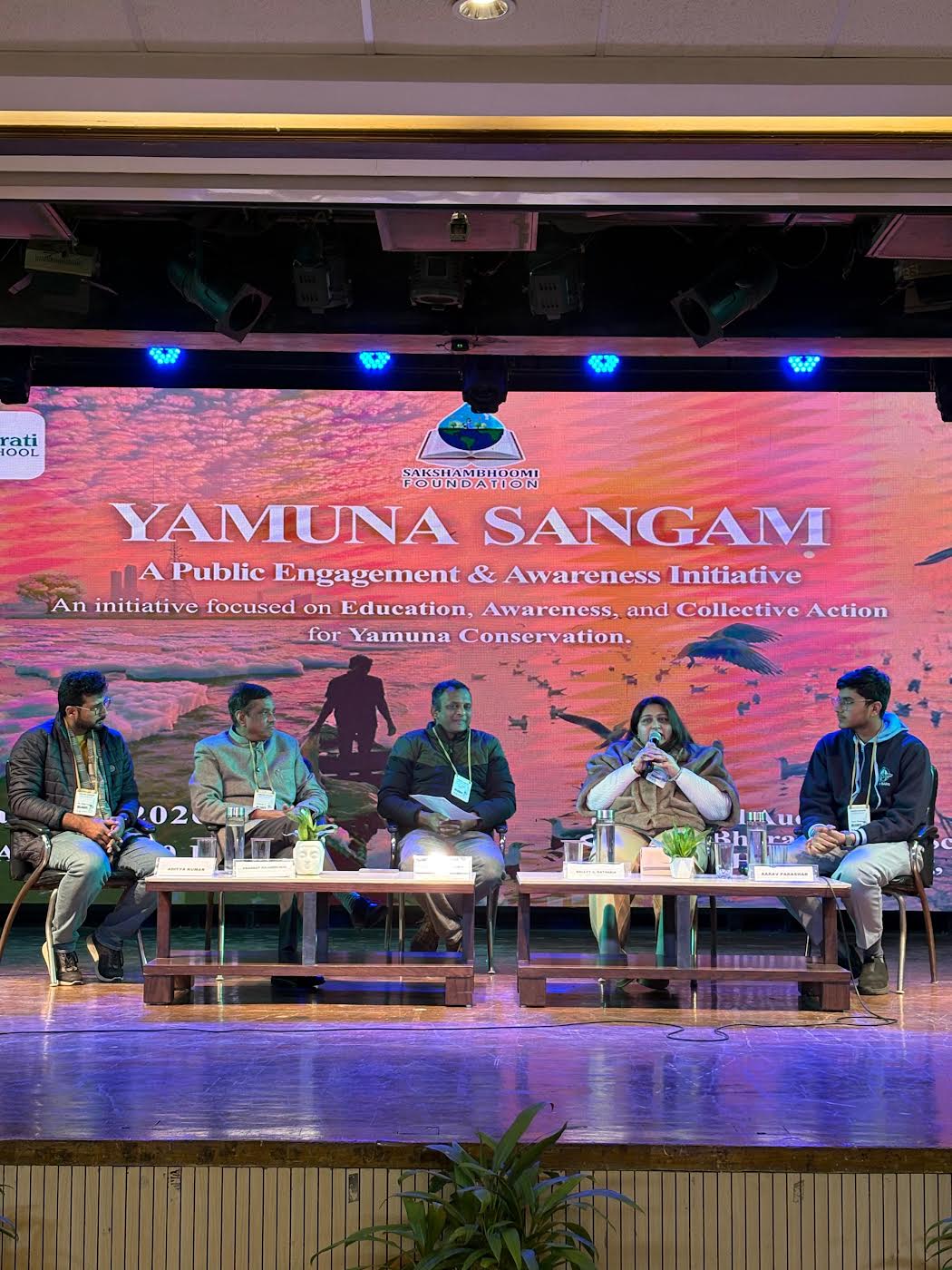
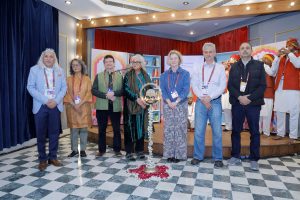
New Delhi | Recognising the Yamuna River as the lifeline of Delhi and the urgent need for collective action to address its pollution, the 1st Annual Conference – “Yamuna: Pollution vs Solution” was organised today as a half-day, stakeholder-driven and action-oriented platform.

The conference was convened under the concept of “Yamuna Sangam”, envisioned as a collaborative platform to connect SMEs, government representatives, scientists, environmental experts, authors, media professionals, NGOs, educators, youth and community members actively engaged in the conservation and rejuvenation of the Yamuna River. The initiative brought together a true sangamof ideas, expertise and on-ground experience to deliberate on sustainable solutions.

The event was organised in collaboration with Bal Bharati Public School, Ganga Ram Hospital Marg, and was supported by the National Mission for Clean Ganga (NMCG), Ministry of Jal Shakti. The conference aimed to strengthen the transition from Jal Bhagidari to Jan Bhagidari, reinforcing river conservation as a Jan Andolan.

A key highlight of the conference was the address by Mohd Najeeb Ahsan, who shared valuable insights into the Namami Gange Mission and ongoing initiatives for river rejuvenation. Dr Gladbin Tyagihighlighted the health impacts of Yamuna pollution on communities, underlining the urgent need for integrated environmental and public health interventions. The event was graced by Capt Vikas Gupta, Chairman, UPCAR (MoS).

The conference witnessed the participation of a diverse audience, including Gen Z participants, students, NGOs and community volunteersworking across various Yamuna ghats. Beyond discussions, the conference successfully facilitated networking, dialogue and collaboration among stakeholders to enhance collective impact.

As a key outcome, working groups were formed for individual Yamuna ghats, enabling stakeholders to collaborate regularly on solution-oriented, on-ground initiatives at their respective locations. This approach was envisaged to ensure continuity, coordination and sustained engagement for the rejuvenation of the Yamuna.

Through Yamuna Sangam, the conference moved beyond dialogue to promote collective ownership, coordinated action and long-term partnerships, reaffirming a shared commitment to restoring the Yamuna River and safeguarding the ecological and public health future of Delhi.

From Chessboards to Cosmos: Ideas Ignite on Day 2 of Vedanta Presents Jaipur Literature Festival 2026

2-1-8.jpeg

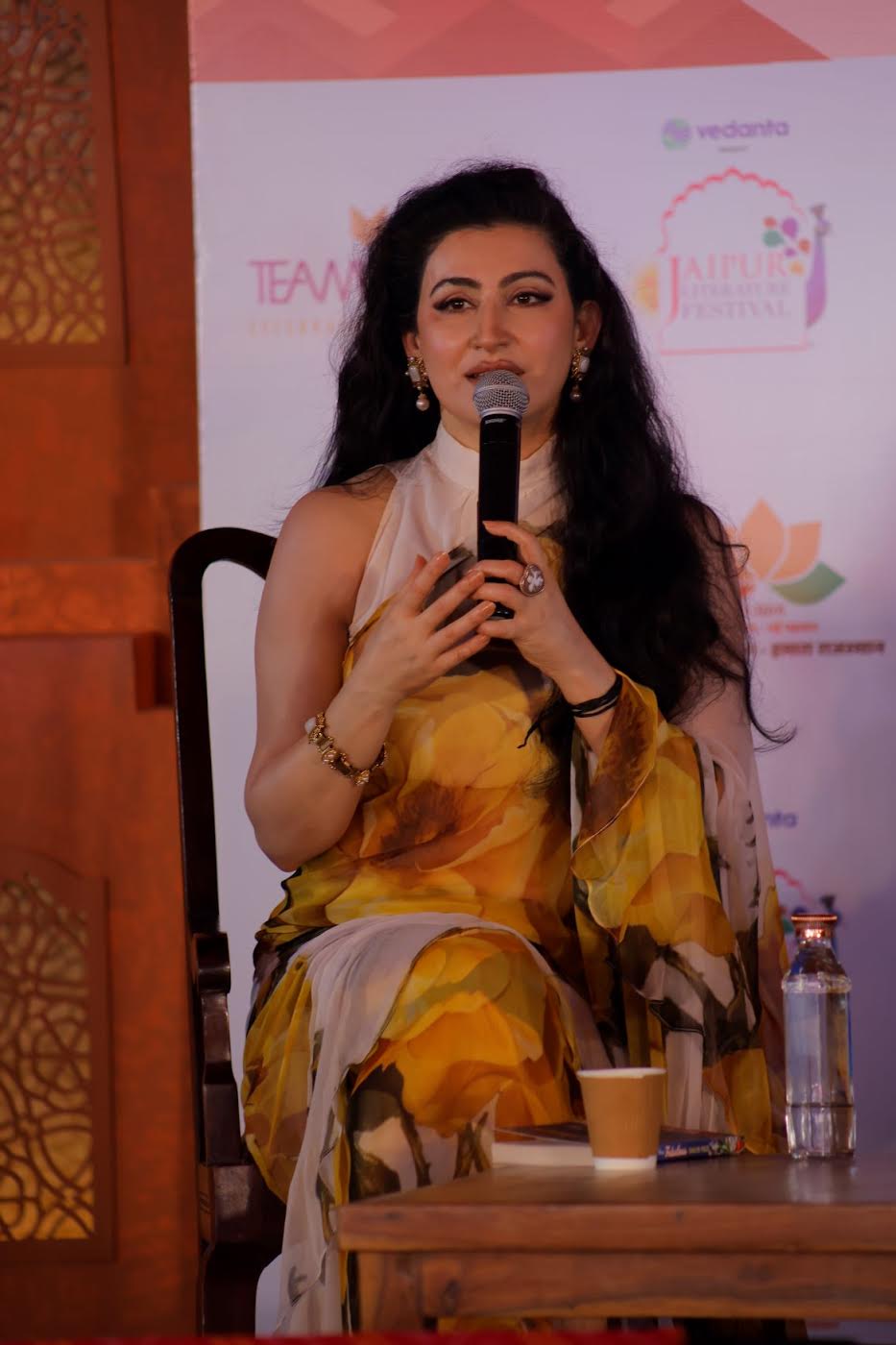
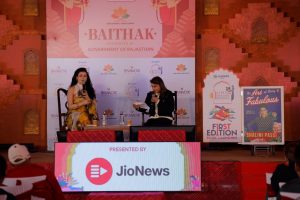
The Jaipur Literature Festival 2026, presented by Vedanta, continued its reputation as the world’s grandest literary celebration on Day 2, transforming Hotel Clarks Amer in Jaipur into a vibrant hub of intellectual exchange, cultural performance, and forward-looking announcements. Building on the momentum from the opening day—which featured the launch of Aman Nath’s Older, Bolder, unveiled by Sanjoy K. Roy and Zeenat Aman—the second day delivered a multifaceted program that spanned chess strategy, philanthropy, travel narratives, linguistic wit, historical reclamation, cosmic mysteries, and artistic innovation. Audiences filled venues, eager to engage with ideas that bridged personal journeys, societal challenges, and universal questions.

The day opened with a soul-stirring Morning Music performance by Bhanwari Devi of the Bhopa community, whose folk rendition evoked Rajasthan’s timeless traditions and set a contemplative tone for the sessions ahead.

One of the morning’s highlights was Lightning Kid, where world chess champion Viswanathan Anand conversed with Rahul Bhattacharya about his storied career, the evolution of tactics in global chess, and the inspirations behind his book Lightning Kid. Anand reflected on his mother’s profound influence and shared candid anecdotes from his path, including the unglamorous realities of rigorous training, immense pressures, and occasional failures. He urged young players to cultivate passion beyond reward, stating, “You should have one thing you do, intentionally and passionately, that you do not get paid for.” The session blended humor, humility, and strategic insight, reminding attendees that true mastery stems from curiosity and perseverance.

Shifting to societal impact, The Philanthropy Paradox brought together Nobel laureate Esther Duflo, Siddharth Sharma, Vaibhav Budhraja, and Kanta Singh, moderated by Naushad Forbes. The panel dissected the purpose of philanthropy, celebrated success stories, and grappled with complexities in collaborations between governments, NGOs, and private trusts. Discussions highlighted the need for better coordination and amplified women’s contributions, which remain underrepresented despite their potential to drive meaningful change.

The spirit of exploration continued in The Travel Session, featuring Geoff Dyer, Lyse Doucet, Noa Avishag Schnall, and Pallavi Aiyar in conversation with Monisha Rajesh. Authors read from their recent works and debated the essence of travel writing—not merely as memoir, but as an immersion in environments, cultures, and personal transformations. Their perspectives underscored how journeys reveal broader truths about identity and the world.

British icon Stephen Fry captivated audiences in A Bit of Fry, a wide-ranging dialogue with Anish Gawande. Tracing his path from a challenging childhood to becoming one of Britain’s most cherished figures, Fry celebrated language as salvation. He delved into his love of anagrams, the influence of Oscar Wilde on his humor, the pleasures of verbal exuberance, and reflections on identity, creativity, shame, social media, and the timeless power of ideas and rituals. His trademark wit and intellectual depth made the session both entertaining and profoundly moving.

History reclaimed center stage in The Lost Heer: Women in Colonial Punjab, where Harleen Singh discussed his book with British journalist Anita Anand. Singh emphasized the scarcity of documented histories for Punjab’s women, often filtered through a colonial lens portraying them as martial figures while overlooking their femininity and everyday lives. “The history of common women is found in folklore; it’s found in recipes; it’s found in random pictures,” he noted, explaining his deliberate choice of the title—Heer symbolizing the quintessential Punjabi woman whose stories are scattered yet enduring.

A highlight for science enthusiasts was God Particle: The Story of Everything, featuring CERN scientist Archana Sharma and astrophysicist Geraint Lewis, in conversation with Marcus du Sautoy. The panel unraveled the universe’s fundamental mysteries, focusing on the Higgs boson—known as the “God particle”—which imparts mass to other elementary particles. Sharma emphasized, “Every discovery today is a catalyst for tomorrow,” while both scientists advocated using mathematics to benefit humanity, inspiring awe at the cosmos and science’s role in progress.
The day brought exciting announcements: JLF’s expansion with a new international edition in the Island of Ireland, scheduled for May 22–31, 2026, following successes in the USA, Valladolid, and London. The reveal featured a captivating fiddle performance by Ivan Rodrick, followed by remarks from Ambassador Kevin Kelly, Niamh Campbell, Michelle Galan, Sam McBride, Fintan O’Toole, Sonja Hyland, and Sanjoy K. Roy. Additionally, Teamwork Arts shared dates for the Sleepwell Presents The Sacred Amritsar Festival 2026 (February 20–22), promising a lineup including Padma Shri Kailash Kher and Kailasa, The Anirudh Varma Collective, The Kutle Khan Project, and Usha Uthup.

Art lovers gathered for Ojas Art: Ascending Roots, a conversation between Ravinder Reddy and Premjish Achari, introduced by Anubhav Nath. The session explored tradition, innovation, and cultural storytelling in contemporary Indian art. It culminated in the presentation of the 2026 Ojas Art Award to Pisadu Ram Mandavi, a visual artist from Chhattisgarh’s Muria tribe, by Sonya Rhie Mace. Mandavi will create live artworks throughout the festival, offering attendees an immersive experience.
Day 2 at the Jaipur Literature Festival 2026 exemplified its enduring appeal: a dynamic fusion of intellect, creativity, and cultural connection. From Anand’s strategic reflections to Fry’s linguistic fireworks, and from cosmic revelations to reclaimed histories, the sessions fostered dialogue that challenges, inspires, and unites. As the festival progresses, anticipation builds for Day 3, featuring Sudha Murty on The Magic of the Lost Earrings, Gaur Gopal Das on living fully, AI discussions in Human Edge, and explorations of free speech with Fara Dabhoiwala. In Jaipur’s historic embrace, ideas continue to flourish, proving once again why JLF remains the greatest literary show on Earth.

scroll to top