Goa’s Body Cam Revolution: A Model Every State Should Copy

3-2-7.jpeg

Panjim : Social Media activist Tejinder Bagga, a prominent BJP leader, recently shared a powerful observation from his trip to Goa that deserves national attention.

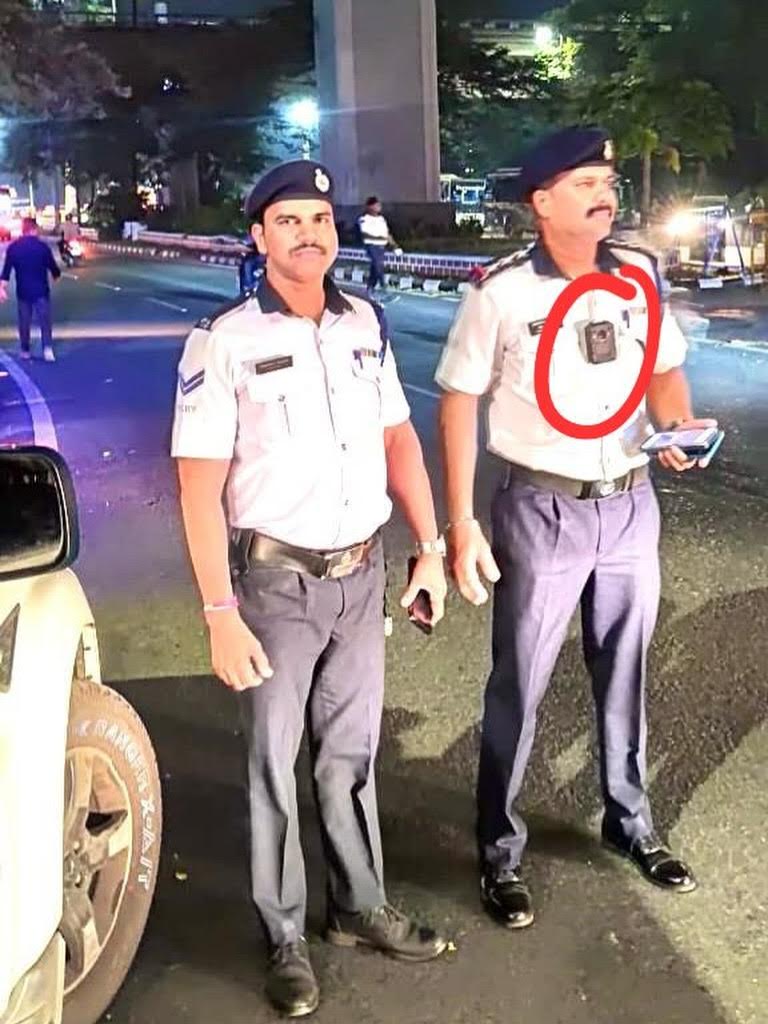
He wrote: “Last night I was driving from Panjim to Ashvem and saw a traffic police officer checking cars. He had a body cam recording the entire interaction. I asked him about it, and he said CM Dr Pramod Sawant has made a rule in Goa that only officers with body cams can issue challans. This isn’t just stopping corruption, it’s bringing real transparency into the system. I genuinely feel all states should follow this model.”

This simple yet revolutionary policy, introduced under Chief Minister Dr Pramod Sawant, mandates that traffic police must wear functional body cameras while issuing challans. No body cam—no fine. The message is clear: every interaction between a citizen and a traffic officer will be recorded, leaving no room for arbitrary fines, harassment, or under-the-table settlements.

In a country where traffic police encounters often breed suspicion and allegations of bribery, Goa has set a gold standard for accountability. The presence of a body camera protects both the citizen and the honest officer. Disputes can be settled with evidence, not arguments. False complaints against policemen reduce, and corrupt practices get exposed instantly.

What Goa has done is not just administrative reform—it’s a trust-building measure between the state and its people. Other states, especially those struggling with rampant traffic police corruption, must take note. Body cameras are affordable, easy to implement, and deliver immediate results.

Kudos to CM Dr Pramod Sawant for showing the way. It’s time the rest of India followed.

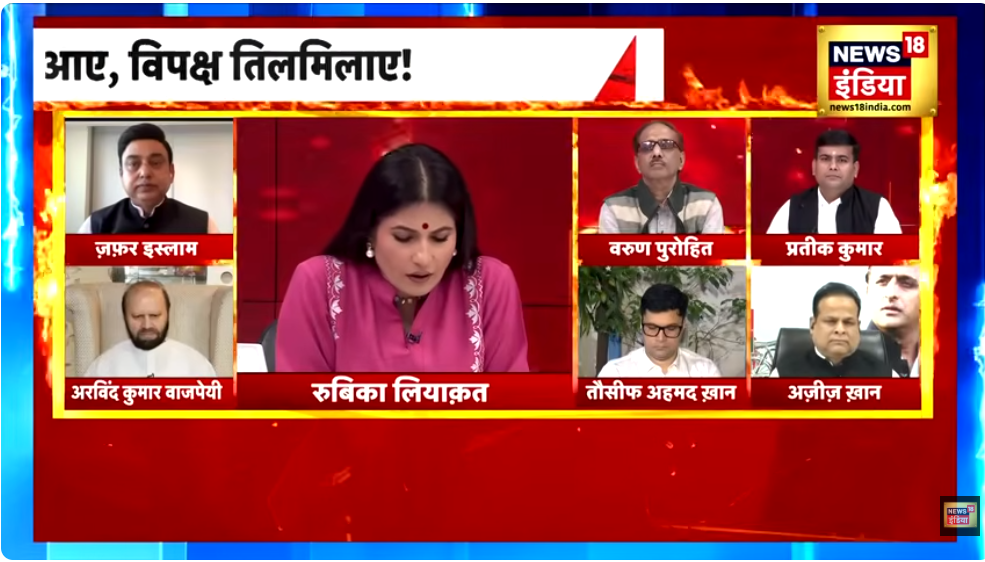
रूबिका लियाकत की जीरो टॉलरेंस नीति: डिबेट में अभद्रता पर सख्त कदम

3-1-2.png

दिल्ली। भारतीय पत्रकारिता के मंचों पर टीवी डिबेट शो अक्सर गरमागरम बहसों का गवाह बनते हैं, लेकिन हाल ही में न्यूज 18 इंडिया की प्रमुख एंकर रूबिका लियाकत ने अपनी ‘जीरो टॉलरेंस’ नीति से एक नया उदाहरण कायम किया। एक लाइव डिबेट में तृणमूल कांग्रेस (टीएमसी) के समर्थक तौसिफ अहमद खान द्वारा अभद्र भाषा का इस्तेमाल करने पर रूबिका ने उन्हें शो से बाहर निकाल दिया। यह घटना न केवल टीएमसी की राजनीतिक रणनीति पर सवाल उठाती है, बल्कि मीडिया में महिलाओं की गरिमा और सभ्य बहस के मानदंडों को भी रेखांकित करती है।

घटना का केंद्र बिंदु बांग्लादेशी हिंदुओं का मुद्दा था। डिबेट में बंगाल में अवैध घुसपैठ की चर्चा हो रही थी। तौसिफ ने दावा किया कि बंगाल में हुई घुसपैठ में 80 प्रतिशत हिंदू शामिल हैं और इन्हें केंद्रीय गृह मंत्री अमित शाह ने ही लाया है। यह बयान न केवल तथ्यों से परे था, बल्कि राजनीतिक पूर्वाग्रह से प्रेरित लग रहा था। रूबिका ने तुरंत पलटवार किया, स्पष्ट करते हुए कि बांग्लादेश के हिंदू यदि भारत की नागरिकता चाहते हैं, तो नागरिकता संशोधन अधिनियम (सीएए) में उनके लिए स्पष्ट प्रावधान है। वे घुसपैठ के बजाय वैध आवेदन देकर आसानी से नागरिक बन सकते हैं। इस तर्क ने तौसिफ के झूठ को बेनकाब कर दिया।

लेकिन तौसिफ की प्रतिक्रिया शो की गरिमा के लिए कलंकपूर्ण साबित हुई। सीएए के प्रावधानों का जिक्र होते ही उन्होंने अभद्र और अपमानजनक भाषा का सहारा लिया, जो न केवल एंकर के प्रति असम्मान था, बल्कि दर्शक वर्ग के प्रति भी। रूबिका, जो स्वयं एक महिला पत्रकार हैं, ने इस पर कोई ढील नहीं बरती। उनकी जीरो टॉलरेंस नीति अपनाई और उन्होंने तौसिफ को धक्के देकर शो से बाहर किया और कहा, “इस शो से बाहर हो जाओ। अपनी घर की महिलाओं, अपनी बीवी और बच्चों से ऐसे ही बात करना।” यह कथन न केवल सख्त था, बल्कि एक नैतिक संदेश भी देता था: सार्वजनिक मंच पर अभद्रता की कोई जगह नहीं।

यह घटना टीएमसी की आंतरिक संस्कृति पर भी सवाल खड़े करती है। नहीं भूलना चाहिए कि तृणमूल का नेतृत्व ममता बनर्जी के पास है और वे स्वयं एक महिला हैं। तृणमूल कांग्रेस पार्टी को अपने समर्थकों को महिलाओं से कैसे व्यवहार करते हैं, इसका प्रशिक्षण देना चाहिए। तौसिफ अहमद खान जैसे लोग किसी पार्टी के लिए कलंक ही नहीं, समाज के लिए भी खतरा हैं।

रूबिका का कदम महिलाओं को सशक्त बनाने वाला है। मीडिया में महिलाओं को अक्सर चुनौतियों का सामना करना पड़ता है, और ऐसी घटनाएं उन्हें और मजबूत बनाती हैं।

रूबिका की यह नीति प्रशंसनीय है। डिबेट शो सूचना का माध्यम हैं, न कि व्यक्तिगत हमलों का। अभद्रता पर जीरो टॉलरेंस से न केवल शो की गुणवत्ता सुधरती है, बल्कि दर्शकों को सकारात्मक संदेश भी मिलता है। सोशल मीडिया पर इस वीडियो ने तहलका मचा दिया है, जहां यूजर्स रूबिका की तारीफ कर रहे हैं। यह घटना याद दिलाती है कि पत्रकारिता में सत्य और शिष्टाचार दोनों जरूरी हैं। यदि राजनीतिक बहसें ऐसी ही सख्ती से संचालित हों, तो लोकतंत्र मजबूत होगा।

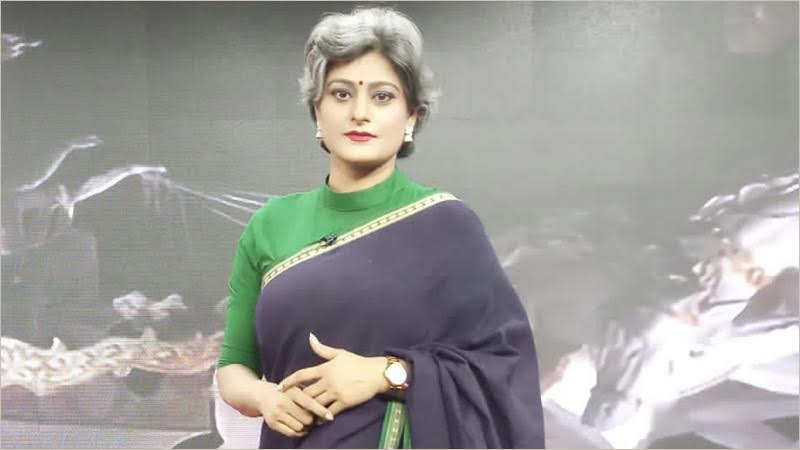
आरक्षण के मुद्दे पर कन्फ्यूज हो गईं न्यूज 24 पर गरिमा सिंह

3-1-10.jpeg

दिल्ली। अपने डिबेट ‘सबसे बड़ा सवाल’ में एंकर गरिमा सिंह कन्फ्यूज हो गई थीं। उन्होंने अल्पसंख्यक की अवधारणा और आरक्षण में संबंध स्थापित करने की ऐसी जिद अपने शो में की कि उनके साथ पैनलिस्ट भी कन्फ्यूज दिखाई दीं। जबकि उन्हें गरिमाजी से पूछना था कि अल्पसंख्यक की अवधारणा और आरक्षण में वह क्या संबंध स्थापित करना चाहती हैं?

एंकर ख़ुद भी कन्फ़्यूज़ थीं और पैनलिस्ट को भी कर रहीं थी।  पैनलिस्ट  समझ ही नहीं पाईं कि गरिमा कहना क्या चाहती हैं?

 न्यूज़ 24 में आने से पहले, 2020 में किसान आंदोलन के दौरान  गरिमाजी  का राकेश टिकैत के साथ लिया गया इंटरव्यू मील का पत्थर था। वहां गरिमा जी ने बिना किसी हिचकिचाहट के सवालों की बौछार की थी – किसानों की मांगों पर सीधी बात, सरकार की नीतियों पर कटाक्ष। टिकैत ने भी उनकी तीक्ष्णता की तारीफ की थी। वह इंटरव्यू इतना प्रभावशाली था कि आज भी सोशल मीडिया पर वायरल होता रहता है। लेकिन न्यूज़ 24 जैसे बड़े चैनल में आने के बाद लगता है गरिमा जी अपनी इमेज के बोझ तले दब सी गई हैं। कॉर्पोरेट प्रेशर, रेटिंग्स की दौड़ और एडिटोरियल लाइन ने उनके अंदर के उस जुनूनी पत्रकार को दबा दिया है, जो स्क्रीन पर अब फीका नजर आता है। शायद वे सुरक्षित खेल खेल रही हों – विवाद से बचते हुए, लेकिन असल पत्रकारिता से दूर होकर।

यह घटना एक सबक है : एंकर का कन्फ्यूजन पूरे शो को कमजोर कर देता है। गरिमा जी से सवाल पूछा जाना चाहिए था कि अल्पसंख्यक और आरक्षण का वह ‘संबंध’ आखिर क्या है? स्पष्टता के बिना बहस सिर्फ शोर बन जाती है। उम्मीद है, गरिमा जी अपनी पुरानी चमक वापस लाएंगी।
अल्पसंख्यक की अवधारणा और आरक्षण में संबंध: एक स्पष्ट व्याख्याभारतीय संदर्भ में अल्पसंख्यक की अवधारणा मुख्य रूप से धार्मिक या भाषाई आधार पर परिभाषित होती है। संविधान के अनुच्छेद 29-30 के तहत अल्पसंख्यकों को अपनी संस्कृति, भाषा और शिक्षा संस्थानों को संरक्षण का अधिकार है। राष्ट्रीय अल्पसंख्यक आयोग अधिनियम, 1992 के अनुसार, भारत सरकार ने मुस्लिम, ईसाई, सिख, बौद्ध, जैन और पारसी समुदायों को अल्पसंख्यक का दर्जा दिया है। यह दर्जा राष्ट्रीय स्तर पर लागू होता है, लेकिन राज्य स्तर पर यह भिन्न हो सकता है (जैसे, कुछ राज्यों में हिंदू अल्पसंख्यक माने जाते हैं)। इसका उद्देश्य बहुसंख्यक आबादी के दबाव से अल्पसंख्यकों की पहचान और अधिकारों की रक्षा करना है।

आरक्षण के साथ संबंध : आरक्षण प्रणाली (अनुच्छेद 15, 16, 46) सामाजिक और शैक्षणिक पिछड़ेपन को दूर करने के लिए है, लेकिन यह मुख्य रूप से जातिगत/जनजातिगत आधार पर है, न कि धार्मिक। संविधान सभा ने 1949 में ‘अल्पसंख्यक’ शब्द को अनुच्छेद 335 से हटा दिया, क्योंकि विभाजन के बाद धार्मिक आधार पर आरक्षण अलगाववाद को बढ़ावा दे सकता था। हालांकि, कुछ राज्यों में अल्पसंख्यकों (जैसे मुसलमानों) को OBC के अंतर्गत आरक्षण मिलता है, यदि वे सामाजिक-आर्थिक रूप से पिछड़े साबित होते हैं (उदाहरण: आंध्र प्रदेश में 4%, केरल में 12%)। सुप्रीम कोर्ट ने स्पष्ट किया है कि राज्य अल्पसंख्यक संस्थानों पर अपनी आरक्षण नीति थोप नहीं सकता। सच्चर समिति जैसी रिपोर्टें अल्पसंख्यकों के पिछड़ेपन को उजागर करती हैं, लेकिन आरक्षण मुख्यतः सामाजिक न्याय पर केंद्रित है, न कि धार्मिक कोटा पर।

SC, ST, OBC का संबंध : SC (अनुसूचित जाति, 15% आरक्षण), ST (अनुसूचित जनजाति, 7.5%) और OBC (अन्य पिछड़ा वर्ग, 27%) का आरक्षण ऐतिहासिक भेदभाव (जैसे छुआछूत, अलगाव) को दूर करने के लिए है। ये वर्ग मुख्य रूप से हिंदू समाज (और कुछ अन्य धर्मों) से जुड़े हैं, जहां हिंदू बहुसंख्यक हैं, लेकिन इन समुदायों को सदियों की जातिगत असमानता के कारण ‘पिछड़ा’ माना जाता है। आरक्षण यहां जाति/जनजाति के सामाजिक पिछड़ेपन पर आधारित है, न कि धार्मिक अल्पसंख्यकता पर। उदाहरणस्वरूप, SC/ST में हिंदू बहुसंख्यक हैं, लेकिन उनका आरक्षण धार्मिक नहीं, बल्कि संवैधानिक (अनुसूची) है। OBC में कुछ अल्पसंख्यक (जैसे मुस्लिम उप-समूह) शामिल हो सकते हैं, यदि वे पिछड़े साबित हों। हालिया सुप्रीम कोर्ट फैसले (2024) ने SC/ST में सब-कैटेगरी आरक्षण की अनुमति दी, ताकि अधिक पिछड़े उप-समूहों को लाभ मिले। इस प्रकार, जबकि हिंदू समाज बहुसंख्यक है, SC/ST/OBC आरक्षण जातिगत अन्याय को संबोधित करता है, जो धार्मिक अल्पसंख्यक अवधारणा से अलग लेकिन सामाजिक न्याय से जुड़ा है।

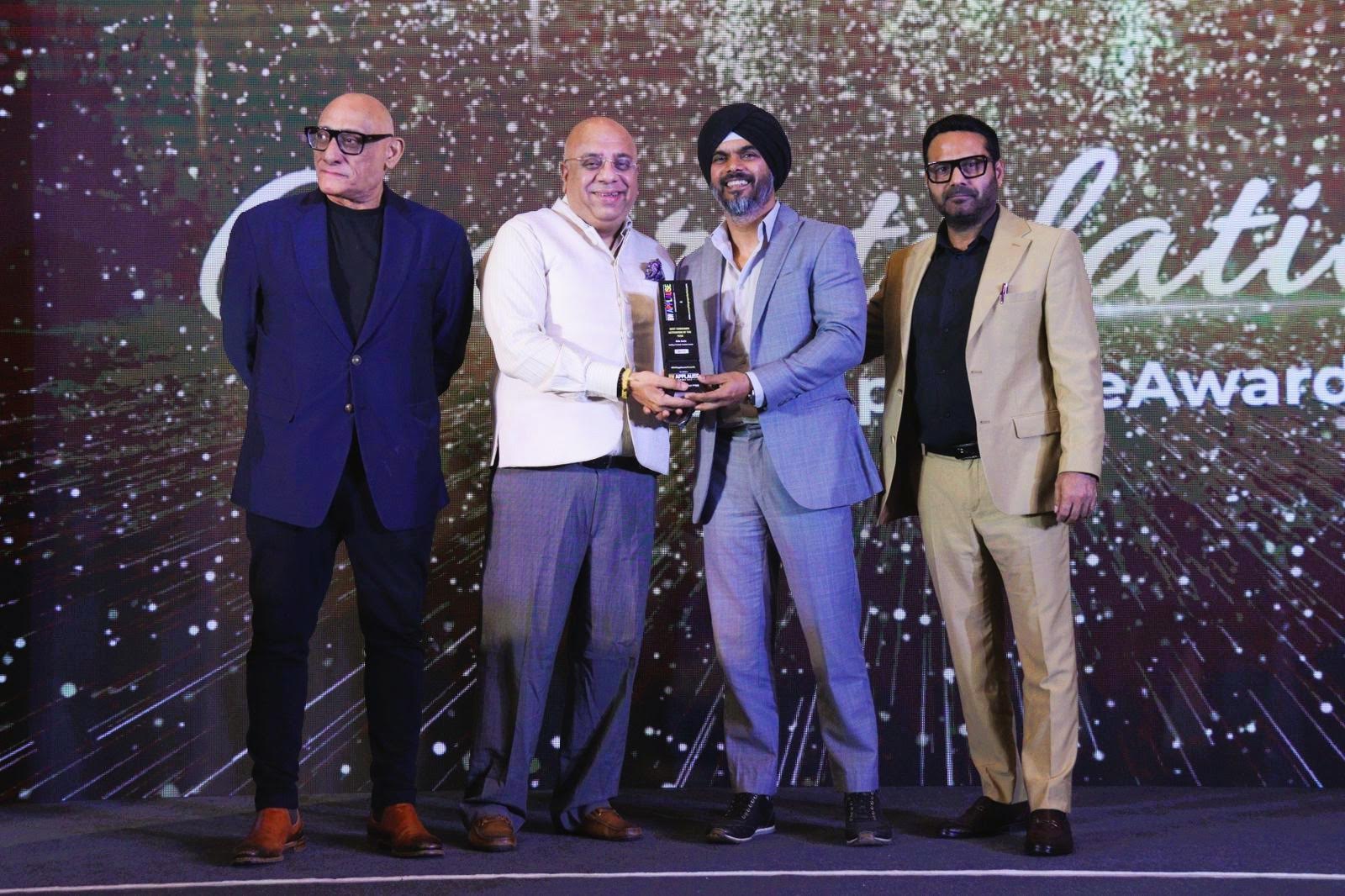
Award given at 7th Annual BW Applause Experiential Marketing Summit & Awards in New Delhi

3-2-6.jpeg

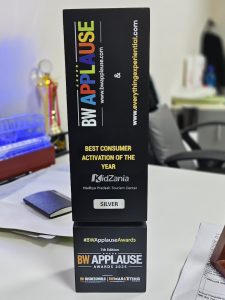
NEW DELHI: KidZania India’s Madhya Pradesh Tourism experience Centre has been honoured with the Best Consumer Activation of the Year – Silver Award at the 7th Annual BW Applause Experiential Marketing Summit & Awards, held at the Eros Hotel in New Delhi. The recognition celebrates the innovative Madhya Pradesh Tourism Experience Centre; an immersive, first-of-its-kind platform that introduces young audiences to the state’s rich cultural, natural, and historical heritage.

Shri Sheo Shekhar Shukla, Additional chief Secretary, Tourism, Culture, Home and Religious trust and endowment and Managing Director of the Madhya Pradesh Tourism Board, said, “This recognition is a testament to our longstanding association with KidZania India and our shared commitment to creating meaningful, future-oriented tourism experiences. Our collaboration blends the goals of promoting Madhya Pradesh’s rich heritage with KidZania’s strength in immersive, child-centric engagement. Together, we have built an experience that not only entertains but also inspires curiosity and responsible travel among young audiences. We are delighted that this joint effort has been acknowledged by the experiential marketing community, reinforcing our belief in innovation-driven, impactful tourism outreach.”

Tarandeep Singh Sekhon, Chief Business Officer at KidZania India, said, “This award is a testament to our commitment to creating meaningful experiential learning environments that inspire the next generation of travellers and responsible citizens. The Madhya Pradesh Tourism Experience Centre demonstrates how experiential platforms can seamlessly blend education and entertainment, allowing children to discover India’s cultural treasures in an engaging, interactive manner. We are proud to partner with the Madhya Pradesh Tourism Board in cultivating curiosity and fostering genuine connections between young audiences and one of India’s most remarkable destinations. This recognition strengthens our belief that experiential marketing, when executed with purpose and innovation, can drive real impact beyond traditional engagement metrics.”

Developed in collaboration with the Madhya Pradesh Tourism Board, the Madhya Pradesh Tourism Experience Centre features two high-impact virtual journeys: an engaging Jungle Safari and an exhilarating River Rafting simulation. Using advanced VR, motion sensors, and 3D immersive technologies, the experience brings the biodiversity, landscapes, and ecological treasures of Madhya Pradesh to life in a way that is both educational and captivating for children.

With this award, KidZania India and the Madhya Pradesh Tourism Board reaffirm their shared dedication to building impactful, purpose-driven experiences that leave lasting impressions on young explorers. The organisations remain committed to expanding engaging, responsible, and immersive tourism storytelling that inspires future generations and strengthens India’s experiential learning ecosystem.

scroll to top