
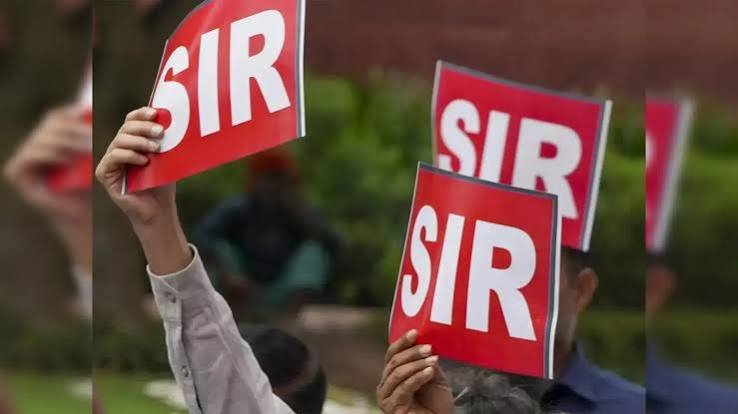
Delhi: The Electoral Roll Database was decentralised earlier, and it continues to remain decentralised today.
The basic reason is that electoral rolls are prepared by the Electoral Registration Officers (EROs) in each State Provision for Inclusion of Names — Section 23, RPA 1950 , Provision for Deletion of Names — Section 22, RPA 1950
under the supervision of the Chief Electoral Officer (CEO). The underlying structure has therefore remained decentralised.
The fact is that the Electoral Roll Database has not been centralised under the ERONET module of ECINET. Each State continues to maintain its Electoral Roll Database through the existing decentralised framework, while the statutory and procedural powers of EROs remain unchanged.
In other words, the system has become digital, but the statutory authority and decentralised structure of electoral-roll management have not changed.
The digital architecture was introduced primarily to make the process easier, faster and more paperless. Connecting EROs through a common digital network also enables electoral authorities to identify cases where an elector has shifted from one Assembly Constituency to another, helping ensure that the elector’s name can be appropriately dealt with at the previous location.
This is also the purpose of the provision for shifting through Form 8, under which an elector can apply for shifting of their entry from one Assembly Constituency to another.
Earlier, the use of physical forms often created practical difficulties. An elector who moved to a new location could get their name registered at the new place but might not separately apply for deletion from the previous location. This could result in duplicate entries and required a separate physical application at the earlier location.
The digital system has simplified this process. When an elector applies for shifting to a new Assembly Constituency and is already registered elsewhere, the relevant process for dealing with the entry at the previous location can be initiated digitally. The ERO at the previous location can then issue the required notice to the concerned elector, undertake verification and, where applicable, provide an opportunity for hearing before taking a final decision.
Thus, digitisation has made the process more efficient and transparent, but it has not transferred the statutory authority from the ERO to a centralised database or a central authority. The statutory responsibility and decision-making role continue to rest with the designated Electoral Registration Officer, within the prescribed legal and procedural framework. • *Why Have More Than 4,000 EROs Not Reported Any Such Concern?*
India has more than 4,000 Electoral Registration Officers (EROs), who come from different administrative backgrounds and handle the electoral-roll process across different parts of the country. If the allegation is that CEC Gyanesh Kumar or a centralised team sitting in Delhi was directly deleting the names of eligible voters, **what documentary evidence supports this claim?**
under the supervision of the Chief Electoral Officer (CEO). The underlying structure has therefore remained decentralised.
The fact is that the Electoral Roll Database has not been centralised under the ERONET module of ECINET. Each State continues to maintain its Electoral Roll Database through the existing decentralised framework, while the statutory and procedural powers of EROs remain unchanged.
In other words, the system has become digital, but the statutory authority and decentralised structure of electoral-roll management have not changed.
The digital architecture was introduced primarily to make the process easier, faster and more paperless. Connecting EROs through a common digital network also enables electoral authorities to identify cases where an elector has shifted from one Assembly Constituency to another, helping ensure that the elector’s name can be appropriately dealt with at the previous location.
This is also the purpose of the provision for shifting through Form 8, under which an elector can apply for shifting of their entry from one Assembly Constituency to another.
Earlier, the use of physical forms often created practical difficulties. An elector who moved to a new location could get their name registered at the new place but might not separately apply for deletion from the previous location. This could result in duplicate entries and required a separate physical application at the earlier location.
The digital system has simplified this process. When an elector applies for shifting to a new Assembly Constituency and is already registered elsewhere, the relevant process for dealing with the entry at the previous location can be initiated digitally. The ERO at the previous location can then issue the required notice to the concerned elector, undertake verification and, where applicable, provide an opportunity for hearing before taking a final decision.
Thus, digitisation has made the process more efficient and transparent, but it has not transferred the statutory authority from the ERO to a centralised database or a central authority. The statutory responsibility and decision-making role continue to rest with the designated Electoral Registration Officer, within the prescribed legal and procedural framework. • *Why Have More Than 4,000 EROs Not Reported Any Such Concern?*
India has more than 4,000 Electoral Registration Officers (EROs), who come from different administrative backgrounds and handle the electoral-roll process across different parts of the country. If the allegation is that CEC Gyanesh Kumar or a centralised team sitting in Delhi was directly deleting the names of eligible voters, **what documentary evidence supports this claim?**
Under the provisions of the Representation of the People Act (RPA), the statutory process for adding or deleting names from the electoral roll is handled at the level of the **Electoral Registration Officer (ERO)**, in accordance with the prescribed legal and procedural safeguards. The ERO is a competent statutory authority in this process.
Therefore, simply invoking the name of the CEC and presenting the entire electoral-roll revision as
the personal action of one individual
overlooks the broader institutional decision-making chain and the statutory role of the ERO. If the allegation is one of centralised interference, it needs to be supported not merely by an allegation but by **documentary or procedural evidence.