डॉ. भागवत का आह्वान : हर हिंदू एक जुट हो…

Mohan-Bhagwat.jpg

-डॉ. मयंक चतुर्वेदी

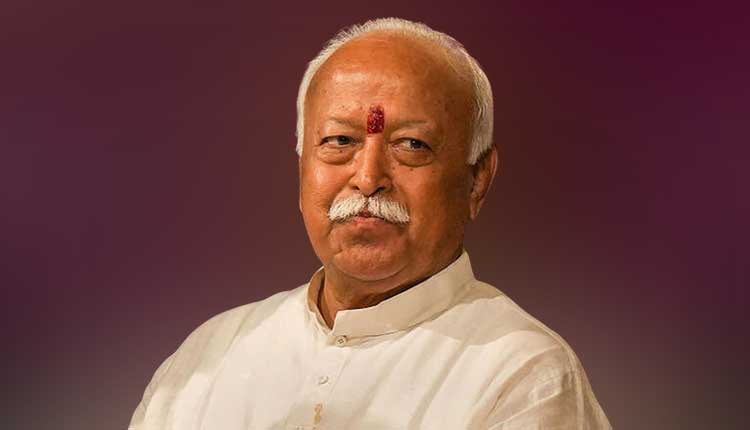
कोलकाता । बांग्लादेश में हिंदू अल्पसंख्यकों की स्थिति को लेकर राष्ट्रीय स्वयंसेवक संघ के सरसंघचालक डॉ. मोहन भागवत का हालिया वक्तव्य एक बार फिर उस असहज यथार्थ की ओर ध्यान खींचता है, जिसे लंबे समय से नजरअंदाज किया जाता रहा है। यह विषय कोई भावनात्मक प्रतिक्रिया नहीं है, न इसे किसी एक विचारधारा या राजनीतिक बयान के रूप तक सीमित किया जा सकता है। यह एक गंभीर मानवीय और सामाजिक प्रश्न है, जिसके केंद्र में बांग्लादेश में हिंदुओं की लगातार घटती संख्या, बढ़ती असुरक्षा और निरंतर पलायन की समस्या निहित है।

आंकड़े इस सच्चाई को स्पष्ट रूप से सामने रखते हैं। 1947 में विभाजन के समय पूर्वी पाकिस्तान में हिंदुओं की जनसंख्‍या लगभग 22 से 23 प्रतिशत थी। 1971 में बांग्लादेश के स्वतंत्र होने के बाद यह घटकर लगभग 13 से 14 प्रतिशत रह गई। बांग्लादेश की हालिया जनगणनाओं और अंतरराष्ट्रीय अध्ययनों के अनुसार आज यह जनसंख्‍या घटकर लगभग सात से आठ प्रतिशत के बीच सिमट चुकी है। विभिन्न सामाजिक अध्ययनों का अनुमान है कि पिछले सात दशकों में करीब तीन करोड़ हिंदू पूर्वी पाकिस्तान और फिर बांग्लादेश से पलायन कर चुके हैं। जिसमें कि यह पलायन रोजगार या आर्थिक अवसरों की तलाश में नहीं हुआ है, इसके पीछे भय, लक्षित हिंसा, धार्मिक असहिष्णुता, संपत्ति पर कब्जे और प्रशासनिक संरक्षण की कमी जैसे अनेक अनैतिक कारण जिम्‍मेदार हैं।

कहना होगा कि बांग्लादेश में हिंदुओं पर अत्याचार की ये तमाम घटनाएं किसी एक समय या राजनीतिक सत्ता तक सीमित नहीं रहीं है, लगता है जैसे यहां ये सतत प्रक्रिया है, जिसमें लक्षित हिंसा किसी न किसी बहाने से हिन्‍दुओं पर ही की जाती है। कारण कोई भी क्‍यों न हो, मारा हिन्‍दू को ही जाएगा। मंदिरों पर हमले, धार्मिक आयोजनों के दौरान हिंसा, मूर्तियों का तोड़फोड़, हिंदू महिलाओं के साथ दुर्व्यवहार और जबरन उनका इस्‍लामि‍करण जैसे यहां आम बात हो चुका है। मानवाधिकार संगठनों की रिपोर्टें बताती हैं कि बीते एक दशक में सैकड़ों हिंदू धार्मिक स्थलों को नुकसान पहुंचाया गया और अनेक मामलों में दोषियों को सजा नहीं मिली, सिर्फ तत्‍काल में दाषियों को पकड़ने का नाटक कर मामले को शांत करने भर का प्रयास किया जाता रहा है।

ऐसे माहौल में डॉ. मोहन भागवत का यह कहना कि बांग्लादेश के हिंदुओं को एकजुट रहना होगा और दुनिया भर के हिंदुओं को उनकी मदद के लिए आगे आना चाहिए, वास्‍तव में आज भावनात्मक अपील से अधिक यह एक सामाजिक यथार्थ की ओर संकेत करता है। उनका यह कथन कि हिंदुओं का एकमात्र देश भारत है, कूटनीतिक दृष्टि से भले ही संवेदनशील प्रतीत हो, किंतु इसके पीछे छिपा आशय यह है कि भारत की इस मुद्दे पर नैतिक जिम्मेदारी बनती है। भारत स्वयं को एक राजनीतिक इकाई तक कभी सीमित नहीं कर सकता है, क्‍योंकि वह एक सभ्यतागत राष्ट्र है। ऐसे में पड़ोसी देश में हिंदू अल्पसंख्यकों पर हो रहे अत्याचारों के प्रति उदासीन रहना न तो नैतिक रूप से उचित है और न ही व्यावहारिक रूप से दूरगामी परिणामों से मुक्ति‍ ही देनेवाला मार्ग है। हालांकि यह भी उतना ही आवश्यक है कि इस समस्या के समाधान को केवल राजनीतिक हस्तक्षेप के दायरे में न देखा जाए। क्‍योंकि जब तक बांग्लादेश के हिंदू स्वयं संगठित होकर अपने अधिकारों और सुरक्षा की मांग नहीं करेंगे, तब तक कोई भी बाहरी प्रयास अधूरा ही रहेगा।

डॉ. भागवत द्वारा रूस यूक्रेन युद्ध का उल्लेख भी इसी यथार्थ की ओर संकेत करता है कि अंतरराष्ट्रीय राजनीति में नैतिकता से अधिक शक्ति और हित निर्णायक होते हैं। कमजोर देश और कमजोर समुदाय अक्सर बड़े संघर्षों के शिकार बनते हैं। यही कारण है कि आत्मनिर्भरता और सामर्थ्य पर उनका जोर सिर्फ भारत के लिए ही नहीं सामने आया है, यह समूचे हिंदू समाज के लिए प्रासंगिक है। वस्‍तुत: भारत और वैश्विक हिंदू समाज के लिए यह अवसर है कि वे संसाधनों, ज्ञान और शांतिपूर्ण प्रयासों के माध्यम से बांग्‍लादेश के हिन्‍दुओं को सशक्त बनाने में भूमिका निभाएं।

डॉ. मोहन भागवत का वक्तव्य इस दिशा में एक संकेत भी है और एक अवसर भी। यदि इसे भावनात्मक बहस से ऊपर उठाकर सामाजिक संगठन, संतुलित कूटनीति और जिम्मेदार वैश्विक सहयोग के आधार पर आगे बढ़ाया जाएगा तभी बांग्लादेश में हिंदुओं की दुर्दशा के अंत की दिशा में कोई ठोस पहल संभव हो सकेगी।अन्‍यथा बातें तो बहुत की जा सकती हैं, बात तो तब है जब इन बातों का कोई ठोस परिणाम निकले। जिसमें कि फिलहाल परिणाम देना हिन्‍दू समाज में किसी एक इकाई के बस की बात नजर नहीं आती है, इसके लिए सभी को एकजुट होने की जरूरत है, जिसकी ओर डॉ. मोहन भागवत आज बार-बार इशारा कर रहे हैं। आगे आप समझदार हैं, जो सही लगे वो करना ही है, अन्‍यथा पिटते रहिए, कुटते रहिए, रोते रहिए और अपने लोगों को दीपू चन्द्रन दास की तरह खोते रहिए!

किताबें बिक नहीं रहीं, प्रकाशकों का जेब भर रहा है

2-12.jpeg

आनंद कुमार

पटना। बात तो पुस्तक मेले की ही करनी है, लेकिन जैसा कि हमारी आदत है, बात हम एक पुराने किस्से से शुरू करेंगे। तो हुआ यूँ कि कुछ वर्ष पहले पटना में एक लिटरेचर फेस्टिवल था। जागरण संवादी वाला नहीं, पटना में पुस्तक प्रेमियों की भरमार है, सबसे ज्यादा रीडरशिप वाली जगहों में से है तो कई पुस्तक मेले और लिटरेचर फेस्टिवल लगते हैं। ज्ञान भवन के एक हॉल में अपनी बात पूरी करने के बाद जब (स्व.) नरेंद्र कोहली जी मंच से नीचे आये तो वहीँ कोने में हम उनके पास खड़े थे। इतने में एक और सज्जन भी पास आये और पुस्तकों की बिक्री कम होने, पाठक नहीं रहे जैसी बातें करने लगे।

थोड़ी देर उनकी बातें सुनने के बाद कोहली जी मेरी ओर मुड़े और कहा, देखो आनन्द मैं इसे दो पीढ़ियों से जानता हूँ, इसके पिताजी भी प्रकाशन के ही व्यवसाय में थे। तब इनका एक मंजिला घर होता था, फिर दो मंजिला हुआ। अब इसका तीन मंजिला, सफेद रंगा, बड़ा अच्छा सा मकान है। थोड़ा रूककर मुस्कुराते हुए उन्होंने हमसे पूछा, व्यवसाय अच्छा न चल रहा हो मगर मकान तीन मंजिला हो जाए, ये तकनीक कहीं से मुझे सिखा सकते हो क्या? तबतक हम सिर्फ एमबीए (मास्टर ऑफ बैड एक्टिविटीज) ही थे, संस्कृत (शास्त्री) में एडमिशन ही लिया था इसलिए विपणन (मार्केटिंग) का सवाल हमसे किया गया था और जवाब हमें पता नही था।

इस घटना को 7-8 वर्ष तो हो ही गए होंगे, लेकिन नरेंद्र कोहली जी के उस प्रश्न का उत्तर हमें आज भी नहीं पता। अगर पुस्तकें बिक ही नहीं रही तो नुकसान के धंधे में नित नए प्रकाशक अपने पैसे डुबाने के लिए कूद क्यों रहे हैं? ये सारे पागल हैं क्या? तीस-तीस लाख का चेक एक नया कहलाने वाला प्रकाशक ही तो देता दिखता है, फिर प्रधान जी उस खबर पर लेखक को बधाई देते हैं, ये चमत्कार कैसे हो रहा है? सिर्फ वामपंथी प्रकाशकों के कुछ नए स्टाल तो इसी पुस्तक मेले में दिखे हैं। सम्यक और फॉरवर्ड प्रेस दोनों थे, यानि आइडेंटिटी पॉलिटिक्स वाले भी थे। सिर्फ स्टाल की भी क्यों बात करें? पूरा-पूरा एक पुस्तक मेला तो कुछ महीने पहले लगा हुआ था और एक हिंदी साहित्य सम्मलेन तो पटना में आज शुरू हो रहा है।

कौन नैरेटिव गढ़ता है कि पुस्तक प्रेमी घट गए? पहले भी आबादी का दस प्रतिशत होंगे और अभी भी हैं। आबादी कम थी तो दस प्रतिशत मतलब अगर लाख लोग होते थे तो आबादी बढ़ते ही उसका दस प्रतिशत भी बढ़ा ही है, घटा तो हरगिज नही है। तो अब सवाल उठता है कि बदला क्या है? किताबें खरीदने वाले किस जादू से घट गए हैं? इसका उत्तर पुस्तक मेले में गया कोई भी सच बोलने का दम रखने वाला दे सकता है। क्या है कि विक्रेता तो हमेशा कम बिक्री ही बोलेगा, यकीन न हो तो अपने शहर-कस्बे के किसी माड़वाड़ी से पूछ लीजिये “धंधा कैसा चल रहा है भाई?” देख लेते हैं क्या जवाब देता है। पुस्तकें खरीदने वालों से पूछते ही आपको उल्टा जवाब मिल जायेगा।

कहीं जो आपके सामने हमारे जैसा मुंहफट पाठक लगा, तो वो पुस्तक मेला दिखा के पूछेगा ये पुस्तक मेला पटना में, मतलब मगध क्षेत्र में ही है न? जरा इसमें मगही प्रकाशकों के स्टाल दिखा दो! चलो वो नहीं दिखा सकते तो बिहार में तो है न? मगही न सही, बज्जिका, अंगिका, या भोजपुरी के प्रकाशक ही दिखा सकता है कोई क्या? मैथिली की दस-बीस पुस्तकें साहित्य अकादमी वाले स्टाल पर थी। पुस्तक मेले में खरीदारों की गिनती तो #समाजवाद और #समाजवादी व्यवस्था ने घटाई है! पाठक के पास मीडिया के मंच नही, वो पलटकर तुम्हारे मिथ्या अभियोगों के उत्तर नही दे पा रहा था, इसलिए “गरीब की जोरू सबकी भौजाई” लोकोक्ति चरितार्थ कर रहे थे? सोशल मीडिया पर पलटकर जवाब दे देगा, तब क्या करोगे?

अगर पाठकों और पुस्तक क्रेताओं की गिनती घटी होती तो ऑनलाइन पुस्तकें उपलब्ध करवाने वाले अमेज़न-फ्लिपकार्ट के बाद ये “पढ़ेगा इंडिया” जैसे प्लेटफ़ॉर्म कहाँ से शुरू हो गए? एक व्हाट्स-एप्प मेसेज पर किताबें घर पंहुचा देने वाला “दिनकर पुस्तकालय” कहाँ से आ गया? इतना सुनते ही #समाजवाद के कोढ़ से ग्रस्त मरीज फिर रोने लगेंगे। कहेंगे ऑनलाइन वाले ही तो किताबों की दुकानों को खा गए जी! तो भईये, अपनी पसंद का सौदा, ढंग के मूल्य पर एक दुकान में अगर नही मिलता, तो तुम स्वयं दूसरी दुकान की ओर बढ़ते हो, या क्रोनी कैपिटलिज्म की मोनोपॉली यानी पूंजीवाद की शोषक एकछत्र व्यवस्था में एक ही दूकान से खरीदने की मजबूरी झेलते हो?

बाकी समय कैपिटलिस्टिक मोनोपॉली को कोसकर ग्राहक की बारी आते ही उसके लिए एक ही व्यवस्था? महाभारत के कर्ण टाइप, धर्म सिर्फ अपनी बारी आने पर याद आता है? जिनको तुम अप्रूव करो, रिकम्मेंड करो, प्रोमोट करो, सिर्फ वही पुस्तकें क्यों पढ़े पाठक? उसका अपना #फ्री_विल, स्वतंत्र विचार क्यों न हों मियाँ? पुस्तकें अभी भी खरीदी जा रही हैं और जमकर पढ़ी भी जा रही हैं। ऐसा न होता तो आज-तक से लेकर इंडिया-टुडे तक रील बना-बना कर बुक रिकमेंडेशन क्यों डाल रहे होते? युवाओं के लिए ही डालते हैं न रील-शॉर्ट्स? अगर किताबें खरीद और पढ़ नहीं रहे होते, सिर्फ वीडियो में “देखते” तो “बुक-समरी” के वीडियो बनाते, रिकमेंडेशन के नहीं।

इसके अलावा पुस्तक प्रेमी एक-दो दिन सिर्फ पुस्तक मेला घूमते हैं और फिर किसी दिन दोपहर में, जब भीड़ कम हो उस दिन आकर पुस्तकों की खरीदारी करते हैं। इस कंज्यूमर बिहेवियर को देखने के लिए न तो रॉकेट साइंस पढ़ना पड़ता है, न 41 वर्ष मेला लगाने का अनुभव चाहिए। दो बार पुस्तक मेले में टहलने गया कोई भी देख लेगा। समाजवादियों की सरकार और प्रशासन ने ठीक पुस्तक मेले वाले वीकएंड पर, जिस शनिवार-रविवार को सबसे अधिक खरीदारी होती, उसी समय “सरस मेला” लगा रखा था। इसकी वजह से पूरे गाँधी मैदान इलाके में जाम लगा रहा और ऑनलाइन तो आर्डर कर ही सकते हैं जैसा कुछ सोचते कई पुस्तक प्रेमी लौट भी गए होंगे। बिक्री कम होने की एक वजह ये भी रही।

बाकी चित्र जो है, उसे प्रतीकात्मक माना जाए क्योंकि इनमें से खरीदी हमने सिर्फ चे गुएवारा वाली “छापामार युद्ध” थी, शेष झोला-झन्डा किसी और का था जिन्हें वापस करने का काम कर दिया गया है।

India Breaks the Backlog: For the First Time, Clears More POCSO Cases Than It Files

pendency.jpeg.webp

• India’s disposal rate of POCSO cases is now at 109 percent which means more cases disposed of than registered in a year_
• _A recent study suggests setting up 600 additional e-POCSO courts to end entire backlog in 4 years_
• _Study conducted by Centre for Legal Action and Behaviour Change for Children, an initiative of India Child Protection_

Delhi :For the first time, India has disposed of more POCSO cases in a year than were registered, marking a historic shift in the country’s long battle with judicial backlog. In 2025, 80,320 child sexual abuse cases were filed while 87,754 were disposed of, achieving a disposal rate of 109 percent, according to report “Pendency to Protection: Achieving the Tipping Point to Justice for Child Victims of Sexual Abuse” by Centre for Legal Action and Behaviour Change (C-LAB) for Children, an initiative by India Child Protection. Notably, 24 states also recorded disposal rates above 100 percent. The report recommends setting up 600 additional e-POCSO courts to end the entire backlog of Protection of Children from Sexual Offences (POCSO) cases within four years.

Often tarnished by the ‘tareek pe tareek’ image, India’s backlog of POCSO cases stood at 2,62,089 until 2023. But with this new shift when the disposals surpassed registrations, the report states that the country has reached the tipping point “where the justice system begins to move from managing backlog to actively reducing it.” The report recommends allocating INR 1977 crore for additional 600 e-POCSO courts for a period of four years to completely end pendency, for which Nirbhaya Fund can be utilized as well.

The report further highlights a few worrying gaps such as nearly half of pending cases remain unresolved for over two years, conviction rates continue to fluctuate, and there exist inter-state disparities. For instance, Uttar Pradesh alone accounts for 37 percent of all cases pending beyond five years, making it the single largest contributor to long-term pendency. This is followed by Maharashtra (24%), and West Bengal (11%). Together, these three states account for nearly three-fourths of all cases pending for more than five years.

Highlighting the broader implications of the data in a wider justice context, Purujit Praharaj, Director (Research), India Child Protection, said, “India is now at a tipping point in its response to child sexual abuse. When the system begins to dispose of more POCSO cases than it registers, it moves from intent to impact. Our research consistently shows that prolonged delays intensify trauma for child survivors. Sustaining this momentum is essential if timely, child-centred justice is to become the norm rather than the exception.” India Child Protection is partner of Just Rights for Children which is the largest network of NGOs with over 250 NGO partners working in 451 districts across the country for child protection and child rights.

Among states, seven states and Union Territories logged a disposal rate of over 150 percent, other seven have a disposal rate between 121-150 percent while 10 states achieved a disposal rate between 100-120 percent. These 24 states, therefore, are not only disposing of cases registered in 2025 but also managed to clear some of the previous years’ cases.

These figures reflect cases that entered the system several years ago but have not seen meaningful progress. “This suggests that pendency begins to accumulate early in the lifecycle of a case and that the system faces challenges in moving cases forward within the expected time frame,” the report said.

The report also recommends maintaining a year-on-year disposal rate of over 100 percent in every state/UT, providing technical and administrative support to state judiciaries lagging behind and meticulous monitoring of conviction and acquittal rates. The report also recommends the use of AI-powered legal research tools and document management systems to facilitate efficient case analysis and document retrieval.

The report is based on the data (as of 2nd December, 2025) drawn and analysed from National Judicial Data Grid (NJDG), National Crime Records Bureau (NCRB) and Lok Sabha questions and answers.

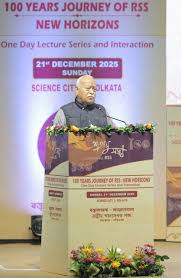
Kolkata Lecture Series – 100 Years of the Sangh Journey: “New Horizons”

images-6.jpeg

Date: December 21, 2025, Second Session

Salient points of the address by Poojya SarsanghchalakDr. Mohan Bhagwat ji

• Ideas can compete, but it is important that everyone’s hearts remain united. In America, Abraham Lincoln strengthened the bond of unity by appointing his opponent as the Secretary of Defence.
• The Sangh work is a pure and sattvic (virtuous) endeavour founded on friendship.
• You will truly understand the Sangh only when you come to the Sangh Shakha in person, see it, and understand it for yourself.
• Sangh has been functioning with a spirit of collectiveness since the day of its establishment.
• The work of the Sangh is divine work. Our effort is to become worthy of it. The affection of society has always been with us, and that is why the Sangh has progressed.
• As the RSS grew, some folks started getting uneasy. Pushback ramped up based on clashing ideas. No group in world history has faced such fierce, drawn-out opposition as the RSS. There have been attacks on its Swayamsevaks, even killings, yet the Sangh does not hold any bitterness towards its opponents, because they too are part of the same society.
• Sangh moved forward with simplicity, away from fame, with discipline and courteous language. It moved forward not through struggle, but through coordination and harmony.
• The Sangh is economically self-reliant. They account for every single penny and do not take anything from outside. The Swayamsevaks manage everything themselves. Because the Sangh is self-reliant, therefore it is self-respecting as well.
• We remained vigilant in an environment of opposition. Now, in an environment of favourability, we must rapidly expand our work. Strengthening the quality of our Swayamsevaks is the agenda for the years beyond thecentenary year.
• It is not about creating good people in society; rather, there are already a large number of good people in society. A large number of people are quietly serving society, spending their own money without seeking fame. We call this the Sajjan Shakti (noble force) of society. Sangh will help this noble force of society by connecting them, working together in a spirit of mutual cooperation, building a network among them, ensuring coordination with each other, and bringing complementarity into their work.
• The time has come to bring about a change in behaviour across society, based on a nationwide cadre of workers. The swayamsevaks should first bring about a change in their own conduct by adopting five key points; we have already begun this in the centenary year of the Sangh.
o Social Harmony (Samajik Samarasata): Ensure equal access for all Hindus to temples, water sources, and cremation grounds, eliminating caste-based discrimination.
o Family Awakening (Kutumb Prabodhan): Hold weekly family gatherings for shared meals, bhajans, dialogue, and discussions on traditions without criticism.
o Environmental Protection: Maintain clean homes and streets, save water, avoid single-use plastics, and plant trees on rooftops.
o Self-Awareness and Swadeshi (Swabodh): Prioritise indigenous goods, language, attire, and food for self-reliance and cultural identity.
o Civic Duties (Nagarik Kartavya): Read andimbibe the Constitution of India particularly its Preamble, Fundamental Duties, Directive Principles, and Rights to families and children.
• Bharat, Hindusthan and Hindu are all synonymous terms.
• The Sangh considers entire society as its own. On the basis of this sense of belonging, we all should be one. It is not necessary that everyone must come to the SanghShakha. Coming is certainly good, because there is no other system or mechanism that imparts training in selfless attitude and authenticity quite like the Sangh Shakha.
• The Sangh doesn’t work to take credit in its own name.

scroll to top