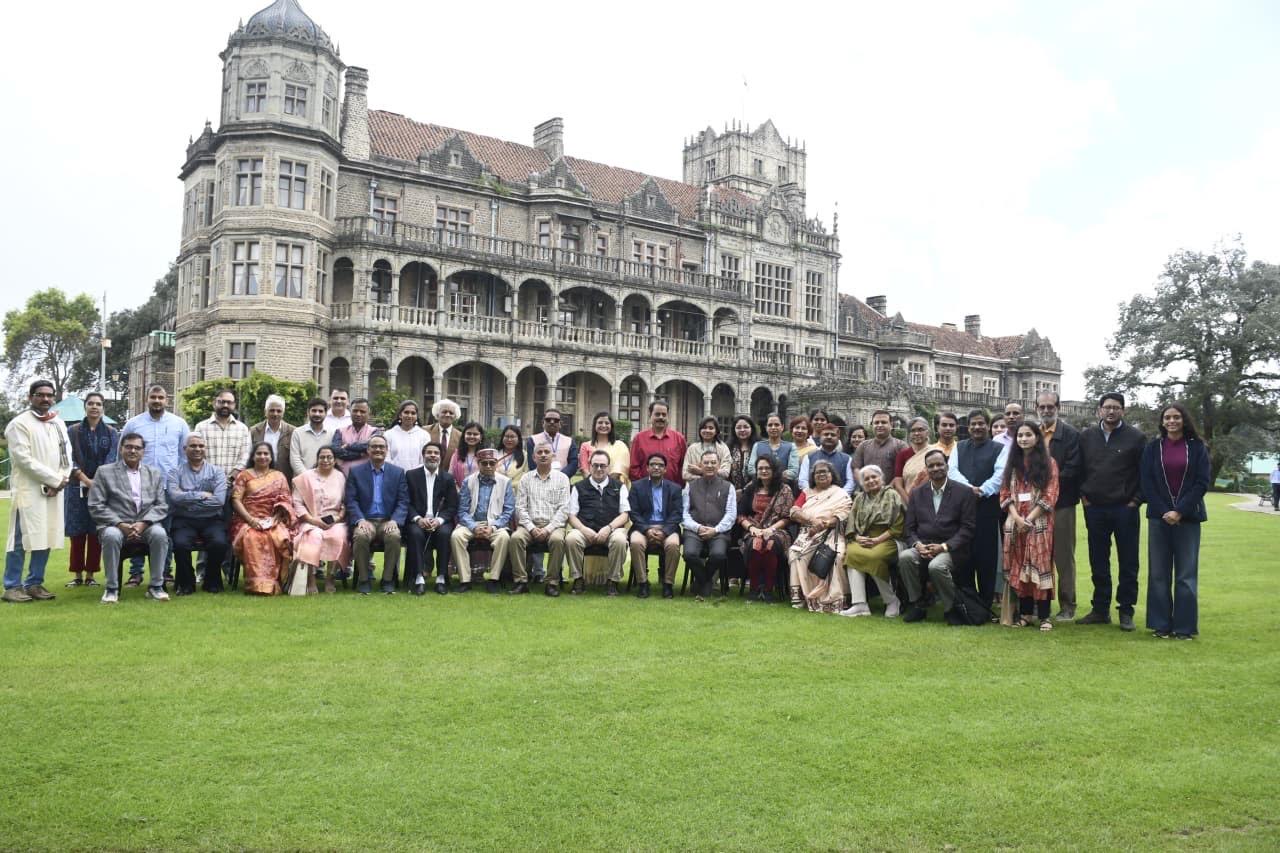
National Seminar on Religion and Literature Inaugurated at IIAS

2-41.jpeg

Shimla- The Indian Institute of Advanced Study (IIAS), Shimla inaugurated a two-day national seminar today titled “Revisiting the Intersectionality of Religion and Literature in Indian Intellectual Tradition”, which seeks to re-examine the deep linkages between spiritual narratives and literary traditions in India’s epistemological history.

The ceremonial lighting of the lamp was performed by Prof. Balaganapathi Devarakonda (Convener, University of Delhi), Prof. Sanjeev Kumar H.M. (Co-convener), and other dignitaries.

In the welcome address, Prof. Devarakonda emphasized the need to revisit religious texts and literary expressions in a framework that honors Indian epistemologies and resists homogenizing colonial interpretations. He called for reclaiming the richness of the Indian narrative traditions that integrate ethics, aesthetics, and spirituality.

Prof. Sanjeev Kumar H.M., in his thematic introduction, underlined that religion in the Indian context is not merely a doctrine but a way of life that finds articulation through literary forms. He proposed a shift in scholarship that recognizes this lived interface and moves toward a decolonised, structurational approach to knowledge.

Delivering the keynote address virtually, Prof. Siddharth Singh, Vice-Chancellor of Nava Nalanda Mahavihara, Bihar, traced the history of religious literature from the time of ancient Buddhist and Brahmanical texts to contemporary readings. He articulated how sacred narratives in India were carriers of both individual enlightenment and social cohesion.

Prof. Shashiprabha Kumar, Chairperson of IIAS and former Vice-Chancellor of Sanchi University, delivered the presidential address online. She emphasized that Indian philosophical thought inherently resisted the secular-sacred binary found in Western Enlightenment discourse, and that the dharmic worldview organically integrates metaphysical insight with literary aesthetics.

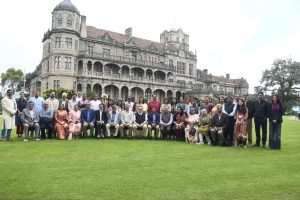
The vote of thanks was delivered by Shri Mehar Chand Negi, Secretary of IIAS, followed by the National Anthem and a group photograph. Akhilesh Pathak, PRO of IIAS moderated the inaugural session. A tea break marked the end of the inaugural proceedings.

The academic sessions that followed included papers on Bhakti literature, epic reinterpretation, decolonial textuality, and regional religious aesthetics, continuing the conversation set forth in the morning’s inaugural session.

दैनिक पत्र द हिंदू के नाम खुला पत्र: सर्वे की खबरों में पारदर्शिता और सच्चाई की मांग

2-1-30.jpeg

प्रिय संपादक,
अपने पाठकों से माफी मांगिए। 17 अगस्त की सुबह, आपने (
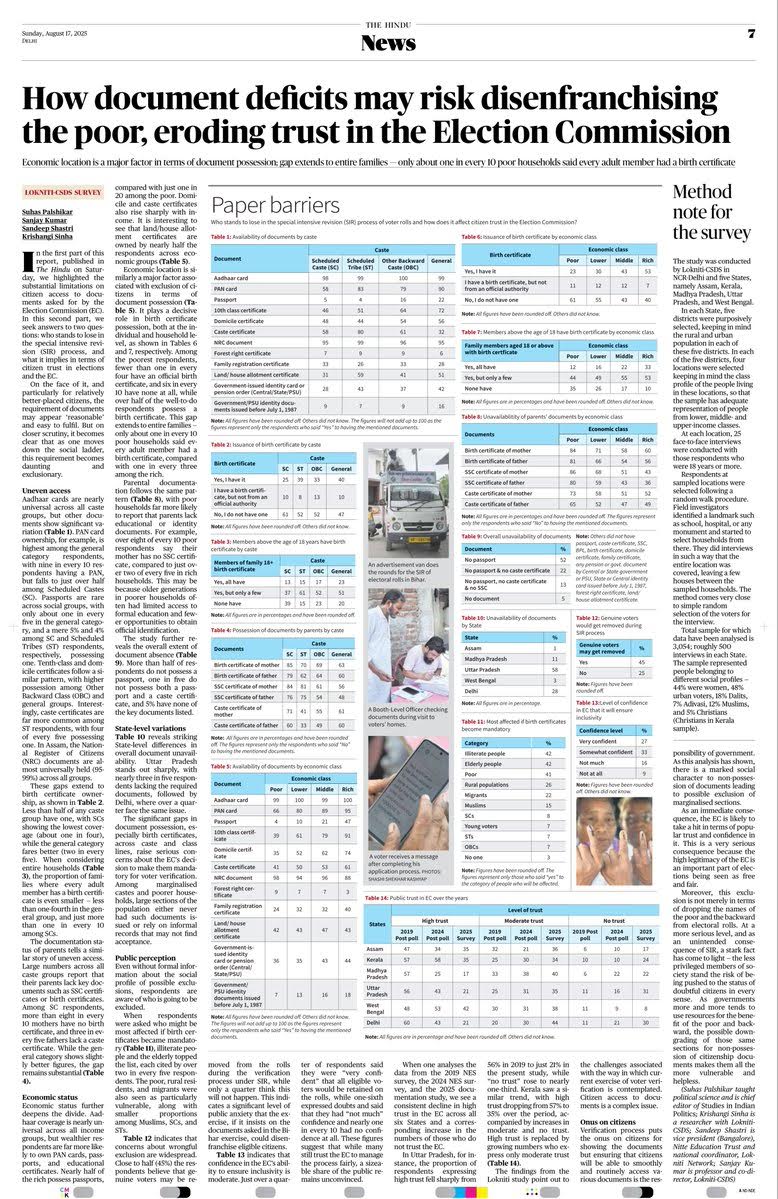
@the_hindu) लोकनीति-सीएसडीएस (@LoknitiCSDS) के सर्वे के नतीजे छापे, जिसमें जोर-शोर से दावा किया गया कि भारतीयों का चुनाव आयोग पर ‘विश्वास’ कम हो रहा है। संयोग देखिए, उसी दिन
@RahulGandhi

ने अपनी बिहार यात्रा शुरू की और ‘वोट चोरी’ का आरोप लगाया। लेकिन आपने सर्वे के सबसे बुनियादी तथ्यों की जांच तक नहीं की। यह सर्वे पूरे भारत का नहीं था; इसमें सिर्फ छह राज्य-असम, पश्चिम बंगाल, केरल, उत्तर प्रदेश, मध्य प्रदेश और दिल्ली-शामिल थे, प्रत्येक से 500 लोगों के जवाब लिए गए। यह जानकारी छोटे अक्षरों में छिपी थी, जिसे शायद ही कोई पढ़ता हो। असम और उत्तर प्रदेश को सर्वे में बराबर का महत्व दिया गया! सोचिए, कितनी गलत पद्धति थी। फिर भी, हिंदू ने इस निष्कर्ष को ऐसे छापा जैसे यह पूरे देश की राय हो।


आपने सीएसडीएस से यह सवाल नहीं किया कि ये छह राज्य ही क्यों चुने गए। आपने पाठकों को यह भी नहीं बताया कि इनमें से चार राज्यों-असम (40%), पश्चिम बंगाल (35%), केरल (27%), और उत्तर प्रदेश (19%)- में मुस्लिम आबादी काफी ज्यादा है। संजय कुमार ने करण थापर के साथ साक्षात्कार में असम और पश्चिम बंगाल के आंकड़े स्वीकार किए, लेकिन आपने इसे नजरअंदाज कर दिया। इतना ही नहीं, हिंदू ने अपने ही डेटा टेबल को अनदेखा किया। टेबल 10 दिखाता है कि असम में 99% और पश्चिम बंगाल में 97% लोगों के पास प्रस्तावित SIR के लिए जरूरी 11 दस्तावेज पहले से थे (यह सर्वे आधार के फैसले से पहले का है)। लेकिन टेबल 11 कहता है कि 45% लोग अभी भी डरते हैं कि “उनका वोट कट जाएगा!” कोई भी जिम्मेदार अखबार यह सवाल उठाता: अगर लगभग सभी के पास दस्तावेज हैं, तो आधे लोग वोट कटने का डर क्यों जता रहे हैं? इस विरोधाभास की जांच होनी चाहिए थी, लेकिन हिंदू ने बिना सोचे-समझे दावा छाप दिया।
सीएसडीएस से पारदर्शिता की मांग न करके—कोई कच्चा डेटा नहीं, नमूना डिजाइन की कोई व्याख्या नहीं,  बेतरतीब चयन से जुड़ी कोई जानकारी नहीं—हिंदू ने खुद को एक अखबार से कुछ और बना लिया। पाठकों को सनसनीखेज सुर्खियां तो मिलीं, लेकिन विश्वसनीयता समझने के लिए जरूरी संदर्भ नहीं। यह अच्छी पत्रकारिता नहीं है। आप अभी भी सबसे भरोसेमंद मंचों में से एक हैं, और मैं हर सुबह हिंदू पढ़ता हूं। हिंदू को यह करना चाहिए:

  • सीएसडीएस से कच्चा डेटा मांगें, बिना सोचे-समझे कुछ भी न छापें।
  • अपनी जांच खुद करें।
  • सिर्फ डाकिया न बनें; जो परोसा जाए, उसे परखे बिना न छापें।
  • विरोधाभासों पर सवाल उठाएं, जैसे कि अगर दस्तावेज सबके पास हैं, तो डर इतना क्यों है?
  • अपने पाठकों के लिए रिकॉर्ड सुधारें।

सादर,

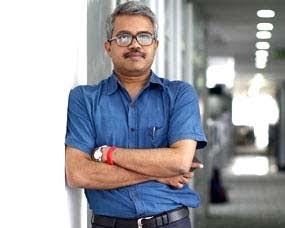
दिलीप मंडल
(श्री मंडल के पत्र का अंग्रेजी से हिन्दी अनुवाद मीडिया स्कैन ने किया है)

दिल्ली में पहला अंतरराष्ट्रीय फिल्म महोत्सव: कला और संस्कृति को नई पहचान

2-3-13.jpeg

नई दिल्ली: दिल्ली में पहली बार अंतरराष्ट्रीय फिल्म महोत्सव के आयोजन की तैयारियां जोरों पर हैं। दिल्ली सरकार के मंत्री कपिल मिश्रा ने इस महोत्सव को सिनेमा का ऐतिहासिक उत्सव करार देते हुए कहा कि यह आयोजन वैश्विक मानचित्र पर दिल्ली को कला और संस्कृति के क्षेत्र में एक नई पहचान दिलाएगा। शुक्रवार को मिश्रा ने इस मेगा इवेंट की तैयारियों को लेकर वरिष्ठ अधिकारियों के साथ एक उच्चस्तरीय बैठक की, जिसमें आयोजन की रूपरेखा और व्यवस्थाओं पर विस्तृत चर्चा हुई।

यह फिल्म महोत्सव दिल्ली को वैश्विक सिनेमा के केंद्र के रूप में स्थापित करने की दिशा में एक महत्वपूर्ण कदम है। इसमें अंतरराष्ट्रीय स्तर के प्रसिद्ध निर्देशकों, निर्माताओं, और कलाकारों को विशेष रूप से आमंत्रित किया जाएगा। मिश्रा ने बताया कि यह आयोजन न केवल सिनेमा प्रेमियों के लिए एक दृश्य-श्रव्य अनुभव होगा, बल्कि यह भारतीय और वैश्विक सिनेमा के बीच एक सेतु भी बनेगा।

महोत्सव में विभिन्न देशों की उत्कृष्ट फिल्मों का प्रदर्शन, कार्यशालाएं, और पैनल चर्चाएं आयोजित की जाएंगी, जो युवा फिल्म निर्माताओं को प्रेरणा देंगी। साथ ही, यह दिल्ली के पर्यटन और सांस्कृतिक विरासत को भी बढ़ावा देगा। आयोजन की तारीख और अन्य विवरण जल्द ही घोषित किए जाएंगे। मिश्रा ने विश्वास जताया कि यह महोत्सव दिल्ली को वैश्विक कला मंच पर एक नया मुकाम दिलाएगा।

Rising Voter Numbers in West Bengal: A Cause for Concern

postal-ballot-vote-counting-220406171-16x9.jpg.webp

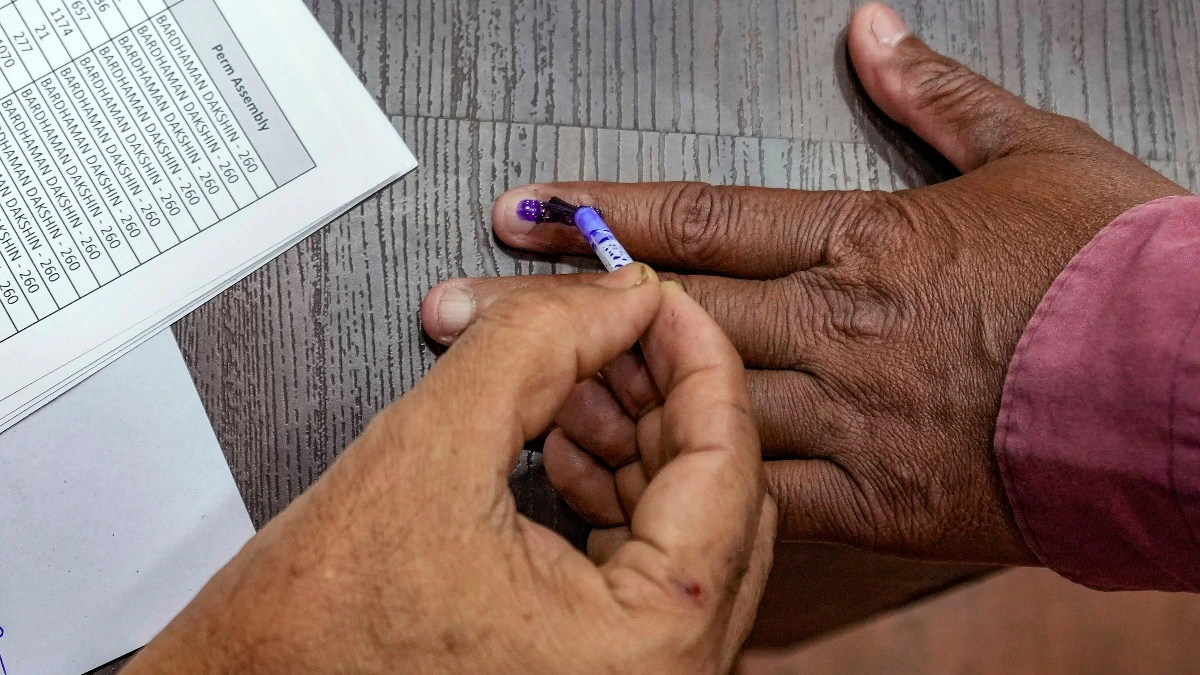
As of August 2025, West Bengal’s electoral landscape has come under intense scrutiny following reports of an alarming surge in voter registrations. The Election Commission of India (ECI) has noted a staggering increase in voter IDs, with some areas witnessing a rise of up to 600 percent. This unprecedented growth, particularly in border regions, has raised serious questions about the integrity of the electoral roll and sparked widespread debate. A demographic reconstruction research article published in Swarajya by Vidhu Shekhar, Assistant Professor of Finance and Accounting at SPJIMR, highlights that West Bengal may have 1.04 crore excess voters, underscoring the magnitude of the issue.

The Scale of the Surge
The rapid increase in voter numbers is not uniform across the state but is most pronounced in border districts such as Cooch Behar, North 24 Parganas, and Malda, which share boundaries with Bangladesh. Reports suggest that this spike cannot be attributed to natural population growth alone, as no region globally sustains such a dramatic rise in voter rolls. The ECI has acknowledged discrepancies, with some constituencies showing voter numbers exceeding their total population, a statistical anomaly that demands immediate investigation.

Border Areas: A Red Flag
The situation in border regions is particularly troubling. Proximity to international boundaries has historically been linked to illegal migration, and the current voter surge has fueled speculation of unauthorized inclusions in the electoral rolls. Local leaders and citizens have voiced concerns that lax verification processes may have allowed ineligible individuals to register, potentially undermining the democratic process. The ECI must prioritize a thorough audit of these areas, cross-verifying voter data with census figures and residency records.

Election Commission’s Response
The ECI has taken initial steps to address the issue, issuing clarifications and promising a detailed review of the voter list. In a recent statement, the commission attributed some discrepancies to clerical errors and duplicate entries, assuring the public of corrective measures. However, critics argue that these explanations fall short, given the scale of the anomaly. The commission has also initiated special drives to update voter lists, but the effectiveness of these efforts remains to be seen.

Potential Causes and Concerns
Several factors could explain this abnormal growth. Allegations of political manipulation, including the registration of non-residents or undocumented migrants to sway election outcomes, have surfaced on social media platforms like X. Additionally, inefficiencies in the voter registration process, such as inadequate identity verification or reliance on outdated data, may have contributed. The ECI must investigate whether political parties have exploited these loopholes and ensure stringent checks to prevent future irregularities.

Steps Forward
To restore public trust, the ECI should implement a multi-pronged strategy. First, a comprehensive door-to-door verification campaign should be launched, especially in border constituencies, to validate voter identities. Second, advanced technology, such as biometric authentication and Aadhaar linkage (where legally permissible), could enhance the accuracy of the electoral roll. Third, the commission should collaborate with border security agencies to monitor demographic changes and flag suspicious patterns. Regular public disclosure of audit findings will also be crucial to maintain transparency.

The Broader Implications
This voter surge threatens the credibility of elections in West Bengal, a state with a politically charged history. If left unaddressed, it could set a precedent for similar issues in other states, eroding faith in India’s democratic institutions. The ECI’s proactive engagement with stakeholders, including political parties and civil society, will be essential to devise a long-term solution.
The dramatic rise in West Bengal’s voter numbers, particularly in border areas, is a pressing concern that requires urgent attention. While the ECI has begun addressing the issue, a more robust and transparent approach is needed to safeguard the electoral process. As the 2026 Assembly elections approach, ensuring the integrity of the voter list will be paramount. The commission’s actions in the coming months will determine whether this anomaly remains a temporary glitch or evolves into a systemic challenge for Indian democracy.

scroll to top