

Mumbai : Tamannaah Bhatia stands as one of Indian cinema’s most enduring and adaptable actresses. With a career spanning over two decades across Telugu, Tamil, and Hindi films, she has evolved from a teenage debutante into a pan-Indian star known for her professionalism, dance prowess, and commitment to self-respect in an often demanding industry. Born on December 21, 1989, in Mumbai into a middle-class Sindhi Hindu family, she is the daughter of Santosh Bhatia, a diamond merchant, and Rajani Bhatia. She has an elder brother, Anand Bhatia. Her grounded upbringing and early passion for performance shaped a career marked by resilience and thoughtful boundary-setting.

Early Life and Entry into Films
Tamannaah’s interest in acting surfaced young. She attended Maneckji Cooper Educational Trust School in Mumbai. At age 15, she made her acting debut in the 2005 Hindi film Chand Sa Roshan Chehra, which failed at the box office. That same year, she entered Telugu cinema with Sree (2005) and followed with her Tamil debut in Kedi (2006). These early efforts brought modest notice but no immediate breakthrough.

Her big shift came in 2007 with Happy Days (Telugu) and Kalloori (Tamil). Portraying relatable college students, she connected with audiences through youthful charm and natural performances. These films established her as a rising star in South Indian cinema. She balanced commercial entertainers with roles showcasing range, earning praise even in films that underperformed, such as Ananda Thandavam, Endukante Premanta, and the Hindi remake Himmatwala.
Breakthrough and Pan-Indian Success
Tamannaah’s career trajectory accelerated with consistent hits in Telugu and Tamil industries, including Ayan, Paiyaa, and Siruthai. She demonstrated versatility in romantic dramas, comedies, and action-oriented roles. Critics often highlighted her screen presence and dedication, particularly in films like 100% Love.

The pinnacle arrived with S.S. Rajamouli’s epic Baahubali: The Beginning (2015) and its sequel Baahubali 2: The Conclusion (2017). As Avanthika, the fierce warrior princess, Tamannaah delivered a memorable performance opposite Prabhas. The films shattered box-office records, grossing over ₹2,000 crore worldwide combined (often cited in inflated figures in some reports, but undeniably transformative). They redefined Indian cinema’s global ambitions and elevated her to pan-Indian phenomenon status.
Subsequent work included successful comedies like F2: Fun and Frustration, emotionally layered roles in Oopiri, Dharma Durai, and Devi, and further Hindi outings such as Humshakals. She has appeared in nearly 90 films, adapting across languages while maintaining a strong fan base in the South.
Recent Projects and Cultural Impact
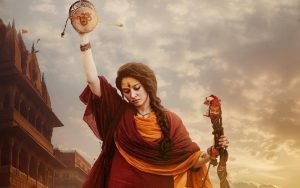
In recent years, Tamannaah has embraced diverse projects. Her special dance number “Aaj Ki Raat” in Stree 2 (2024) became a massive hit, celebrated for its energy and her confident moves. It also served as a personal milestone in body positivity. She is filming or has worked on Odela 2, a supernatural thriller sequel to Odela Railway Station, where she plays a central role in a story involving village protection from evil forces. The film blends action, emotion, and spectacle.

She has ventured into web series, including Jee Karda and Aakhri Sach, expanding her reach. Known for stage shows and brand endorsements, she launched her own fine jewellery brand, showcasing entrepreneurial acumen.
Navigating Challenges: Professionalism and Boundaries
Tamannaah’s philosophy emphasizes staying grounded, asserting boundaries with grace, and prioritizing self-respect over aggression. In a high-pressure industry, she advocates composure: “You can get what you want, and you don’t have to also behave badly or you don’t have to scream or shout or throw a fit… sometimes peace can handle a lot more things than aggression can.”
Early in her career, she faced a pivotal test. While working with a major South star, she refused a scene that made her uncomfortable (not intimate, but something she felt uneasy about). The producer reportedly said “Change the heroine” to her face. She held her ground without losing grace. The next day, he apologized. Years later, she noted that the same people respect her today for not buckling under pressure. This incident reinforced her belief in professional integrity and inner peace commanding respect.

She values the craft deeply, treating dance numbers and roles as performance art rather than accepting dismissive labels. She has spoken candidly about the “patriarchal gaze” and limitations on actresses in South cinema, choosing to focus on her distinct value instead of confrontation. Self-sufficiency defines her strategy: understanding her worth and standing firm, even when threatened with replacement.
South Cinema vs. Bollywood: Her Perspective
In a podcast with Raj Shamani, Tamannaah shared insights on regional cinema differences. She observed that South films often tell “rooted” stories tied to geographical locations and basic human emotions—mother, father, revenge, family—through varied formats. “They are trying to only tell what they know fully,” she said, contrasting this with Bollywood’s sometimes broader, segment-targeted approach for mass consumption. This rootedness, she believes, contributes to their global success.
The Baahubali Scene and Personal Reflections
One of her most discussed moments remains the “Pacha Bottasi” song sequence in Baahubali: The Beginning, where Prabhas’s Shivudu undoes Avanthika’s warrior makeup and ornaments, symbolizing a shift from fighter to woman in love. While visually striking, it drew criticism for objectification. Tamannaah has defended it as part of Rajamouli’s beautiful vision, rejecting shame-and-guilt tactics used to control women. She views such portrayals through empowerment rather than discomfort, emphasizing artistic intent.

Personal Life in the Public Domain
Away from cameras, Tamannaah has faced personal trials. Her father’s sudden illness and surgery deeply affected her, representing one of her lowest phases. She has also discussed body image struggles, internalizing unrealistic standards from childhood. The success and reception of “Aaj Ki Raat” helped her embrace her natural self, inspiring fans toward body positivity.
On set, she has channeled grief into strength, choosing joy amid emotional turmoil. She remains private about relationships, focusing publicly on career, family, and self-growth. Her Sindhi roots and Mumbai upbringing keep her connected to simplicity despite stardom.

Philosophy for Longevity
Tamannaah’s approach-valuing craft, navigating patriarchy through professionalism, and maintaining self-sufficiency-offers lessons for the industry. She treats acting and dance as art forms deserving respect. Her ability to evolve, from college-girl roles to warrior princesses and horror-comedy cameos, highlights adaptability without compromising core values.
At a time when female actors often face typecasting or short career spans, Tamannaah’s two-decade journey underscores resilience. Whether breaking records in epics, delivering chart-topping dances, or asserting boundaries calmly, she embodies a grounded stardom that prioritizes longevity, respect, and authentic expression.