उत्तर प्रदेश में तकनीकी शिक्षा को नई ऊंचाइयों तक ले जाएगा टाटा टेक्नोलॉजीज

Screenshot-2022-09-12-at-16.52.26-1.png-scaled.webp

लखनऊ । उत्तर प्रदेश में तकनीकी शिक्षा की तस्वीर लंबे समय से चिंताजनक रही है। राज्य के पॉलिटेक्निक और इंजीनियरिंग कॉलेजों में आधुनिक प्रयोगशालाओं व उपकरणों की कमी और कमजोर प्रशिक्षण स्तर के कारण डिग्री-डिप्लोमा धारक युवा उद्योगों की जरूरतों के अनुरूप कौशल हासिल नहीं कर पाते। शिक्षा और उद्योग के बीच गहराती खाई के चलते लाखों युवा रोजगार की दौड़ में पिछड़ रहे हैं। विशेषज्ञों का मानना है कि व्यावहारिक प्रशिक्षण, आधुनिक बुनियादी ढांचा और उद्योगों से मजबूत तालमेल के बिना यह चुनौती हल नहीं हो सकती।

इस दिशा में योगी आदित्यनाथ सरकार ने एक क्रांतिकारी कदम उठाया है। टाटा टेक्नोलॉजीज लिमिटेड (टीटीएल) के साथ हाल ही में हुए ऐतिहासिक समझौते के तहत राज्य के 150 राजकीय औद्योगिक प्रशिक्षण संस्थानों (आईटीआई) और 121 सरकारी पॉलिटेक्निक्स को अत्याधुनिक तकनीक से लैस किया जाएगा। यह पहल न केवल युवाओं के लिए रोजगार के नए द्वार खोलेगी, बल्कि उत्तर प्रदेश को आर्थिक आत्मनिर्भरता की राह पर ले जाएगी। करीब 6,935.8 करोड़ रुपये की लागत वाली इस महापरियोजना में टाटा टेक्नोलॉजीज 87 प्रतिशत योगदान देगी, जबकि शेष राशि और सिविल ढांचे का खर्च राज्य सरकार वहन करेगी।

परियोजना का पहला चरण 2025-26 तक 50 आईटीआई और 45 पॉलिटेक्निक्स को हाईटेक बनाएगा, जबकि दूसरा चरण 2026 से 2028 तक शेष 100 आईटीआई और 76 पॉलिटेक्निक्स का उन्नयन करेगा। इसका लक्ष्य हर साल 35,000 युवाओं को विश्वस्तरीय प्रशिक्षण देना है। टाटा टेक्नोलॉजीज 11 दीर्घकालिक और 23 अल्पकालिक कोर्स शुरू करेगी, जिनमें रोबोटिक्स, आर्टिफिशियल इंटेलिजेंस, ऑटोमेशन, स्मार्ट मैन्युफैक्चरिंग और ग्रीन एनर्जी जैसे क्षेत्र शामिल होंगे। ये कोर्स टाटा के विशेषज्ञों और प्राविधिक शिक्षा विभाग के प्रशिक्षकों द्वारा संचालित होंगे, साथ ही छात्रों को टाटा समूह सहित राष्ट्रीय-अंतरराष्ट्रीय कंपनियों में ऑन-जॉब ट्रेनिंग और अप्रेंटिसशिप के अवसर मिलेंगे।

इंडस्ट्री कैप्टेंस ने इस करार को ट्रिलियन डॉलर अर्थव्यवस्था के लक्ष्य की दिशा में मील का पत्थर बताया है। यह साझेदारी उत्तर प्रदेश की तकनीकी शिक्षा को नई ऊंचाइयों तक ले जाएगी। टाटा टेक्नोलॉजीज के अधिकारियों ने भी युवाओं को विश्वस्तरीय कौशल प्रदान करने की प्रतिबद्धता जताई, साथ ही इसे राष्ट्र निर्माण की दिशा में एक कदम बताया। सरकार ने स्पष्ट किया कि यह आईटीआई का निजीकरण नहीं, बल्कि एक सहयोगी मॉडल है, जिसमें टाटा तकनीकी उन्नयन और प्रशिक्षण प्रदान करेगी, जबकि प्रशासनिक और वित्तीय जिम्मेदारी राज्य सरकार की रहेगी।

हालांकि, इस महत्वाकांक्षी योजना के सामने चुनौतियां भी कम नहीं हैं। तीन साल में 271 संस्थानों का उन्नयन एक जटिल लक्ष्य है। ग्रामीण क्षेत्रों में प्रशिक्षकों की कमी और परियोजना लागत में 5,472 करोड़ से 6,935.8 करोड़ रुपये तक की वृद्धि को लेकर पारदर्शिता के सवाल उठ रहे हैं। विशेषज्ञों ने सुझाव दिया है कि लागत वृद्धि का औचित्य स्पष्ट हो और सरकारी हिस्सेदारी को 20 प्रतिशत तक बढ़ाने पर विचार किया जाए। साथ ही, कोर्स स्थानीय उद्योगों, जैसे ऑटोमोबाइल, हस्तशिल्प, कृषि प्रौद्योगिकी और ग्रीन एनर्जी, की जरूरतों के अनुरूप हों। त्रैमासिक स्किल ऑडिट, उद्योगों से फीडबैक और डिजिटल स्किलिंग डैशबोर्ड की स्थापना भी जरूरी है।
भारत के अन्य राज्यों में ऐसी साझेदारियों ने उल्लेखनीय सफलता हासिल की है। मैसूर के उद्योगपति जगन बेंजामिन के मुताबिक कर्नाटक में सिस्को नेटवर्किंग अकादमी ने 150 से अधिक आईटीआई में साइबर सुरक्षा और नेटवर्किंग प्रशिक्षण देकर 50,000 से ज्यादा छात्रों को 85 प्रतिशत प्लेसमेंट दर के साथ रोजगार दिलाया है। तमिलनाडु में श्वाब फाउंडेशन के साथ उद्योग 4.0 केंद्रित प्रशिक्षण और महाराष्ट्र में सीमेंस द्वारा 80 आईटीआई में स्मार्ट मैन्युफैक्चरिंग लैब्स की स्थापना इसके उदाहरण हैं।

एजुकेशनल कंसल्टेंट एन गणेशन के मुताबिक यदि उत्तर प्रदेश में यह परियोजना स्थानीय जरूरतों पर केंद्रित रही और पारदर्शिता बरती गई, तो यह न केवल युवाओं को रोजगार देगी, बल्कि राज्य को तकनीकी और आर्थिक रूप से आत्मनिर्भर बनाने की दिशा में एक ऐतिहासिक कदम साबित होगी।


श्रीकृष्ण: प्रकृति के शाश्वत रक्षक और यमुना

a787b919bc86b5f05208de056b5f2d7e.jpg

मथुरा । आज नदियाँ गंदी हो रही हैं, जंगल कट रहे हैं और जानवरों की कई नस्लें खत्म हो रही हैं। ऐसे में कृष्ण की शिक्षा हमें बताती है— प्रकृति की देखभाल करना हमारी ज़िम्मेदारी है। जो पेड़, नदी और जानवरों की रक्षा करता है, वही असली भक्त है।

श्री कृष्ण सिर्फ़ भगवान नहीं, बल्कि प्रकृति के सच्चे साथी थे। अगर हम उन्हें मानते हैं, तो हमें भी पेड़-पौधों, नदियों और जीव-जंतुओं की रक्षा करनी चाहिए। कृष्ण की पूजा तभी सच्ची है, जब हम प्रकृति की सेवा करें।

वृंदावन कृष्ण के लिए सिर्फ़ खेलने की जगह नहीं थी—वह उनकी ज़िंदगी का हिस्सा था। नदियाँ, पेड़, पहाड़, जानवर और पक्षी… सबके साथ उनका एक ख़ास नाता था। पेड़ों के दोस्त: कदंब के पेड़ों की छाँव में बैठकर वह बाँसुरी बजाते थे। उनकी मधुर धुन सुनकर पत्ते भी झूम उठते थे! गायों के पालक: गोपाल कृष्ण गायों को सिर्फ़ पालते ही नहीं थे, बल्कि उनसे बेपनाह मुहब्बत करते थे। जब कालिया नाग ने यमुना को ज़हरीला बना दिया, तो कृष्ण ने उसकी रक्षा की। वह यमुना को सिर्फ़ नदी नहीं, बल्कि अपनी सखी मानते थे।

आज जब संसार पर्यावरणीय संकटों से जूझ रहा है, श्री कृष्ण का जीवन हमें स्मरण कराता है कि मानव का भाग्य प्रकृति के स्वास्थ्य से ही जुड़ा है। अक्सर जब हम श्रीकृष्ण का स्मरण करते हैं, तो हमारी दृष्टि उनके रासलीला, गोपियों के साथ उनके दिव्य प्रेम, महाभारत में उनके पराक्रम, या भगवद्गीता के शाश्वत उपदेशों पर ठहरती है। किंतु श्रीकृष्ण के जीवन का एक अत्यंत गहरा और कम चर्चित आयाम है—प्रकृति के साथ उनका अतूट और भावनात्मक बंधन। कृष्ण के लिए वृंदावन केवल खेल का स्थल नहीं था, बल्कि एक जीवंत तपोभूमि थी—नदियों, वनों, पर्वतों, पशुओं और पक्षियों से गुंथी हुई एक पवित्र चादर, जिसे उन्होंने प्रेम और संरक्षण से संवार दिया।

यमुना के तटों से लेकर कदंब के उपवनों तक, कृष्ण की उपस्थिति उस भूमि से अभिन्न है जिसे उन्होंने पवित्र किया। बाल्यकाल में वे वृक्षों, नदियों और पशुओं के साथी बने। उनकी बांसुरी की तान केवल मनुष्यों को ही नहीं, बल्कि पशुओं, पक्षियों और वृक्षों को भी मोहित कर देती थी। हिरण, मोर, गायें, यहाँ तक कि पत्तों की सरसराहट भी उनके स्वर में बंध जाती थी, मानो सब पहचानते हों कि वही जीवन का मूल स्पंदन हैं। स्वयं कृष्ण गीता में कहते हैं—“मैं जल का स्वाद हूँ, सूर्य और चंद्रमा का प्रकाश हूँ, आकाश में ध्वनि हूँ और समस्त प्राणियों में जीवन हूँ।” (10.20)

श्रीकृष्ण की पर्यावरण रक्षक की छवि का सबसे अद्भुत प्रतीक है गोवर्धन पर्वत का धारण। जब इन्द्र ने प्रलयंकारी वर्षा कर वृंदावन को डुबोने का प्रयास किया, तब बालक कृष्ण ने अपनी छोटी अंगुली पर विशाल गोवर्धन पर्वत उठा लिया और समस्त ग्रामवासियों, गायों तथा वन्यजीवों को आश्रय दिया। यह केवल दिव्य पराक्रम नहीं था, बल्कि एक पर्यावरणीय संदेश भी था। कृष्ण ने अपने लोगों को समझाया कि पर्वत, जो चरागाह, जल और संसाधन देता है, उसी की पूजा होनी चाहिए। वे कहते हैं—“पर्वतों में मैं मेरु हूँ, नदियों में गंगा हूँ, वृक्षों में पीपल हूँ।” (गीता 10.24)

यमुना नदी के प्रति कृष्ण का प्रेम भी उतना ही शाश्वत है। यमुना उनके लिए केवल एक नदी नहीं, बल्कि एक प्रिय सखी थी। जब कालिया नाग ने उसके जल को विषाक्त कर दिया, तब कृष्ण ने यमुना की रक्षा हेतु जल में कूदकर उसे नाग से मुक्त कराया। उनकी वाणी में: “मैं पृथ्वी की सुगंध हूँ और सभी जीवों का जीवन हूँ।” (गीता 7.8)

कदंब वृक्षों की छाया में कृष्ण की बांसुरी को उसकी मधुरतम ध्वनि मिली। कदंब उनके प्रिय वृक्ष थे, जिनकी छाया और सुगंध ने उनकी लीलाओं को पवित्र किया। भागवत कहती है—“नदियाँ, पर्वत, वृक्ष और पशु सब दूसरों के हित के लिए जीते हैं। वैसे ही मनुष्य को भी जगत के कल्याण हेतु जीना चाहिए।” (10.22.35)

कृष्ण का प्रेम सबसे कोमल रूप से गौओं में झलकता है। गोपाल के रूप में वे उन्हें केवल पालते ही नहीं, बल्कि परिवार की तरह मानते थे। गायें उनके जीवन का केंद्र थीं, जो वृंदावन की पारिस्थितिकी संतुलन की धुरी थीं। कृष्ण ने दिखाया कि सादगी और कृतज्ञता से भरा जीवन ही सच्चा स्थायी जीवन है। वे कहते हैं—“यदि कोई मुझे प्रेम और भक्ति से एक पत्ता, एक पुष्प, एक फल या जल भी अर्पित करे, तो मैं उसे स्वीकार करता हूँ।” (गीता 9.26)

कृष्ण ने गीता में संतुलित आहार, कर्तव्य और त्याग को जीवन का आधार बताया। “सभी प्राणी अन्न पर जीवित रहते हैं, अन्न वर्षा से उत्पन्न होता है, वर्षा यज्ञ से आती है और यज्ञ कर्तव्य से उत्पन्न होता है।” (गीता 3.14) इस प्रकार अध्यात्म और पर्यावरण उनके लिए अलग-अलग नहीं, बल्कि अभिन्न थे।

आज जब नदियाँ प्रदूषण से दम तोड़ रही हैं, वन कट रहे हैं, और असंख्य प्रजातियाँ लुप्त हो रही हैं, कृष्ण का वृंदावन हमें पुकारता है। वे हमें स्मरण कराते हैं कि प्रकृति की रक्षा करना ही अपने अस्तित्व की रक्षा है।

श्रीकृष्ण केवल राधा के प्रियतम या अर्जुन के सारथि ही नहीं थे—वे यमुना के संरक्षक, गोवर्धन के रक्षक, वृक्षों के मित्र और वनों के स्वर हैं। आज कृष्ण की आराधना का सच्चा अर्थ है—प्रकृति की आराधना।

The Rise of Reels and the Concerning Trend of Oversexualized Content Among Indian Instagram Influencers

2-4-5.png

Delhi: In the wake of TikTok’s ban in India in 2020, Instagram Reels has emerged as the dominant platform for short-form video content, captivating millions with its creative potential. Young women, in particular, have embraced Reels to showcase their talents, from dance and fashion to lifestyle and comedy. However, a troubling trend has surfaced: an increasing number of influencers, particularly young women, are resorting to posting videos in minimal clothing or with suggestive themes to garner likes, views, and followers. This phenomenon, while boosting engagement metrics, raises serious concerns about the normalization of sexualized content and its impact on societal perceptions of relationships, especially among impressionable teenagers. As this trend grows, so does the need for a critical examination of its implications and stricter regulation to protect vulnerable audiences.The Allure of Reels and the Race for AttentionInstagram Reels, with its algorithm favoring high-engagement content, has become a powerful tool for aspiring influencers in India, where the platform boasts over 300 million users. The format’s short, visually appealing videos allow creators to reach vast audiences quickly. However, the pressure to stand out in a crowded digital space has led some influencers to adopt provocative strategies.

Videos featuring minimal clothing, suggestive dances, or content that pushes cultural boundaries have proven to attract significant attention, often going viral with millions of views. For instance, a reel by a fashion influencer showcasing an outfit from a local market can amass millions of views when paired with revealing attire, as seen in posts garnering up to 19.6 million views and 1 million engagements.While freedom of expression is a cornerstone of social media, the reliance on such content raises ethical questions. Influencers like Kajal Pandey and Sofia Ansari, known for their bold and sometimes controversial posts, have faced backlash for crossing the line into vulgarity. Critics argue that their content, which often includes explicit references to relationships or body exposure, prioritizes shock value over substance, potentially normalizing oversexualization for younger audiences.The Impact on Teenagers and Societal NormsTeenagers, who form a significant portion of Instagram’s user base in India, are particularly vulnerable to the influence of such content. With 726 young adults surveyed in a 2022 study, researchers found a significant correlation between Instagram use and issues like social comparison, colorism, and mental health challenges. The exposure to sexualized content can exacerbate these issues, fostering unrealistic standards of beauty and relationships. For impressionable teens, the constant stream of provocative reels may create pressure to emulate similar behaviors to gain social validation, potentially distorting their understanding of healthy relationships.


The portrayal of relationships in these reels often emphasizes superficial or sexualized dynamics, sidelining values like trust, respect, and emotional connection. For example, content creators like the “Santoor Mom,” who produce reels with inappropriate themes alongside family members, have been criticized for exploiting sacred familial bonds for views. Such actions not only erode cultural values but also send confusing messages to young audiences about what constitutes acceptable behavior in relationships.

Moreover, the lack of clear legal guidelines on what constitutes “obscene” content in India complicates the issue. While Indian courts rely on vague definitions of obscenity, social media platforms like Instagram have been slow to regulate suggestive content effectively. A notable case in Sambhal, Uttar Pradesh, saw influencers Mehak, Pari, Hina, and Jarrar Alam arrested in July 2025 for posting reels with “obscene language, abuses, and gestures.” The public outcry and subsequent police action highlight growing societal concern over such content, yet the absence of a robust legal framework leaves platforms and creators in a gray area.The Role of Social Media Platforms and RegulationThe responsibility to curb this trend lies not only with influencers but also with Instagram and regulatory bodies. In March 2024, the Ministry of Information and Broadcasting blocked 18 OTT platforms and 57 associated social media accounts for obscene content, signaling a push for stricter oversight. However, no clear guidelines have been established for social media influencers, leaving platforms to self-regulate. Instagram’s community guidelines prohibit explicit content, but enforcement is inconsistent, allowing suggestive reels to proliferate. The case of “Babydoll Archi,” an AI-generated Instagram account using a real woman’s likeness for erotic content, underscores the platform’s challenges in policing fake or harmful profiles.Social media platforms must adopt proactive measures, such as improved content moderation algorithms and stricter penalties for accounts that repeatedly violate guidelines. Additionally, the Indian government could introduce clearer regulations defining acceptable content, balancing freedom of expression with the need to protect young users. Establishing a legal framework would empower platforms to remove objectionable content swiftly and deter influencers from chasing views through provocative means.A Call for Responsible Content CreationInfluencers, as role models for millions, have a social responsibility to create content that uplifts rather than exploits.

While some argue that bold content challenges conservative norms and fosters open conversations about topics like women’s health or relationships, the line between empowerment and vulgarity is often blurred. Influencers like Seema Anand, who uses her platform to educate about sexual wellness while maintaining respect for cultural sensitivities, demonstrate that meaningful content can engage without resorting to shock tactics.Teenagers, parents, and educators also have a role to play. Media literacy programs in schools can equip young people to critically evaluate the content they consume, distinguishing between entertainment and harmful stereotypes. Parents should engage in open dialogues with their children about the realities of social media, emphasizing the importance of healthy relationships built on mutual respect rather than superficial appeal.


The rise of Instagram Reels in India has unleashed unprecedented creative opportunities but also exposed a darker side of influencer culture. The trend of posting sexualized content to chase likes and views risks normalizing harmful perceptions of relationships, particularly among teenagers. While influencers like Kajal Pandey and Sofia Ansari push boundaries, their approach often prioritizes attention over responsibility, prompting backlash and legal action. As society grapples with these challenges, a collective effort is needed—stricter platform regulations, clearer legal guidelines, and responsible content creation—to ensure that social media fosters positive values rather than exploiting vulnerabilities. For the sake of India’s youth, it’s time to rethink the pursuit of viral fame and prioritize content that educates, inspires, and respects the cultural fabric of the nation.

The “Vote Chor” Controversy: A Conspiracy to Undermine India’s Electoral Integrity?

2-33.jpeg

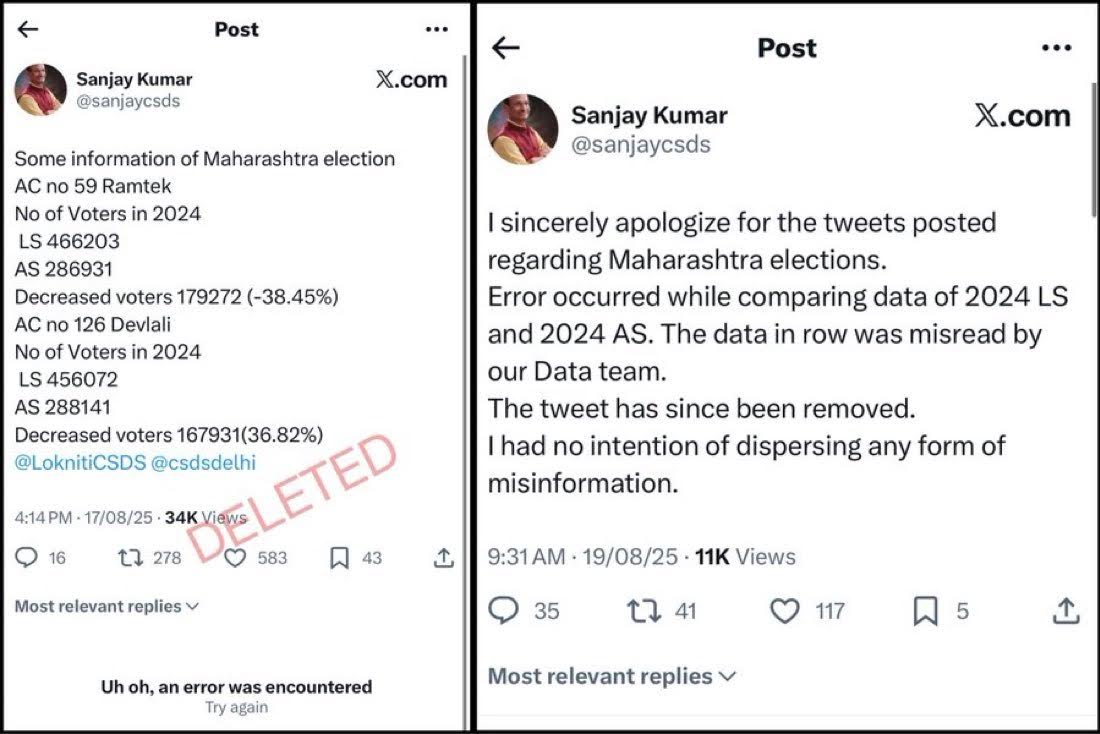
In recent weeks, India’s political landscape has been rocked by allegations of electoral malpractice, with opposition leaders, including Congress’s Rahul Gandhi and election analyst Sanjay Kumar, accusing the Election Commission of India (ECI) of manipulating voter lists and enabling “vote theft.” These claims, amplified by slogans like “vote chor” in Parliament premises, have sparked a fierce debate about the credibility of one of India’s most revered constitutional institutions. The ECI, led by Chief Election Commissioner Gyanesh Kumar, has categorically dismissed these allegations as baseless, demanding proof or a public apology within seven days. The absence of evidence and the subsequent deletion of related posts by figures like Congress spokesperson Pawan Khera raise critical questions: Is this a genuine mistake or a calculated conspiracy to erode public trust in the ECI? Should those involved face legal consequences for tarnishing a constitutional body’s reputation?
The controversy began when Rahul Gandhi and other opposition leaders alleged that the ECI was complicit in “vote theft” through fraudulent voter lists, particularly in the context of recent elections. Sanjay Kumar, an election analyst, echoed these claims, lending apparent credibility to the accusations. However, the ECI’s swift rebuttal, backed by Chief Election Commissioner Gyanesh Kumar’s demand for an affidavit or apology, has exposed the fragility of these allegations. Posts on X reveal the intensity of the backlash, with users decrying the opposition’s claims as “baseless” and accusing them of undermining India’s democracy after electoral defeats. The deletion of a tweet by Pawan Khera further fuels suspicion, suggesting an acknowledgment of error—or perhaps a strategic retreat. Meanwhile, Congress leader Supriya Shrinate’s silence and the continued “vote chor” sloganeering by others in the opposition signal a refusal to back down, raising concerns about their motives.

The ECI is the backbone of India’s democratic process, ensuring free and fair elections in a nation of over 1.4 billion people. Tarnishing its credibility without evidence is not a trivial matter. The opposition’s allegations risk sowing distrust among voters, potentially destabilizing the democratic framework. The question arises: who is responsible for this erosion of trust? Is it a spontaneous mistake born of political frustration, or a deliberate attempt to weaken a constitutional institution? The coordinated nature of the accusations, coupled with the lack of substantiation, points to the latter. Sanjay Kumar’s role as an analyst adds a layer of complexity—his expertise should demand rigorous evidence, yet his claims appear to align suspiciously with the opposition’s narrative. This raises the possibility of a orchestrated effort to challenge the ECI’s legitimacy, perhaps as a tactic to rally supporters after electoral setbacks.

The demand for accountability is justified. First, commit a scandal; then, issue an apology—this pattern has become all too common in Indian politics. But apologies alone cannot undo the damage caused by reckless allegations. The opposition’s “vote chor” rhetoric is being weaponized to question the integrity of the electoral process, and the absence of concrete evidence suggests a deeper agenda. Booking Rahul Gandhi and Sanjay Kumar for defamation or incitement could serve as a deterrent, signaling that constitutional institutions are not punching bags for political point-scoring. The ECI’s call for proof is a litmus test: if the opposition cannot substantiate their claims, they must face consequences for their actions. Supriya Shrinate’s silence and Pawan Khera’s deleted tweet only deepen the perception of guilt or backtracking, further eroding their credibility.

However, we must also consider the broader context. Political rhetoric often thrives on hyperbole, especially in a polarized environment. The opposition may argue that their allegations stem from genuine concerns about electoral transparency. Yet, without evidence, such claims are irresponsible at best and malicious at worst. The ECI has maintained its independence through decades of complex elections, and undermining it without cause threatens the democratic fabric. If this is indeed a conspiracy, its aim appears clear: to create distrust in the ECI and destabilize public confidence in governance.

In conclusion, the “vote chor” controversy is not a mere mistake but a dangerous precedent. Rahul Gandhi, Sanjay Kumar, and their allies must either provide irrefutable evidence or issue unequivocal apologies. Legal action may be warranted to protect the ECI’s sanctity. The opposition’s actions risk long-term damage to India’s democratic institutions, and the responsibility lies squarely with those who wield accusations as weapons without proof. The nation deserves better than slogans that sow division—democracy demands accountability, not conspiracies.

scroll to top