सीजेपी
खुद
को
एक
स्वतंत्र
आंदोलन
बताती
है।
लेकिन
उसके
आधिकारिक
साक्षी
पोर्टल
पर
दर्ज
विरोध
–प्रदर्शन
हेल्पलाइन
आम
आदमी
पार्टी
ने
शुरू
की
थी
— और
पोर्टल
इस
तथ्य
का
कहीं
उल्लेख
नहीं
करता।
मीडिया स्कैन की खोजी पड़ताल
लेख: वेदांश पांडेय
मुख्य संपादक, मीडिया स्कैन
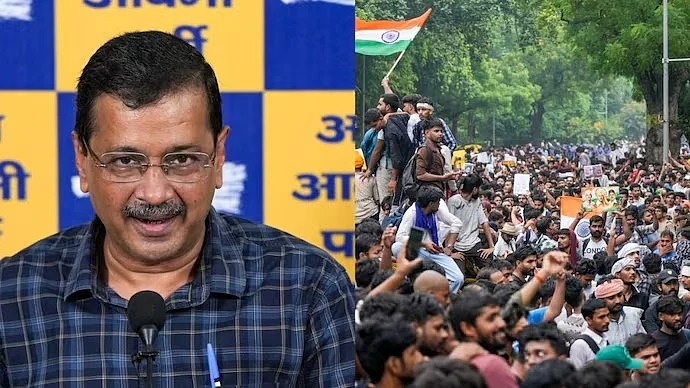
कवर: साक्षी पेज का संरक्षित रिकॉर्ड; आउटलुक इंडिया/पीटीआई तस्वीर · 28 जुलाई 2026
 
Cover visual cue: preserved Saakshi resources page and the Kejriwal/protest press image used in the PDF. |
द सीजेपी फाइल्स | सीजेपी के साक्षी पोर्टल के भीतर आम आदमी पार्टी की हेल्पलाइन
28 जुलाई 2026 की दोपहर, कॉकरोच जनता पार्टी के डिजिटल ढांचे के भीतर पहुंचने के लिए सिर्फ दो क्लिक काफी थे।
पहला पन्ना सीजेपी की मुख्य वेबसाइट का था। वहां “साक्षी” नाम की एक सेवा का परिचय आंदोलन की साक्ष्य-तिजोरी के रूप में दिया गया था — ऐसी जगह, जहां प्रदर्शनकारी मूल तस्वीरें और वीडियो जमा कर सकें, उनका मेटाडेटा सुरक्षित रख सकें और ऐसे रिकॉर्ड तैयार कर सकें जिनका आगे वकील इस्तेमाल कर सकें।
एक लिंक पाठकों को अलग डोमेन cjp-saakshi.com पर ले जाता था।
उसका “Resources & Aid” पेज शांत, औपचारिक और संस्थागत भाषा में बनाया गया था। लोगो के नीचे संक्षिप्त परिचय था: विरोध-प्रदर्शनों में हिस्सा लेने वाले नागरिकों के लिए जरूरी जानकारी, कानूनी अधिकार और संपर्क।
सबसे पहले राष्ट्रीय मानवाधिकार आयोग का नंबर था: 14433।
फिर राष्ट्रीय विधिक सेवा प्राधिकरण: 15100।
पुलिस आपातकालीन नंबर: 112।
चौथी प्रविष्टि अलग थी। वह न कोई राष्ट्रीय संस्था थी, न तीन अंकों की आपात सेवा, बल्कि एक सामान्य दस अंकों का मोबाइल नंबर:
8588833548।
पेज ने इसे “Delhi Protest Medical Aid Helpline” कहा था — “दिल्ली में प्रदर्शनकारियों के लिए मुफ्त चिकित्सा सहायता।”
इसके नीचे राष्ट्रीय एम्बुलेंस और आपात चिकित्सा सेवा के नंबर दिए गए थे।
8588833548 के साथ कहीं किसी राजनीतिक दल का नाम नहीं था। घायल छात्र, हिरासत में लिए गए प्रदर्शनकारी या चिंतित अभिभावक को यह नहीं बताया गया था कि इस नंबर को आम आदमी पार्टी ने सार्वजनिक रूप से शुरू किया था, अरविंद केजरीवाल ने प्रचारित किया था और इसे आप की कानूनी तथा चिकित्सकीय सहायता व्यवस्था के रूप में प्रसारित किया गया था।
लेकिन दस्तावेजी रिकॉर्ड यही बताता है कि नंबर की शुरुआत वहीं से हुई थी।
विसंगति सबसे सीधी तुलना में दिखाई देती थी: आप ने इस नंबर को क्या बताया, और साक्षी ने अपने उपयोगकर्ताओं से क्या कहा।
28 जुलाई को दोपहर 3.30 बजे सुरक्षित किए गए साक्षी पेज में यह मोबाइल नंबर सरकारी और सार्वजनिक आपात सेवाओं के बीच रखा गया था और इसे केवल चिकित्सा सहायता के रूप में वर्णित किया गया था। उसी पेज पर साक्षी ने खुद को “अखिल भारतीय साक्ष्य भंडार” और “कॉकरोच जनता पार्टी की पहल” बताया था।
उस दिन रिपोर्टिंग के दौरान मैंने इस नंबर पर कॉल किया।
घंटी गई। उस प्रयास में किसी ने फोन नहीं उठाया।
एक अनुत्तरित कॉल अपने आप में लगभग कुछ भी सिद्ध नहीं करती। इससे यह स्थापित नहीं होता कि लाइन निष्क्रिय थी, संचालक सवालों से बच रहे थे या किसी को सहायता नहीं मिली। लेकिन उस खामोशी ने एक संस्थागत सवाल को और तीखा कर दिया, जिसका उत्तर दोनों वेबसाइटों में नहीं था:
आखिर इस लाइन के पीछे कौन था?
और जब यह नंबर सीजेपी के आधिकारिक विरोध-प्रदर्शन ढांचे में शामिल हो गया, तब डरे हुए छात्रों द्वारा भेजे जा सकने वाले नाम, चोटों का विवरण, हिरासत का स्थान, थाने की जानकारी और परिवार के संपर्कों का क्या हुआ?
इस कहानी का सिरा एक सप्ताह पहले से शुरू होता है।

The number inside Saakshi. The captured Resources & Aid page lists 8588833548 between public emergency contacts. |
साक्षी के भीतर मौजूद नंबर। संरक्षित “Resources & Aid” पेज में 8588833548 को सार्वजनिक आपात संपर्कों के बीच रखा गया और केवल दिल्ली प्रदर्शन चिकित्सा–सहायता लाइन के रूप में बताया गया। पेज देखें। स्रोत: 28 जुलाई 2026 का संरक्षित पेज कैप्चर।
20 जुलाई: कार्रवाई और हिरासत
20 जुलाई को कॉकरोच जनता पार्टी से जुड़े प्रदर्शनकारी “संसद चलो” अभियान के तहत दिल्ली में निकले। प्रदर्शन पुलिस कार्रवाई, हिरासत और परस्पर विरोधी आरोपों के बीच समाप्त हुआ। प्रदर्शनकारियों ने पुलिस पर अंधाधुंध बल प्रयोग का आरोप लगाया; पुलिस ने भीड़ के कुछ हिस्सों पर बैरिकेड तोड़ने और कर्मियों पर हमला करने का आरोप लगाया।
अगले दिन तक घायल और हिरासत में लिए गए छात्रों की तस्वीरें और वीडियो व्यापक रूप से फैल चुके थे। संकट ने दो तत्काल जरूरतें पैदा कीं: पुलिस द्वारा ले जाए गए लोगों का पता लगाना और उनके लिए वकील या चिकित्सा सहायता जुटाना।
इसीने स्थापित राजनीतिक संगठनों के लिए प्रतिक्रिया–तंत्र में प्रवेश का रास्ता भी खोला।
21 जुलाई को अरविंद केजरीवाल ने स्वयं इस नंबर को सार्वजनिक किया।
जंतर–मंतर प्रदर्शन के दौरान गिरफ्तार छात्रों पर एक छोटे वीडियो में केजरीवाल ने कैमरे की ओर देखते हुए हेल्पलाइन नंबर अंक–अंक पढ़ा:
8588833548।
वीडियो अब भी सार्वजनिक रूप से उपलब्ध है: “Jantar Mantar Protest में Arrest हुए छात्रों के लिए Helpline Number 858-8833-548” — YouTube Shorts।
इसलिए नंबर का आप से संबंध केवल उन लोगों की राजनीतिक पहचान से निकला अनुमान नहीं है, जिन्होंने बाद में इसे साझा किया। केजरीवाल ने स्वयं इसे गिरफ्तारियों से प्रभावित छात्रों के लिए सहायता चैनल के रूप में प्रचारित किया। अन्य खातों द्वारा इसे सामान्य कानूनी सहायता के रूप में दोबारा पैक किए जाने और साक्षी पर बिना राजनीतिक पहचान वाली मेडिकल हेल्पलाइन के रूप में दिखने से पहले आप के राष्ट्रीय संयोजक ने नंबर को खुले तौर पर सार्वजनिक किया था।
समकालीन रिपोर्टों ने भी चैनल को साफ तौर पर आप की पहल बताया। केजरीवाल ने कहा कि कानूनी या चिकित्सा मदद चाहने वाले छात्र इस नंबर से संपर्क कर सकते हैं और आप की कानूनी तथा चिकित्सा टीमें प्रभावित प्रदर्शनकारियों की मदद करेंगी। उन्होंने हिरासत में लिए गए छात्रों के परिवारों को भी संबोधित करते हुए कहा कि पार्टी उनके साथ खड़ी है। इसकी रिपोर्टिंग आउटलुक इंडिया और द न्यू इंडियन एक्सप्रेस ने की।
इस तरह आप का हस्तक्षेप सार्वजनिक, राजनीतिक रूप से ब्रांडेड और संचालन की भाषा में पेश किया गया था। पार्टी ने 8588833548 को ऐसी अज्ञात नागरिक हेल्पलाइन नहीं बताया था, जिसका स्रोत अस्पष्ट हो। उसने इसे आप द्वारा शुरू या अपनाई गई और पार्टी–समर्थित सेवा के रूप में सामने रखा।
इसके बाद यह नंबर पार्टी की सार्वजनिक प्रचार-व्यवस्था के भीतर आगे बढ़ा।

Kejriwal puts the number in public
https://www.youtube.com/shorts/prL9JrooTcU |

CJP denies an AAP association
https://www.facebook.com/watch/?v=1012429517999290 |
21 जुलाई को शाम 4.05 बजे आधिकारिक आप उत्तराखंड खाते ने यही हेल्पलाइन प्रसारित की। संदेश उन खातों से भी फैलाया गया, जो खुद को आप के मीडिया पदाधिकारी, राज्य सोशल-मीडिया आयोजक, पूर्व निर्वाचित प्रतिनिधि, डॉक्टर्स सेल सदस्य, छात्र इकाई पदाधिकारी और स्थानीय स्वयंसेवक बताते थे।
ये परिचय केवल इतना सिद्ध करते हैं कि डेटा संग्रह के समय खातों ने सार्वजनिक रूप से अपने बारे में क्या दावा किया था; वे यह सिद्ध नहीं करते कि हर पद उस समय सक्रिय था या प्रत्येक रीट्वीट किसी आंतरिक निर्देश के बाद हुआ। फिर भी केजरीवाल की घोषणा, आधिकारिक राज्य इकाई द्वारा प्रसार और पद-धारक प्रोफाइलों का मेल एक स्पष्ट निष्कर्ष का समर्थन करता है: यह ऐसा नंबर नहीं था, जिसे आप समर्थकों ने संयोग से अलग-अलग खोज लिया हो। यह पार्टी की संगठित सार्वजनिक प्रतिक्रिया का हिस्सा था।
बाद में आप से जुड़े वकीलों और पदाधिकारियों ने थानों के दौरे, लापता छात्रों का पता लगाने और रिहाई सुनिश्चित करने के प्रयासों का विवरण भी दिया।
सबसे महत्वपूर्ण सार्वजनिक कड़ियों में से एक अधिवक्ता ऋषिकेश कुमार से जुड़ी थी। 23 जुलाई को उनके खाते से जुड़ी एक एक्स पोस्ट में लापता छात्रा की तलाश कर रहे लोगों से जानकारी भेजने या उसी हेल्पलाइन नंबर पर व्हाट्सऐप करने को कहा गया। संरक्षित स्टेटस यूआरएल है: x.com/rishikeshlaw/status/2080124369909800979। बाद में उन्होंने बताया कि छात्रा मिल गई थी।
अभिलेख में यह भी दर्ज है कि आप नेता सौरभ भारद्वाज ने ऋषिकेश कुमार और उन अन्य स्वयंसेवकों को सार्वजनिक रूप से धन्यवाद दिया, जो कानूनी हेल्पलाइन पर उपलब्ध रहे थे। उपलब्ध साक्ष्य यह नहीं बताते कि सिम का मालिक कौन था या हैंडसेट किसके पास था, लेकिन वे कुमार को सामान्य सोशल-मीडिया प्रचारकों के बजाय वास्तविक कानूनी प्रतिक्रिया-तंत्र के भीतर रखते हैं।
बाद में आप ने इस नंबर को “AAP Student Helpline” कहा और दावा किया कि उसकी कानूनी टीम ने कॉल और संदेशों के जरिए सैकड़ों छात्रों की मदद की। ये आंकड़े स्वतंत्र केस रिकॉर्ड से सत्यापन तक पार्टी के दावे ही हैं। लेकिन वे स्थापित करते हैं कि आप ने इस चैनल की सतत संचालन जिम्मेदारी सार्वजनिक रूप से अपने ऊपर ली थी।
फिर नंबर की राजनीतिक पहचान धुंधली होने लगी।
22 जुलाई, शाम 7.08 बजे: वह संदेश जो फैल गया
22 जुलाई को शाम 7.08 बजे अरुण अरोड़ा ने एक्स पर एक छोटा निर्देश पोस्ट किया:
“दिल्ली के छात्रों, यदि पुलिस आपको उठा रही है तो कृपया 8588833548 पर कॉल करके सूचना दें। कानूनी सहायता उपलब्ध कराई जाएगी।”
मूल पोस्ट अब भी पहचानी जा सकती है।
उसमें आप का कोई उल्लेख नहीं था।
अरोड़ा ने हेल्पलाइन बनाई नहीं थी; केजरीवाल एक दिन पहले इसकी घोषणा कर चुके थे। लेकिन उनके शब्दों ने राजनीतिक रूप से ब्रांडेड पार्टी संसाधन को ऐसी सूचना में बदल दिया, जो सामान्य नागरिक सहायता जैसी पढ़ी जाती थी।
यह बदलाव इसलिए महत्वपूर्ण था क्योंकि अरोड़ा इस नेटवर्क में किस स्थान पर थे। उनके प्रोफाइल में कोई औपचारिक आप पद घोषित नहीं था, और ऑडिट में संरक्षित एक पुराने बयान में उन्होंने कहा था कि वे पार्टी पदाधिकारी नहीं हैं। उपलब्ध साक्ष्य उन्हें आप पदाधिकारी कहने का आधार नहीं देते।
हालांकि उनके सार्वजनिक पोस्टिंग इतिहास में केजरीवाल और आप के प्रति लगातार समर्थन दिखाई देता है। व्यापक सीजेपी जांच के लिए इससे भी महत्वपूर्ण तथ्य यह था कि मई में आंदोलन के शुरुआती उभार के दौरान अरोड़ा पहले से कॉकरोच जनता पार्टी पर पोस्ट कर रहे थे। 16 मई को शाम 6.20 बजे उन्होंने आप-सीजेपी को लेकर चुनावी मजाक पोस्ट किया। अगले दिन उन्होंने महुआ मोइत्रा को सीजेपी में शामिल होने का निमंत्रण दिया।
इन पोस्टों से यह सिद्ध नहीं होता कि अरोड़ा ने आंदोलन बनाया, उसके खाते नियंत्रित किए या आप से निर्देश प्राप्त किए। वे एक सीमित लेकिन महत्वपूर्ण बात स्थापित करती हैं: सीजेपी के मई वाले उभार के आसपास सार्वजनिक बातचीत में मौजूद एक प्रभावशाली आप-समर्थक डिजिटल आवाज दो महीने बाद आप के सहायता नंबर को फैलाने वाले प्रमुख वायरल संदेश की लेखक बनी।
रीट्वीट लिंक पर एक टिप्पणी
एक्स पर रीट्वीट का अलग स्थायी स्टेटस यूआरएल नहीं बनता। किसी नामित प्रत्यक्ष रीट्वीटर के लिए यह कहानी उस व्यक्ति के प्रोफाइल और अरुण अरोड़ा की मूल पोस्ट से लिंक करती है। रीट्वीटर समूह में उसकी मौजूदगी संरक्षित एक्स एपीआई रिटर्न से स्थापित है और प्रकाशन में डेटा अभिलेख के स्क्रीनशॉट से इसका समर्थन किया जाना चाहिए।
मूल पोस्ट खोलें: x.com/Arun2981/status/2079924084100702626
अरोड़ा की हेल्पलाइन पोस्ट प्रत्यक्ष रीट्वीटर जांच का केंद्र बनी। एक्स के आधिकारिक retweeted_by एंडपॉइंट का उपयोग करके जांच ने 28 पेज सुरक्षित किए, जिनमें 2,546 अलग खाते थे जिन्होंने सीधे उनकी पोस्ट रीट्वीट की थी। कोई डुप्लिकेट यूजर आईडी नहीं मिली। लेकिन एपीआई क्रेडिट समाप्त होने पर संग्रह रुक गया, जबकि कंटिन्यूएशन टोकन मौजूद था। इसलिए 2,546 न्यूनतम संख्या है, पूरी आबादी जरूरी नहीं।
डेटा एक सीमित अर्थ में मजबूत है। वह स्थापित करता है कि किसी विशेष खाते को एक्स ने अरोड़ा की ठीक उसी पोस्ट का प्रत्यक्ष रीट्वीटर लौटाया। वह यह स्थापित नहीं करता कि उपयोगकर्ता ने क्यों रीट्वीट किया, कब किया, क्या उसे निर्देश मिला था, क्या नंबर का स्वतंत्र सत्यापन हुआ था या क्या उपयोगकर्ता जानता था कि इसे आप संचालित कर रही है। एपीआई फाइलों में यूजर प्रोफाइल और पेजिनेशन डेटा था; व्यक्तिगत रीट्वीट टाइमस्टैम्प नहीं थे। कोई व्हाट्सऐप समूह निर्यात, टेलीग्राम निर्देश चैनल, भुगतान श्रृंखला या साझा नियंत्रण का डिवाइस-स्तरीय साक्ष्य नहीं मिला।

What the preserved X API collection can and cannot show. |
संरक्षित एपीआई संग्रह क्या दिखा सकता है और क्या नहीं। यह लौटाई गई प्रत्यक्ष–रीट्वीटर आबादी में किसी खाते की मौजूदगी सिद्ध करता है; समय, मंशा या समन्वय नहीं। ग्राफिक कच्चे एपीआई अभिलेख पर आधारित है।
जो तस्वीर सामने आई, वह किसी एक केंद्रीकृत साजिश का प्रमाण नहीं थी, बल्कि कई परतों वाला समूह था: आप से जुड़े पद–धारक खाते, सीजेपी प्रतिनिधि, पत्रकार, वकील, डॉक्टर, शिक्षाविद, अभियानकर्ता और हजारों सामान्य उपयोगकर्ता — सभी वही राजनीतिक पहचान रहित निर्देश आगे बढ़ा रहे थे।
फाइल में पहला नाम
संरक्षित रीट्वीटर डेटासेट का पहला रिकॉर्ड सौरव दास का था। उनके कैप्चर किए गए परिचय में उन्हें “Chief Spokesperson, Cockroach Janta Party” बताया गया था। जून की शुरुआत में जब सीजेपी ने प्रवक्ताओं की घोषणा की थी, तब उनकी नियुक्ति की सार्वजनिक रिपोर्टिंग भी हुई थी।
दास केवल सीजेपी के प्रति सहानुभूति जताने वाला व्यक्ति नहीं थे; वे उसके मान्य नेतृत्व का हिस्सा थे। प्रत्यक्ष रीट्वीटरों में उनकी मौजूदगी आप–मूल वाली हेल्पलाइन पोस्ट और सीजेपी की औपचारिक संरचना के बीच सबसे स्पष्ट पुल देती है।
रीट्वीट का अलग स्वतंत्र यूआरएल नहीं होता। पाठक अरुण अरोड़ा की स्रोत पोस्ट और दास का सार्वजनिक प्रोफाइल देख सकते हैं; प्रत्यक्ष रीट्वीटर के रूप में उनकी मौजूदगी कच्चे एपीआई रिटर्न में सुरक्षित है।
एक अकेला रीपोस्ट यह नहीं दिखाता कि दास ने हेल्पलाइन बनाने में मदद की या आप के अभियान का समन्वय किया। विरोध आंदोलनों के नेता उपलब्ध कानूनी या चिकित्सा सहायता को अक्सर साझा करते हैं। लेकिन यह स्थापित करता है कि वही नंबर साक्षी पर आने से पहले आप-मूल वाला चैनल सीजेपी के औपचारिक नेतृत्व नेटवर्क में पहुंच चुका था।
एक अन्य खाता, @indian_nagrik, हेल्पलाइन को सीजेपी के शुरुआती दौर से और पीछे जोड़ता है। 16 मई को शाम 6.46 बजे खाते ने एक पोस्ट की शुरुआत खुद को सीजेपी प्रवक्ता बताते हुए की। पोस्ट में आप स्वयंसेवकों और उभरते आंदोलन की चर्चा थी। बाद में यही खाता अरोड़ा की हेल्पलाइन पोस्ट के प्रत्यक्ष रीट्वीटरों में शामिल था। 22 जुलाई को रात 2.51 बजे सौरव दास ने सार्वजनिक रूप से इस खाते को टैग या स्वीकार किया। 23 जुलाई को @indian_nagrik ने दास और सीजेपी नेतृत्व को सार्वजनिक रूप से संबोधित किया।
@indian_nagrik के लिए कोई औपचारिक नियुक्ति पत्र नहीं मिला है, इसलिए उसकी सटीक संगठनात्मक हैसियत अनसुलझी है। लेकिन लॉन्च-विंडो में प्रवक्ता होने का दावा, शुरुआती सीजेपी गतिविधि, हेल्पलाइन रीट्वीटर आबादी में सीधी मौजूदगी और बाद में औपचारिक नेतृत्व से संवाद — इन सबका मेल इसे सामान्य समर्थक से अधिक महत्वपूर्ण बनाता है। यह सीजेपी के मई वाले उभार और जुलाई के सहायता नेटवर्क के बीच दस्तावेजी पुल है।
एक अन्य रीट्वीटर से अधिक निजी किस्सा सामने आता है। मयंक शर्मा के प्रोफाइल ने उन्हें आप उत्तराखंड का पूर्व प्रवक्ता बताया। दिल्ली मार्च से कुछ समय पहले किशलय शर्मा ने लिखा कि मयंक शर्मा ने रात लगभग 11.30 बजे उन्हें फोन कर पूछा था कि क्या वे दिल्ली आ रहे हैं। यह विवरण निष्क्रिय रीपोस्टिंग से आगे की गतिविधि की ओर संकेत करता है — उपस्थित होने की संभावना जानने के लिए किया गया व्यक्तिगत फोन कॉल।
लेकिन यह एक प्राप्तकर्ता का सार्वजनिक बयान भर है। कोई कॉल रिकॉर्ड, निर्देश पत्र या व्यापक प्राप्तकर्ता सूची नहीं मिली। एक देर रात की कॉल को बड़े पैमाने की संगठित लामबंदी का प्रमाण बनाना अनुचित होगा। सत्यापित तथ्य सीमित हैं: मयंक शर्मा संरक्षित प्रत्यक्ष रीट्वीटर समूह में थे; उनका सार्वजनिक प्रोफाइल उन्हें आप उत्तराखंड से जोड़ता था; और एक समकालीन पोस्ट ने मार्च से पहले उनके फोन करने का वर्णन किया। किसी व्यापक कॉलिंग प्रयास का पैमाना और उद्देश्य निर्धारित नहीं किया जा सका।
इन खातों से एक प्रकाशन-योग्य क्रम बनता है:
आप ने चैनल को सार्वजनिक रूप से शुरू किया। एक आधिकारिक राज्य इकाई ने इसे प्रसारित किया। एक बड़े पहुंच वाले आप-समर्थक प्रचारक ने पार्टी का नाम हटाकर इसे दोबारा पैक किया। सीजेपी के मुख्य प्रवक्ता और एक शुरुआती सीजेपी-संबद्ध खाते ने उस राजनीतिक पहचान रहित संदेश को सीधे रीट्वीट किया। वही नंबर बाद में सीजेपी के साक्षी तंत्र में दिखाई दिया।
यह दस्तावेजी संचालन-संपर्क है। यह साझा स्वामित्व का प्रमाण नहीं है।
जब पार्टी संदेश सार्वजनिक सेवा की सूचना बन जाता है
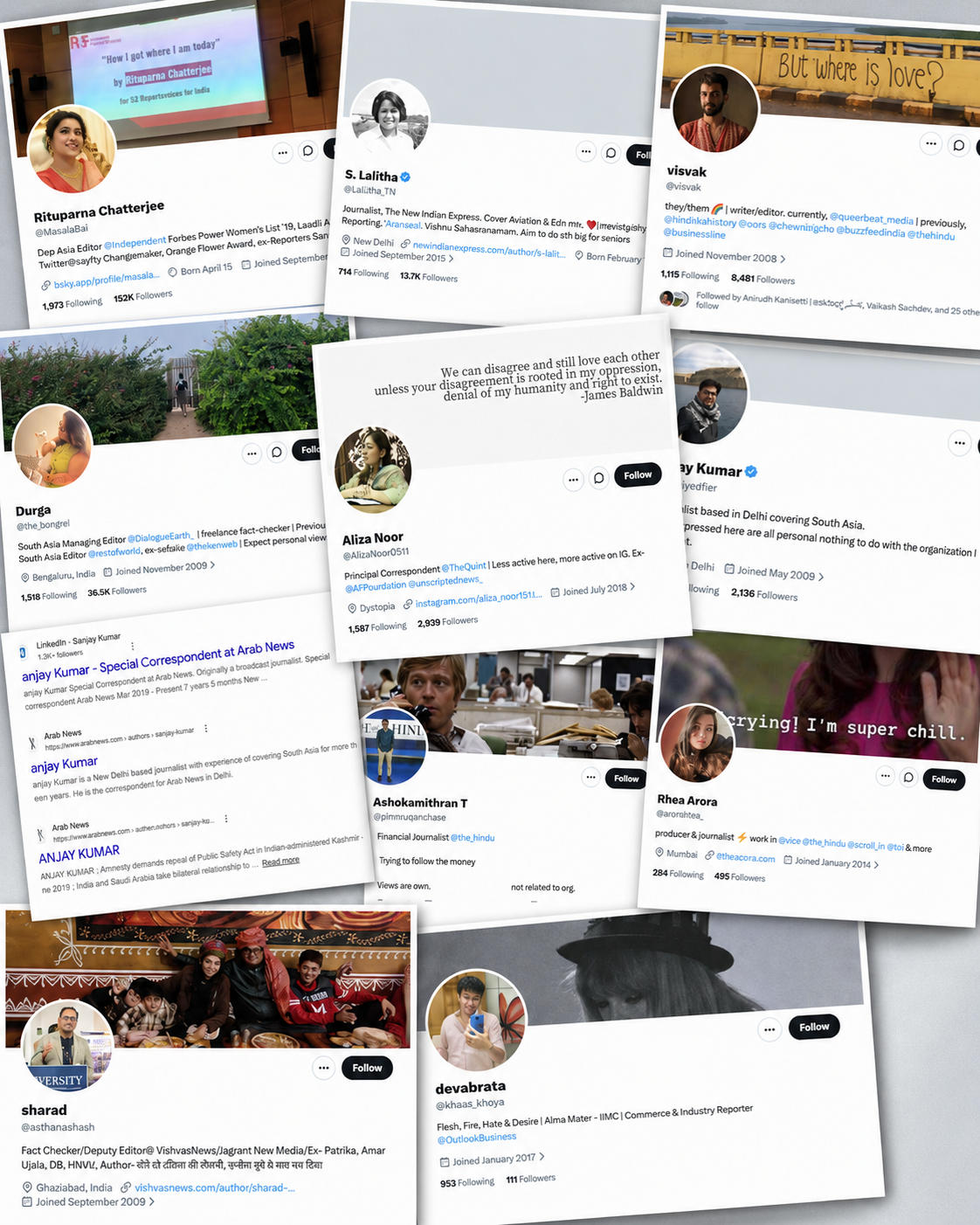
हेल्पलाइन खुले तौर पर पक्षपाती नेटवर्कों तक सीमित नहीं रही। प्रारंभिक स्वचालित स्क्रीनिंग ने 26 खातों को संभावित मीडिया-संबद्ध माना। बाद के मानवीय ऑडिट ने प्रकाशन-योग्य समूह को कम करके कम-से-कम 12 ऐसे पत्रकारों और संपादकों तक सीमित किया, जिन्हें पहचान योग्य संस्थानों से स्वतंत्र रूप से सत्यापित किया जा सकता था।
इनमें द इंडिपेंडेंट की डिप्टी एशिया एडिटर के रूप में पहचानी गई ऋतुपर्णा चटर्जी; द न्यू इंडियन एक्सप्रेस की एस. ललिता; क्वीयरबीट के विश्वक; डायलॉग अर्थ की दुर्गा एम. सेनगुप्ता; और द क्विंट की अलीजा नूर शामिल थीं। समूह में संजय कुमार, एशली डो रोसारियो, अशोकमित्रन टी., रिया अरोड़ा, शरद प्रकाश अस्थाना, अरिजित गुप्ता और देवव्रत दत्ता भी थे।
इनमें से किसी रीट्वीट का अलग स्थायी स्टेटस यूआरएल नहीं है। ऊपर दिए नाम संबंधित खाते से लिंक होते हैं; उन सबने अरोड़ा की वही हेल्पलाइन पोस्ट सीधे रीपोस्ट की थी। उनकी मौजूदगी एक्स एपीआई संग्रह में स्वतंत्र रूप से सुरक्षित है। डेटा संग्रह के समय इन 12 खातों के घोषित फॉलोअरों की कुल संख्या लगभग 1,86,430 थी।
यह संख्या यह अनुमान नहीं है कि संदेश कितने लोगों ने देखा। फॉलोअर आबादियां एक-दूसरे से मिलती हैं; प्लेटफॉर्म हर रीपोस्ट हर फॉलोअर को नहीं दिखाते; और डेटासेट में इम्प्रेशन डेटा नहीं है।
उनकी मौजूदगी से यह भी स्थापित नहीं होता कि किसी मीडिया संस्थान ने भाग लिया। रीपोस्ट व्यक्तिगत खातों से आए। कई परिचयों में साफ कहा गया था कि पोस्ट निजी विचार हैं। किसी कर्मचारी का रीट्वीट अपने आप नियोक्ता की कार्रवाई नहीं बन जाता।
निर्दोष व्याख्या मजबूत है। शिक्षा, नागरिक स्वतंत्रता, राजनीति या पुलिस कार्रवाई कवर करने वाला पत्रकार हिरासत में छात्रों को कानूनी मदद का संदेश देखकर इसे इस आशय से साझा कर सकता है कि किसी तत्काल संकट में फंसे व्यक्ति की रक्षा हो सके। वकील, डॉक्टर, शिक्षाविद या कार्यकर्ता भी ऐसा कर सकता है।
लेकिन हर ऐसा रीपोस्ट, जानबूझकर या अनजाने में, एक अतिरिक्त काम भी कर रहा था: उसने संदेश को विश्वसनीयता की एक और परत दी, जबकि उसका राजनीतिक स्रोत अनकहा रहा। जब तक यह नंबर किसी संपादक, रिपोर्टर या फैक्ट-चेकर की फीड तक पहुंचा, तब तक वह जरूरी नहीं कि आप अभियान का संसाधन दिखाई देता। वह एक विश्वसनीय व्यक्ति से दूसरे तक पहुंची तटस्थ आपात सूचना जैसा दिखता था।
इसलिए उचित पत्रकारिता प्रश्न मिलीभगत के आरोप नहीं, बल्कि सत्यापन और स्रोत-पहचान के सवाल हैं:
क्या पत्रकार जानते थे कि यह नंबर सार्वजनिक रूप से आप से जुड़ा था?
यह संदेश उन तक कैसे पहुंचा?
क्या उन्होंने प्रसारित करने से पहले संचालक का सत्यापन किया?
क्या किसी पार्टी या प्रदर्शन आयोजक ने रीपोस्ट का अनुरोध किया?
यदि उन्हें पता होता कि आप की कानूनी और चिकित्सा टीमें चैनल संभाल रही थीं, तो क्या वे पार्टी का नाम जोड़ते?
डेटासेट इन सवालों का उत्तर नहीं देता। लेकिन वह उन्हें रिपोर्टिंग के योग्य जरूर बनाता है।
23 जुलाई, शाम 5.16 बजे: डोमेन सामने आता है
साक्षी की तकनीकी शुरुआत को उसके सार्वजनिक लॉन्च से अधिक सटीकता से दिनांकित किया जा सकता है। आधिकारिक पंजीकरण रिकॉर्ड बताता है कि cjp-saakshi.com का पंजीकरण 23 जुलाई 2026 को शाम 5.16.56 बजे भारतीय समयानुसार हुआ। सार्वजनिक रिकॉर्ड RDAP डोमेन लुकअप पर देखा जा सकता है।
पंजीकरणकर्ता का नाम गोपित था। रिकॉर्ड में संपर्क स्थान दिल्ली दिखाया गया और Cloudflare को रजिस्ट्रार बताया गया।
तकनीकी समय-मुहर। RDAP रिकॉर्ड cjp-saakshi.com का पंजीकरण 23 जुलाई 2026 को शाम 5:16:56 बजे भारतीय समय पर दर्ज करता है। लाइव रिकॉर्ड देखें।
यह पंजीकरण केजरीवाल की हेल्पलाइन घोषणा के दो दिन बाद और अरोड़ा की राजनीतिक पहचान रहित कानूनी-सहायता पोस्ट के 24 घंटे से भी कम समय बाद हुआ।
इसके बाद कई दिनों में सार्वजनिक लॉन्च आगे बढ़ा। 24 जुलाई को सीजेपी प्रतिनिधियों ने जंतर-मंतर पर साक्ष्य-संग्रह वेबसाइट की घोषणा की। मंच ने प्रदर्शनकारियों से कथित पुलिस हिंसा की तस्वीरें और वीडियो जमा करने को कहा। दास ने कहा कि सामग्री की जांच होगी, पुलिसकर्मियों की पहचान की जाएगी और कानूनी शिकायतें दायर की जाएंगी। लॉन्च का सार्वजनिक विवरण टाइम्स ऑफ इंडिया की रिपोर्ट में उपलब्ध है।
27 जुलाई को नई दिल्ली में प्रेस कॉन्फ्रेंस के दौरान मंच का अधिक औपचारिक अनावरण हुआ।

The technical timestamp: cjp-saakshi.com registration record. |
प्रेस कॉन्फ्रेंस की रॉयटर्स तस्वीर में दास एक स्क्रीन उठाए दिखते हैं, जिस पर सीजेपी की वेबसाइट और साक्षी साक्ष्य-भंडार प्रदर्शित था। रॉयटर्स ने तस्वीर की तारीख 27 जुलाई दी। 28 जुलाई तक मुख्य सीजेपी वेबसाइट उपयोगकर्ताओं को साक्षी की ओर भेज रही थी और उसका Resources & Aid पेज लाइव था।
इसलिए कालक्रम में तीन तारीखें अलग-अलग चरणों को दर्शाती हैं:
डोमेन 23 जुलाई को पंजीकृत हुआ।
साक्ष्य-संग्रह पहल की सार्वजनिक रिपोर्टिंग 24 जुलाई को हुई।
औपचारिक प्रेस कॉन्फ्रेंस प्रस्तुति 27 जुलाई को हुई।
सीजेपी से साक्षी का लिंक और हेल्पलाइन सूची 28 जुलाई तक सत्यापित रूप से लाइव थे।
यह क्रम महत्वपूर्ण है। आप का सहायता नंबर किसी पुराने, पहले से मौजूद सीजेपी साक्ष्य मंच के भीतर पैदा नहीं हुआ था। साक्षी डोमेन बनने से पहले नंबर सार्वजनिक रूप से घोषित हो चुका था, पार्टी इकाइयों में फैल चुका था और अरोड़ा की वायरल पोस्ट से वितरित हो चुका था।
जुलाई का क्रम। हेल्पलाइन घोषणा और वायरल पोस्ट, साक्षी के पंजीकरण तथा सार्वजनिक लॉन्च से पहले हुए। ग्राफिक सार्वजनिक घोषणाओं, संरक्षित पेजों और RDAP पंजीकरण रिकॉर्ड पर आधारित है।
साक्षी ने लोगों से क्या सुरक्षित रखने को कहा
साक्षी के संसाधन पेज ने मूल फाइलों के साक्ष्य-मूल्य पर असामान्य रूप से स्पष्ट निर्देश दिए।
“फाइलों को संपादित न करें,” उसने कहा।
“कोई ट्रिमिंग नहीं, कोई फिल्टर नहीं, कोई कम्प्रेशन नहीं।”

The July sequence: helpline announcement, viral post, domain registration and public rollout. |
पेज ने चेतावनी दी कि वीडियो के स्क्रीनशॉट अपलोड न करें और अपलोड से पहले फाइल खुद को व्हाट्सऐप न करें, क्योंकि इससे स्थान और समय से जुड़ा मेटाडेटा हट सकता है। डिजिटल साक्ष्य संरक्षित करने के लिए ये समझदार निर्देश हैं। वे यह भी दिखाते हैं कि साक्षी किस तरह की संवेदनशील सामग्री मांग रहा था।
मूल सुरक्षित रखें। साक्षी ने उपयोगकर्ताओं से कहा कि फाइलों को न काटें, न फिल्टर करें, न कम्प्रेस करें और चेताया कि मैसेजिंग ऐप मेटाडेटा हटा सकते हैं। स्रोत: साक्षी पेज का संरक्षित कैप्चर।
किसी विरोध प्रदर्शन का मूल वीडियो चेहरे, आवाजें, आसपास के चिन्ह, टाइमस्टैम्प, डिवाइस संबंधी जानकारी और भू-स्थान डेटा समेट सकता है। वह किसी पुलिसकर्मी की पहचान कर सकता है, लेकिन साथ ही रिकॉर्डिंग करने वाले व्यक्ति, उसके पास खड़े लोगों और उनकी आवाजाही के रास्ते को भी उजागर कर सकता है।
साक्षी ने कहा कि सामग्री “सत्यापित कानूनी सहायता” माध्यमों से उपलब्ध कराई जा सकती है। इस कहानी के लिए देखे गए सार्वजनिक पेजों ने न उन टीमों की पहचान बताई, न सत्यापन प्रक्रिया समझाई, न यह बताया कि क्या आप से जुड़े वकील उनमें शामिल थे। सार्वजनिक सामग्री से यह भी स्पष्ट नहीं हुआ कि प्रशासकीय पासवर्ड किसके पास थे, कौन से लॉग रखे जाते थे, मूल फाइलें कितने समय तक सहेजी जाती थीं या योगदानकर्ता डेटा हटाने का अनुरोध कर सकता था या नहीं।
हेल्पलाइन ने समानांतर सवाल खड़े किए। हिरासत में लिए जाते समय संदेश भेजने वाला छात्र संभवतः अपना नाम, फोन नंबर, वर्तमान स्थान, पुलिस वाहन, संभावित गंतव्य, चोट, थाना या परिवार का संपर्क साझा कर सकता था।

Saakshi instructed users to preserve original files and metadata. |
8588833548 के जरिए वास्तव में कौन-सी जानकारी एकत्र हुई, यह स्थापित नहीं हुआ है। फोन उठाने वाले लोगों की पहचान, हैंडसेट का स्थान, उससे जुड़े व्हाट्सऐप खाते का नियंत्रण और कॉल-संदेशों की संरक्षण नीति भी अज्ञात है।
फिलहाल ऐसा भी कोई प्रमाण नहीं है कि साक्षी के डेटाबेस और आप की हेल्पलाइन के रिकॉर्ड तकनीकी रूप से जुड़े थे। संभव है कि नंबर को बिना किसी डेटा आदान-प्रदान के केवल बाहरी आपात संपर्क के रूप में संसाधन पेज पर कॉपी किया गया हो। संभव है कि सीजेपी ने उसे प्रदर्शित करने की अनुमति ली हो। यह भी संभव है कि आप ने कार्रवाई के बाद केवल मानवीय सहायता के रूप में नंबर उपलब्ध कराया हो और सीजेपी पर प्रभाव डालने की कोशिश न की हो।
ये सभी संभावित स्पष्टीकरण हैं। लेकिन सबसे निर्दोष व्याख्या में भी संरक्षित पेज से एक जरूरी तथ्य गायब था: यह संपर्क राजनीतिक रूप से तटस्थ बुनियादी ढांचा नहीं था। यह वह चैनल था जिसे आप ने सार्वजनिक रूप से घोषित किया और अपनी कानूनी तथा चिकित्सा व्यवस्था के जरिए प्रचारित किया।
स्वतंत्रता कोई दो-टूक प्रश्न नहीं
हेल्पलाइन की यह श्रृंखला सिद्ध नहीं करती कि आम आदमी पार्टी ने कॉकरोच जनता पार्टी बनाई।
लेकिन दस्तावेजी रिकॉर्ड विशेष महत्व रखता है, क्योंकि सीजेपी नेतृत्व ने आप से संगठनात्मक संबंध के सुझावों को सार्वजनिक रूप से खारिज किया था। इस सवाल पर कि क्या सीजेपी आप की “युवा शाखा” है, एक फेसबुक वीडियो में सौरव दास ने कहा कि संगठन का आप से कोई संबंध नहीं है। वीडियो ऊपर दिए लिंक पर उपलब्ध है, जहां पाठक मूल संदर्भ में यह इनकार सुन सकते हैं।
उस बयान और हेल्पलाइन साक्ष्य को सावधानी से साथ रखे जाने की जरूरत है। साक्षी पर आप-मूल का नंबर होना अपने आप यह सिद्ध नहीं करता कि दास का इनकार झूठा था। “संबंध” से औपचारिक संबद्धता, स्वामित्व, राजनीतिक नियंत्रण या संगठनात्मक अधीनता का अर्थ लिया जा सकता है। कार्रवाई के बाद आप की कानूनी या चिकित्सा सहायता स्वीकार करते हुए भी सीजेपी का औपचारिक संबंध न होना संभव है।
लेकिन यह इनकार पारदर्शिता को कम नहीं, और अधिक महत्वपूर्ण बनाता है।
जब कोई संगठन सार्वजनिक रूप से जोर देता है कि उसका किसी राजनीतिक दल से संबंध नहीं है, तब उसी दल की सहायता व्यवस्था का बाद में संगठन के आधिकारिक पोर्टल पर आना स्पष्टीकरण मांगने वाला तथ्य बन जाता है। कम-से-कम सीजेपी को यह बताना चाहिए कि नंबर आप की अनुमति से सूचीबद्ध किया गया था या नहीं, वह जानती थी कि इसे कौन संचालित कर रहा है या नहीं, और साक्षी उपयोगकर्ताओं को इसके राजनीतिक स्रोत की जानकारी क्यों नहीं दी गई।
सवाल सिर्फ यह नहीं है कि सीजेपी आप का मुखौटा संगठन थी या नहीं। मौजूदा साक्ष्य ऐसा स्थापित नहीं करते। असली सवाल यह है कि जब सीजेपी की विरोध-सहायता व्यवस्था सार्वजनिक रूप से आप द्वारा निर्मित और प्रचारित ढांचे पर निर्भर होने लगी, तब उसकी स्वतंत्रता के दावे के साथ पर्याप्त खुलासा भी किया गया था या नहीं।
साक्ष्य यह नहीं दिखाते कि आप ने सीजेपी के शुरुआती सोशल-मीडिया खाते नियंत्रित किए, मई के संदेश दिए, आरंभिक उभार को वित्तपोषित किया या वेबसाइटों की लॉगिन जानकारी रखी। ऐतिहासिक ब्रिज ऑडिट ने मई से जुलाई के बीच दो महत्वपूर्ण कड़ियां पाईं: अरुण अरोड़ा की मई वाली पोस्टें और @indian_nagrik का लॉन्च-विंडो में प्रवक्ता होने का दावा। लेकिन ऐसा कोई एडमिन लॉग, फंडिंग रिकॉर्ड, योजना दस्तावेज या निर्माता का बयान नहीं मिला जो सीजेपी के शुरुआती उभार के पीछे आप को रखता हो।
ऑडिट को ऐसा कोई सकारात्मक प्रमाण भी नहीं मिला कि किसी विदेशी सरकार, विश्वविद्यालय, फाउंडेशन या अंतरराष्ट्रीय संगठन ने रीट्वीट श्रृंखला निर्देशित की। संदेश आगे बढ़ाने वाले पत्रकारों, वकीलों, डॉक्टरों, शिक्षाविदों और अभियानकर्ताओं को जोड़ने वाला साझा निर्देश समूह या भुगतान तंत्र भी नहीं मिला।
जुलाई के साक्ष्य कुछ और स्थापित करते हैं। वे दिखाते हैं कि वायरल ऑनलाइन घटना से गिरफ्तारियों, चोटों और साक्ष्य-संग्रह से निपटने वाले विरोध संगठन में बदलने के बाद सीजेपी ने अपनी सहायता व्यवस्था संस्थागत शून्य में नहीं बनाई। आप ने सार्वजनिक रूप से कानूनी और चिकित्सा सहायता चैनल बनाया। आधिकारिक पार्टी इकाई ने उसे फैलाया। आप से जुड़े वकीलों ने उसे वास्तविक मामलों में इस्तेमाल किया। आप-समर्थक प्रचारक ने पार्टी का नाम हटाकर संदेश दोबारा पैक किया। सीजेपी के मुख्य प्रवक्ता और एक शुरुआती संबद्ध खाते ने उसे सीधे रीपोस्ट किया। पत्रकार और नागरिक समाज के लोग इसे व्यापक नेटवर्कों तक ले गए।
फिर वही नंबर सीजेपी के नए साक्षी मंच पर दिखाई दिया। यह क्रम दस्तावेजी संचालन-संगम है। यह मानवीय सहयोग, अवसरवादी अपनाने, राजनीतिक समेकन या पहले से शुरू संबंध — इनमें से किस कारण हुआ, यह अनसुलझा है। ये संभावनाएं एक-दूसरे को नकारती भी नहीं हैं।
कोई राजनीतिक दल घायल या हिरासत में छात्रों की वास्तविक चिंता से मदद कर सकता है और साथ ही उस मदद के राजनीतिक मूल्य को पहचान सकता है। कोई युवा आंदोलन तत्काल कानूनी सहायता स्वीकार कर सकता है और फिर भी खुद को स्वतंत्र मान सकता है। कार्रवाई के बाद सहयोग, कार्रवाई से पहले नियंत्रण का प्रमाण नहीं होता।
लेकिन राजनीतिक स्वतंत्रता केवल पंजीकरण पत्रों पर लिखे नाम से नहीं मापी जाती। वह बुनियादी ढांचे से भी मापी जाती है:
किसके वकील सक्रिय हैं?
किसका फोन कॉल प्राप्त करता है?
किसके लोग जानकारी देखते हैं?
रिकॉर्ड किसके पास हैं?
और जब संगठनात्मक सीमाएं धुंधली हों, तो उपयोगकर्ताओं को क्या बताया जाता है?
गायब लेबल
साक्षी संसाधन पेज की सबसे महत्वपूर्ण बात शायद वह नहीं थी जो उसने कही। शायद वह दो शब्द थे जो उसने नहीं कहे:
आम आदमी पार्टी।
8588833548 का स्रोत अस्पष्ट नहीं था। अरविंद केजरीवाल ने सार्वजनिक वीडियो में खुद नंबर की घोषणा की थी। उन्होंने इसे जंतर-मंतर गिरफ्तारियों से प्रभावित छात्रों के सहायता चैनल के रूप में पेश किया। बाद में आप की आधिकारिक इकाइयों और पार्टी-संबद्ध कानूनी नेटवर्क ने इसे फैलाया और इस्तेमाल किया।
सीजेपी की सार्वजनिक स्थिति ठीक विपरीत दिशा में उतनी ही स्पष्ट थी। सौरव दास ने कहा था कि संगठन का आप से कोई संबंध नहीं है।
ये दोनों सार्वजनिक रिकॉर्ड कहानी का केंद्रीय तनाव पैदा करते हैं। एक ओर सीजेपी का संगठनात्मक अलगाव का दावा था। दूसरी ओर आप के सबसे प्रमुख नेता द्वारा सार्वजनिक किया गया चैनल था, जिसे पार्टी के राजनीतिक और कानूनी तंत्र ने आगे बढ़ाया, सीजेपी से जुड़े लोगों ने फैलाया और अंततः पार्टी की पहचान बताए बिना सीजेपी के आधिकारिक साक्ष्य मंच पर प्रदर्शित किया गया।
यह क्रम सिद्ध नहीं करता कि सीजेपी पर आप का नियंत्रण था। यह भी सिद्ध नहीं करता कि औपचारिक संबंध से इनकार बेईमान था। यह केवल कार्रवाई के बाद बने आपात सहयोग को दर्शा सकता है।
लेकिन इसका अर्थ यह जरूर है कि “संबंध” शब्द को अब पूर्ण उत्तर नहीं माना जा सकता। क्या सीजेपी का मतलब था कि आप से उसकी औपचारिक सदस्यता या स्वामित्व संबंध नहीं था? क्या उसका मतलब था कि मई के उभार में आप की भूमिका नहीं थी? या वह बाद के किसी संचालन सहयोग से भी इनकार कर रही थी?
यह फर्क इसलिए महत्वपूर्ण है क्योंकि अलग-अलग चरणों के उपलब्ध साक्ष्य अलग निष्कर्षों का समर्थन करते हैं। साक्ष्य यह स्थापित नहीं करते कि आप ने सीजेपी के मई वाले मूल उभार को बनाया।
लेकिन साक्ष्य यह स्थापित करते हैं कि आप द्वारा सार्वजनिक किया गया सहायता चैनल बाद में सीजेपी के नेतृत्व नेटवर्क से गुजरते हुए उसके आधिकारिक विरोध-सहायता तंत्र में प्रवेश कर गया।
संभव है साक्षी के लेखक मानते हों कि सभी जानते थे कि नंबर किसने शुरू किया। संभव है उन्होंने व्यापक रूप से घूम रहा संपर्क बिना स्रोत जांचे कॉपी कर लिया हो। संभव है छात्रों को तत्काल सहायता की जरूरत के समय उन्होंने राजनीतिक पहचान को अप्रासंगिक माना हो। संभव है आप ने सीजेपी को नंबर सामान्य रूप से दिखाने की अनुमति दी हो। यह भी संभव है कि स्थिर सूची के आगे हेल्पलाइन कभी साक्षी से तकनीकी रूप से जुड़ी ही न हो।
ये स्पष्टीकरण संभव हैं। अभी कोई स्थापित नहीं हुआ।
नंबर प्रमुखता से दिखाया गया था। उसका राजनीतिक स्रोत किसी एन्क्रिप्टेड कोड या गुप्त सर्वर से नहीं, केवल एक लेबल की अनुपस्थिति से गायब हुआ।
इस मसौदे के समय सीजेपी, आप, अरुण अरोड़ा, मयंक शर्मा, @indian_nagrik, साक्षी प्रशासक या 8588833548 नियंत्रित करने वाले व्यक्ति से औपचारिक स्पष्टीकरण प्राप्त नहीं हुआ था। प्रकाशन से पहले प्रत्येक को विस्तृत जवाब देने का अवसर मिलना चाहिए।
रिपोर्टिंग के दौरान किए गए प्रयास में कॉल का उत्तर नहीं मिला। संचालक की पहचान अभी अनसुलझी है।
उस अनुत्तरित घंटी के बाद जो बचता है, वह साजिश का प्रमाण नहीं, बल्कि सटीक और उत्तरयोग्य सवालों की श्रृंखला है:
लाइन को कौन नियंत्रित करता था?
उसने कौन-सी जानकारी एकत्र की?
क्या सीजेपी ने नंबर सूचीबद्ध करने की अनुमति ली?
क्या कॉल करने वालों को बताया गया कि आप से जुड़े वकील या स्वयंसेवक उनकी जानकारी संभाल सकते हैं?
क्या आप के वकील साक्षी की सत्यापित कानूनी-सहायता टीमों में थे?
क्या एक व्यवस्था तक पहुंच रखने वाला व्यक्ति दूसरी व्यवस्था की जानकारी भी प्राप्त कर सकता था?
जब सीजेपी ने सार्वजनिक रूप से कहा कि उसका आप से “कोई संबंध नहीं”, तो उसका सटीक अर्थ क्या था?
और आपात सहायता कब साझा राजनीतिक बुनियादी ढांचा बन गई?
साक्ष्य यह स्थापित नहीं करते कि आप ने सीजेपी के मई वाले उभार का निर्माण किया।
वे इससे सीमित — लेकिन अधिक मजबूती से दस्तावेजीकृत — तथ्य स्थापित करते हैं।
आंदोलन के उभरने, मार्च और पुलिस कार्रवाई के बाद अरविंद केजरीवाल द्वारा स्वयं सार्वजनिक किया गया नंबर सीजेपी के नेतृत्व नेटवर्क से होते हुए उसके आधिकारिक साक्ष्य मंच तक पहुंचा।
इस पूरी यात्रा में नंबर वही रहा।
केवल उसकी राजनीतिक पहचान गायब हो गई।
स्रोत–श्रृंखला और पाठकों के लिए लिंक
कहानी में नामित प्रत्येक व्यक्ति को संबंधित सार्वजनिक पोस्ट, प्रोफाइल, वीडियो या लेख से जोड़ा गया है। प्रत्यक्ष रीट्वीटरों के लिए एक्स अलग सार्वजनिक यूआरएल नहीं बनाता; संरक्षित एपीआई डेटा समूह में मौजूदगी स्थापित करता है, जबकि लेख व्यक्ति के प्रोफाइल और साझा स्रोत पोस्ट से लिंक करता है।
1. साक्षी Resources & Aid — https://cjp-saakshi.com/resources
संरक्षित कैप्चर: “Saakshi — Protest Evidence Repository.pdf,” 28 जुलाई 2026, 15:30।
2. केजरीवाल द्वारा नंबर की घोषणा — https://www.youtube.com/shorts/prL9JrooTcU
रिपोर्टिंग: Outlook India; The New Indian Express।
3. आप से संबंध पर सीजेपी का इनकार — https://www.facebook.com/watch/?v=1012429517999290
4. आप उत्तराखंड द्वारा प्रसार — https://x.com/AAPUttarakhand/status/2079515649723056139
5. अरुण अरोड़ा की स्रोत पोस्ट — https://x.com/Arun2981/status/2079924084100702626
सीजेपी से जुड़ी पहले की पोस्टें: 16 मई और 17 मई।
6. ऋषिकेश कुमार की संचालन-संबंधी पोस्ट — https://x.com/rishikeshlaw/status/2080124369909800979
7. सौरव दास प्रोफाइल — https://x.com/SauravDassss
प्रत्यक्ष रीट्वीटर के रूप में मौजूदगी एक्स एपीआई अभिलेख में सुरक्षित है।
8. @indian_nagrik का लॉन्च-विंडो में प्रवक्ता होने का दावा — https://x.com/indian_nagrik/status/2055638539434397740
9. दास की बाद की बातचीत — https://x.com/SauravDassss/status/2079678169691619468
10. @indian_nagrik द्वारा सीजेपी नेतृत्व को संबोधन — https://x.com/indian_nagrik/status/2080219084856160690
11. मयंक शर्मा प्रोफाइल — https://x.com/MayankSharmaAAP
12. किशलय शर्मा की समकालीन पोस्ट — https://x.com/KishlaySharma/status/2078917300196172093
13. RDAP लुकअप — https://client.rdap.org/?type=domain&object=cjp-saakshi.com&follow-referral=1
14. टाइम्स ऑफ इंडिया की लॉन्च रिपोर्ट — https://timesofindia.indiatimes.com/city/delhi/cjp-launches-website-to-collect-evidence-against-cops/articleshow/132612177.cms
15. रॉयटर्स कनेक्ट की प्रेस कॉन्फ्रेंस तस्वीर — https://www.reutersconnect.com/item/cockroach-janta-party-spokesperson-saurav-das-speaks-during-a-press-conference-in-new-delhi/dGFnOnJldXRlcnMuY29tLDIwMjY6bmV3c21sX1JDMkNNTUFORFJXSQ